


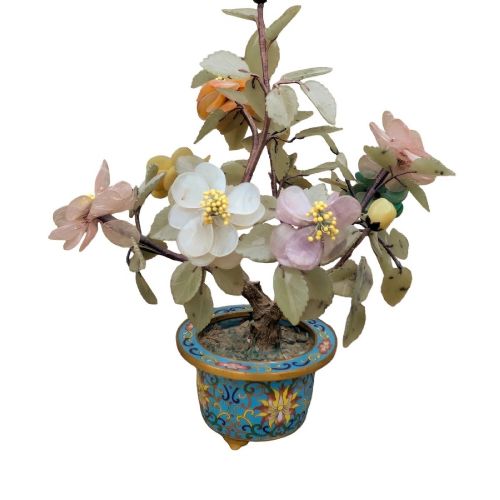


Antique Floral Planter
An antique floral planter brings vibrant foliage indoors, transforming living spaces with traditional ceramic and metal vessels designed for plant displays.
Antique Floral Planter
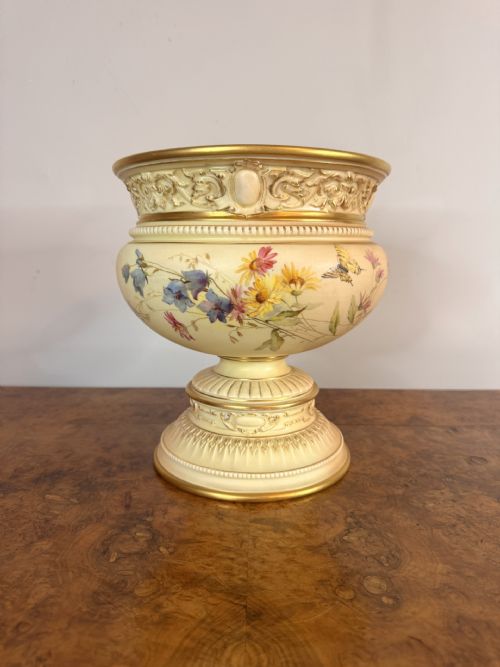
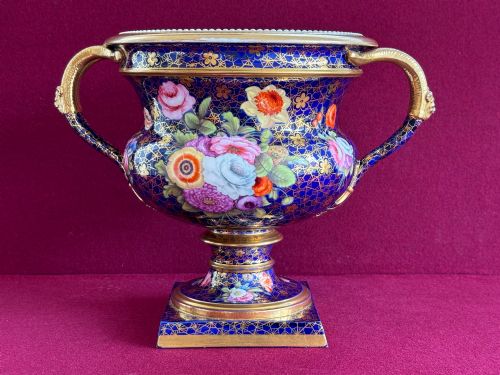
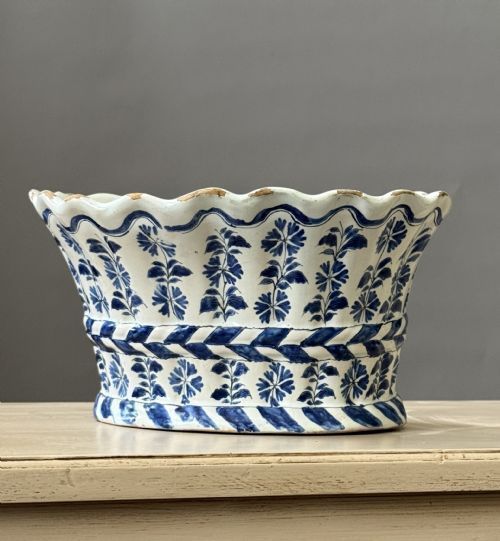
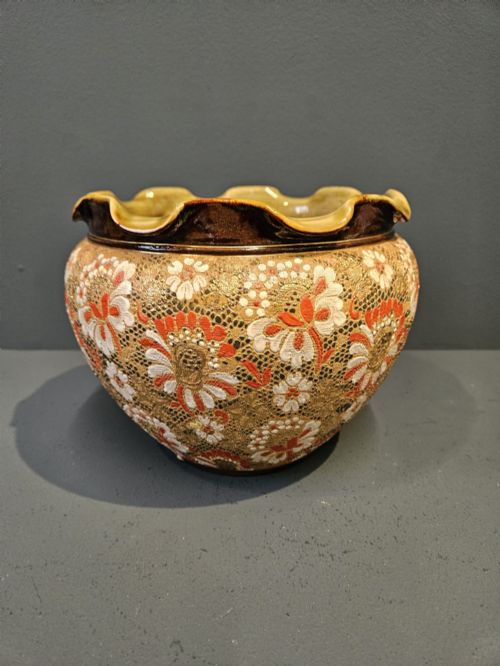
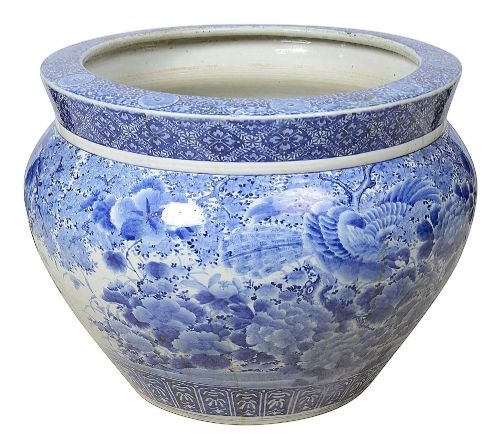
When you search for an antique floral planter, you encounter a varied selection of vessels intended to hold potted plants or decorative arrangements. The inventory spans multiple eras, with pieces originating from the 18th century through the early 20th century, including Victorian and Edwardian examples. These items frequently take the form of jardinieres, cachepots, and footbaths adapted for domestic greenery.
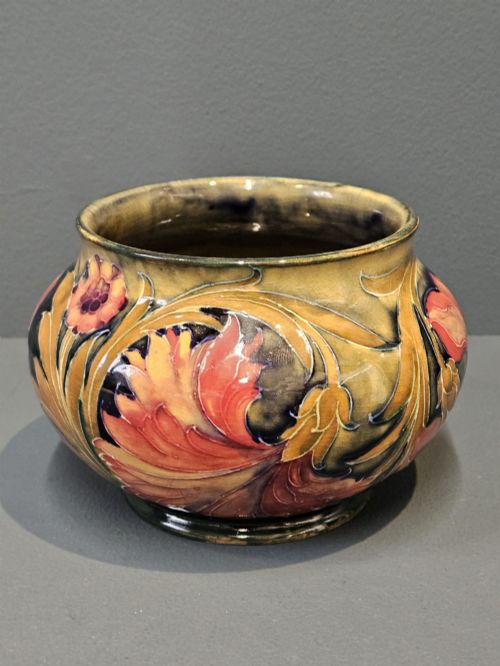
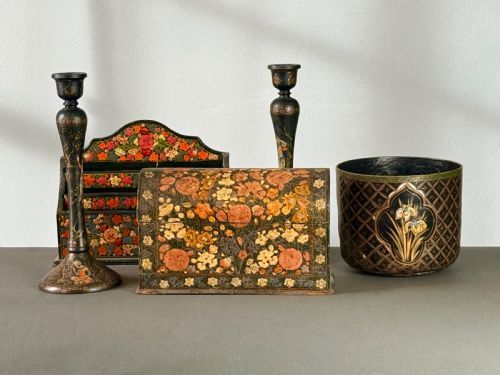
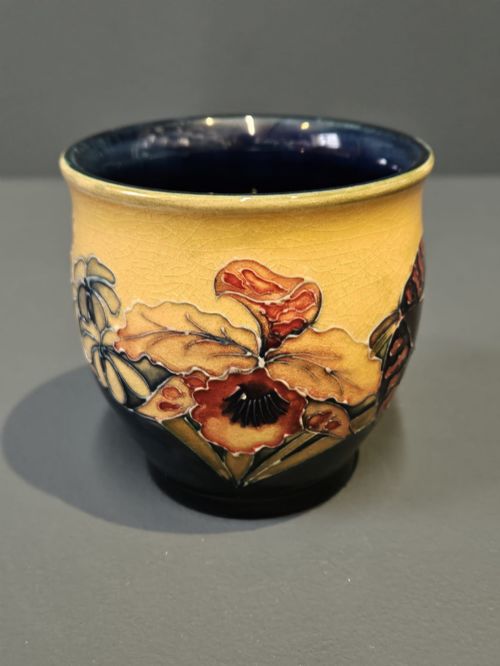
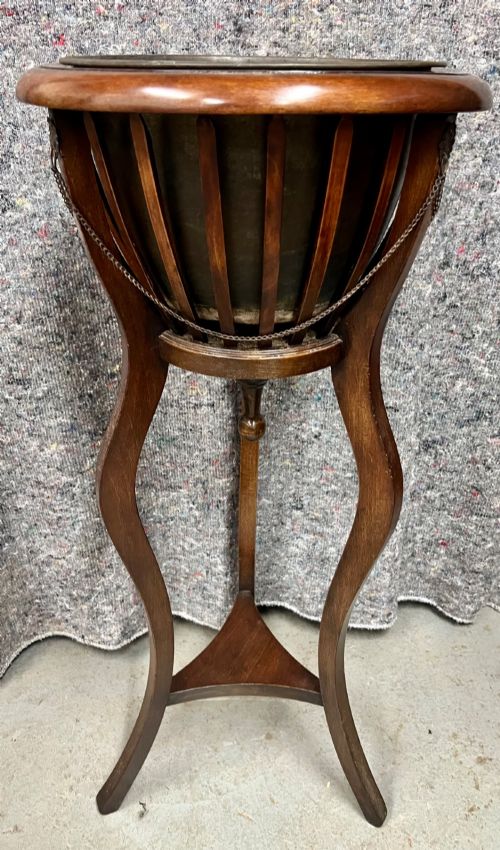
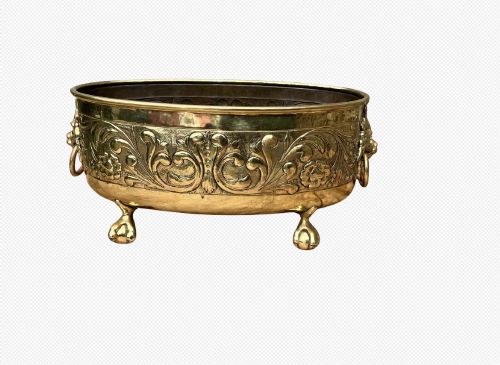
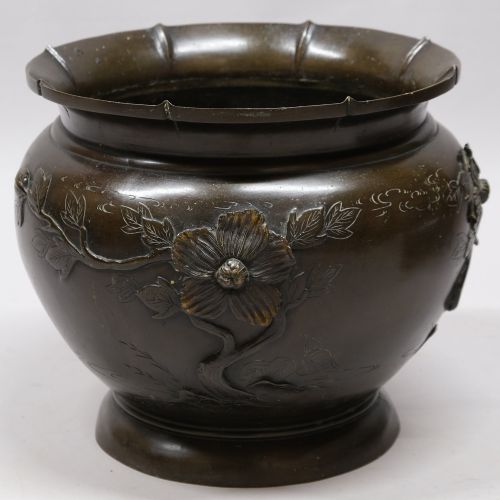
The ceramic tradition dominates the selection, featuring earthenware, porcelain, and majolica alongside metal interpretations in brass, bronze, and copper. Makers such as Royal Doulton, Doulton Lambeth, and Moorcroft represent the ceramic output, while Japanese Meiji period bronzes and Chinese cloisonne pieces offer alternative material expressions. Wooden plant stands and carved walnut or mahogany holders also appear alongside the primary bowl forms.
You are most likely to meet glazed ceramic jardinieres bearing floral motifs or blue and white transfer prints, reflecting popular tastes from the 19th and early 20th centuries. These vessels often sit upon matching ceramic pedestals or occasional tables designed specifically to elevate the plant display within a room. Smaller cachepots and decorative bowls provide tabletop alternatives to the larger floor-standing jardinieres.
How they were made
Makers utilised traditional ceramic techniques, shaping earthenware and porcelain on the potter's wheel or in moulds before applying glazes, majolica enamels, or transfer-printed designs. Pieces from factories like Royal Worcester and Minton underwent careful kiln firing to set the intricate surface patterns and rich colour palettes. Hand-painted details and blush ivory finishes required skilled brushwork by studio decorators.
Metal vessels relied on casting, hammering, and embossing methods, particularly evident in brass planters, dinanderie work, and Japanese bronze pieces from the Meiji period. Cloisonne examples involved soldering delicate metal wires to a base to form compartments, which workers then filled with enamel paste before firing. Wood planters featured carved walnut and satin walnut construction, joining traditional cabinet-making skills with interior horticulture.
Antique Floral Planter Retail Price Guide 2026
Typical asking prices for floral planter among the pieces listed under this phrase on Sellingantiques today, from the lower quarter to the upper quarter. They describe what is for sale here now, not the wider market.
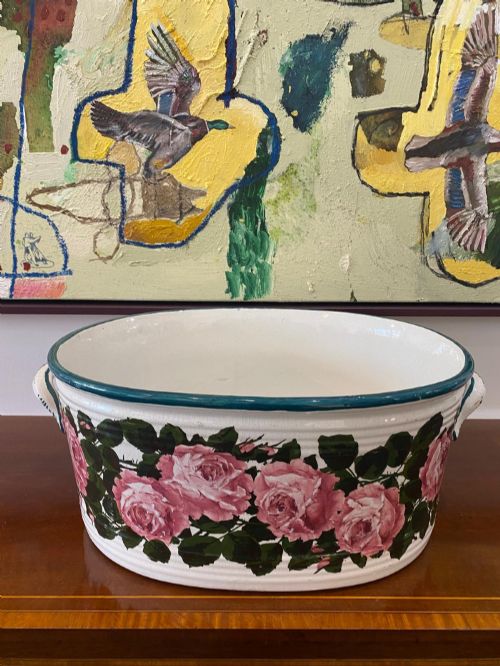
Several Victorian footbaths traded their original bathing duties long ago to spend retirement holding heavy ferns and indoor trees.
What varies in quality
The standard of execution separates everyday utility wares from artistic studio output, particularly in the crispness of moulded relief work and the depth of glaze application. Pieces bearing identifiable factory marks from Doulton Lambeth or Moorcroft demonstrate superior control during the firing process, resulting in vibrant colour saturation and minimal surface distortion. Hand-finished details on painted porcelain and cloisonne enamel distinguish finer decorative accomplishments from mass-produced items.
Material selection and structural integrity also define the upper tier of the range, especially where metalwork or exotic timbers are concerned. Heavy gauge bronze, finely chased brass, and substantial carved mahogany provide durability alongside aesthetic refinement. Complete pairings, such as a jardiniere retaining its original matching pedestal, command greater coherence than separated components.
Royal Doulton·Doulton Lambeth·Moorcroft·Royal Worcester·Minton
The Antique Floral Planter Glossary
- Jardiniere
- An ornamental pot or stand for holding flowers or plants, typically ceramic or metal. This term forms the primary classification for most large indoor plant holders on the market.
- Cachepot
- A decorative outer pot designed to conceal a plain flowerpot without a drainage hole. These smaller vessels sit comfortably on tables and window sills.
- Majolica
- A type of earthenware coated with an opaque tin-glaze and painted with bright metallic oxide colours. The technique produces glossy, highly colourful surfaces popular during the Victorian era.
- Cloisonne
- An ancient technique for decorating metal object surfaces with coloured enamel separated by strips of metal. Artisans solder thin bronze or copper wires to the body to create the distinct cellular pattern.
- Footbath
- A large vessel originally used for medical or hygienic bathing that finds a second life as a grand planter. Their generous proportions and sturdy handles suit them well for holding multiple potted plants.
- Dinanderie
- A medieval term revived to describe various decorative objects made of beaten brass or copper. These items often feature embossed or chased surface patterns.
Antique Floral Planter: Frequently Asked Questions
What is a jardiniere?
A jardiniere is a decorative pot or container designed to hold plants or floral arrangements inside the home. The word derives from the French term for a female gardener.
These vessels generally lack drainage holes at the base, meaning they function best by holding a standard potted plant inside. Their decorative exterior allows greenery to be displayed attractively in reception rooms and hallways.
Can I plant directly inside them?
Planting directly into antique ceramic or metal vessels risks moisture damage and mineral staining to the interior surfaces. Glazes can crack and unprotected metals may corrode over time when exposed to damp soil.
Using a smaller plastic pot with a sauced liner inside the antique container protects the piece from water damage. This method also makes it simple to remove the plant for watering.
How do I date an antique planter?
Dating relies upon a combination of factory backstamps, material characteristics, and stylistic movements such as Art Nouveau or Victorian design. Maker marks often change over time, providing a reliable chronological marker for ceramics.
Physical indicators such as the type of metal alloy, construction methods, and wear patterns also help establish the manufacturing period. Comparing the piece to documented examples from known potteries narrows down the date further.
Where should I place a heavy planter?
Large ceramic or bronze planters require stable surfaces capable of supporting substantial weight, particularly when filled with moist soil and plants. Floor-standing jardinieres often come with matching pedestals or sturdy occasional tables designed to bear the load.
Positioning these pieces away from heavy household traffic prevents accidental knocks while allowing adequate light for the foliage. Consideration of floor strength is especially important for massive footbaths or stone baskets.