


Figural Ceramic Bowl
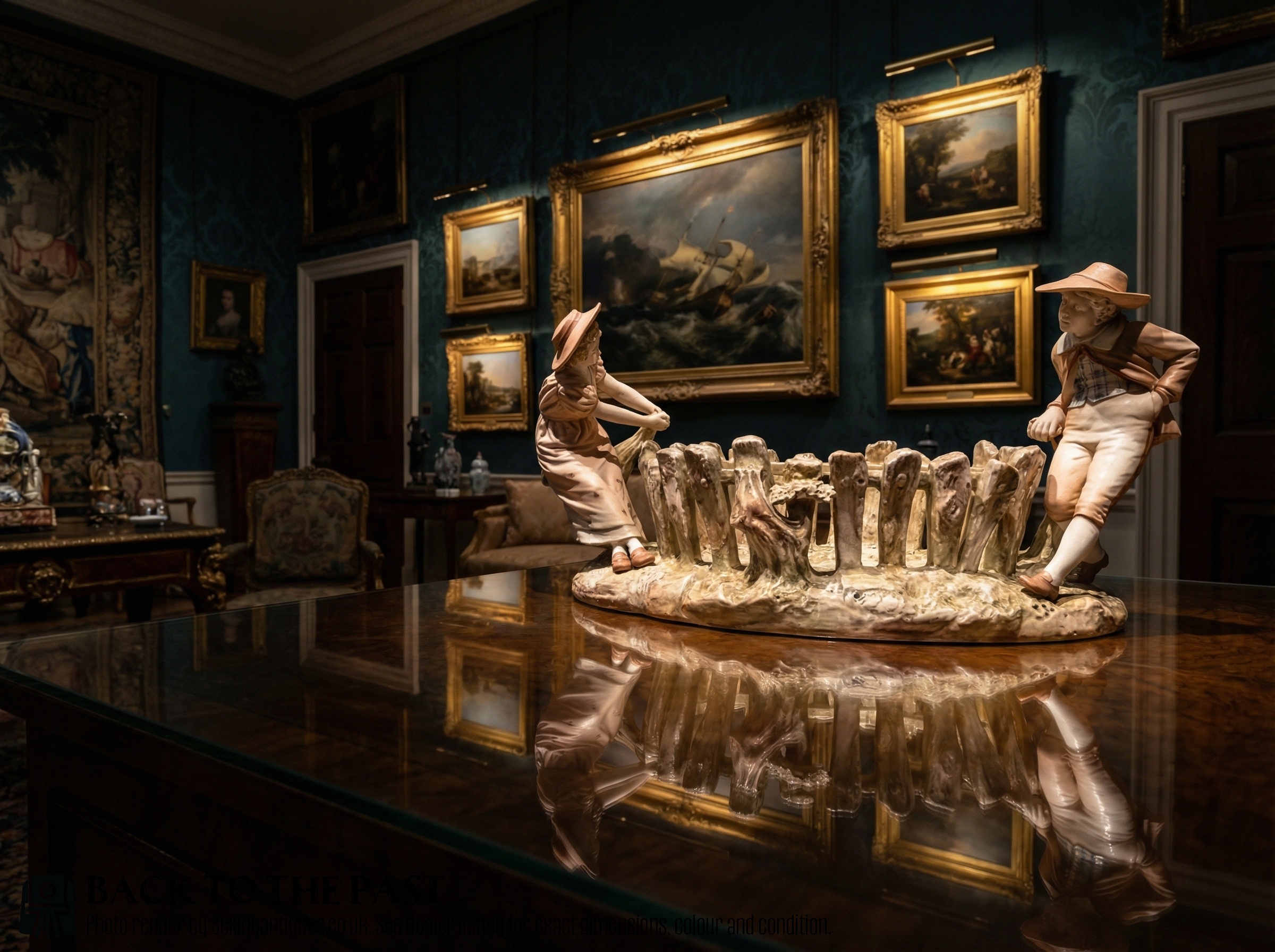
These pieces known as a figural ceramic bowl combine sculptural figures with functional vessel forms, offering a decorative centrepiece for display.
Figural Ceramic Bowl
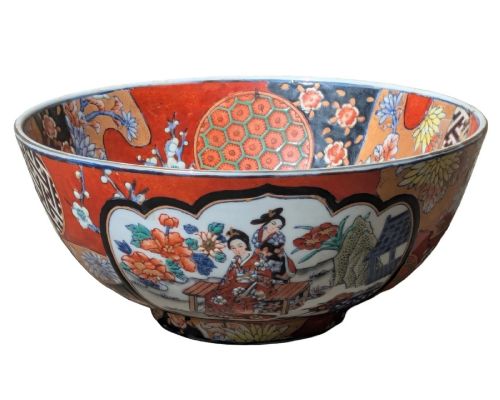
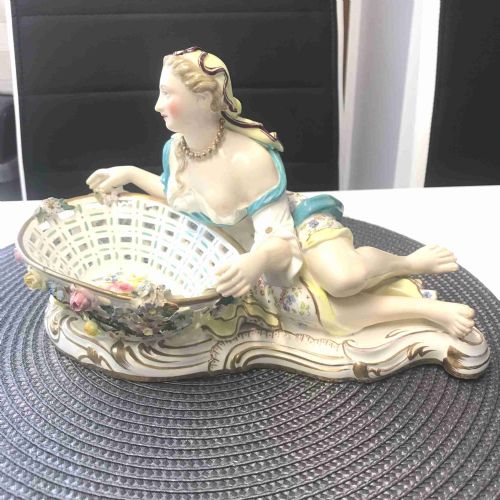
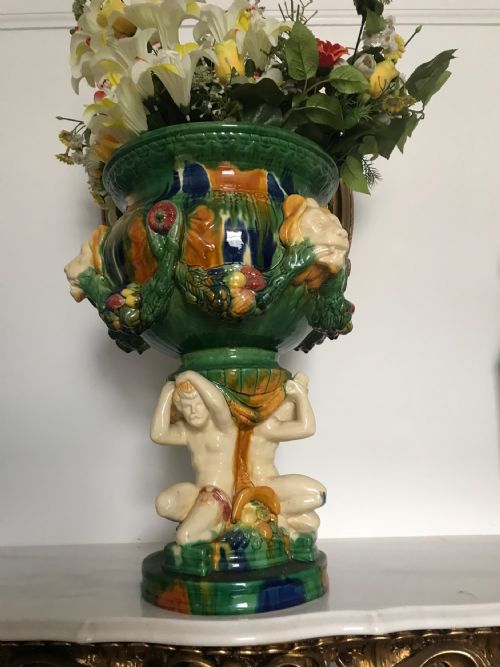
A figural ceramic bowl integrates modeled human, animal, or mythical forms directly into the vessel design, serving as centrepieces, sweetmeat dishes, or powder boxes. The selection spans centuries of ceramic production, encompassing continental porcelain groups, majolica planters with figural bases, and Art Deco powder bowls.
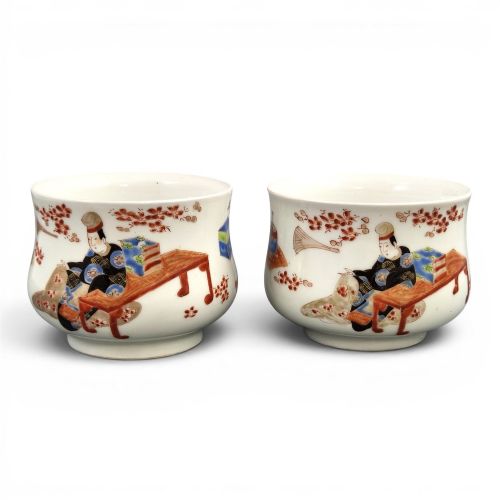
Continental factories and European makers dominate the offerings, alongside earlier Asian export wares and Persian slip-painted pottery. Buyers encounter nineteenth-century centrepieces featuring cherubs, maidens, or bathers alongside twentieth-century German and French porcelain works.
Forms range from large jardinieres and shell-supported centerpieces to delicate powder bowls and sweetmeat baskets. These pieces bridge decorative sculpture and functional tableware, utilising the figures either as structural supports or narrative surrounds for the central basin.
Materials and construction techniques
Makers utilised various ceramic bodies including hard-paste porcelain, earthenware, slip-painted pottery, and bisque porcelain. These bases were shaped through moulding and hand-modelling, allowing intricate figural elements to join smoothly with the main bowl or vessel.
Glazing and surface decoration involved cobalt glaze, enamel colours, and applied gold leaf. Works from specific periods incorporate transfer printing, hand-painting, or blush ivory finishes to achieve tonal depth on both the figural components and the interior basin.
Cherubs perched precariously on giant seashells double as sturdy porcelain supports for nineteenth-century sweets.
Markers of quality
Quality rests in the crispness of the modelling where hands, faces, and drapery retain sharp detail rather than softening in the kiln. Finer pieces demonstrate careful hand-painting in the enamels and secure integration between the figural base and the bowl above.
The sophistication of the glaze application and the subtlety of the colour palette separate standard production from superior examples. Preservation of delicate extremities on figures and intact gilding or enamel without excessive rubbing elevate the standing of a piece.
Royal Dux·Royal Worcester·Limoges·Meissen·Dresden
The Figural Ceramic Bowl Glossary
- Bisque porcelain
- Unglazed porcelain fired once to produce a matte, porous surface resembling marble. It allows sculptured details on figures to remain exceptionally crisp.
- Sweetmeat dish
- A small decorative vessel designed for serving confectionery or dried fruits. These often incorporate figural or shell motifs suitable for formal tables.
- Comport
- A raised dish or bowl on a stem, frequently utilised as a centrepiece. In figural ceramics, the stem often takes the form of human or mythological figures.
- Hard-paste porcelain
- A durable ceramic composition fired at high temperatures using kaolin and petuntse. It yields a dense, ringing body impervious to liquids even without glaze.
- Majolica
- Earthenware coated with an opaque tin-lead glaze and painted with coloured enamels. It provides a vibrant surface for large figural planters and architectural jardinieres.
Figural Ceramic Bowl: Frequently Asked Questions
What is a figural ceramic bowl used for?
These vessels served various domestic functions depending on their scale and period, from holding powder on a dressing table to displaying fruit or sweets at formal dining tables.
Larger examples functioned as architectural centrepieces or jardinieres, designed to command visual attention in the principal rooms of a nineteenth or twentieth-century home.
How do I care for antique porcelain?
Dust these pieces gently with a soft, dry brush to prevent accumulation in the crevices of modeled figures. Avoid harsh chemical cleaners and abrasive cloths that might damage delicate enamel painting or gold leaf.
Hand washing in lukewarm water with mild soap is suitable only for durable glazed surfaces, while unglazed bisque porcelain requires strictly dry maintenance.
How are different periods identified?
Stylistic indicators such as Rococo Revival curves, Art Nouveau flowing lines, or Art Deco geometric simplification offer initial clues to a piece's date. Factory marks, impressed numbers, and glaze characteristics provide further confirmation when examined against known production records.
The complexity of the ceramic body and the style of hand-painting also help distinguish eighteenth-century wares from later nineteenth-century revivals.
Where were these pieces made?
Production centres span across Europe, with notable contributions from German factories like Meissen and Dresden, alongside French makers in Limoges. Other significant pieces originate from British potteries such as Royal Worcester and various continental workshops.
Earlier items reflect traditions from China, Japan, and Persia, demonstrating a global history of ceramic figural design.