

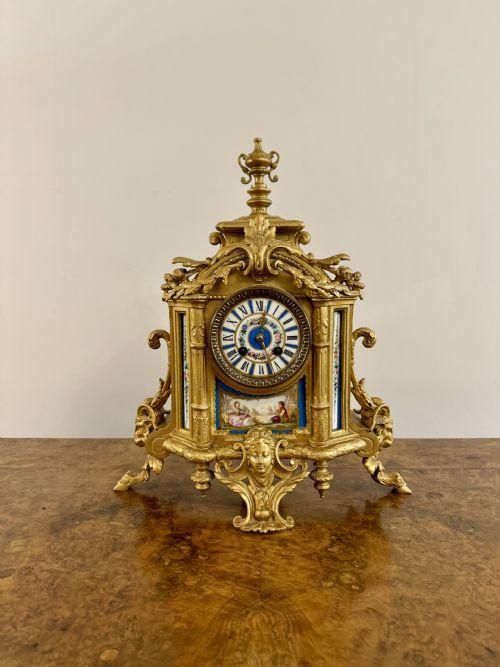


Victorian Porcelain Clock
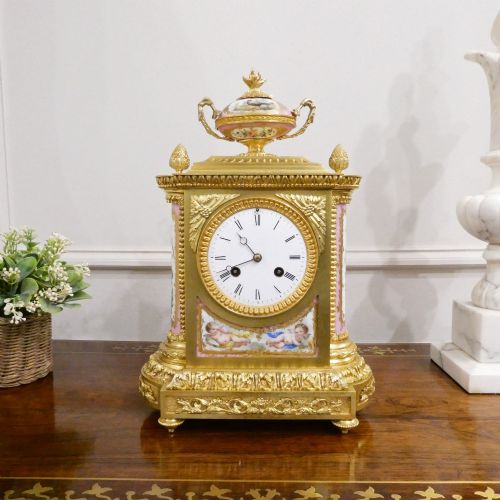
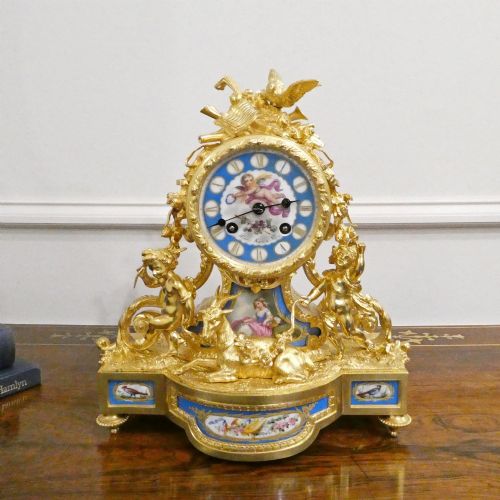
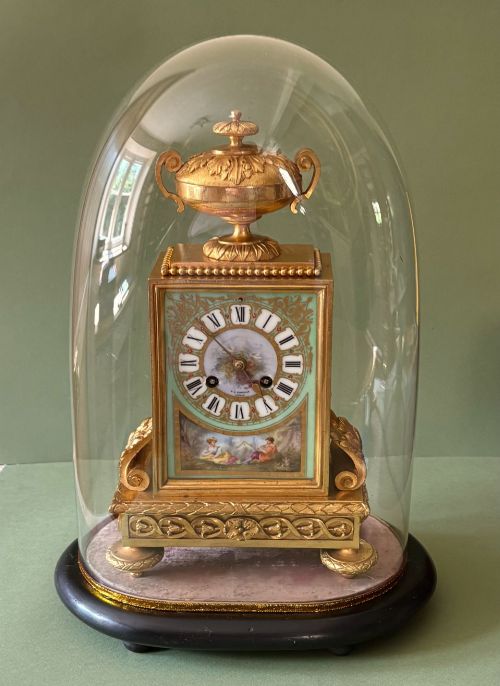
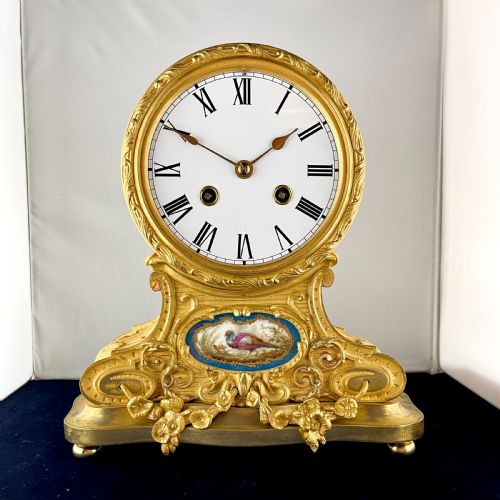
These nineteenth-century pieces combine finely painted ceramic bodies with ornate gilt metal mounts.
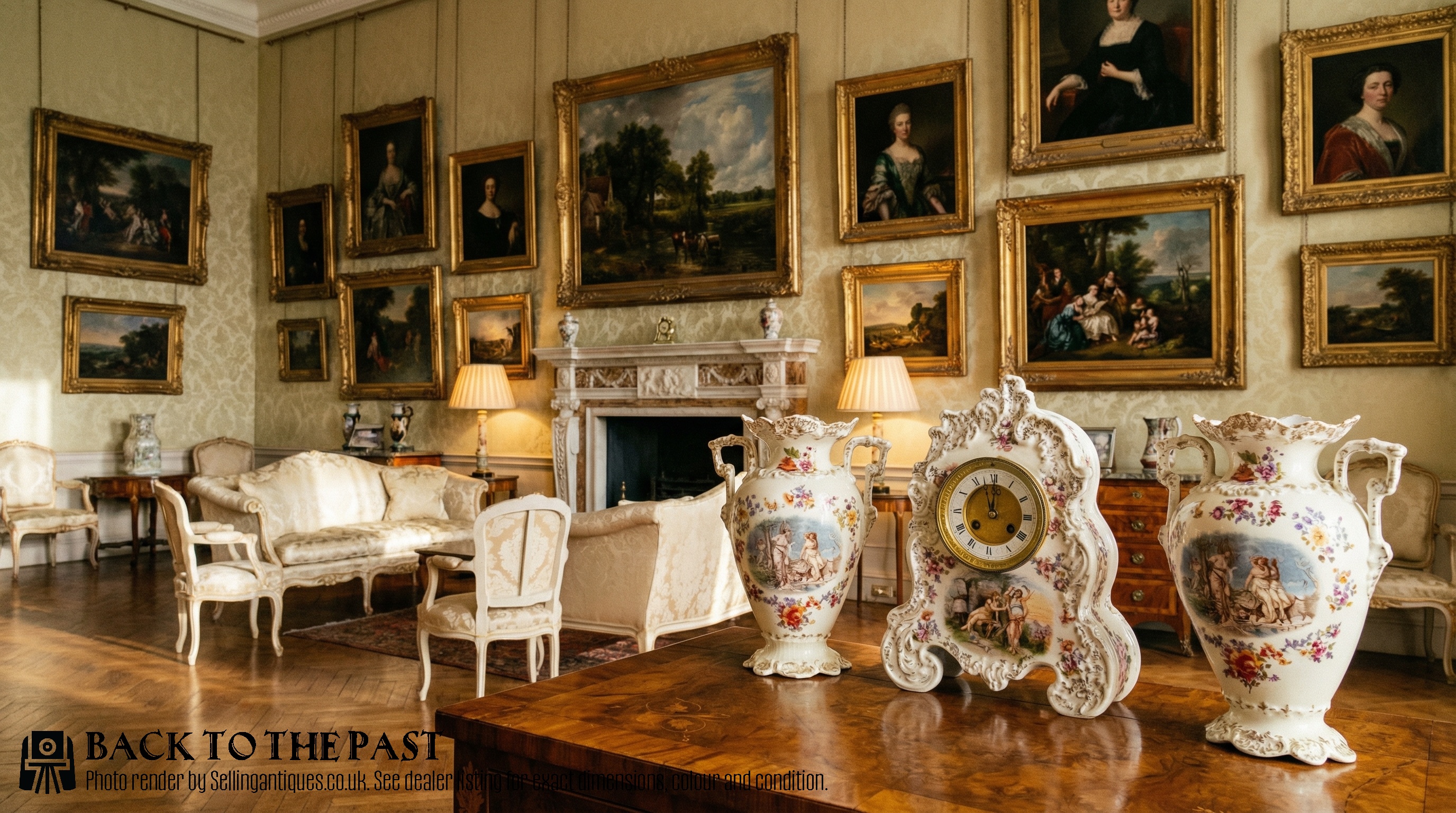
Victorian Porcelain Clock
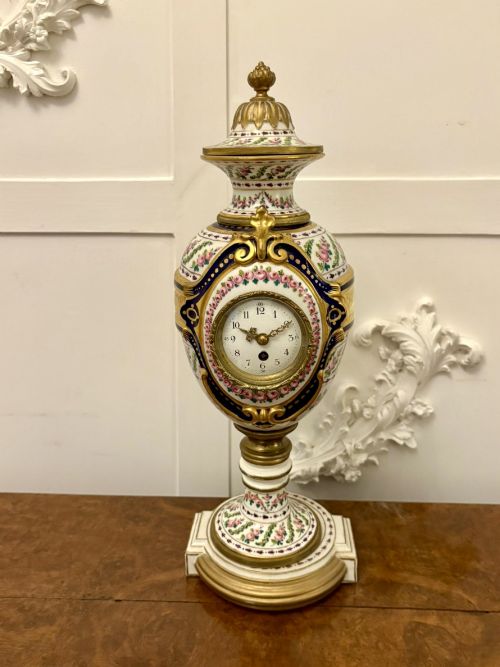
A victorian porcelain clock brings together decorative ceramic components and metal framing, often appearing as substantial mantel clocks or matching three-piece garniture sets. These objects typically originate from nineteenth-century French workshops and factories, utilising ceramic panels, urn-shaped bodies, and dial faces integrated into the architectural casing.
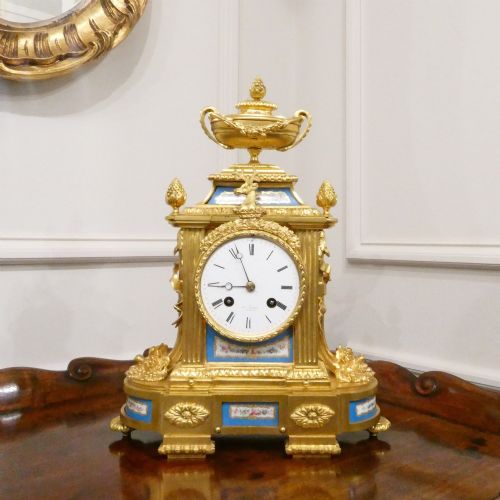
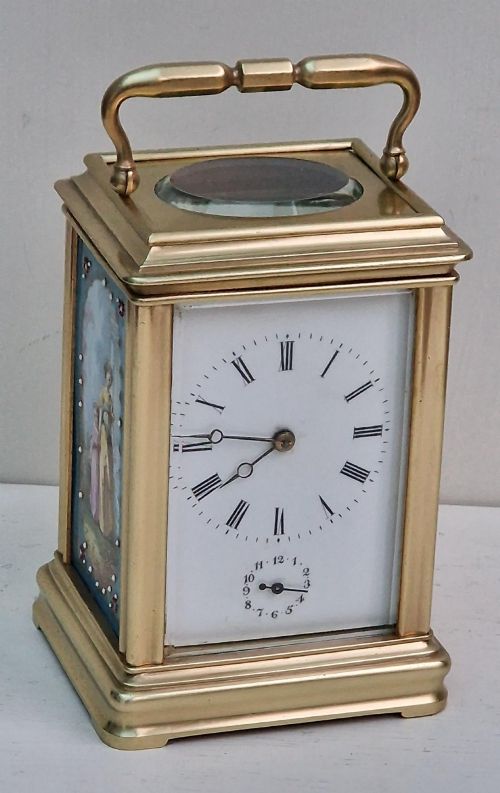
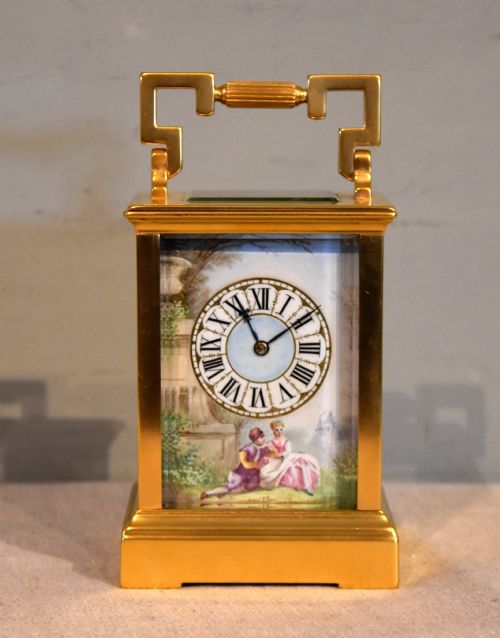
The dominant forms on this page include mantel clocks, carriage clocks, and larger clock sets flanked by matching vases or side ornaments. Buyers encounter both single shelf pieces and complete garnitures featuring hand-painted ceramic elements mounted within gilt bronze, ormolu, or gilded metal frames.
Most examples date from the mid to late nineteenth century, reflecting periods such as the Second Empire and the reign of Napoleon III. The prevailing design influences draw heavily on French Rococo and Louis XVI revivals, distinguished by ornate metal castwork surrounding glazed ceramic dials.
Judging Quality and Craftsmanship
The refinement of the hand-painted ceramic panels and the crispness of the gilt metal castwork distinguish superior examples from standard production. Better pieces display meticulous detail in the porcelain artwork and substantial, heavy metal mounts rather than light stamped brass.
The integration of the clock movement with the ceramic and metal housing dictates the overall cohesion of the piece. Complete garniture sets that retain their original matching side pieces and uniform gilding represent the higher tier of these nineteenth-century objects.
Jean-Baptiste Delettrez·Henry Marc·PH Mourey·Drocourt·Le Roy Et Fils·Japy Freres
The Victorian Porcelain Clock Glossary
- Garniture
- A set of matching decorative objects, usually comprising a central clock accompanied by a pair of side vases or urns.
- Ormolu
- Finely ground high-carat gold applied to a bronze base metal using a mercury amalgamation technique, common in nineteenth-century decorative hardware.
- Crystal Regulator
- A clock style featuring glass panels on all four sides, allowing a clear view of the mechanical movement and pendulum suspended inside.
- Drumhead
- A circular clock case mounted on a supportive base, resembling the shape of a drum.
- Carriage Clock
- A small, portable spring-driven timepiece originally designed for travel, typically fitted with a carrying handle and glass panels.
Victorian Porcelain Clock: Frequently Asked Questions
How do I wind a Victorian clock?
Use the appropriate winding key to turn the arbors located on the porcelain dial face, ensuring you do not over-wind the mainspring.
Most nineteenth-century movements require a gentle touch and regular setting to maintain accurate timekeeping.
What is a clock garniture?
A clock garniture consists of a central mantel clock displayed alongside matching decorative side pieces, such as urns or vases.
These three-piece sets were designed to create a balanced, symmetrical arrangement on a fireplace mantel or sideboard.
Are these clocks French or English?
The majority of these pieces originate from nineteenth-century French workshops and Parisian makers, even when retailed through British establishments.
They reflect continental design revivals like Louis XVI and Rococo styles popular across Victorian interiors.
How should I clean the porcelain?
Dust the painted ceramic surfaces softly with a dry, lint-free cloth to remove surface particles without disturbing the enamel.
Avoid using liquid cleaners or chemical agents on the hand-painted panels and gilt metal mounts to preserve the finish.