

Victorian Pine Display Cabinet
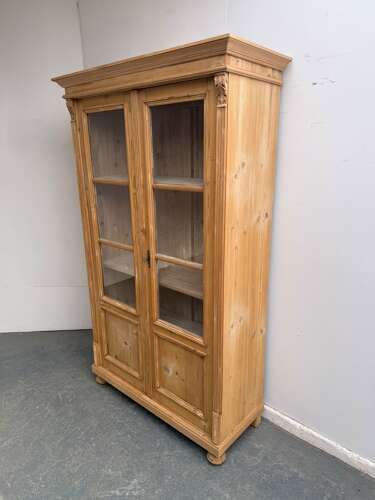
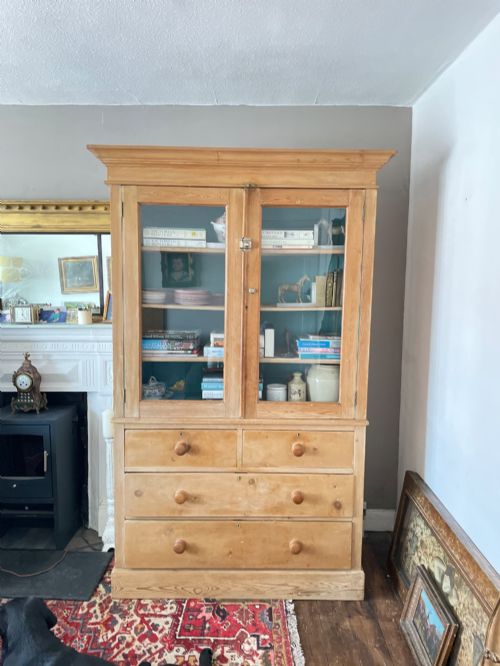
A victorian pine display cabinet brings utility and warmth to a room, offering glazed shelving to showcase ceramics and books.
Victorian Pine Display Cabinet
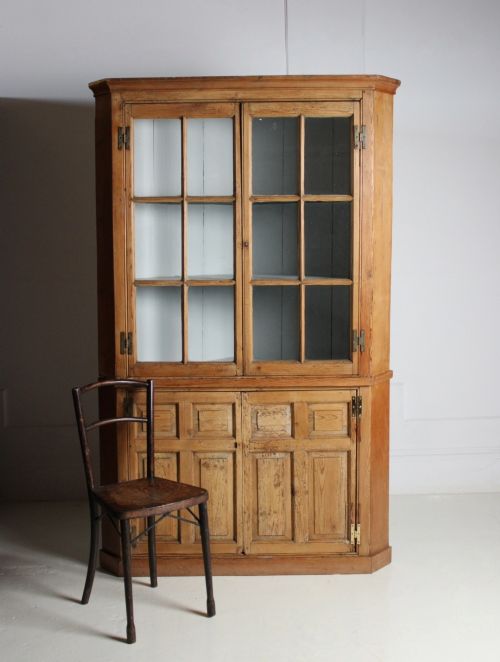
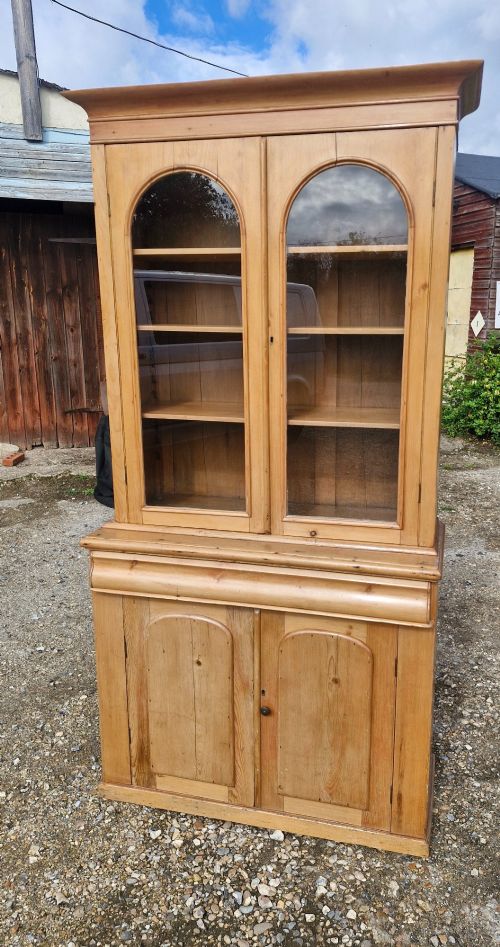
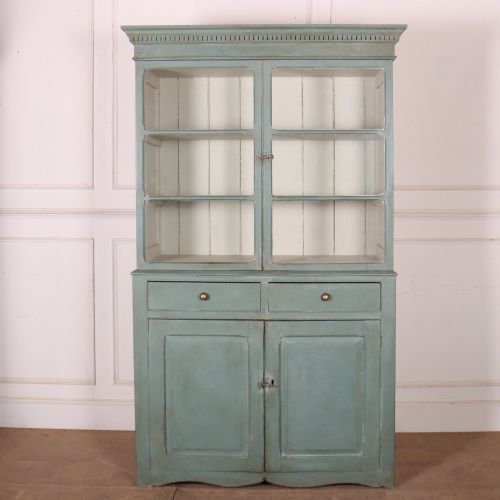
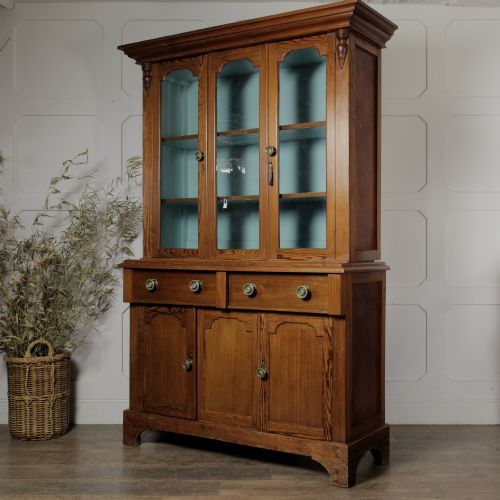
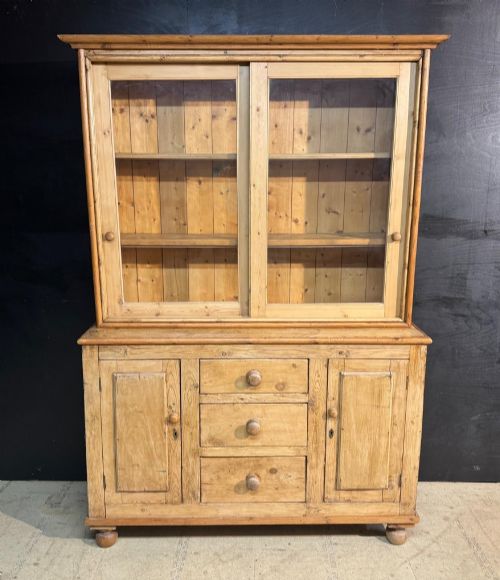
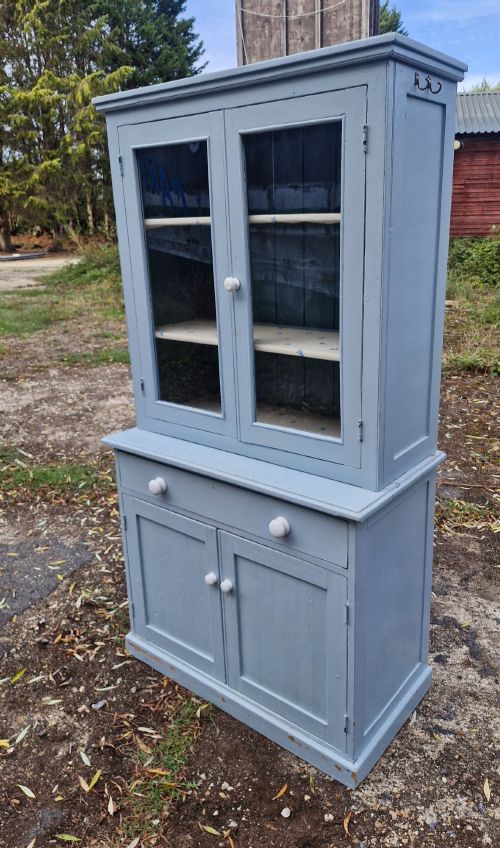
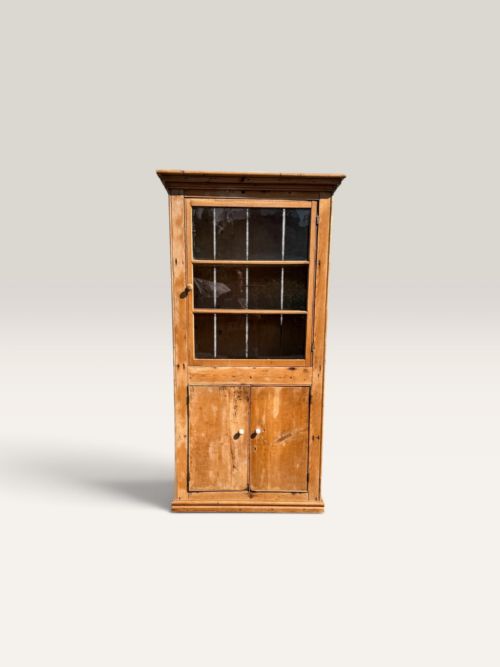
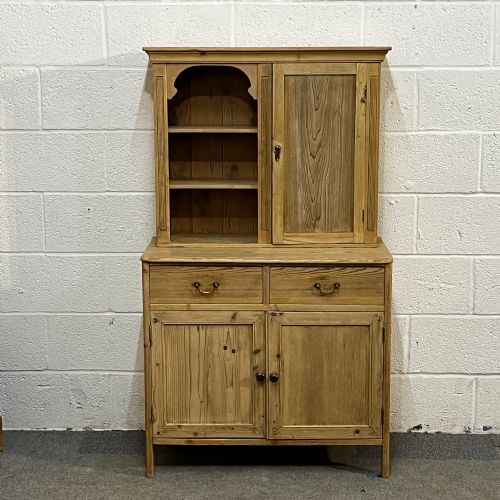
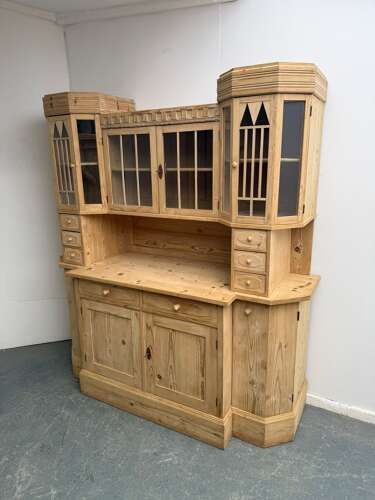
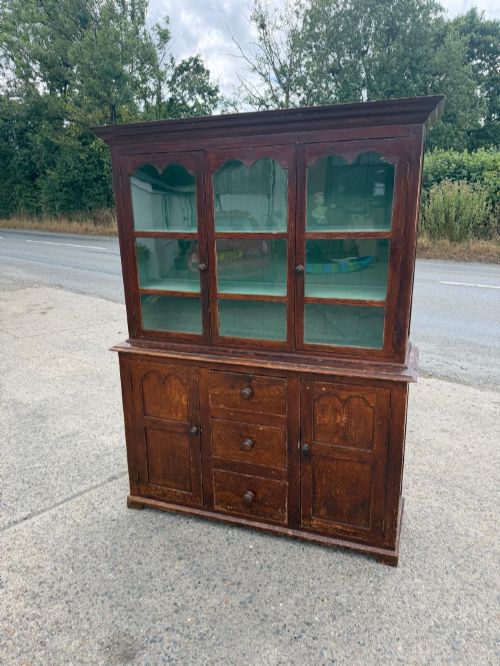
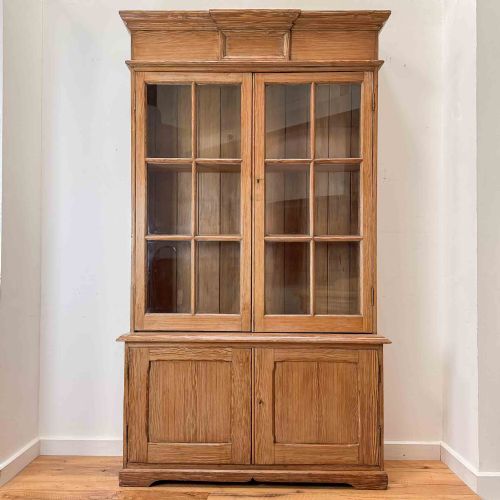
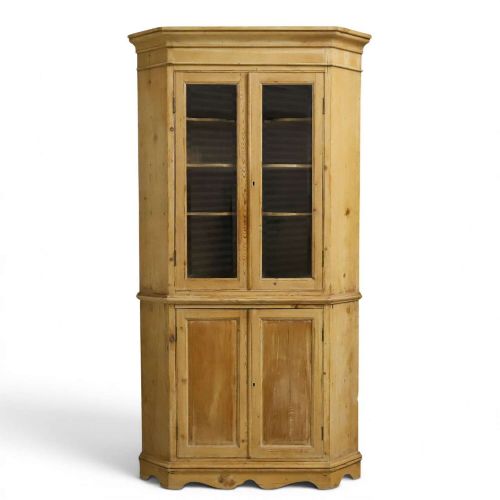
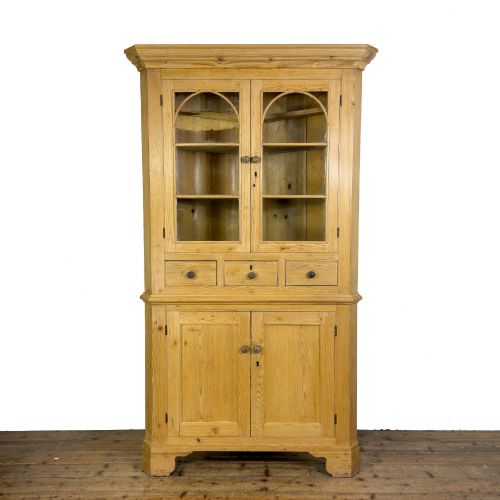
A victorian pine display cabinet encompasses a range of utilitarian and domestic storage forms from the nineteenth century, including two-part dressers, corner units, bookcases, and shop fittings. These pieces combine closed lower cupboards with upper glazed sections designed for viewing contents.
The most common examples on this page are upright glazed cupboards and kitchen dressers originating from country workshops, often built in two modular sections to ease transport through tight domestic spaces.
Regional variations span English country pieces, Scottish glazed cupboards, and painted Hungarian shop fittings, showing how local utility shaped vernacular cabinet-making.
How they were made
Construction relies primarily on native softwoods, with standard pine utilised for painted carcasses and durable pitch pine selected for pieces left with a waxed finish. Timber boards were joined using traditional dovetail and mortise techniques to ensure structural stability under heavy domestic loads.
Glass panes are held within slender timber glazing bars, while hardware typically incorporates brass hinges and iron latches to secure heavy doors. Surfaces frequently show layers of historic paint or stripped finishes that expose the grain of the softwood.
A fifty-drawer shop fitting brings unexpected scale to household storage.
What varies in quality
Quality rests on structural proportions and the integrity of the timber framing, where thicker boards and tight joinery separate utilitarian workshop pieces from finer domestic furniture. The presence of untouched original paint surfaces or neatly patinated waxed pitch pine elevates the standing of a piece.
Proportion and scale dictate desirability, with smaller corner cabinets and well-balanced two-part bookcases achieving cleaner visual lines than purely functional storage boxes.
The Victorian Pine Display Cabinet Glossary
- Pitch pine
- A dense, resinous softwood with a strong grain pattern, often utilised in nineteenth-century cabinetry for durability. It responds well to waxing.
- Glazing bars
- The narrow wooden strips that hold individual panes of glass within a cabinet door. They create the grid pattern typical of nineteenth-century display furniture.
- Two-part form
- A piece of furniture constructed in an upper and lower section that separate for moving. This construction method was standard for tall dressers and large bookcases.
- Stripped pine
- Timber from which layers of old paint or varnish have been removed down to the bare wood. Cabinets treated this way are usually finished with wax.
- Shop fitting
- Fixtures and cabinetry originally produced for commercial retail spaces rather than domestic rooms. These pieces often feature numerous drawers or specialised glass arrangements.
Victorian Pine Display Cabinet: Frequently Asked Questions
How do I clean my display cabinet?
Dust timber surfaces regularly with a dry cloth and nourish waxed pine occasionally with traditional beeswax.
Avoid commercial liquid polishes that can build up a residue and soften old timber finishes over time.
Are these cabinets heavy to move?
Many nineteenth-century storage pieces utilise a two-part construction where the upper glazed section lifts off the base. This division makes transportation and positioning much simpler.
Pitch pine examples are particularly dense and require multiple people to lift safely.
Can I paint a waxed pine cabinet?
Painting a piece that has been heavily waxed requires thorough preparation to ensure adhesion, as old wax repels modern paints.
Many listings note whether a cabinet is currently waxed or suited to painting.
Where were these cabinets used?
Original locations ranged from country kitchens and sculleries to parlours and retail shops. Glazed sections kept dust away from tableware, books, and dry goods.
Shop fittings served commercial environments before entering domestic interiors.