

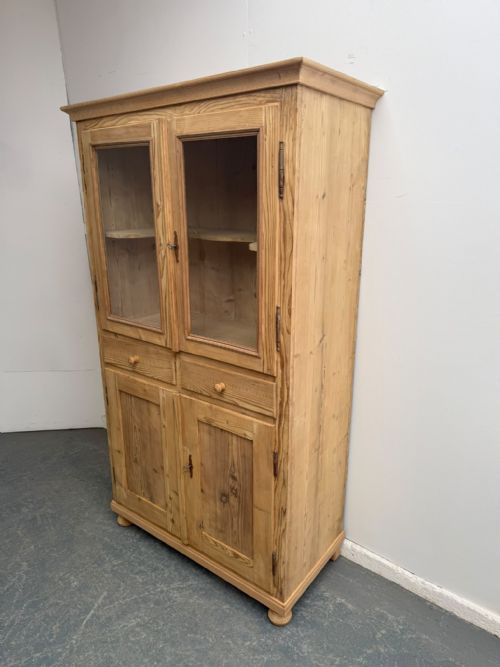


Natural Wood Dresser
A natural wood dresser brings warmth and honest grain to a room, offering practical storage built from pine, oak, and ash.
Natural Wood Dresser
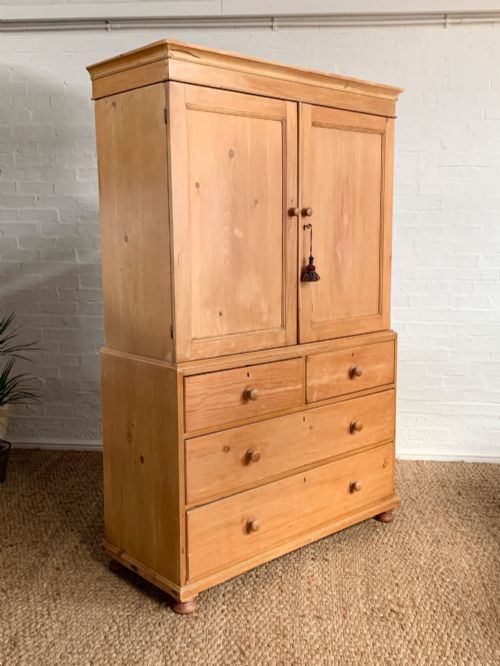
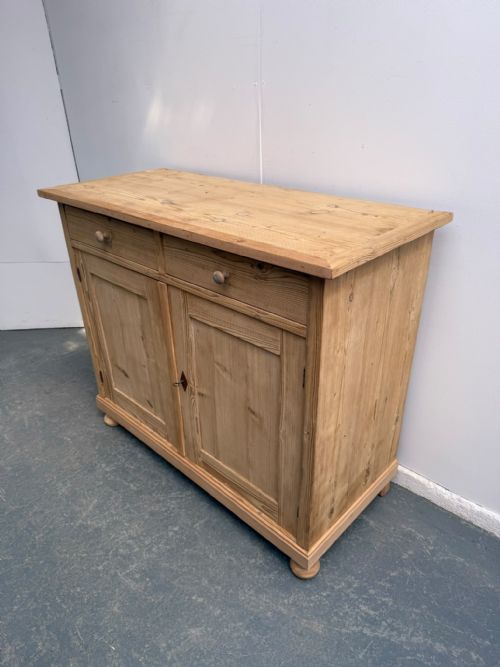
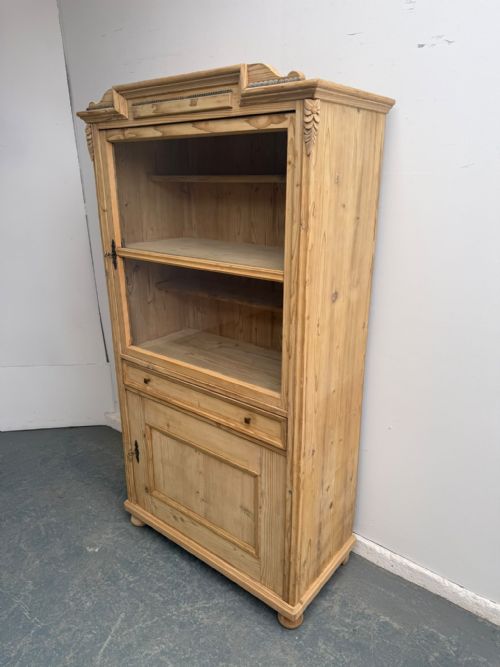
When searching for a natural wood dresser, buyers encounter a diverse selection of storage furniture including chests of drawers, display cabinets, sideboards, and kitchen dresser bases. These utilitarian pieces span the Victorian and Edwardian eras, alongside early twentieth-century examples.
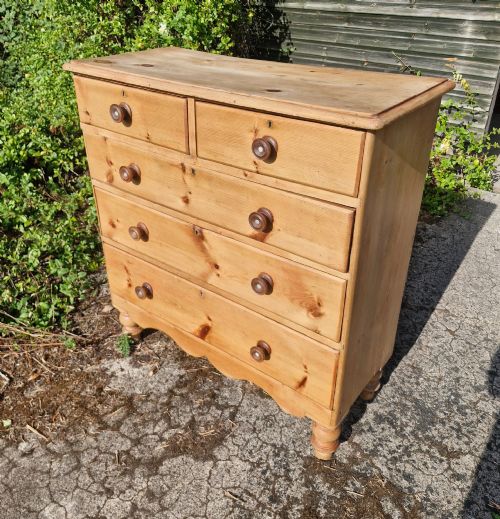
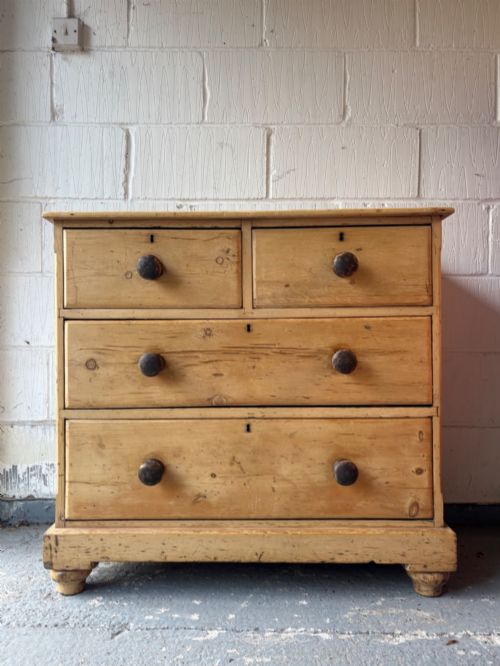
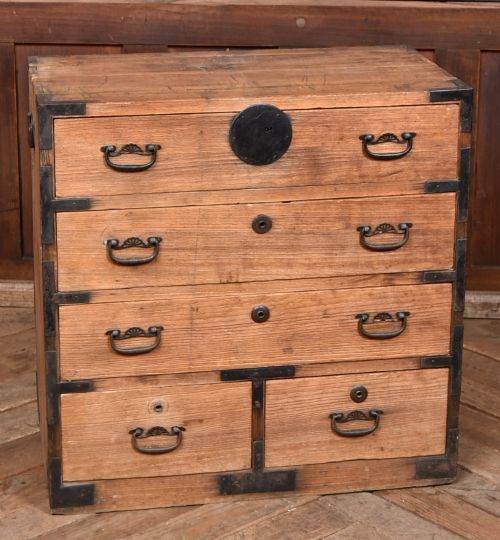
The pine chest of drawers forms the most frequent sight on this page, often stripped to its natural timber or prepared for waxing and painting. Alongside British country furniture, pieces range from French provincial designs to Japanese tansu chests.
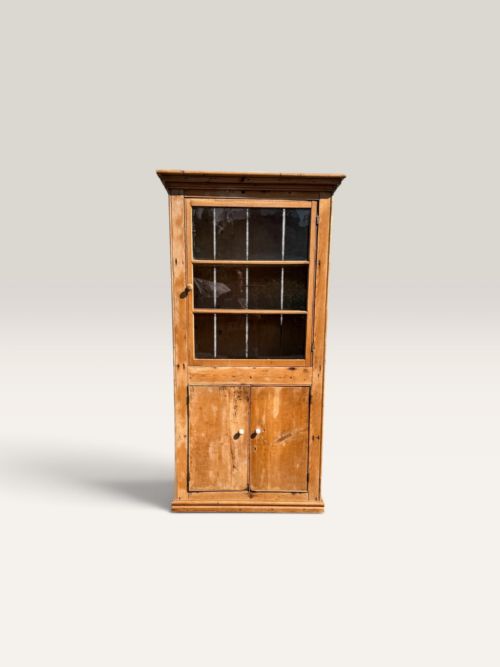
Substantial dresser bases and glazed display cabinets provide deeper storage solutions, whilst smaller chiffoniers and commodes cater to more compact spaces. Each object reflects the domestic needs of the nineteenth and early twentieth centuries.
Materials and Construction
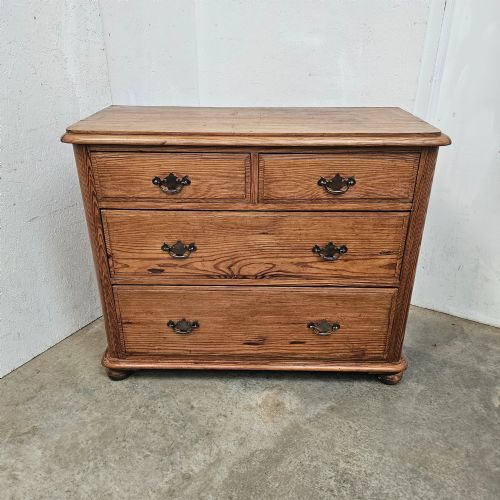
Pine and pitch pine dominate the construction of these items, frequently paired with brass or iron hardware such as bun handles and drawer pulls. Solid ash, chestnut, and oak also appear, particularly within vernacular furniture and continental European pieces.
Makers utilised traditional joinery methods to build carcases, drawers, and gallery backs designed for heavy domestic use. Surfaces left unpainted reveal scrubbed finishes or wax patination accumulated over decades of service.
Several pieces arrive ready for their next chapter, offering the unusual option to either wax the grain or paint the timber.
Assessing Quality
Quality rests in the integrity of the timber selection and the retention of original structural elements like gallery backs and panelled doors. Unaltered surfaces displaying honest wear outrank heavily modernised or inappropriately stripped examples.
Construction details such as dovetailed drawer boxes and substantial hardware distinguish utilitarian pieces intended for daily service from simpler vernacular output. The harmony of proportions across larger dresser bases and tall display cabinets dictates desirability.
The Natural Wood Dresser Glossary
- Dresser base
- The lower section of a kitchen or dining dresser, typically featuring cupboards and drawers beneath a solid top. These sturdy pieces serve well as sideboards or console tables in contemporary spaces.
- Scrubbed pine
- Timber cleaned thoroughly with soap and water to remove old paint or finishes, leaving a pale, matt surface. This treatment highlights the natural grain and knot patterns of the softwood.
- Gallery back
- A raised wooden border attached to the rear and sides of a top surface to prevent items from sliding off. This feature frequently appears on nineteenth-century chests of drawers and sideboards.
- Tansu
- Traditional Japanese storage cabinetry built in sections from natural wood with iron mounts. These pieces were designed for mobility and specific domestic functions within the home.
- Chiffonier
- A compact sideboard or low cupboard developed during the nineteenth century, usually fitted with small drawers above enclosed shelving. They provide versatile storage for living rooms and hallways.
Natural Wood Dresser: Frequently Asked Questions
How do I care for a natural wood surface?
Apply a clear beeswax polish sparingly with a soft cloth and buff gently to maintain the lustre of the timber. Avoid placing these items near direct heat sources or strong sunlight to prevent the wood from drying out.
Keep surfaces dry and wipe away spills promptly to protect the open grain of pine and oak from staining.
What is the difference between a dresser base and a sideboard?
A dresser base originates from the kitchen or pantry, traditionally designed to support plate racks or shelves above. These units tend to be deeper and heavily constructed for utilitarian storage.
Sideboards generally stem from the dining room parlour, featuring more refined detailing and proportions suited for entertaining spaces.
Can I paint a stripped pine chest of drawers?
Many nineteenth-century pieces were originally painted rather than left as bare timber, meaning a painted finish has historical precedent. Preparing the surface with a suitable primer ensures the paint adheres correctly to resinous pine.
Choosing a breathable traditional paint allows the timber to adjust naturally to household temperature changes.
How do I date a nineteenth-century pine piece?
Examine the construction methods within the drawers, looking for hand-cut dovetails and solid timber bases rather than modern plywood. Drawer linings and backboards often display tool marks and timber characteristics typical of the period.
Hardware such as brass handles, iron hinges, and key escutcheons also provide reliable clues regarding manufacture dates.