

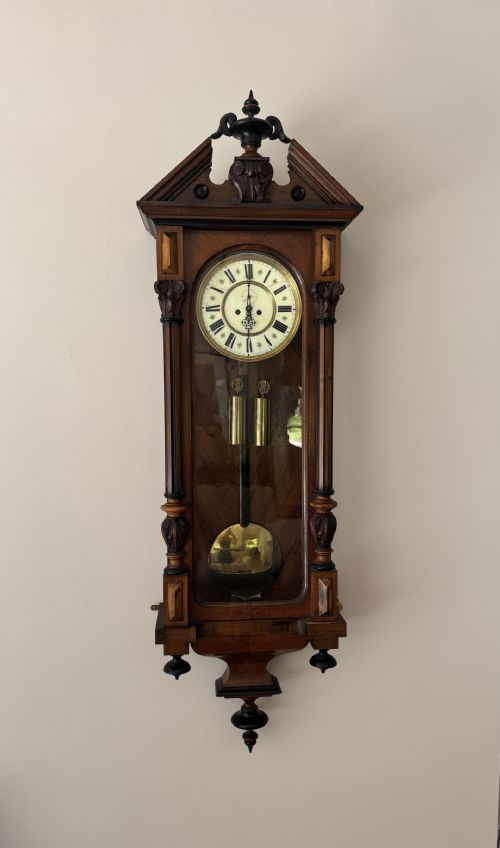

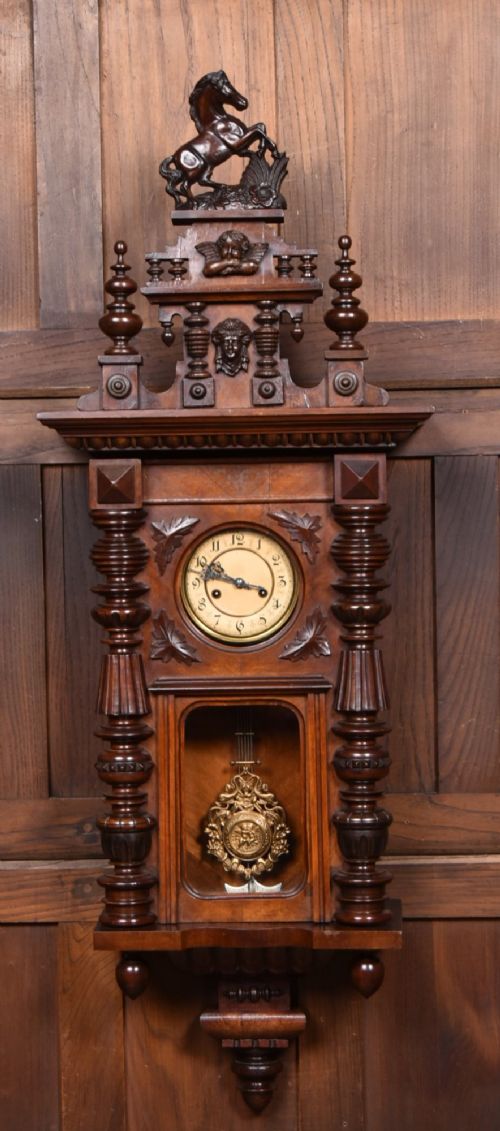
Victorian Pendulum Wall Clock
A victorian pendulum wall clock measures time with rhythmic authority, bringing architectural presence and mechanical movement to a room.
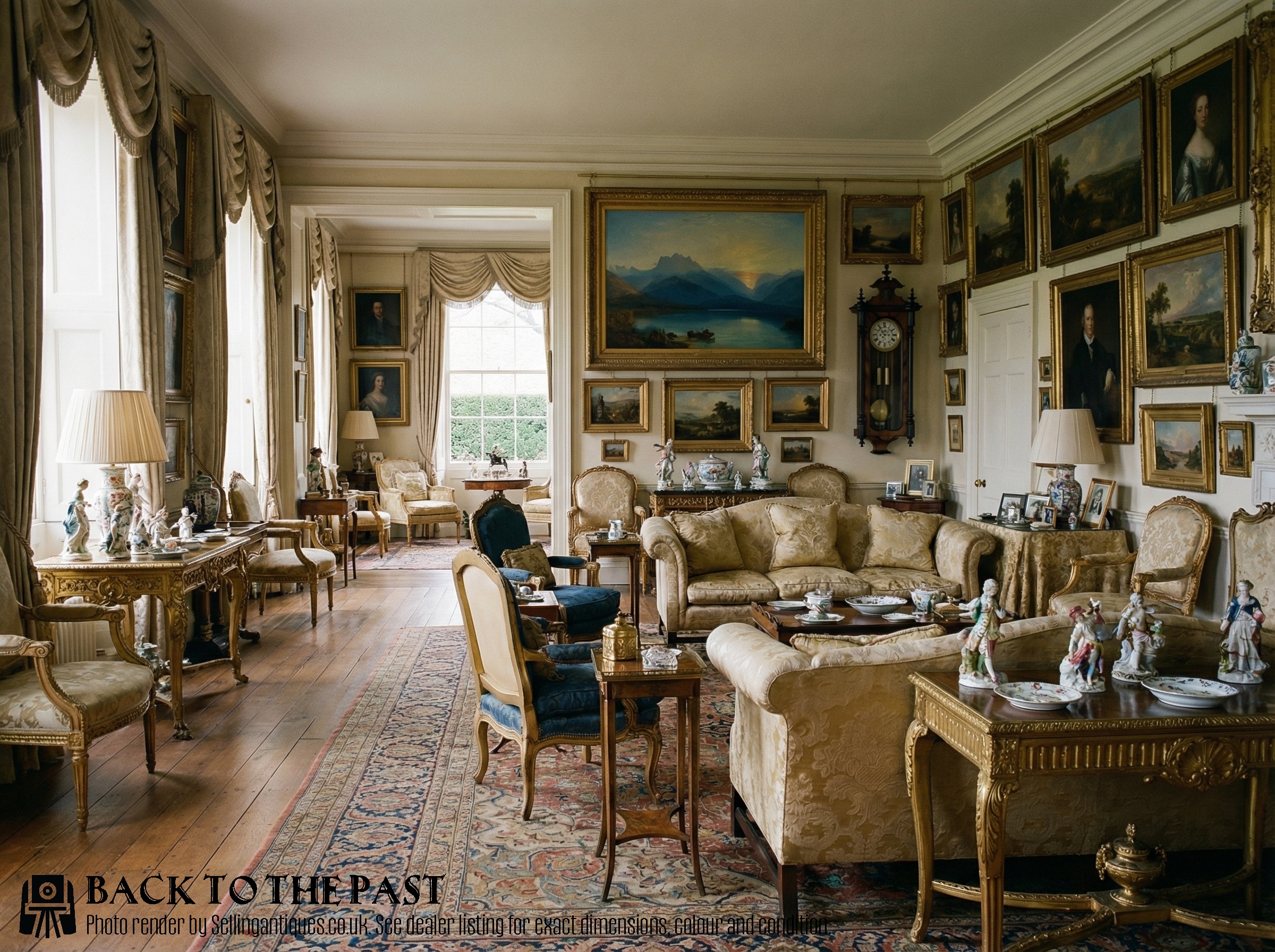
Victorian Pendulum Wall Clock
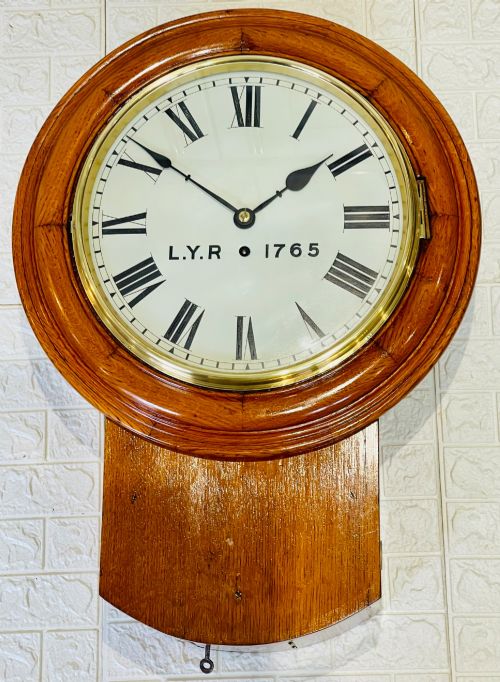
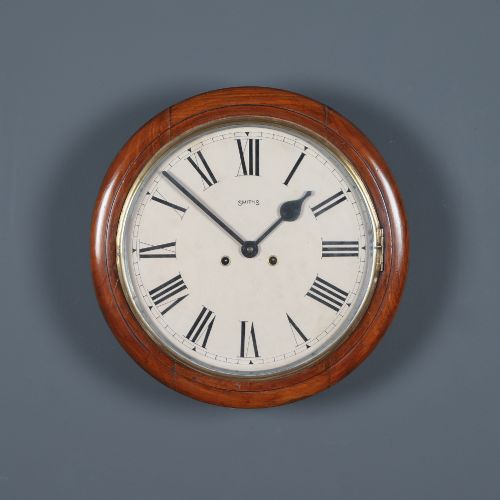
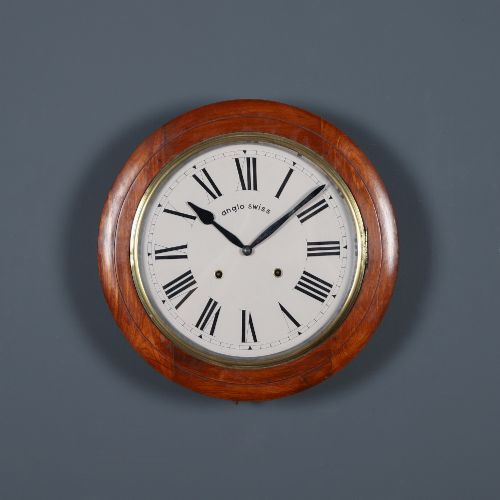
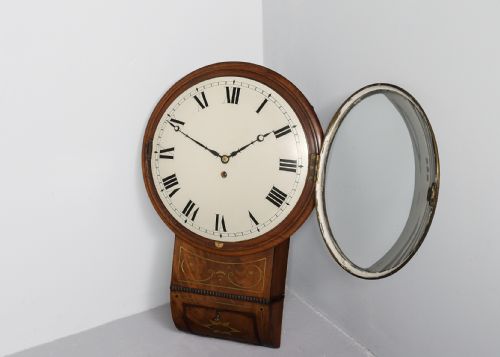
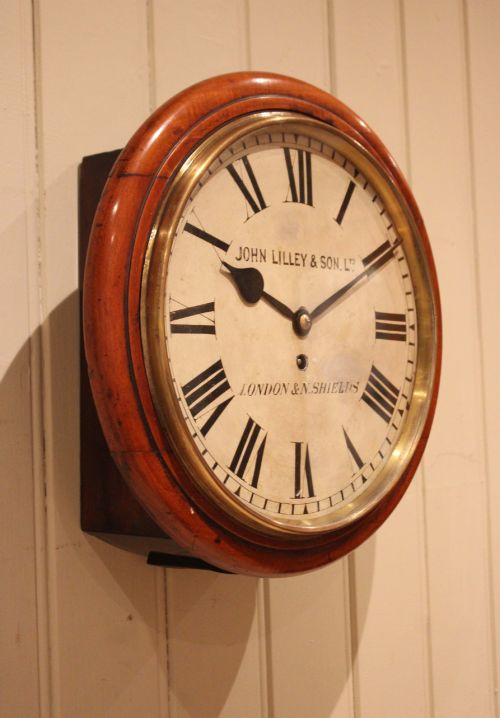
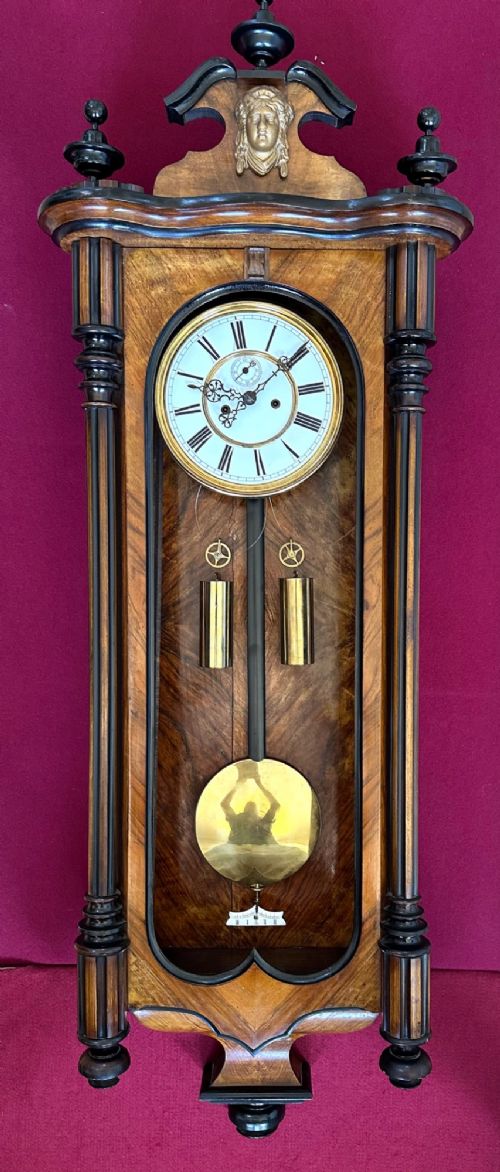
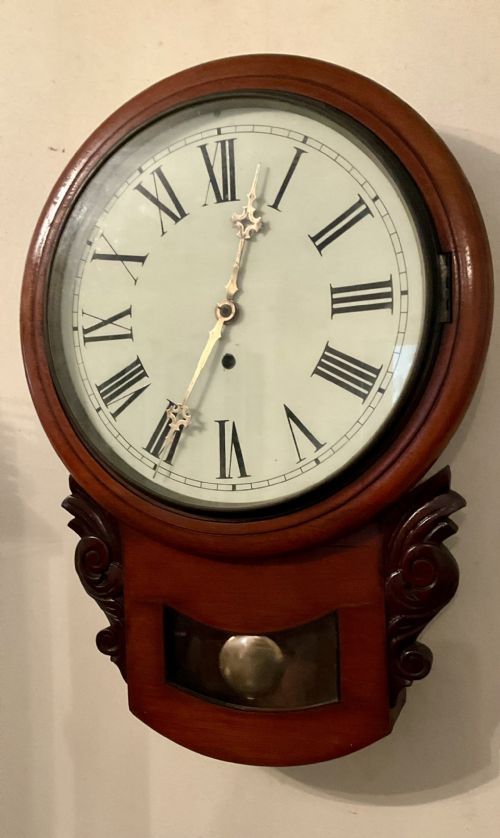
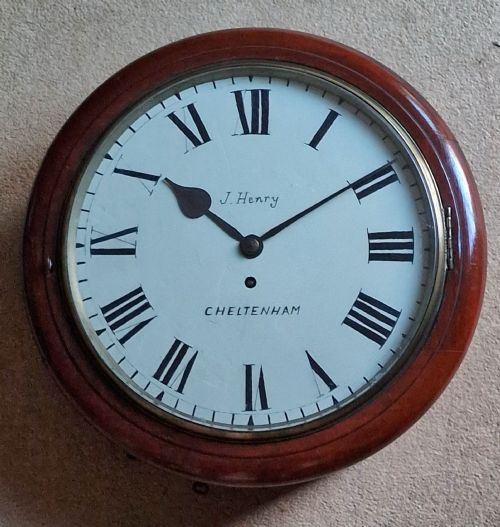
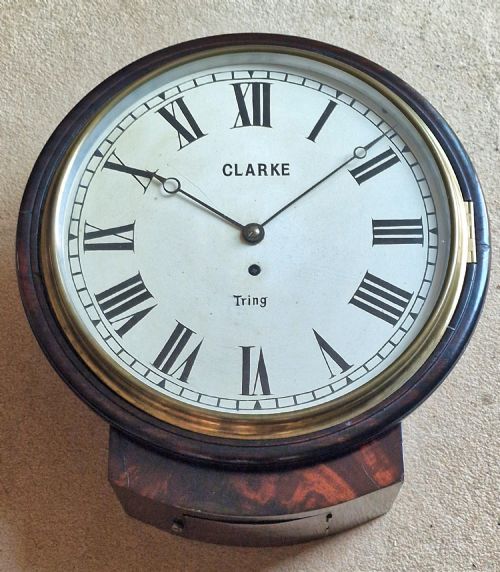
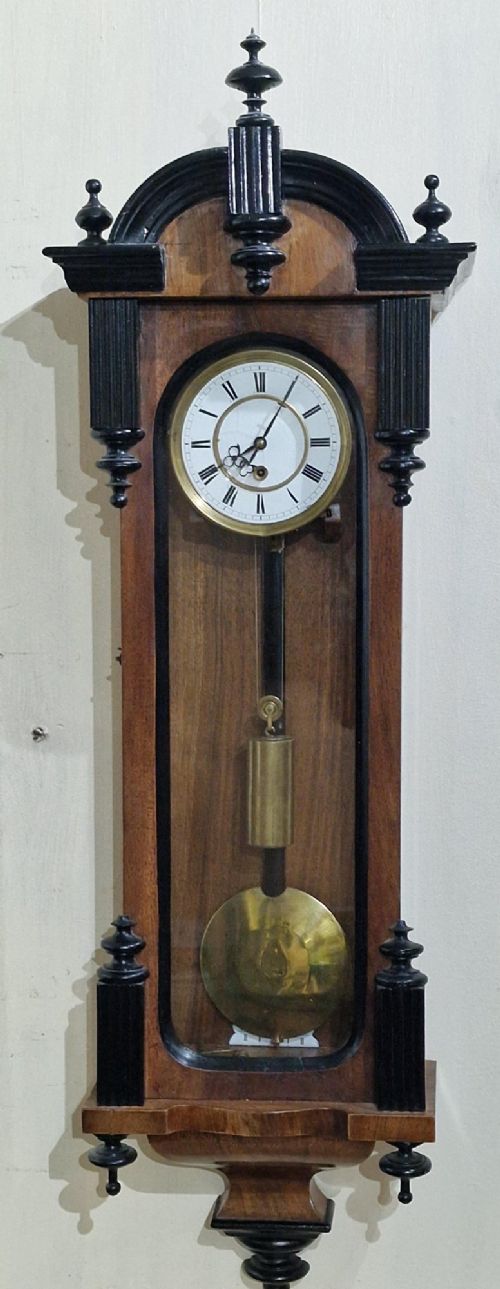
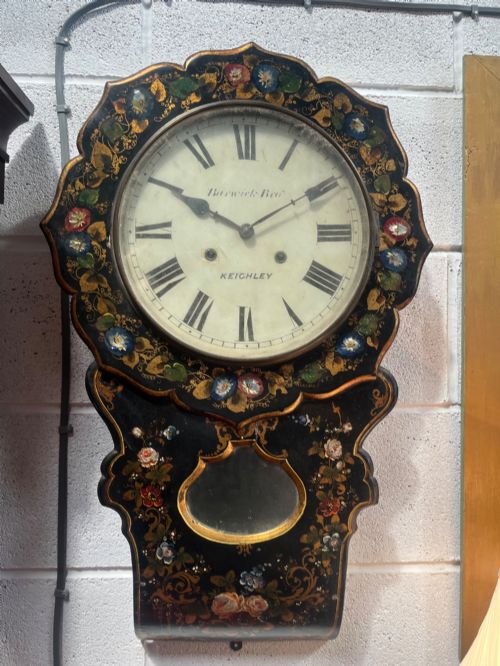
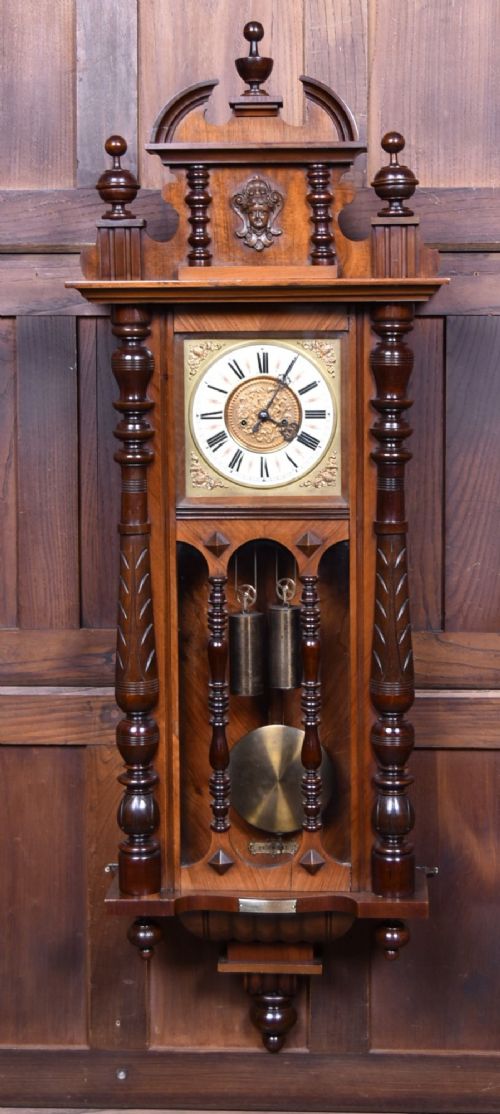
A victorian pendulum wall clock bridges domestic utility and fine cabinetmaking from the nineteenth century. These pieces appear as circular dial clocks housed in mahogany or oak cases, railway drop dial designs, and walnut Vienna regulators.
The selection on this page leans toward fusee dial wall clocks alongside weights-driven Vienna styles and carved walnut cuckoo clocks. Originating across Britain, Germany, Austria, and France, these wall clocks reflect the diverse horological output of the Victorian period and adjacent decades.
How they were made
Cases utilise dense hardwoods like mahogany, walnut, rosewood, and oak, frequently shaped into circular bezels or tall regulator housings with glass panels. Ebonised wood and brass inlay provide contrasting detail, while carved walnut characterises Black Forest and Vienna examples.
Movements rely on brass components, chain-driven fusee mechanisms, or double brass weights to maintain consistent power. Dials feature painted iron or enamel surfaces protected by glass, occasionally displaying convex profiles or railway station lettering.
Victorian Pendulum Wall Clock Retail Price Guide 2026
Typical asking prices for victorian pendulum wall clock among the pieces listed under this phrase on Sellingantiques today, from the lower quarter to the upper quarter. They describe what is for sale here now, not the wider market.
Listings feature mahogany, walnut, oak, rosewood, and brass materials across Victorian, 19th Century, and 1930s periods.
What varies in quality
The distinction between standard utility pieces and finer examples rests in the complexity of the movement and the cabinetry. Month duration movements, twin fusee setups, and regulator complications elevate a piece beyond simple eight-day timekeepers.
Cabinet work demonstrates variation through figured wood veneers, brass inlays, and carved ornamentation. Maker signatures on the dial or movement add archival weight, separating unsigned provincial clocks from documented workshop output.
AG Lenzkirch·J Henry Cheltenham·George Clarke Tring·Chave Taunton·Joseph Bird Stroud·Halliday and Rich Bridgwater·John Walker
The Victorian Pendulum Wall Clock Glossary
- Fusee
- A conical pulley used in spring-driven clocks to equalise the torque of the mainspring as it unwinds. This mechanism helps maintain steady timekeeping throughout the power reserve.
- Vienna Regulator
- A high-precision pendulum clock originating in Austria, noted for its refined walnut case and prolonged duration movement. These clocks typically feature a visible pendulum and twin brass weights.
- Drop Dial
- A clock configuration where the circular dial sits above a lower case extension that houses the pendulum. This form became prevalent in offices, schools, and railway stations.
- Double Weight
- A clock movement powered by two suspended weights rather than a single spring or weight. This setup drives both the timekeeping train and the striking mechanism.
Victorian Pendulum Wall Clock: Frequently Asked Questions
How do fusee movements work?
A fusee movement uses a conical pulley connected to the mainspring via a chain or cord. As the spring loses tension, the chain moves to a wider part of the cone, maintaining consistent force on the gear train.
This clever design ensures the clock maintains steady accuracy throughout its running cycle, distinguishing better fusee dial clocks from simpler spring-driven alternatives.
Where were Vienna regulators placed?
Vienna regulators hung in prominent domestic spaces such as parlours and hallways where their precise movements and architectural walnut cases could be admired. Their clear dials and visible pendulums served as both functional timepieces and status objects.
Originating in Austrian workshops, these clocks suited homes that valued mechanical ingenuity alongside disciplined interior styling.
What is a drop dial clock?
A drop dial clock combines a circular dial section at the top with an extended wooden trunk below. This lower section accommodates the swing of the pendulum within a compact wall-mounted footprint.
Commonly found in railway stations, schools, and offices, this format ensured the dial remained highly visible while the mechanism operated securely within the case.
How do I identify a railway clock?
Railway clocks typically feature clear circular dials housed in sturdy oak or mahogany cases designed for constant public use. Many bear station names, railway company initials, or inventory numbers painted on the dial or stamped into the wood.
These utilitarian pieces prioritise legibility and robust fusee or striking movements suited to transport hubs.