


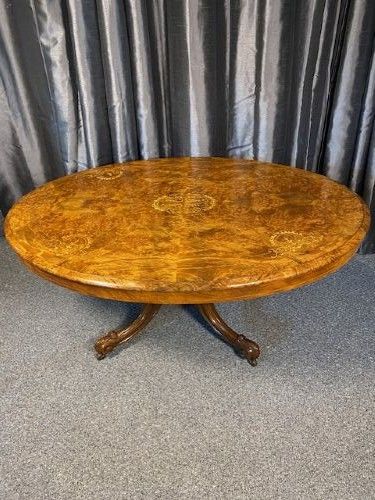
Victorian Pedestal Centre Table
A victorian pedestal centre table anchors a room with timber grain and solid form, built to stand free in the middle of a floor.
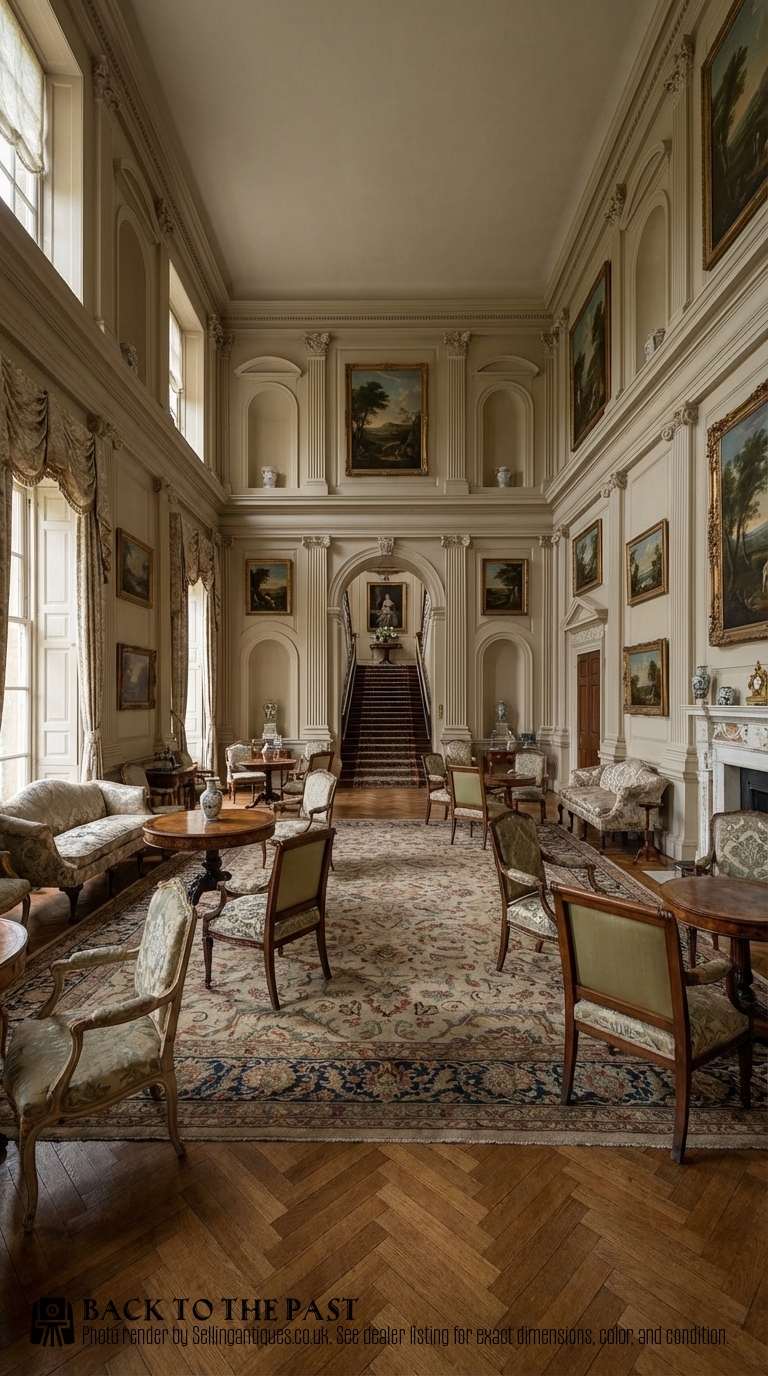
Victorian Pedestal Centre Table
A victorian pedestal centre table appears in forms designed for dining, breakfast, or library use, grounded on a central column and solid base.
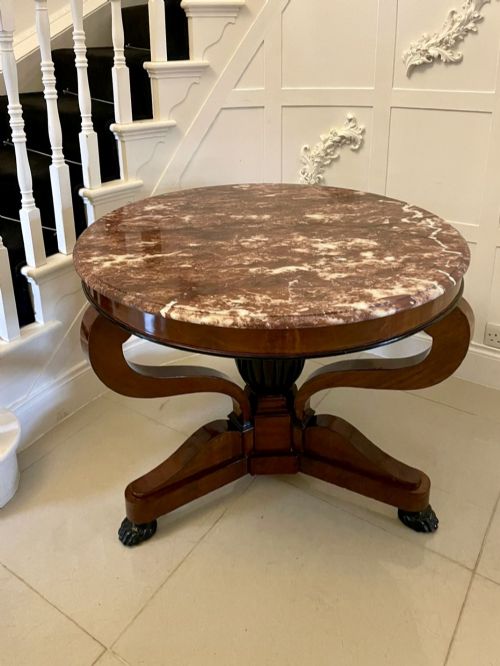
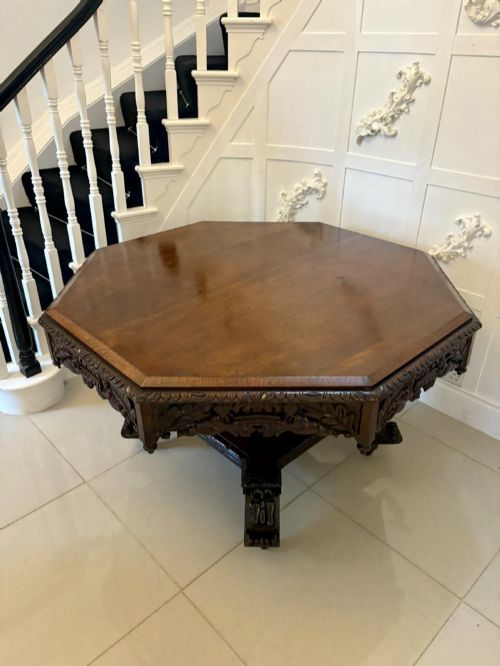
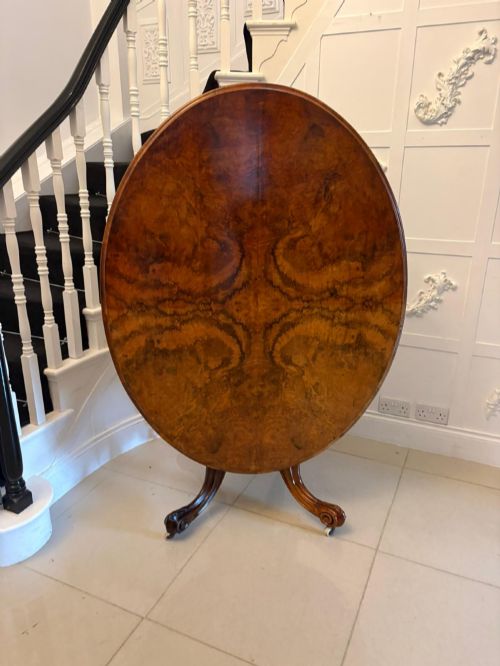
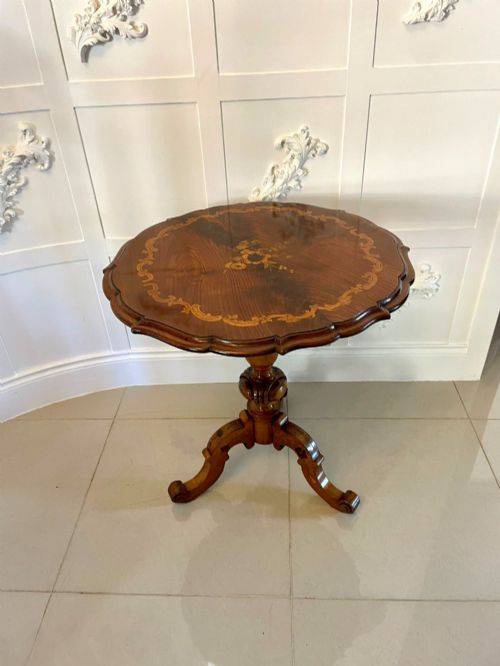
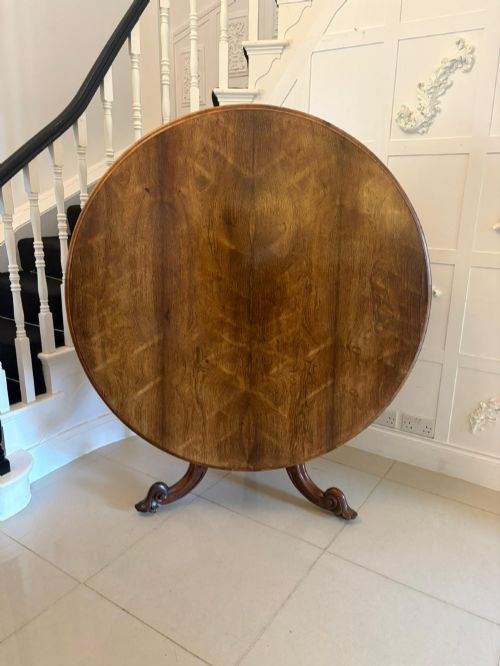
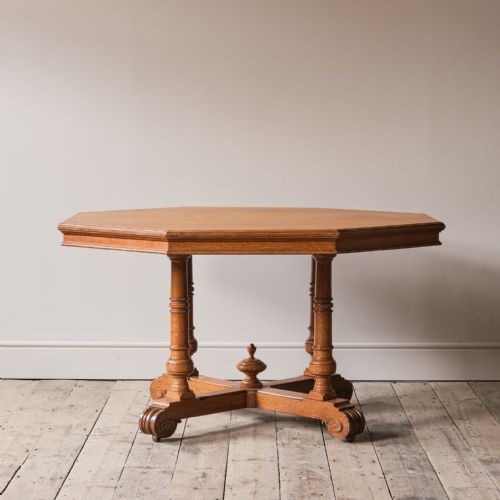
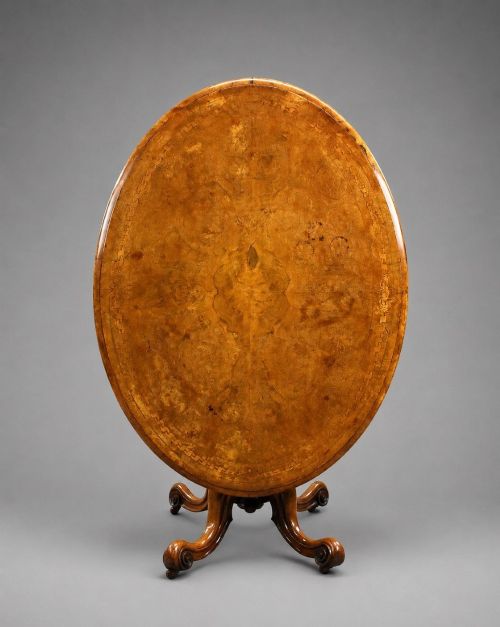
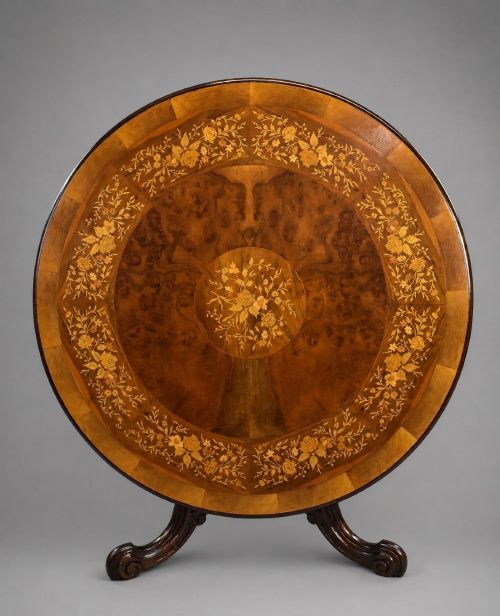
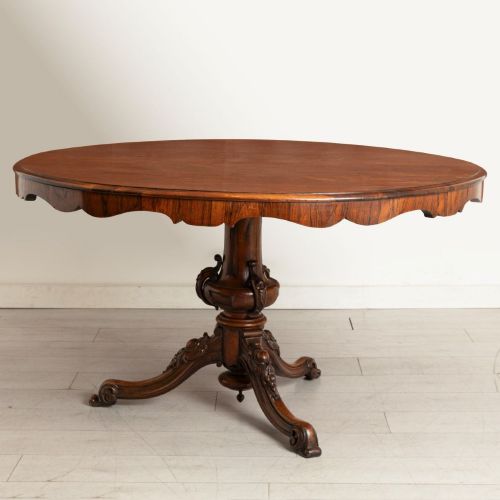
The material vocabulary spans rich rosewood, burr walnut, and figured mahogany, often shaped into circular, oval, or octagonal tops.
Many examples incorporate a tilt-top mechanism or marquetry and boxwood inlay, reflecting the varied domestic requirements of the nineteenth century.
Materials and Construction
Cabinet makers utilised dense hardwoods like mahogany and rosewood for structural stability, applying burr walnut veneers to display elaborate grain patterns.
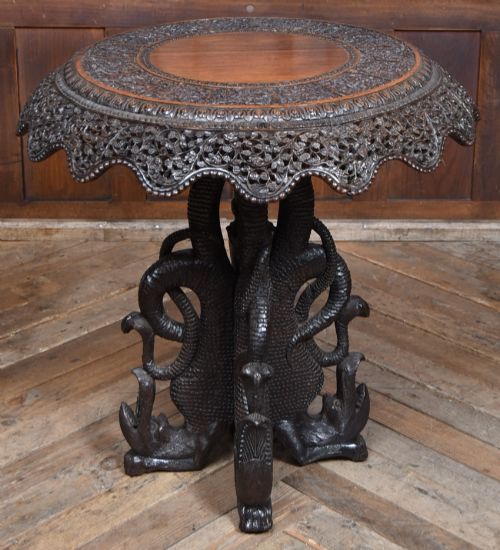
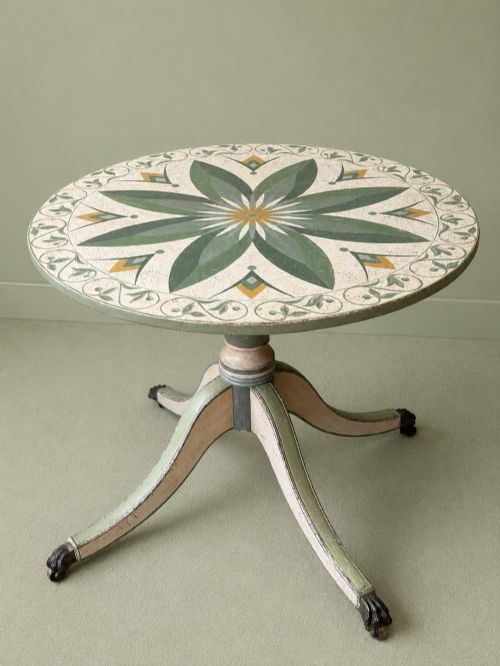
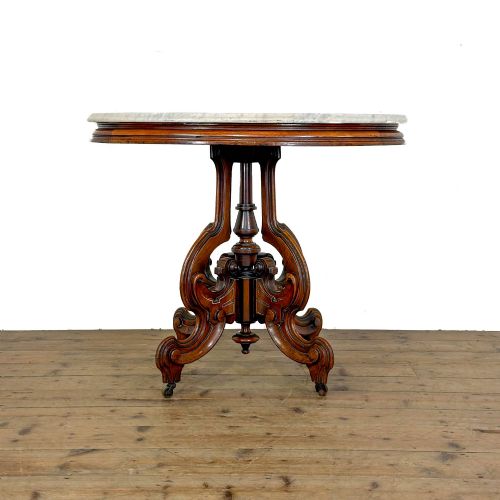
Carved wooden pedestals rest upon tripod or quadrapod bases, sometimes accented with brass castors and intricate floral ornamentation.
Inlay work combines lighter woods such as boxwood into dark walnut surfaces, creating geometric or botanical motifs.
Victorian Pedestal Centre Table Retail Price Guide 2026
Typical asking prices for victorian pedestal centre table among the pieces listed under this phrase on Sellingantiques today, from the lower quarter to the upper quarter. They describe what is for sale here now, not the wider market.
Listings feature woods including rosewood, burr walnut, mahogany, and oak across the nineteenth century.
Assessing the Standard
Quality rests upon the selection of timber veneers and the crispness of carved details upon the central pedestal and base.
Advanced marquetry and precise boxwood inlay separate standard utility tables from finer parlour and library pieces.
The structural integrity of the tilt-top mechanism and the weight of the supporting pillar dictate the piece's daily utility.
Gillows·Mein of Kelso
The Victorian Pedestal Centre Table Glossary
- Tilt-top
- A hinged table top that rotates to a vertical position when not in use. This mechanism allowed tables to be stored against walls in smaller nineteenth-century rooms.
- Burr walnut
- A figured wood veneer harvested from the wart-like growths on walnut trees. It provides turbulent, highly decorative grain patterns.
- Marquetry
- The art of applying pieces of veneer to a structure to form decorative patterns and pictures. It differs from inlay by assembling the design on a background sheet before gluing.
- Quadrapod base
- A pedestal support resting upon four feet or legs. This configuration offers stability for large oval dining and breakfast tables.
- Loo table
- A large round or oval table designed for the nineteenth-century card game loo. They typically feature tilt-top mechanisms for easy storage.
Victorian Pedestal Centre Table: Frequently Asked Questions
Where should I place a centre table?
Centre tables are traditionally designed to stand free in the middle of a room rather than pushed against a wall. Their finished undersides and balanced pedestals allow them to be viewed from all sides.
In modern interiors, they function effectively as dramatic focal points in large hallways, libraries, or drawing rooms where foot traffic can circulate freely around them.
How do I care for rosewood?
Rosewood surfaces benefit from minimal intervention, requiring only a soft, dry cloth for dusting. Direct sunlight and sudden changes in room humidity should be avoided to prevent the timber from drying out.
Applying a traditional beeswax polish occasionally helps nourish the grain and preserve the rich colour characteristic of nineteenth-century hardwoods.
How do I tell periods apart?
Early nineteenth-century examples often display the heavier, classical proportions of the Regency and William IV styles, utilising solid rosewood and robust architectural pedestals. Later Victorian pieces from the 1850s onward frequently showcase burr walnut veneers, intricate marquetry, and lighter oval formats.
Examining the construction methods underneath the top and the style of the carved base usually reveals the decade of manufacture.