
Mahogany Claw Foot Table
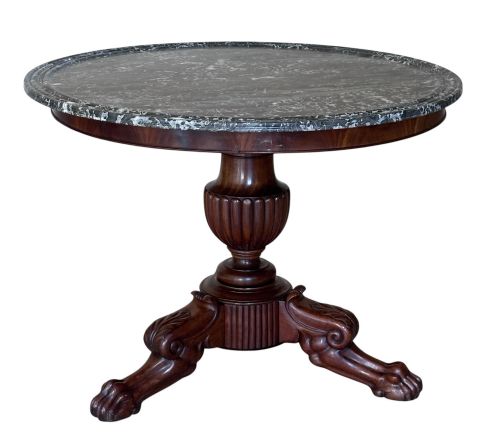
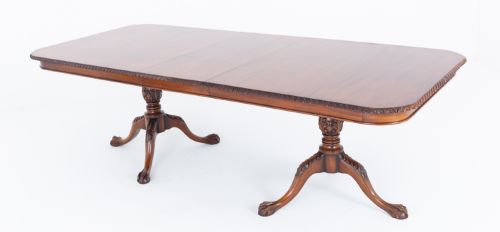
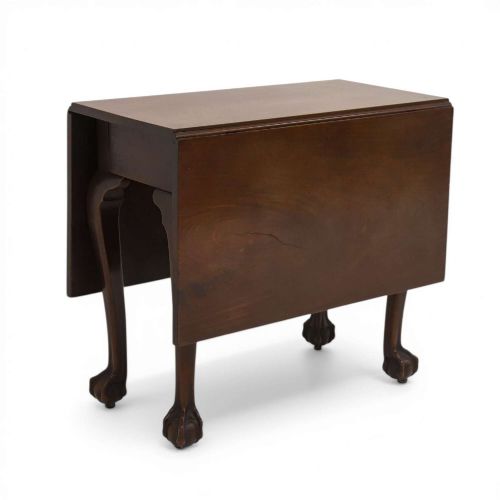
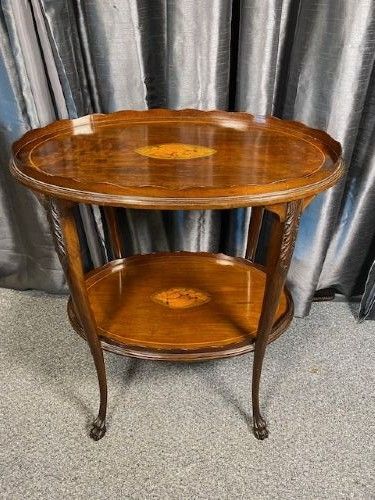
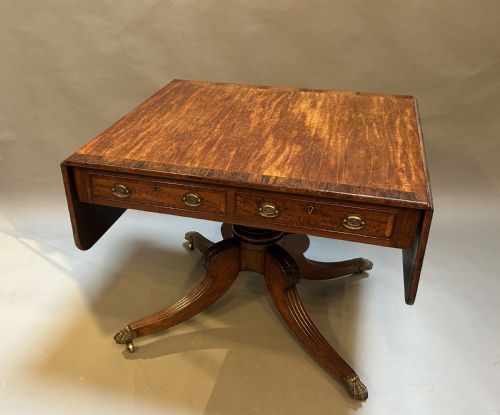
A mahogany claw foot table grounds a room with deep timber and carved supports, spanning card tables, dining tables, and centre tables.
Mahogany Claw Foot Table
When searching for a mahogany claw foot table, a buyer encounters a diverse group of domestic furnishings spanning the eighteenth, nineteenth, and early twentieth centuries. The selection encompasses dining tables, card tables, console tables, and occasional tripod pieces shaped by various revivals such as Chippendale, Regency, and Georgian styles.
Most examples originate from the nineteenth and early twentieth centuries, though earlier eighteenth-century forms appear alongside Edwardian interpretations. These tables serve practical functions in domestic interiors, operating as surfaces for dining, writing, or display.
The defining characteristic across the group is the timber and the foot support, uniting pedestal dining tables, tea tables, and serving tables under a common sculptural vocabulary.
How they were made
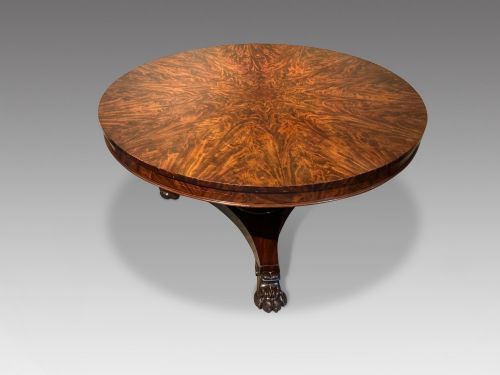
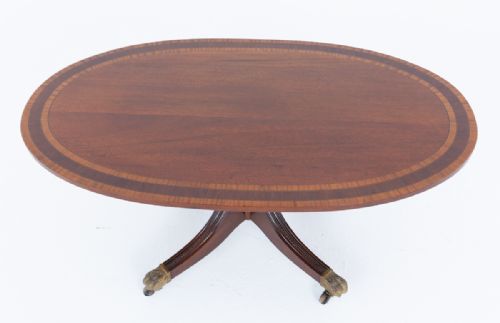
Construction relies heavily on solid mahogany and flame mahogany veneer, sometimes accented with satinwood or ebony stringing and supported by brass fittings or leather inserts on writing surfaces.
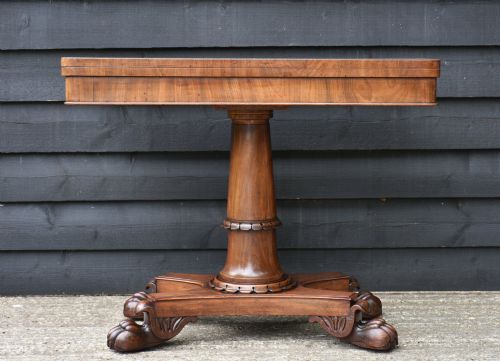
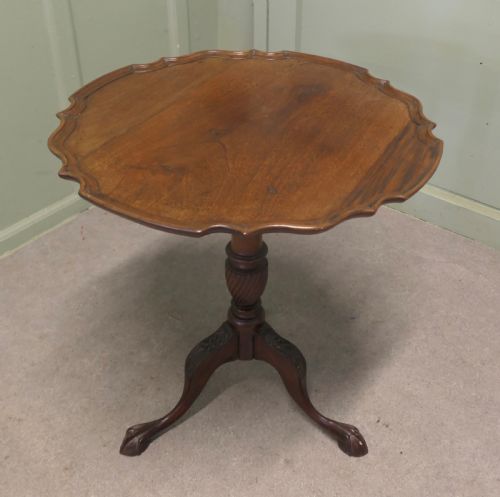
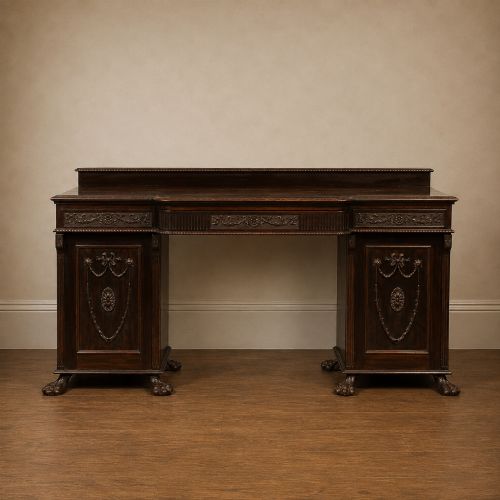
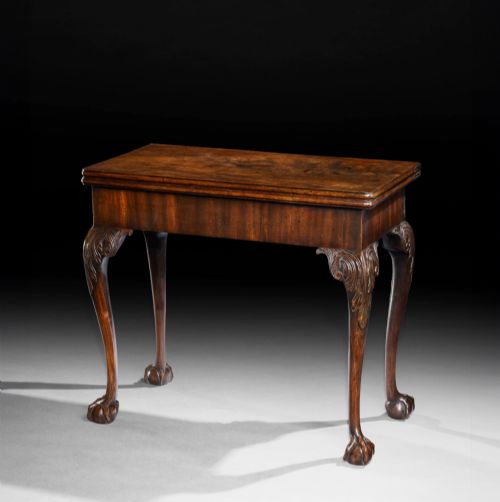
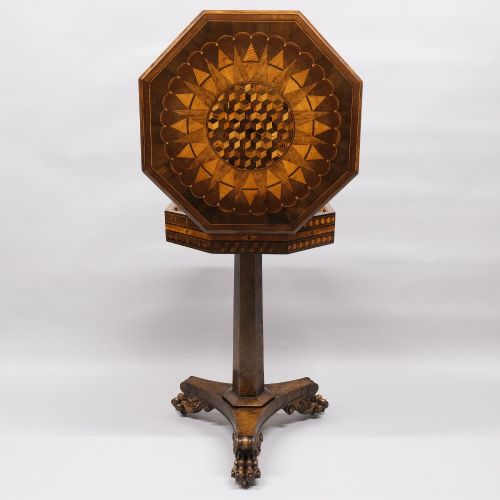
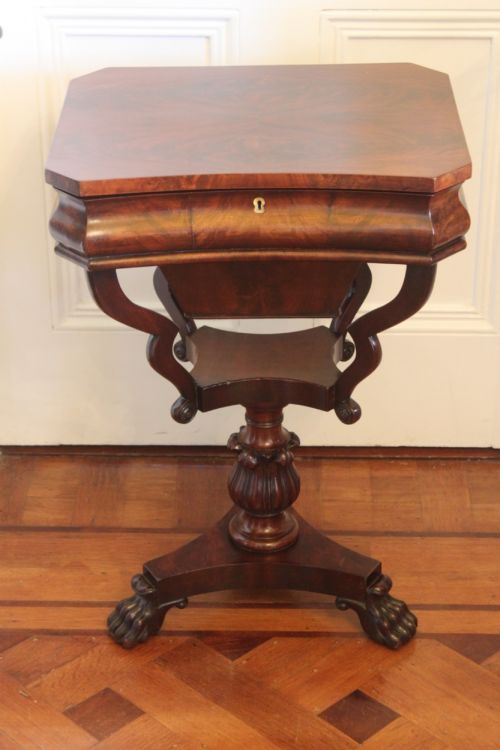
Carving defines the feet and legs, transforming solid timber into robust animal paws, scroll motifs, and classical claw-and-ball configurations that anchor heavy pedestals and cabriole frames.
Object types span centre tables, occasional tables, console tables, dining tables, coffee tables, card tables, desks, and serving tables.
What varies in quality
Quality rests upon the crispness of the hand-carving on the feet and the selection of the timber, where figured flame mahogany veneer demonstrates superior material choice.
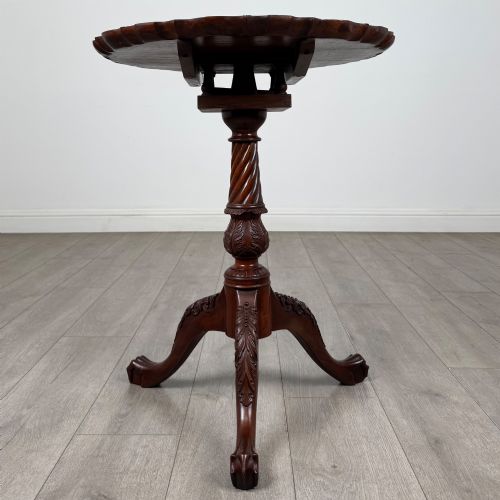
Structural integrity in mechanisms such as tilt-top birdcage pivots, concertina actions, and extending dining leaves distinguishes master cabinet work from standard production.
Giles Grendey·Ralph Turnbull·Gillows·Desbois & Wheeler
The Mahogany Claw Foot Table Glossary
- Claw foot
- A carved furniture foot resembling an animal paw or bird talon gripping a ball. This detail anchors the base of many classical tables.
- Tilt top
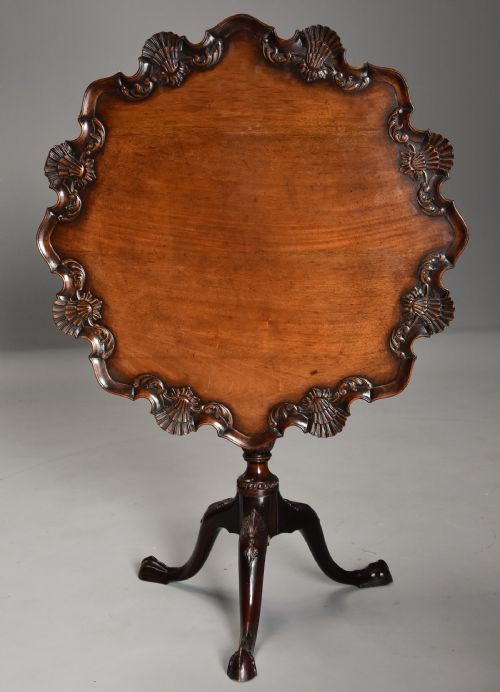
- A table top hinged to fold flat when not in use, often mounted on a tripod pillar with a birdcage mechanism. This design saved space in period rooms.
- Flame mahogany
- Timber cut from the fork of the mahogany tree to produce a rippling, flame-like grain pattern. Cabinet makers reserved this veneer for prominent surfaces.
- Concertina action
- An expanding table frame that opens like an accordion to support additional leaves. It allows card tables and dining tables to extend smoothly.
- Gueridon
- A small French round table supported by a central pillar or figures. These tables frequently feature marble tops and tripod bases.
Mahogany Claw Foot Table: Frequently Asked Questions
How do I identify a claw foot table?
Look at the base of the legs where carved wooden paws or talons grip a sphere or rest flat on the floor. These motifs often signal Georgian, Regency, or Victorian cabinet making.
Examine how the legs transition into the central column or apron to determine if the carving is integrated into the structural timber.
Were these tables used for dining?
Many larger examples function as dining surfaces, often utilising pedestals or extending frames to accommodate extra guests. Drop-leaf and concertina mechanisms provide flexibility in room layout.
Smaller variants serve as card tables, tea tables, or centre tables rather than primary dining furniture.
How do I care for mahogany surfaces?
Keep the timber away from direct sunlight and strong heat sources to prevent the mahogany and veneer from drying out or splitting. Dust regularly with a soft, dry cloth.
Apply quality wax sparingly to maintain the natural lustre of the polished wood without building up heavy residue.
What is a tilt top mechanism?
A tilt top mechanism allows the surface of the table to pivot vertically parallel to the pedestal shaft. This enabled tables to stand against walls when not in use.
Many incorporate a birdcage catch that lets the top rotate as well as tilt.