
Victorian Oak Seating
Victorian oak seating brings solid timber and sturdy craftsmanship into daily use, offering robust chairs, benches, and stools built to last generations.
Victorian Oak Seating
Victorian oak seating encompasses a broad array of functional furniture designed for domestic and public interiors during the nineteenth century. Buyers searching for this phrase encounter everything from grand dining sets to utilitarian stools and hallway settles.
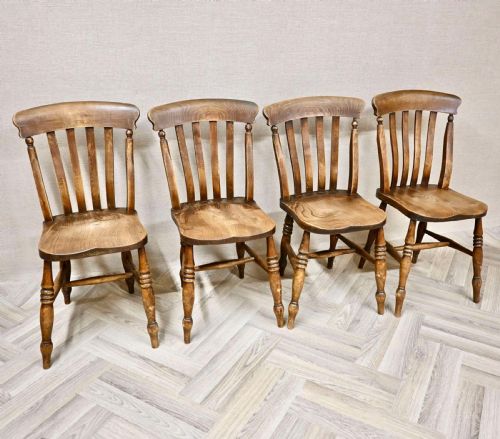
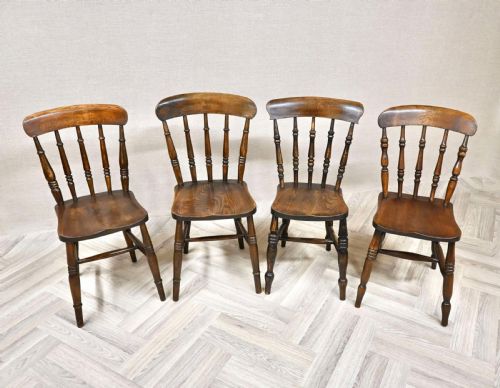
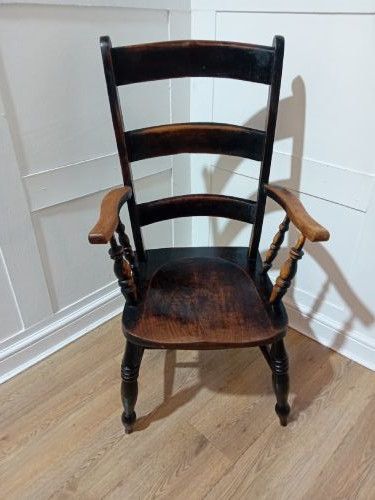
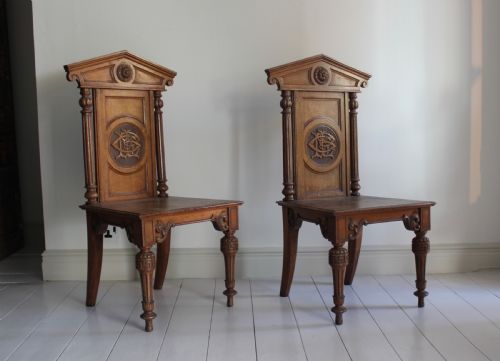
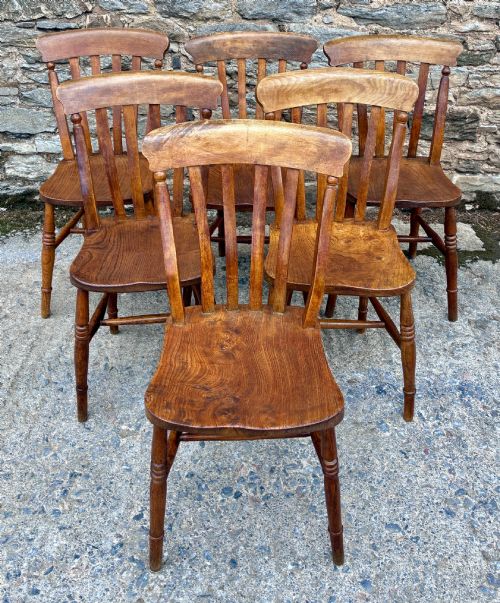
The regional country pieces, including Windsor chairs and Welsh benches, appear frequently alongside formal Gothic Revival dining chairs. Elm, ash, and beech often supplement the primary oak framework in these traditional vernacular designs.
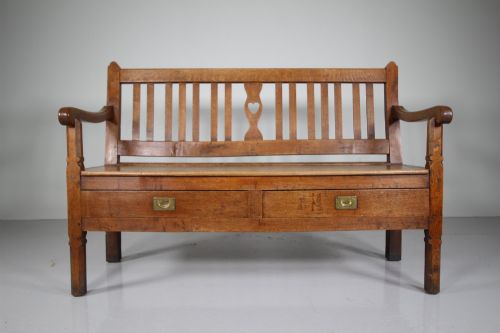
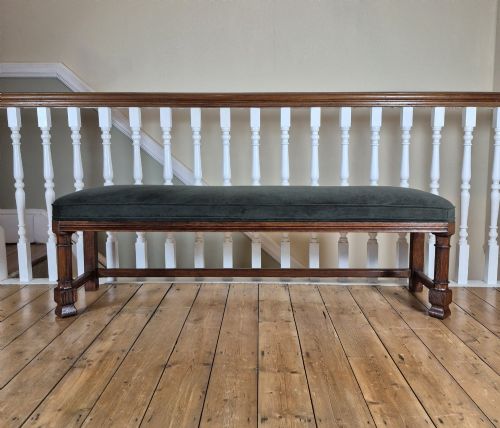
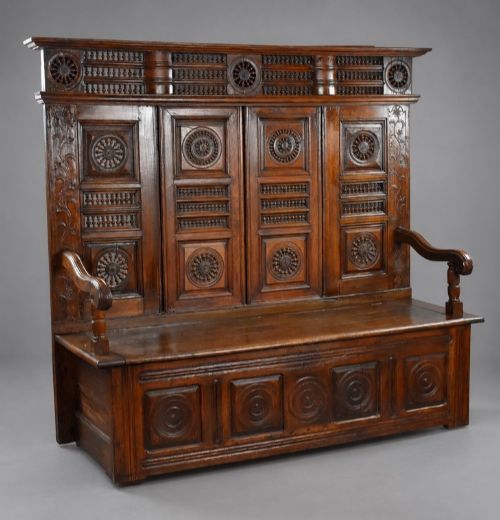
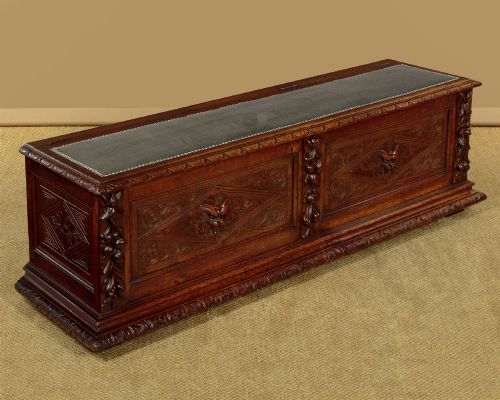
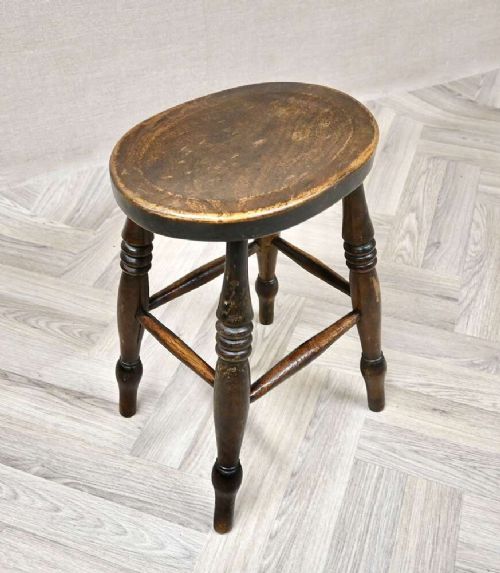
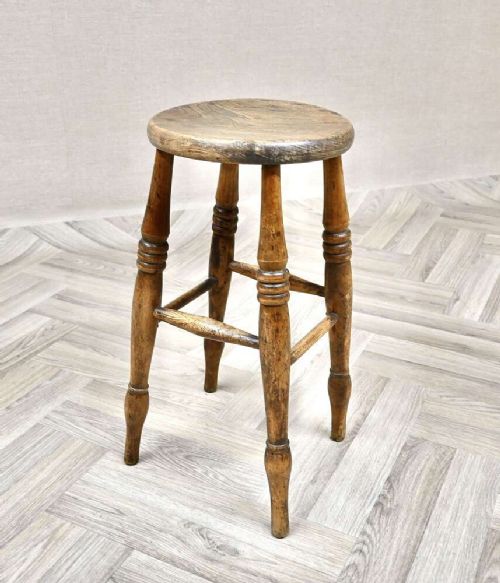
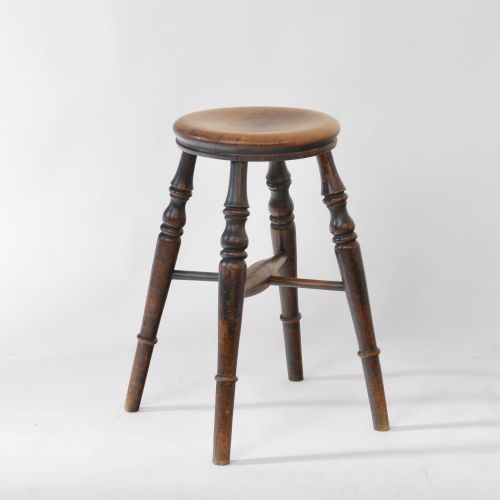
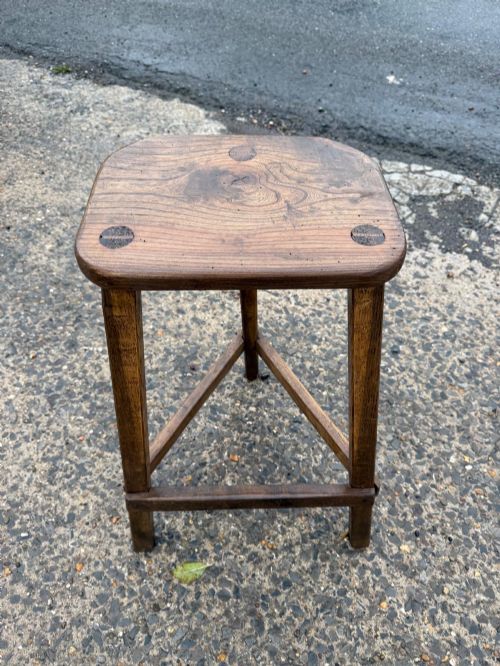
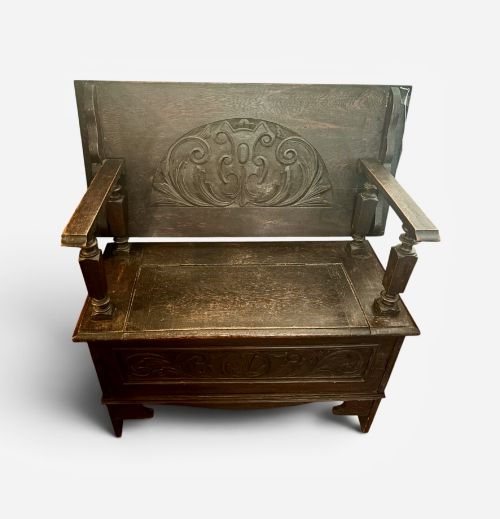
Hall benches and settles provide multi-functional storage solutions with carved panels and hinged seats. Meanwhile, specialised forms like clerk's stools, desk chairs, and tavern seating reflect the diverse commercial and domestic needs of the period.
Materials and construction
Carpenters utilised durable native timbers such as oak, elm, and sycamore, often combining them with brass hardware, leather, fabric, and velvet upholstery. Turned spindles, pegged joints, and steam-bent components formed the structural backbone of Windsor and country kitchen chairs.
Carved decoration ranged from geometric Gothic tracery to elaborate foliate motifs on high-back dining chairs and hall settles. Original wax finishes and surface patination developed through decades of domestic handling and maintenance.
Victorian Oak Seating Retail Price Guide 2026
Typical asking prices for victorian oak seating among the pieces listed under this phrase on Sellingantiques today, from the lower quarter to the upper quarter. They describe what is for sale here now, not the wider market.
Listings feature nineteenth-century seating constructed from oak, elm, beech, and ash, incorporating leather and velvet upholstery.
Evaluating quality and construction
The integrity of the original timber frame and the crispness of hand-carved details distinguish superior examples from standard production. Uniformity across matched sets of dining chairs indicates a unified workshop origin rather than later assembly.
Surviving original upholstery materials, embossed leather panels, and untouched surface finishes elevate a piece's historical integrity. Structural soundness in joints and the retention of maker attribution marks further define the upper tier of the market.
Gillows
The Victorian Oak Seating Glossary
- Windsor chair
- A wooden chair featuring a saddle-shaped seat into which the legs and back spindles are directly dowelled. This regional form evolved through numerous local variations including hoop backs and lathe backs.
- Settle
- A wooden bench with high backboards, solid arms, and an enclosed base often used as a storage box. They stood near hearths to block drafts in period interiors.
- Gothic Revival
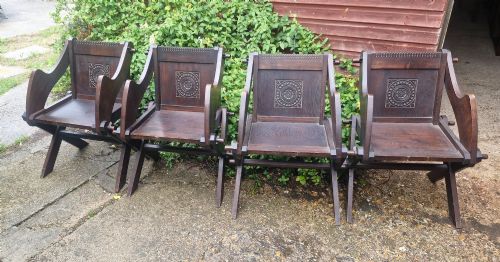
- An architectural and decorative style drawing inspiration from medieval forms. Pieces in this idiom display pointed arches, tracery, and heavy carved oak construction.
- Lathe back
- A chair back constructed with horizontal slats turned on a lathe rather than vertical spindles. This design appeared frequently in nineteenth-century country seating.
- Box settle
- A hall seat incorporating a hinged lid that opens to reveal a storage compartment beneath the bench. These multi-functional items placed practicality at the centre of domestic organisation.
Victorian Oak Seating: Frequently Asked Questions
What defines Victorian oak seating?
These pieces combine nineteenth-century manufacturing methods with sturdy timbers, utilising oak alongside elm and beech for everyday durability. Forms range from simple kitchen stools to formal dining suites and carved hall benches.
Makers incorporated regional styles, including Gothic Revival details and Windsor construction techniques. This variety reflects the diverse domestic and public interiors of the era.
How do I care for oak furniture?
Maintain timber surfaces by applying appropriate natural waxes periodically to protect the grain and preserve the finish. Avoid placing pieces near direct heat sources or in fluctuating humidity to prevent wood splitting.
Clean upholstery gently with dry methods suited to the specific material, whether leather, velvet, or woven fabric. Regular dusting keeps organic particles from settling into carved recesses.
Were these chairs used for dining?
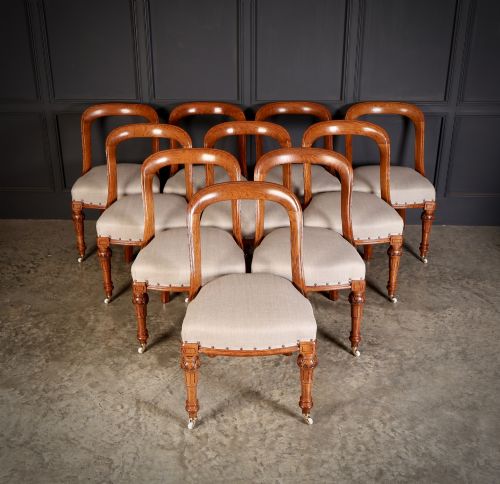
Many sets were produced specifically for formal dining rooms, often numbering six, eight, ten, or twelve matching chairs. These formal versions frequently featured upholstered seats and carved high backs.
Kitchen and Windsor variants served less formal dining functions in domestic settings. Their sturdy construction accommodated heavy daily use by families.
How are periods identified?
Construction methods, tool marks, and fastener types offer primary clues for dating nineteenth-century items. Hand-cut joinery and pegged assemblies generally point to earlier workshop traditions.
Stylistic shifts, such as the mid-century rise of Gothic Revival motifs or later Victorian eclecticism, help narrow down the decade of production. Surviving maker marks or labels provide definitive chronological evidence.