
Victorian Oak Seat
When you examine a victorian oak seat, you encounter solid timber seating built for endurance, from heavy panelled hall benches to vernacular kitchen chairs.
Victorian Oak Seat
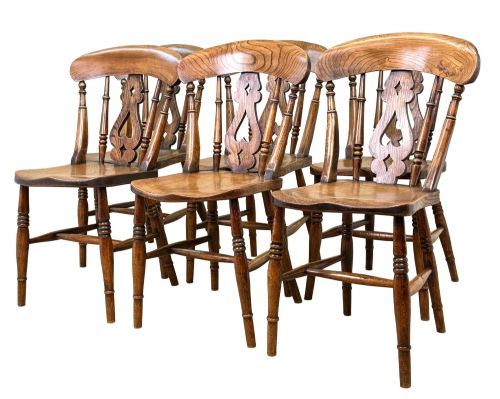
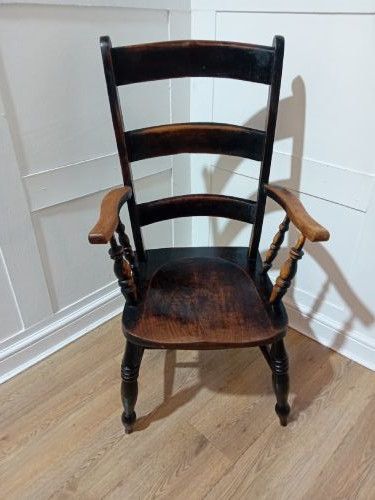
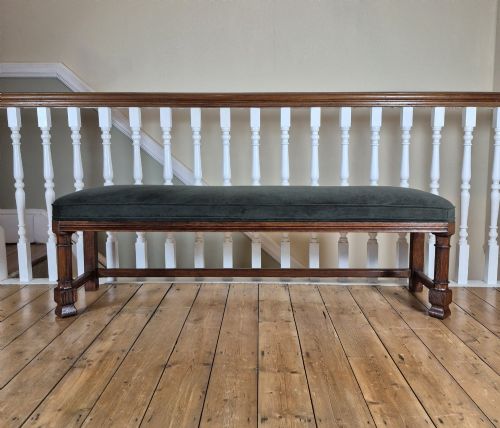
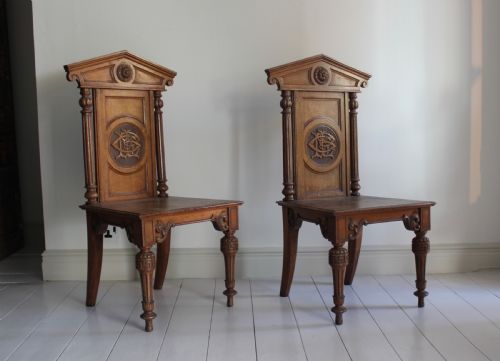
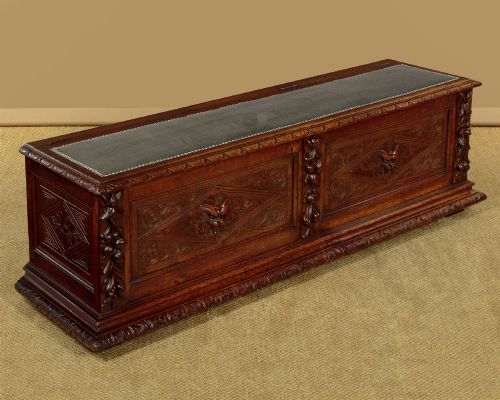
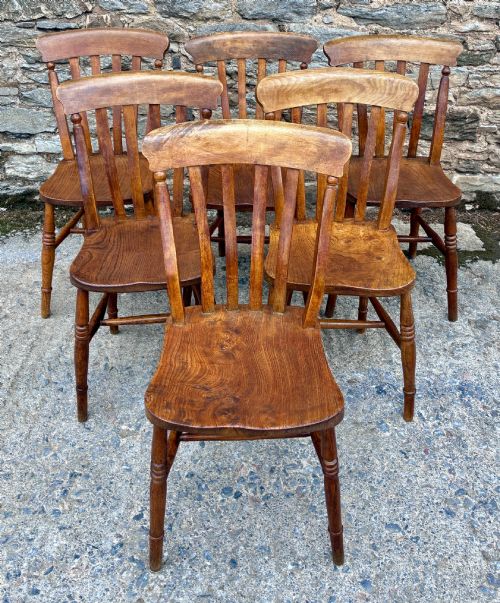
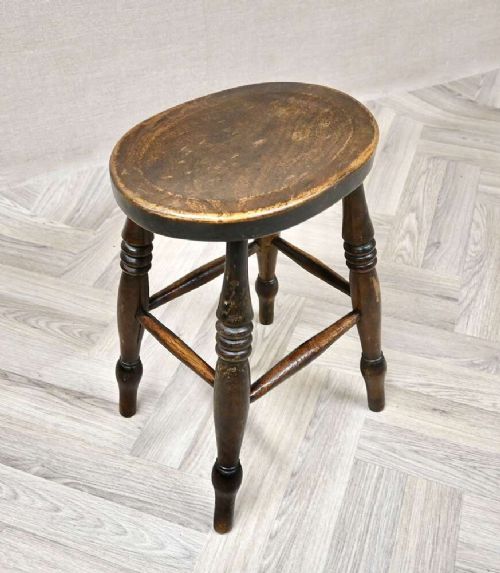
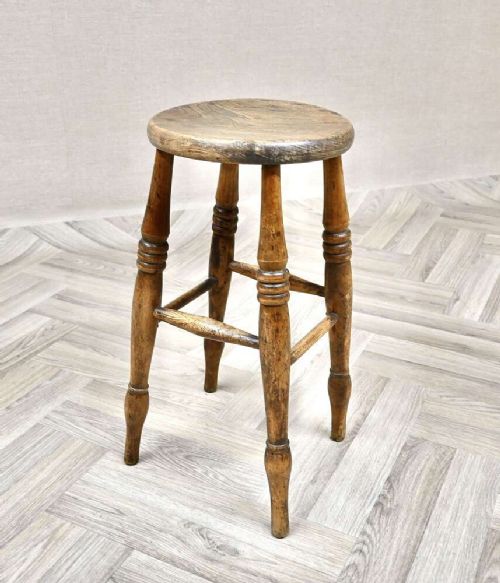
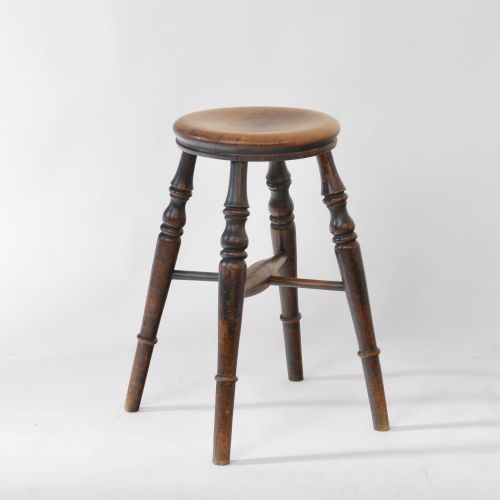
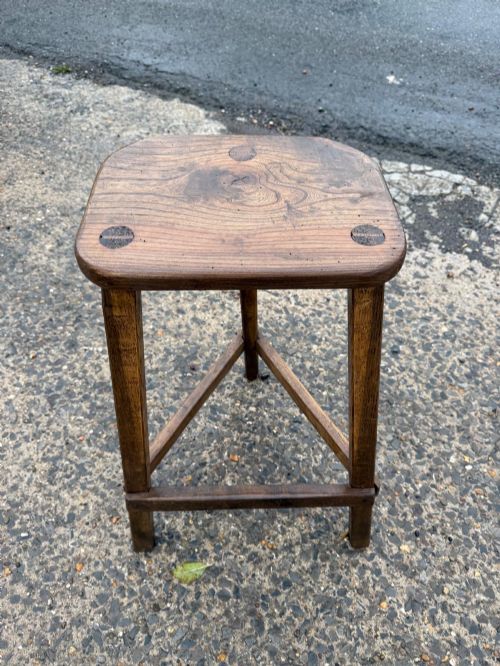
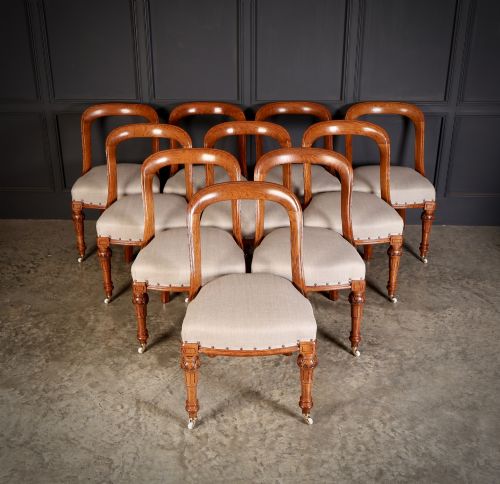
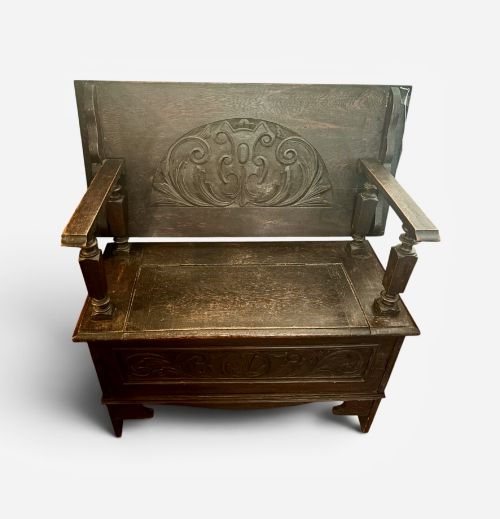
A victorian oak seat encompasses a wide domestic vocabulary, spanning sturdy dining chairs, substantial hall benches, monk's seats with folding table backs, and practical stools. You will frequently find pieces rooted in vernacular country traditions alongside more formal Gothic Revival designs intended for domestic halls or dining rooms.
The material record points heavily to nineteenth-century production, with specific dates clustering around the decades of 1870, 1880, and 1890. These items served utilitarian purposes in homes, farmhouses, and public taverns, surviving through robust construction and dense native timber.
Evaluating Construction and Character
The distinction between standard utility furniture and superior pieces rests on the weight of the timber and the depth of the carving. Finely executed pieces display crisp joinery, uncompromised structural integrity, and integration of secondary woods that complement the primary oak framework.
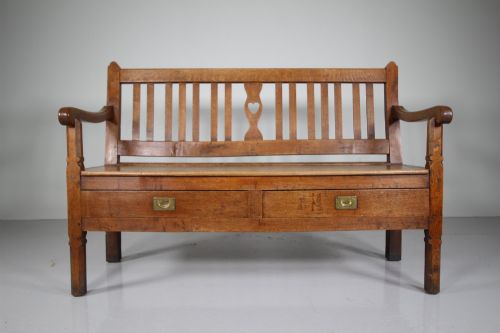
Originality of surface finish and hardware, such as brass fittings or working hinges on box seats and monk's benches, elevates an example. Pieces retaining their early patina without excessive modern intervention demonstrate greater historical integrity.
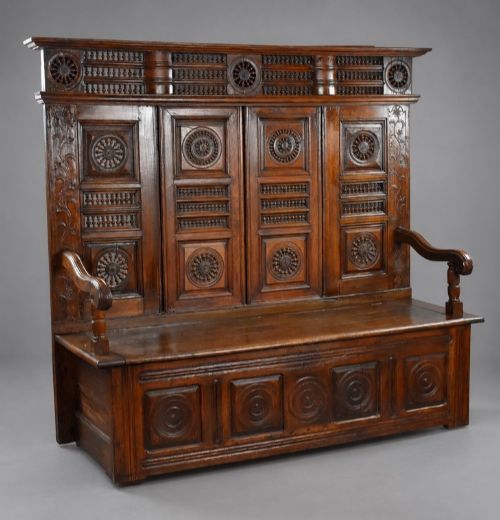
Several heavy hall benches watch over your hallway with carved wooden Green Man faces peering out from the back panels.
GIllows
The Victorian Oak Seat Glossary
- Monk's bench
- A multi-functional hall seat featuring a hinged back that folds down over the arm supports to form a small table. This clever duality made it popular in compact nineteenth-century hallways.
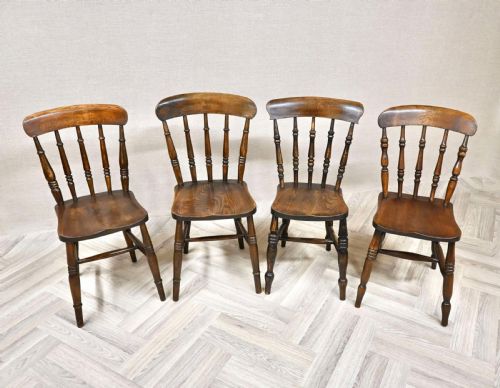
- Windsor chair
- A traditional seating form characterised by turned legs and spindles socketed directly into a solid wooden seat. Country variations often utilise elm or sycamore for the shaped seat base.
- Settle
- A high-backed wooden bench with solid arms and an enclosed base designed to block draughts in large farmhouse kitchens. Many Victorian examples incorporate hinged lids creating integrated box storage.
- Gothic Revival
- An architectural and decorative style drawing inspiration from medieval forms. Pieces display pointed arches, trefoils, and heavy carved tracery.
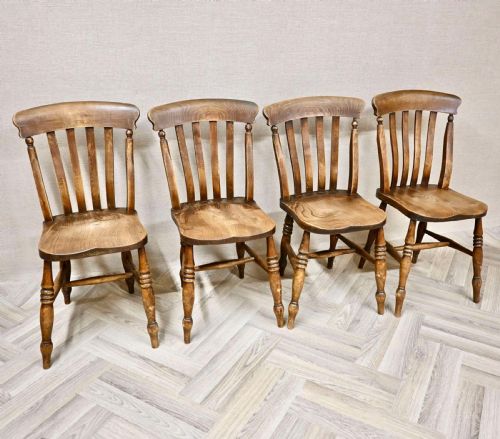
- Lathe back
- A chair construction featuring flat or rounded horizontal wooden slats secured across the backrest frame. This vernacular design appears frequently in regional kitchen seating.
Victorian Oak Seat: Frequently Asked Questions
Where were these benches placed?
These pieces sat primarily in entrance halls, passages, and large farmhouse kitchens where durability mattered most. They provided a practical place to pull off muddy boots or wait by the door.
In larger houses, hall benches doubled as decorative statements reflecting the architectural style of the interior, often matching nearby dining furniture.
Are these chairs comfortable for daily use?
Solid timber seats offer firm support rather than plush cushioning, reflecting the practical domestic requirements of the nineteenth century. Many feature sculpted or dished wooden seats shaped to fit the body.
Adding a loose squab cushion allows you to use these chairs daily around a dining table or desk without losing the historic character of the timber.
What is a Windsor oak seat?
A Windsor version combines turned upright legs and slender back spindles socketed into a thick, saddle-shaped wooden base. Makers frequently used elm or sycamore for the seat itself because those woods resisted splitting.
This method produced lightweight yet rigid seating suited to heavy domestic service in country kitchens.