




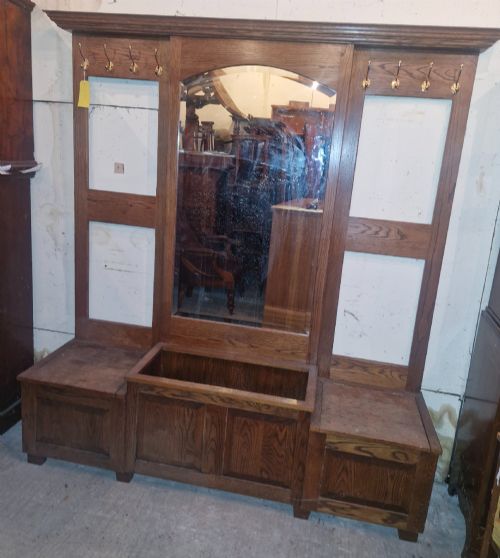
Victorian Oak Mirror
When you handle a victorian oak mirror, you hold a piece of sturdy nineteenth-century craftsmanship built to anchor a room.
Victorian Oak Mirror
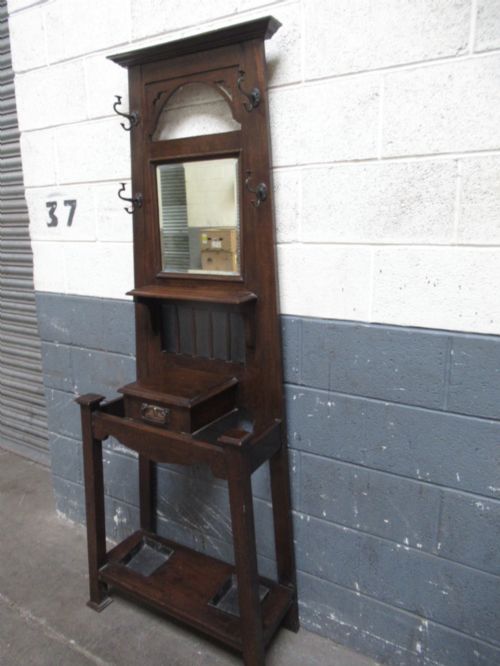
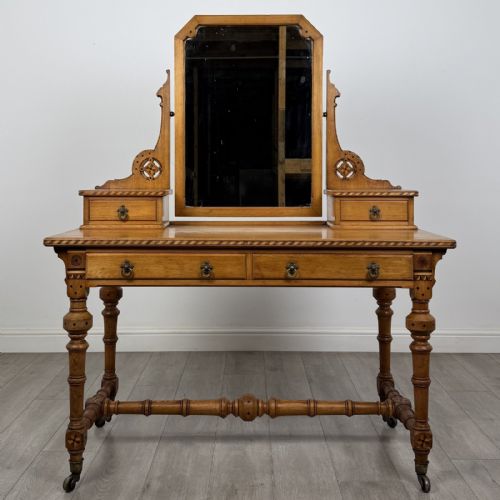
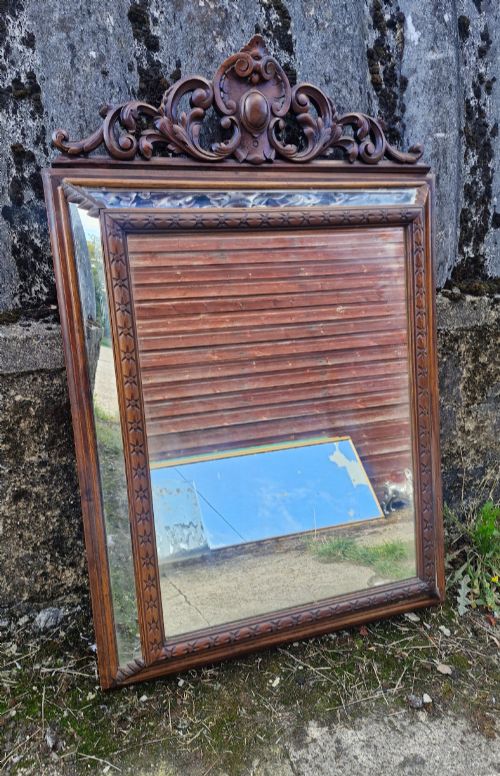
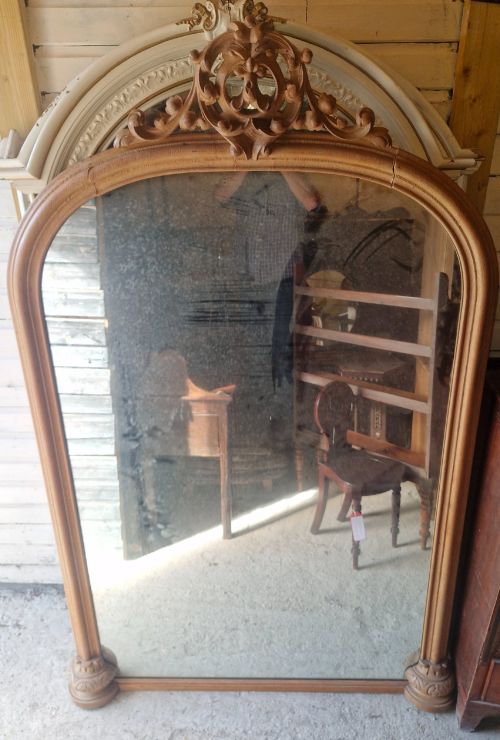
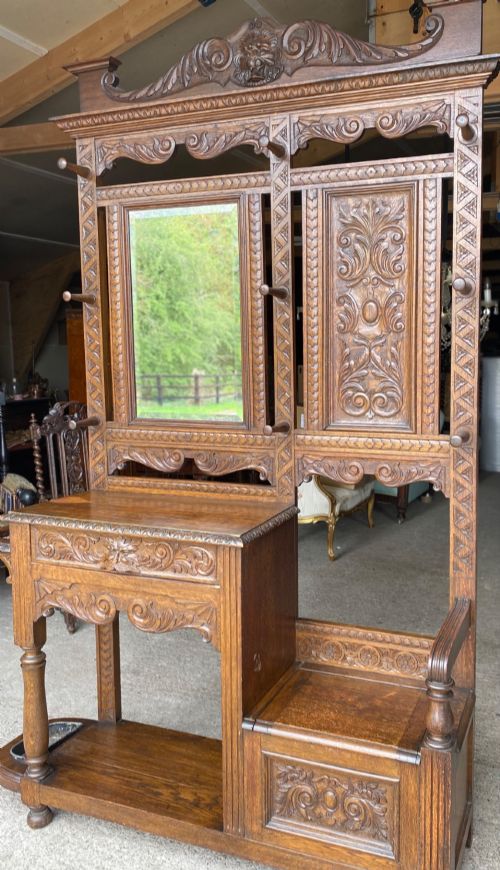
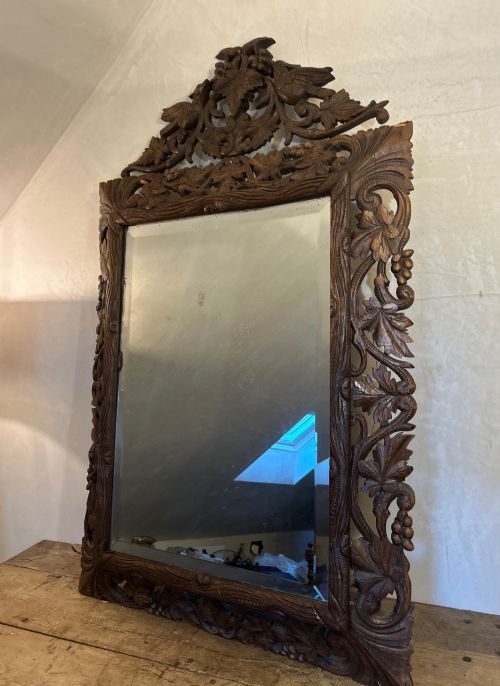
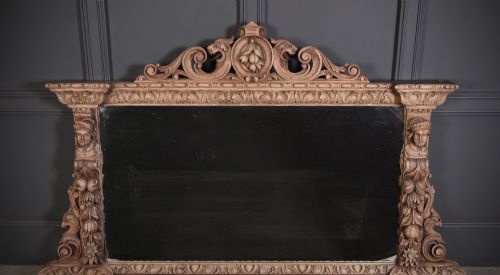
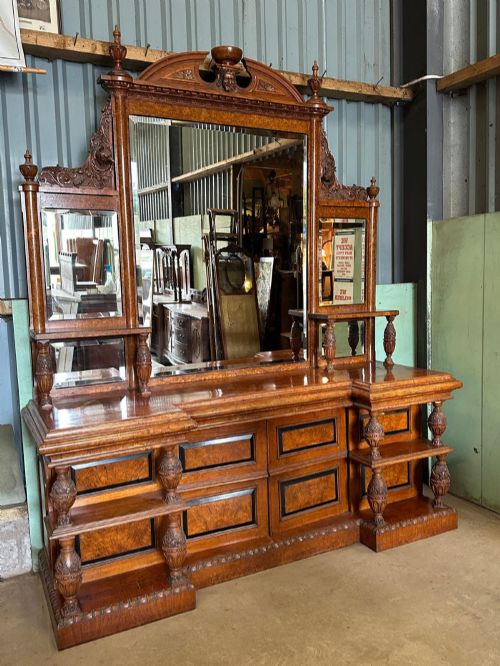
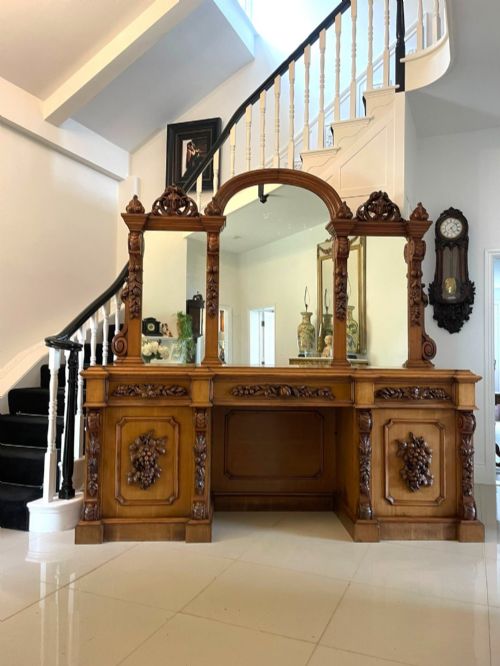
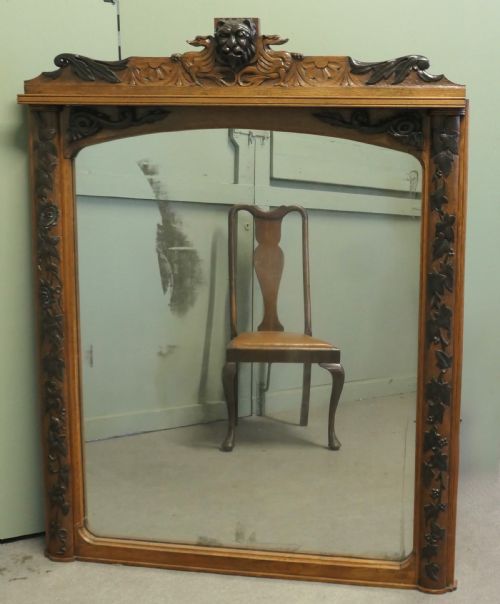
A victorian oak mirror is a solid wooden looking glass made during the nineteenth century, often found framed with deeply carved foliage, architectural moulding, or heraldic motifs. You are most likely to meet wall-hung rectangular versions, grand overmantel pieces designed for fireplaces, and hall stand combinations fitted with coat hooks.
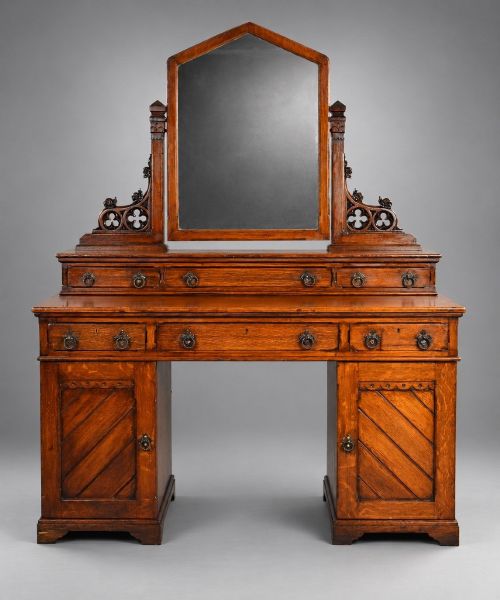
These items reflect the robust aesthetic of the period, drawing on Gothic Revival, Renaissance Revival, and Arts and Crafts influences. They served practical domestic roles in parlours, hallways, and dressing rooms while displaying the substantial grain of native and imported oak timbers.
How they were made
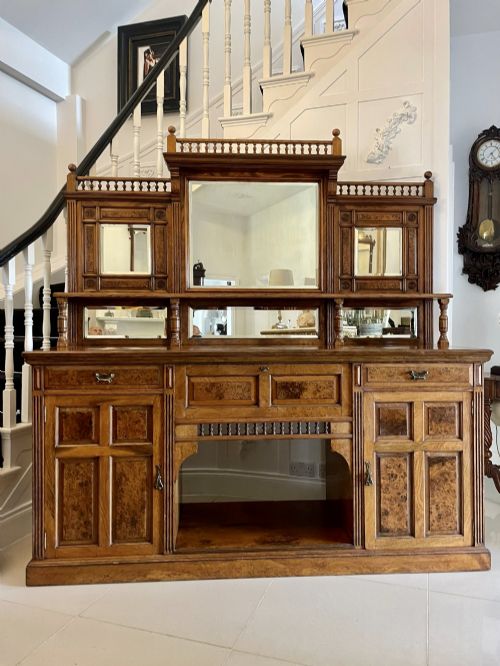
Cabinetmakers constructed these frames using solid oak or select pollard oak veneers, shaped with hand-chiselled carvings and secured with traditional joinery. Brass fittings, iron hooks, and bevelled mirror glass were integrated into the heavier wall and mantel designs.
Finishes ranged from natural golden oak waxes to deeper ebonised treatments, depending on the fashionable style of the specific decade between eighteen-fifty and nineteen-hundred.
Victorian Oak Mirror Retail Price Guide 2026
Typical asking prices for victorian oak mirror among the pieces listed under this phrase on Sellingantiques today, from the lower quarter to the upper quarter. They describe what is for sale here now, not the wider market.
Some hunting lodge pieces feature fierce carved lion pediments and Green Man masks keeping watch over your hallway coats.
What varies in quality
The distinction between standard utility items and superior examples lies in the depth and crispness of the wood carving, particularly around pediments and corners. Maker attribution, such as work associated with James Schoolbred, elevates a piece through refined proportions and superior timber selection.
The integrity of the original mirror glass and the retention of matching brass hardware or integrated structural elements further separate workshop production from mass-market output.
Liberty and Co·Garnett and Sons·Charles Bevan
The Victorian Oak Mirror Glossary
- Overmantel mirror
- A large looking glass specifically proportioned to hang on the wall directly above a fireplace mantelpiece. These often feature extensive architectural framing or carved crests.
- Pollard oak
- A timber taken from trees that have been pollarded, producing a dense, highly figured grain pattern with clustered knot formations. Cabinetmakers prized this material for decorative veneer panels.
- Gothic Revival
- An architectural and decorative style popular during the nineteenth century that emulates medieval forms, featuring pointed arches, tracery, and heavy carved mouldings. Pieces in this taste display severe, imposing lines.
- Bevelled glass
- Mirror glass with an angled edge ground down to a thinner profile around the perimeter. This technique adds depth and catches light differently than flat, unworked plate glass.
Victorian Oak Mirror: Frequently Asked Questions
Where should I hang a large overmantel mirror?
These large frames suit placement directly above a living room fireplace, where they reflect light and anchor the vertical space of the wall.
Ensure the wall fixings engage securely with structural studs or masonry to support the considerable weight of solid oak and heavy plate glass.
How do I clean an antique oak frame?
Dust the carved wooden surfaces gently with a dry, soft cloth to prevent particulate buildup in the recesses of the relief work.
Apply a traditional beeswax polish sparingly once or twice a year to nourish the timber and maintain a soft, natural sheen.
Are these mirrors suitable for hallways?
Many surviving examples were made specifically for entrance spaces as standalone hall stands or wall-mounted racks featuring integrated umbrella stands and coat hooks.
They offer a practical combination of a checking glass and storage utility that suits narrow thoroughfares.
How can I tell a Victorian piece from later copies?
Examine the construction joints, the backing boards, and the mounting hardware for signs of age-appropriate hand-tool work rather than modern machine production.
Original nineteenth-century pieces typically exhibit heavier oak scantlings, hand-bevelled glass variations, and oxidized brass screws.