

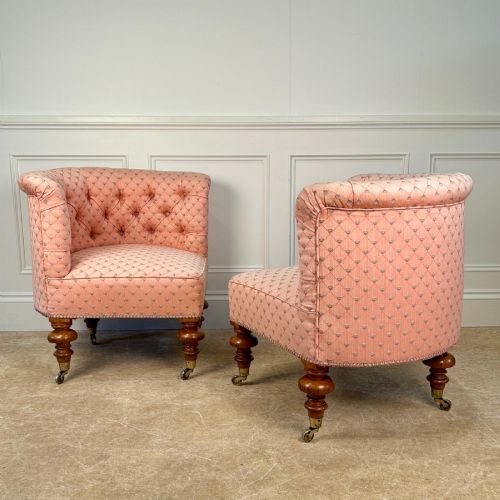
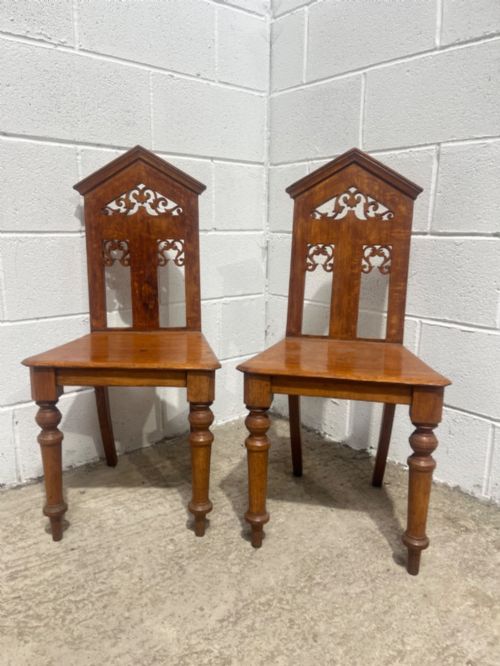
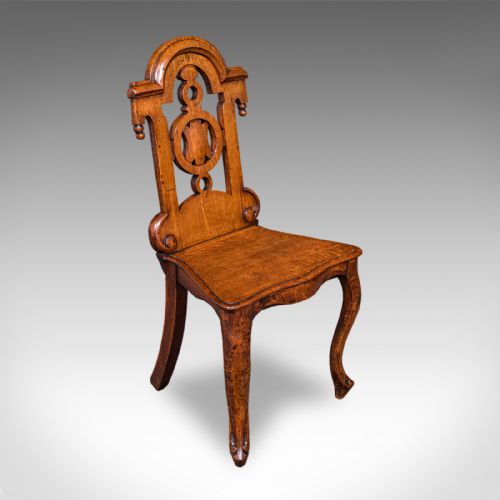
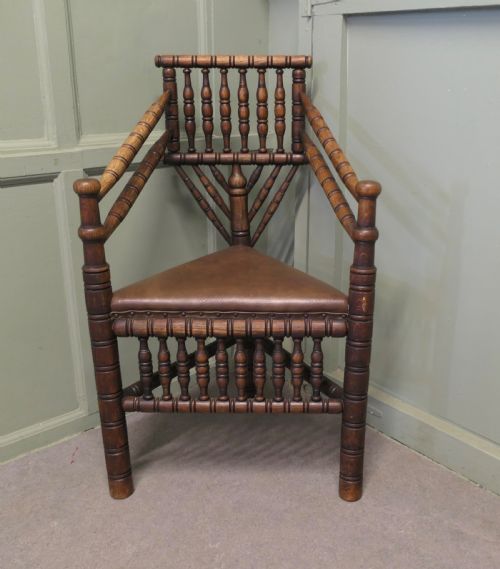
Victorian Oak Accent Chair
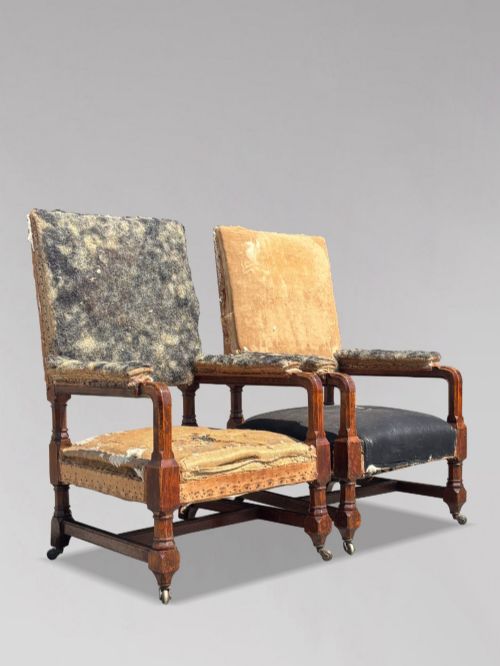
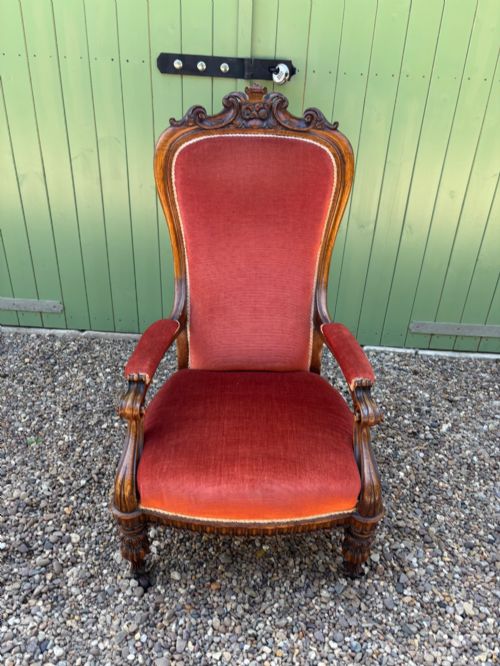
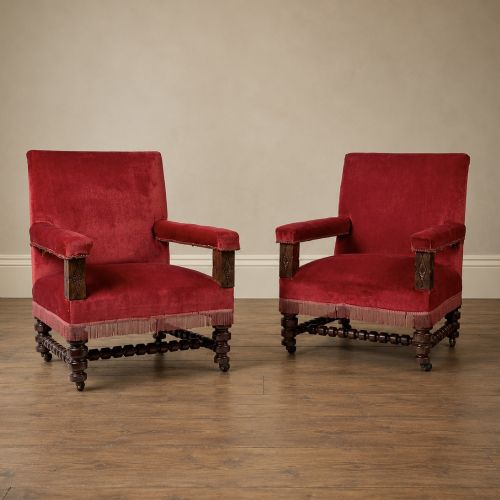
These nineteenth-century oak accent chairs combine robust native timbers with the exuberant revival styles of the Victorian era.
Victorian Oak Accent Chair
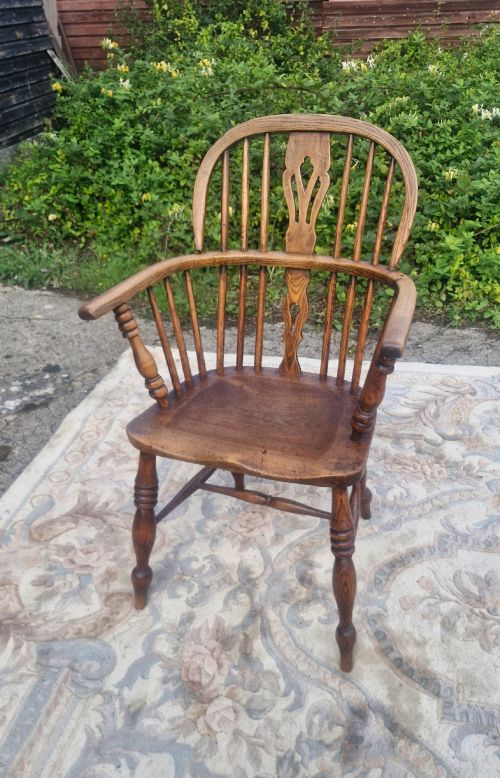
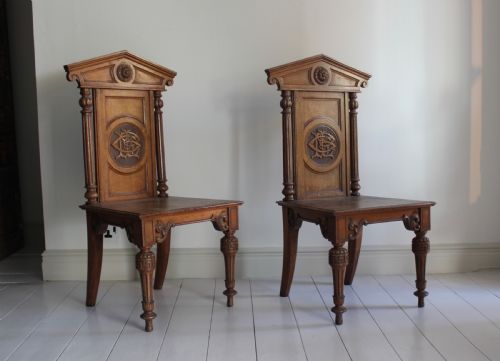
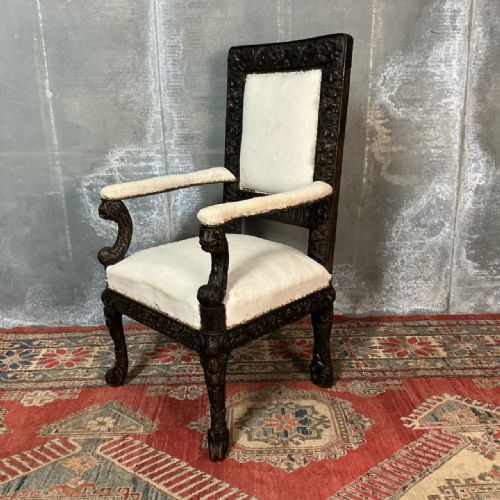
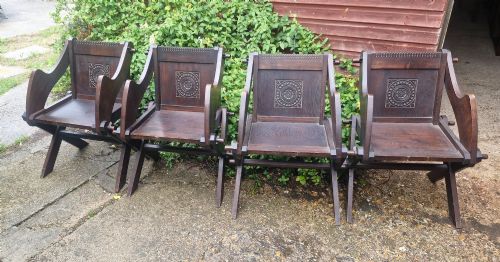
A Victorian oak accent chair functions as a decorative and functional seat, drawing upon diverse historical revivals popular during the nineteenth century. Buyers encounter forms ranging from sturdy hall chairs and side chairs to low-back Windsor armchairs, gossip chairs, and grand Gothic revival library armchairs.
The selection spans periods from the mid-nineteenth century through to Edwardian interpretations, reflecting the eclectic tastes of the era. Makers utilised oak supplemented by elm, beech, and ash, often incorporating turned spindles, carved heraldic shields, or upholstered panels.
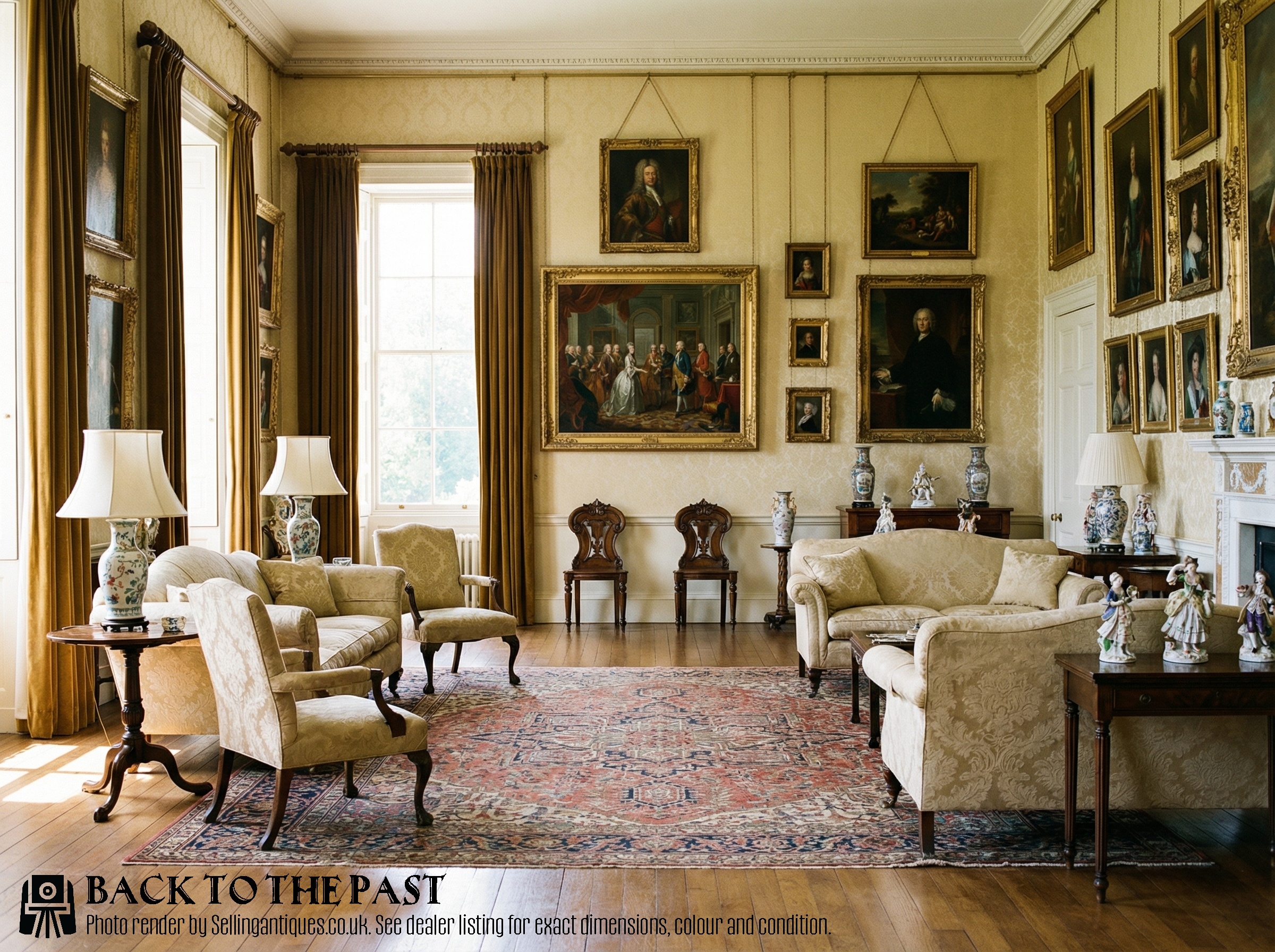
While many examples serve as occasional seating in reception halls or bedrooms, others present substantial proportions suited to principal rooms. The overarching design vocabulary borrows heavily from Gothic, Jacobean, and Renaissance revivals, producing seating that commands attention within a modern interior.
Materials and construction methods
Solid oak forms the structural core of these chairs, frequently paired with secondary native hardwoods such as elm, beech, and ash for turnings and framing. Joinery relies on traditional pegged mortise and tenon construction, ensuring long-term stability across heavy armchairs and lighter side chairs alike.
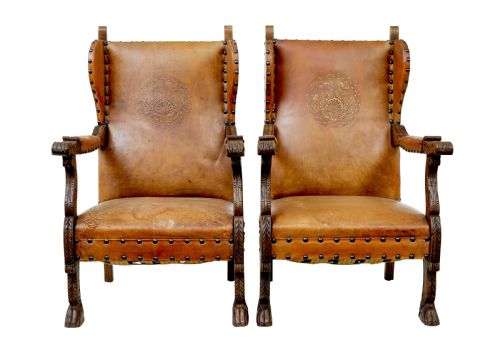
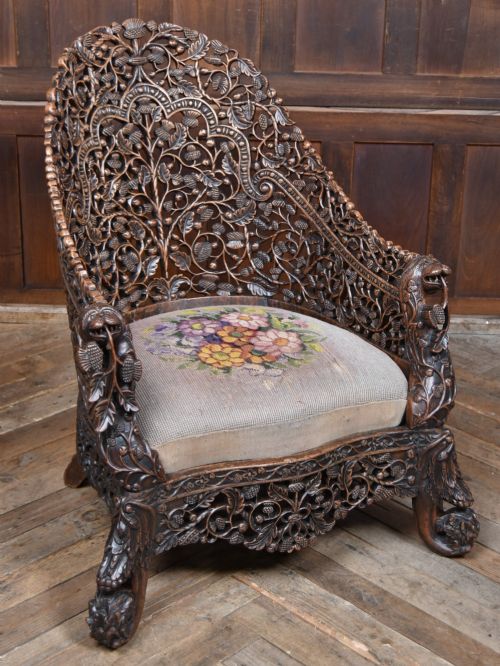
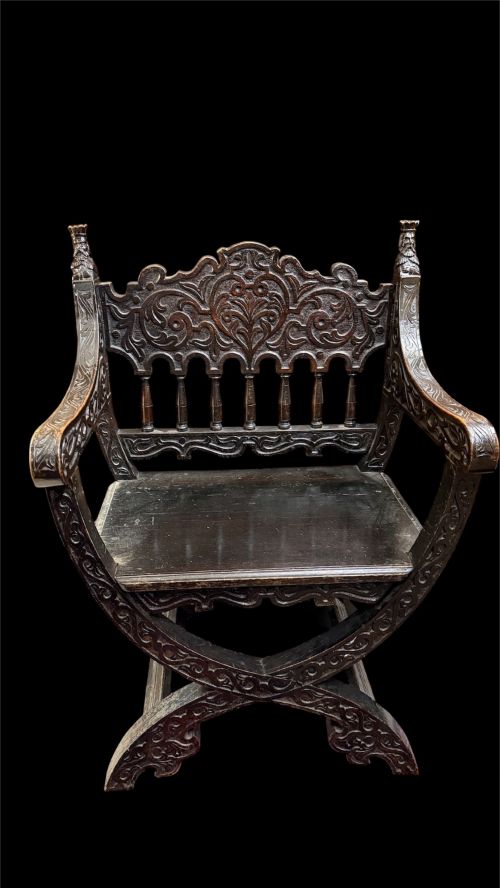
Surface ornamentation involves deep hand-carving, bobbin turning, and incised detailing executed in the manner of seventeenth-century joinery. Upholstered variants integrate embossed leather, woven leather, or velvet, secured with brass tacks to wooden frames.
Several chairs incorporate hidden heraldic shields, allowing nineteenth-century households to display fictitious ancestry in the hallway.
Distinguishing quality in nineteenth-century seating
Quality reveals itself primarily through the crispness of the timber carving and the architectural ambition of the design, distinguishing standard commercial production from architect-led commissions. Chairs designed in the manner of notable makers or drawing upon specific revival designs exhibit superior proportion and timber selection.
The integrity of the original oak frame, the retention of period upholstery materials such as embossed or woven leather, and the depth of the patination dictate the standing of an individual piece. Heavy-gauge framing and precise structural joinery separate robust library and hall chairs from lighter domestic variants.
Bruce Talbert·Gillows·Liberty & Co·A W N Pugin
The Victorian Oak Accent Chair Glossary
- Wainscot chair
- A heavy wooden armchair originating in the sixteenth and seventeenth centuries, characterised by a paneled back and solid seat. Victorian makers frequently produced revival versions of these substantial seats.
- Turners chair
- A chair constructed entirely from cylindrical turned wooden members pegged together, also known as a spindle chair. These pieces often feature triangular seats and elaborate bobbin-turned framing.
- Gothic revival
- An architectural and decorative style drawing inspiration from medieval forms. In chair design, this translates to pointed arches, quatrefoils, and traceried panel backs.
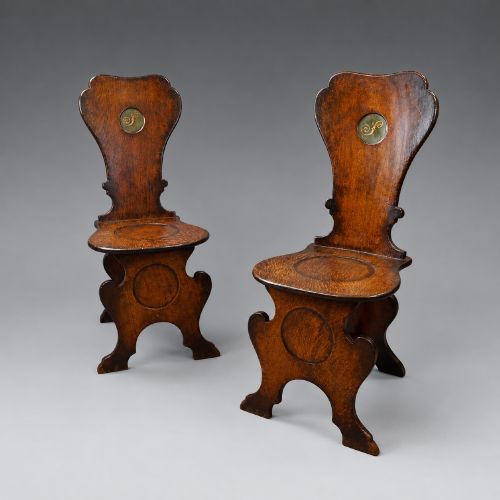
- Sgabello
- A light wooden chair featuring a high back and solid trestle supports instead of conventional legs. These Italian Renaissance forms were revived during the nineteenth century primarily as hall chairs.
- Bobbin framing
- Furniture decoration formed by turning cylindrical wooden components to resemble a string of beads or bobbins. This technique appears frequently on nineteenth-century vernacular and revival seating.
Victorian Oak Accent Chair: Frequently Asked Questions
How do I identify a Gothic revival oak chair?
Gothic revival pieces display architectural motifs such as pointed arches, quatrefoils, and heavy chamfered framing executed in solid oak.
These chairs often feature high paneled backs and substantial armrests designed to echo medieval ecclesiastical furniture.
Where should I place an antique oak hall chair?
Hall chairs traditionally stood in entrance spaces and hallways as formal occasional seating rather than lounging chairs.
Their upright wooden seats and carved heraldic backs make them suitable for narrow spaces or as decorative accent pieces against living room walls.
What is the difference between a side chair and an armchair?
Side chairs lack armrests and possess narrower proportions, designed to be tucked beside tables or arranged along walls.
Armchairs feature elbow supports and wider seats, offering a more commanding presence for studies, libraries, and reception rooms.
How do I care for nineteenth-century oak furniture?
Maintain the timber by applying a traditional beeswax polish sparingly to nourish the grain and preserve the surface patination.
Position the chair away from direct heat sources and strong sunlight to prevent the oak from splitting and to protect leather or velvet upholstery.