



Gothic Revival Timber Seats
Gothic revival timber seats are architectural forms built in oak and mahogany, designed to bring medieval grandeur into Victorian halls.
Gothic Revival Timber Seats
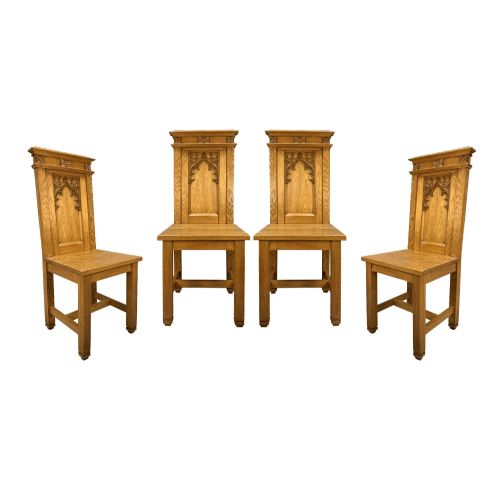
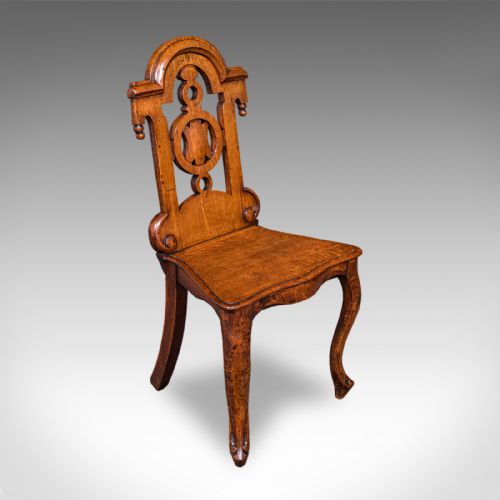
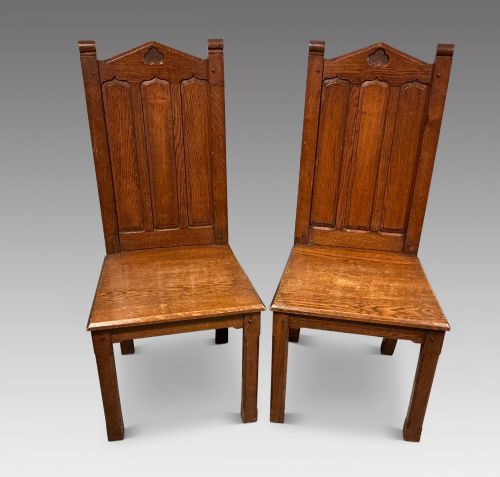
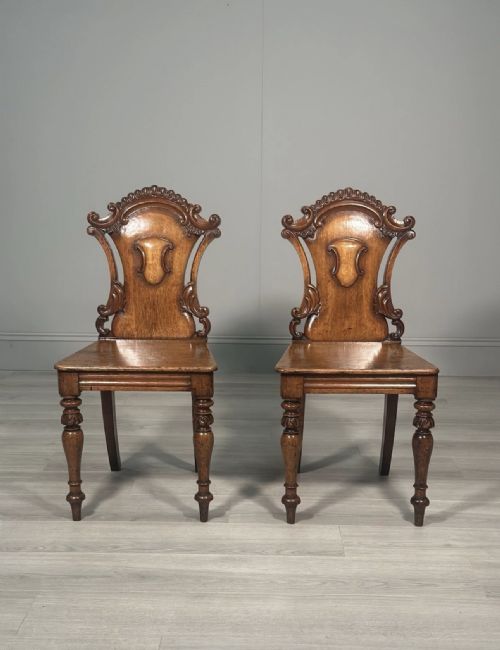
When you search for gothic revival timber seats, you encounter robust oak and mahogany furniture shaped by nineteenth-century ideals. These pieces include hall chairs, benches, window seats, and armchairs spanning the Victorian era from 1850 to 1900.
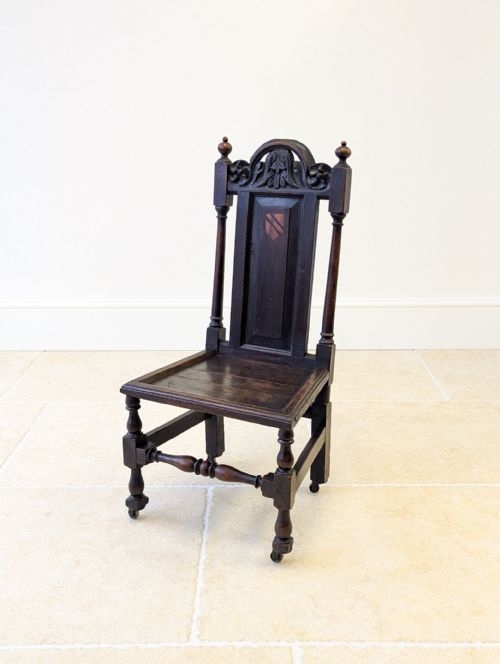
Sturdiness defines these objects, which were originally built to furnish imposing entrance halls and reception rooms. Alongside strict Gothic revival examples, you find related styles such as Arts and Crafts, Scottish Baronial, and Jacobean Revival.
Materials and construction
Carpenters utilised solid timber, primarily oak and mahogany, relying on traditional joinery to construct heavy frames. Elm and burr elm also appear in vernacular benches and window seats.
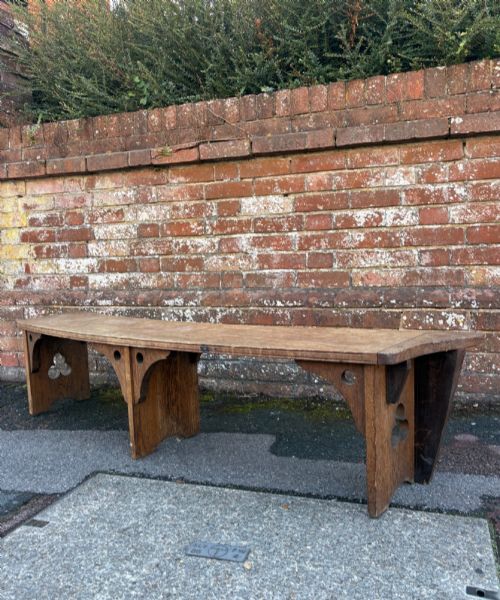
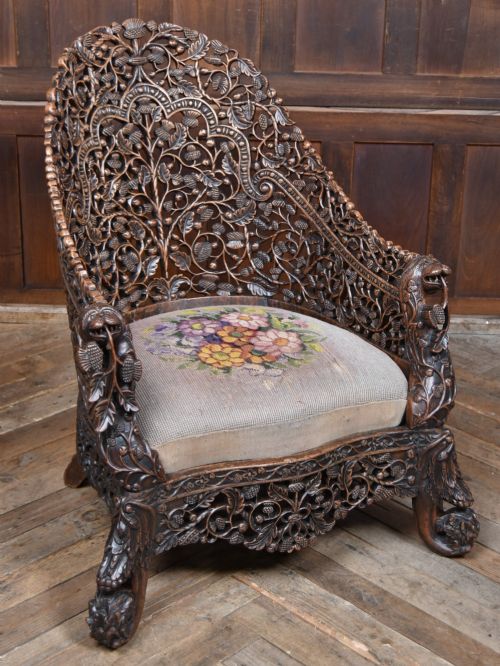
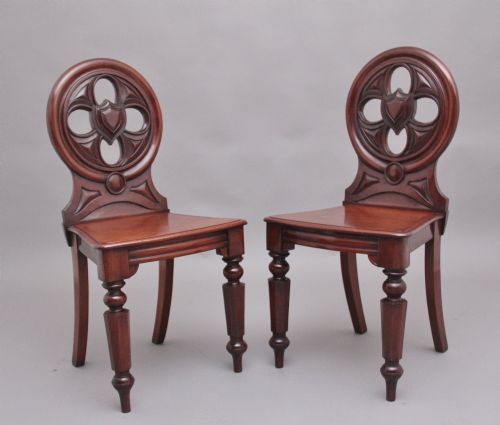
Carving provides the principal ornamentation, executed directly into the timber to create trefoils, heraldic shields, and thistles. Metal elements such as brass occasionally reinforce structural joints or provide subtle detailing.
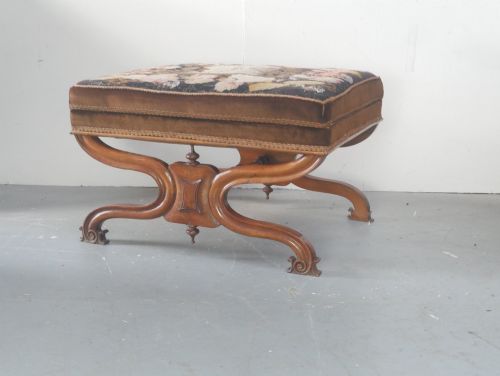
Upholstered examples integrate textiles like velvet, tapestry, and contemporary fabric held by traditional tacking. The marriage of architectural woodwork and dense timber defines the physical presence of each seat.
The listings span the Victorian era, utilising solid oak, mahogany, walnut, and elm alongside fabric and brass elements.
Judging the work
Quality rests upon the depth and crispness of the timber carving. Superior pieces exhibit deeply undercut architectural details rather than shallow surface incisions.
The selection of timber significantly alters the character of the piece. Dense, figured oak and well-chosen mahogany distinguish high-status commissions from utilitarian workshop output.
Proportion and structural integrity separate standard production seating from masterworks. Successful examples balance heavy medieval motifs with balanced domestic scale.
The Gothic Revival Timber Seats Glossary
- Gothic Revival
- An architectural and decorative movement drawing on medieval ecclesiastical design. It reinterprets pointed arches, tracery, and vertical lines for nineteenth-century domestic interiors.
- Trefoil
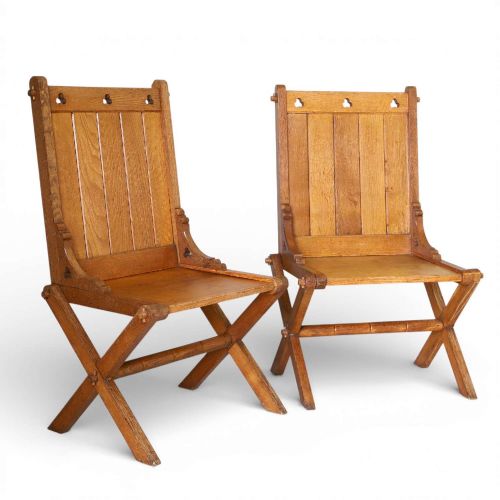
- A three-lobed decorative ornament resembling a clover leaf. Carpenters frequently pierced or carved this shape into chair backs and structural supports.
- Scottish Baronial
- A nineteenth-century architectural style adapting sixteenth-century Scottish castles. Furniture in this idiom uses heavy proportions and imposing defensive motifs.
- Glastonbury Chair
- A type of low wooden armchair with an X-frame base and sloping back. These pieces often carry ecclesiastical inscriptions or Gothic tracery.
- Reformed Gothic
- A late nineteenth-century design approach favoring structural honesty and simpler medieval lines. It reacted against overly ornate historical revivals by emphasising flat surfaces and exposed construction.
Gothic Revival Timber Seats: Frequently Asked Questions
Where should I put a gothic revival bench?
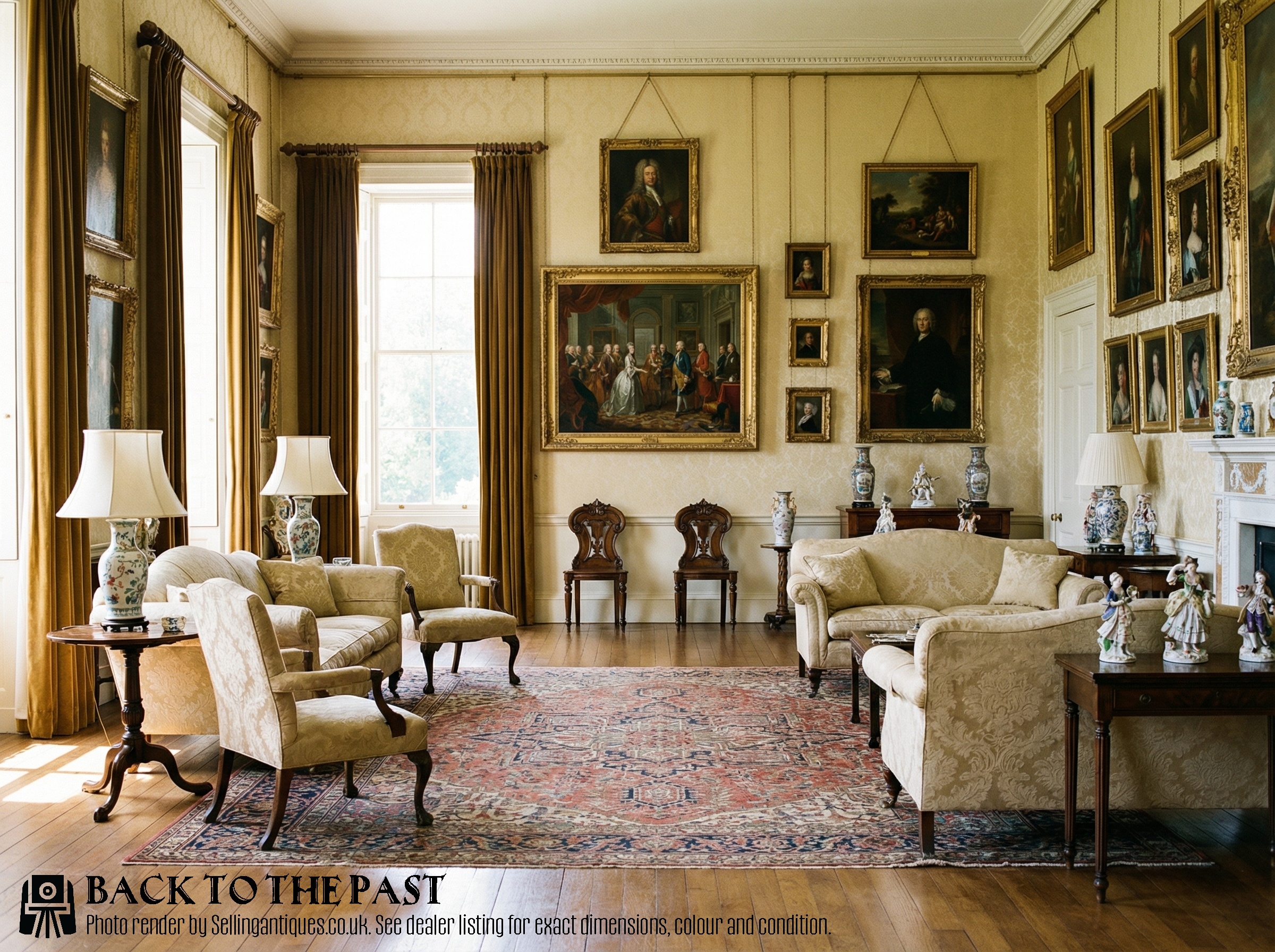
These seats suit large entrance halls, long corridors, or spacious landing areas where their architectural lines can command the space. They function effectively as standalone sculptural objects against plain walls.
Because they were built for communal spaces, pairing them with minimal modern furnishings allows the heavy timber and carving to stand out clearly.
Are these seats comfortable for daily use?
Most nineteenth-century hall seats and wooden chairs prioritize upright posture and architectural presence over soft cushioning. Solid timber seats and rigid backs encourage formal sitting rather than lounging.
Upholstered variants provide a softer sit, though many surviving examples retain firm historical padding suited for occasional use.
How do I identify the Victorian period on these pieces?
Victorian Gothic woodwork typically employs dense oak or mahogany combined with specific medieval revival motifs like trefoils and pointed arches. Construction methods reveal machine-sawn components alongside hand-finished carving characteristic of mid to late nineteenth-century workshops.
Dates cluster around the middle and end of the nineteenth century, reflecting the peak of revivalist architecture in Britain.
What is the difference between a hall chair and a window seat?
Hall chairs stand vertically with rigid wooden seats and high, decorated backs designed for formal entryways. Window seats feature elongated, low rectangular proportions meant to sit beneath casement windows.
Both utilise timber frames and Gothic carving, but their distinct forms reflect different domestic functions within the Victorian home.