
Gothic Oak Side Chairs
Gothic oak side chairs bring pointed arches, heavy timber and ecclesiastical authority into domestic spaces with distinct architectural conviction.
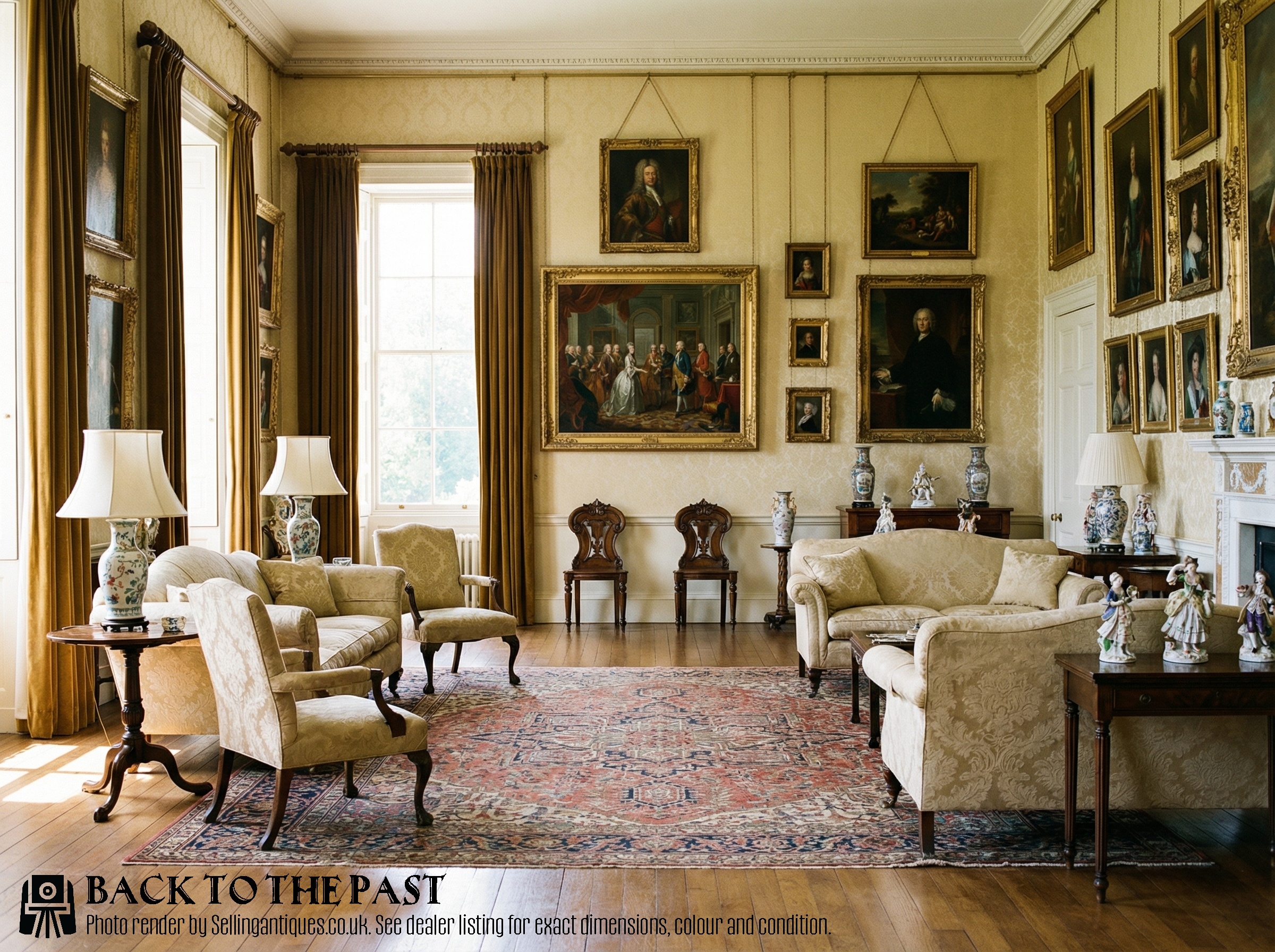
Gothic Oak Side Chairs
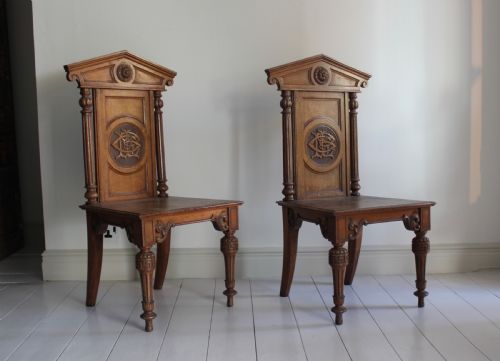
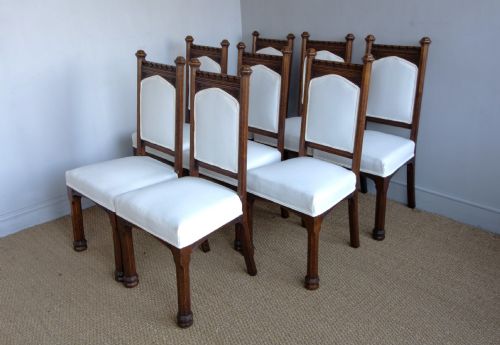
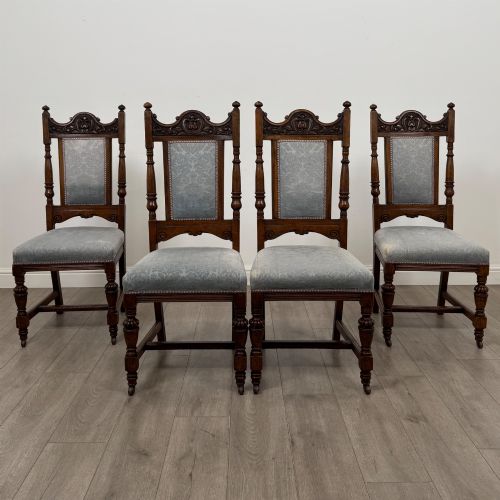
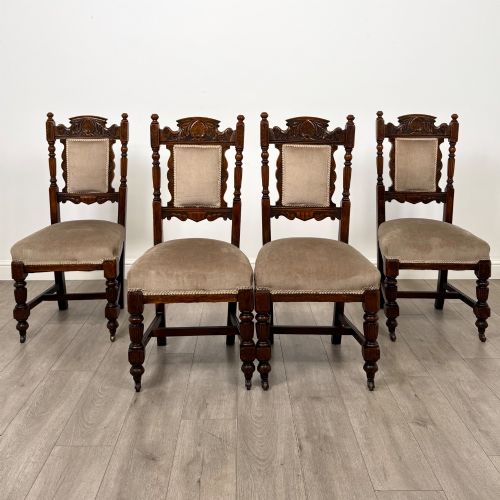
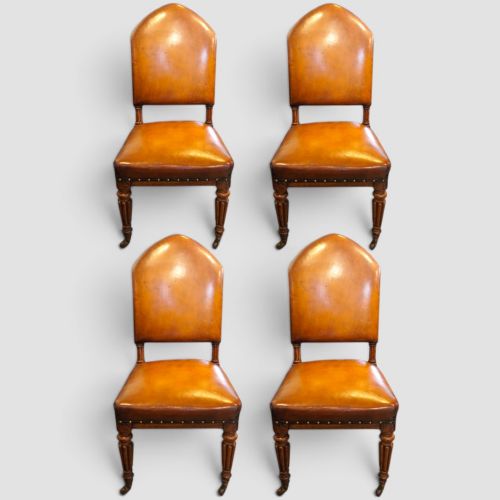
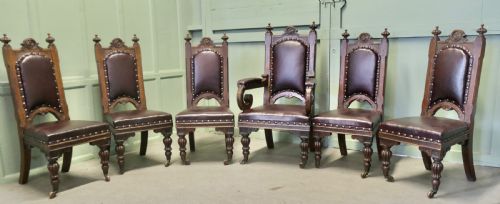
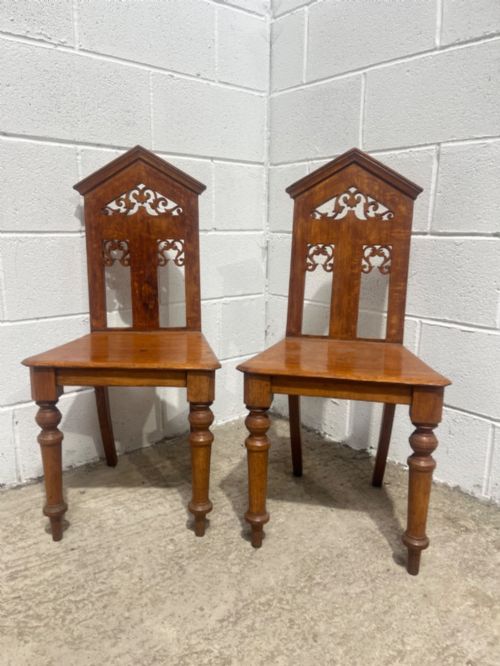
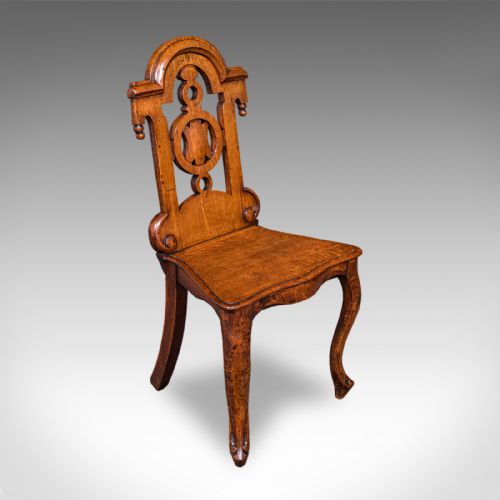
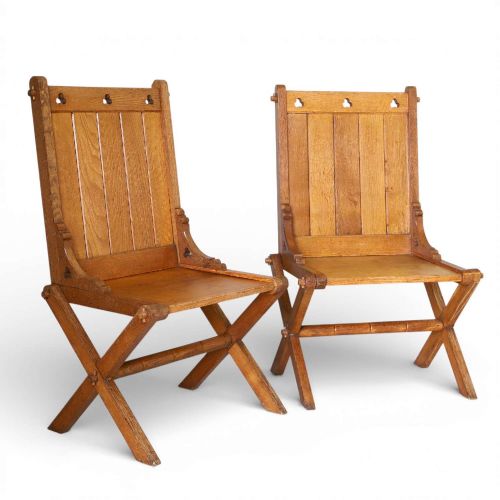
Gothic oak side chairs encompass seating designed without arms primarily for dining, hall or occasional use, drawing directly on medieval architectural motifs. These pieces date predominantly from the Victorian and Edwardian eras, spanning the mid-nineteenth century through to the early twentieth century.
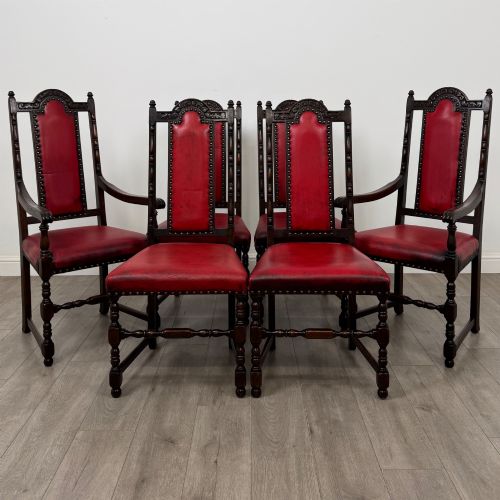
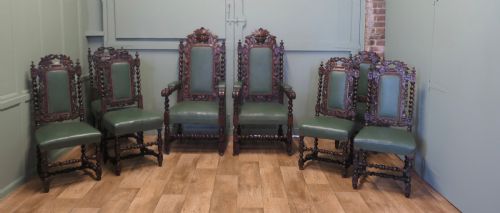
The selections available here range from austere, high-backed monastic forms to elaborate dining sets featuring pierced tracery and heraldic shields. Most specimens originate from English workshops, though Scottish, Welsh and continental influences appear across the wider selection.
Defining characteristics of quality
Depth of carving and clarity of architectural ornament distinguish standard production from exceptional pieces. Sharp trefoils, crisp pierced work and well-executed relief carving indicate skilled workshop output.
Original condition, matching sets and documented provenance from known makers elevate individual items. The weight of the timber and the rigidity of the frame further separate robust seating from lighter commercial alternatives.
Materials recorded across the inventory include solid oak, leather, velvet, brass fixtures and various upholstery fabrics.
Gillows of Lancaster·Liberty and Co·Bruce Talbert·Norwich Maker·A W N Pugin
The Gothic Oak Side Chairs Glossary
- Gothic Revival
- An architectural and decorative style drawing inspiration from medieval forms. It dominates nineteenth-century furniture design through pointed arches and structural verticality.
- Trefoil
- A three-lobed decorative ornament resembling a clover leaf. It appears frequently punched into timber rails or pierced through chair backs.
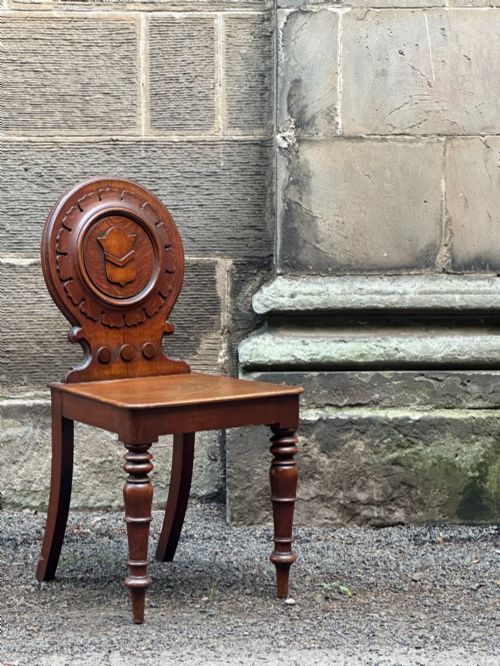
- Hall Chair
- A rigid wooden seat traditionally placed in entrance halls. These pieces typically feature solid timber seats and heavily carved armorial or heraldic backs.
- Jacobean Revival
- A seventeenth-century revival style utilising turned supports, geometric paneling and deep mouldings. It blends readily with Victorian Gothic ornament.
- Barley Twist
- A spiral-turned wooden column or leg resembling twisted barley sugar. This turning technique was popular across mid-nineteenth-century seating frames.
Gothic Oak Side Chairs: Frequently Asked Questions
Where were these chairs used originally?
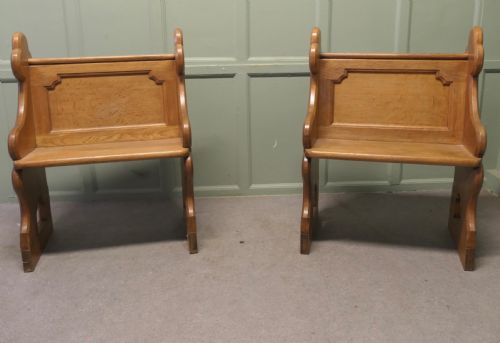
These chairs served in domestic dining rooms, entrance halls and libraries, as well as ecclesiastical settings like churches and cathedrals. High-backed variants often furnished formal reception spaces where architectural display mattered.
Simpler forms functioned as everyday seating in larger Victorian households or institutional buildings. Their robust construction suited areas subjected to heavy daily wear.
How do I identify a Gothic Revival piece?
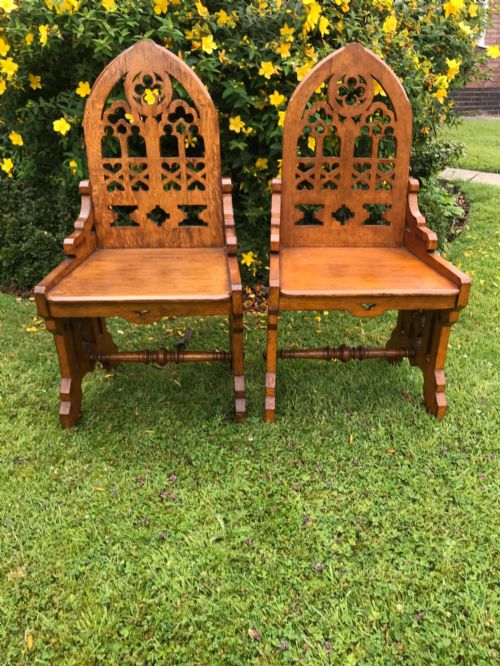
Look for architectural elements borrowed from medieval stonework, such as pointed lancet arches, trefoils and quatrefoils carved into the timber. Chair backs frequently mimic church window tracery or high cathedral spires.
Makers also utilised heavy proportions, chamfered edges and structural pegging to evoke medieval craftsmanship. This architectural vocabulary separates Gothic Revival work from standard Victorian furniture.
Are these chairs comfortable for daily dining?
Most side chairs from this period feature upright, high wooden backs designed to encourage a straight posture rather than relaxed lounging. Padded leather or upholstered variants offer softer seating compared to bare oak boards.
Buyers intending to use them daily often select models with generous seat depths or add discreet custom squab cushions. Their solid timber frames provide stable support for modern dining tables.
How should I care for antique oak timber?
Maintain antique oak by applying traditional beeswax periodically to nourish the grain and preserve the surface sheen. Avoid placing timber furniture near direct heat sources or in fluctuating humidity.
Dust regularly with a soft, dry cloth to prevent particulate buildup in deep carvings and linenfold panels. Proper environmental control protects both the wood and any attached leather upholstery.