


Light Oak Benches
Light oak benches bring tactile warmth and solid timber grain to hallways, living spaces and dining rooms.
Light Oak Benches
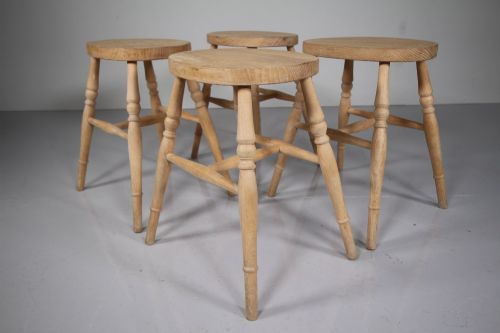
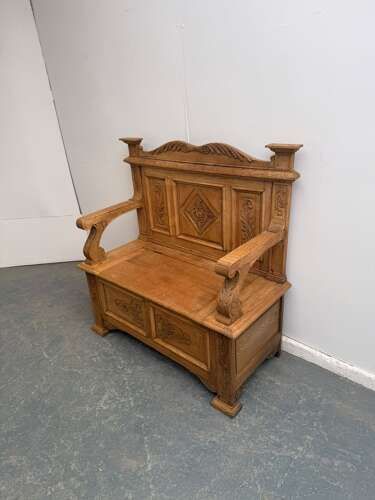
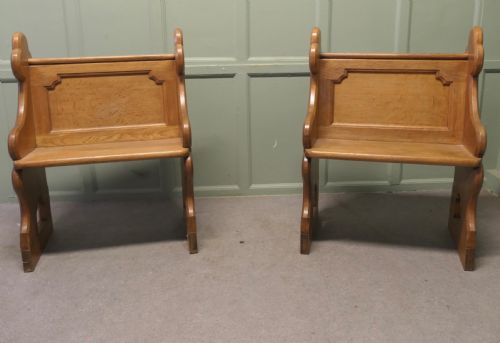
Light oak benches span nineteenth-century provincial workshops and Edwardian country homes, taking forms such as window seats, hall settles and long dining seating. These pieces utilise pale timber, bleached oak and chestnut surfaces that highlight natural grain rather than heavy dark finishes.
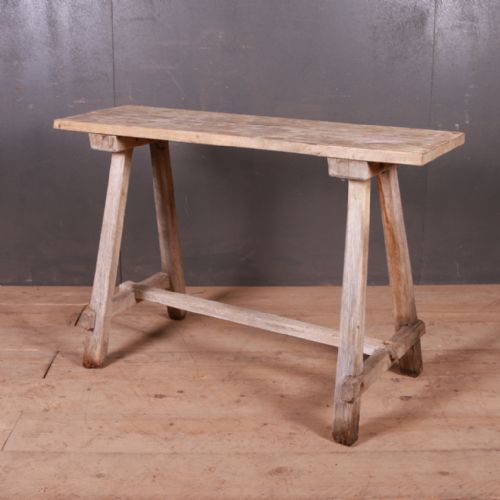
The versions most frequently found on this page include nineteenth-century window seats, hall benches, and French provincial tables or seating adapted for modern rooms. They bring functional utility and straightforward construction to domestic interiors.
How they were made
Makers constructed these benches primarily from solid oak, bleached oak, and chestnut timber, sometimes combining elm or wood components for structural integrity. Joinery relies on traditional methods suited to domestic and country furniture production.
Surfaces receive wax finishes or natural bleaching treatments to preserve the light tone of the wood while protecting the material from daily wear. Occasional brass fixtures or textile elements appear on specific chair and stool variations.
Object types range from hall benches and settles to window seats, footboard stools and refectory dining tables.
What varies in quality
Quality rests on the selection of the timber and the honesty of the construction, distinguishing straightforward utilitarian items from pieces with carved detailing and thoughtful proportions. Superior examples display well-figured oak grain and balanced joinery.
The depth of the colour and the condition of the bleached or waxed surface determine the visual appeal of each bench. Pieces that retain their original structural integrity without excessive timber replacement hold greater merit for collectors.
The Light Oak Benches Glossary
- Bleached oak
- Timber treated to lighten its natural hue, producing a pale finish popular in nineteenth-century and provincial French furniture. This process highlights the grain without masking the underlying material.
- Settle
- A wooden bench with a high back and solid arms, often featuring a box compartment beneath the seat for storage. These pieces were designed to keep out drafts in traditional hallways.
- Refectory table
- A long dining table traditionally used in monastic dining halls, adapted in later periods for domestic use alongside matching benches. They feature substantial trestle or four-leg bases.
- Window seat
- A low bench designed specifically to fit into the recess of a bay or sash window. These often feature upholstered tops or simple wooden seats tailored for domestic rooms.
Light Oak Benches: Frequently Asked Questions
Where do light oak benches fit best?
These benches suit hallways, window recesses and dining spaces where their pale timber tones brighten narrow or dark layouts. They provide practical seating without dominating smaller rooms.
Their straightforward forms also allow them to sit comfortably alongside contemporary or traditional furniture styles in living areas.
How do I clean bleached oak?
Dust the timber regularly with a soft, dry cloth to prevent the accumulation of grit in the grain. Avoid abrasive cleaners or excess water.
Periodically nourish waxed surfaces with a suitable furniture wax to maintain the protective layer and the soft sheen of the oak.
Are these benches sturdy for daily use?
Most pieces are built from solid oak, chestnut or elm timbers designed for heavy domestic utility in nineteenth-century and Edwardian households. Their robust joinery ensures they remain functional.
Checking the stability of the legs and joints helps confirm their suitability for everyday seating.
How can I tell the period of a bench?
Periods are identified through construction methods, timber treatment, and stylistic markers such as Gothic Revival carvings or Arts and Crafts simplicity. Nineteenth-century examples often display hand-finished tool marks.
Comparing the hardware, such as brass details or textile elements, offers further clues to the manufacturing decade.