

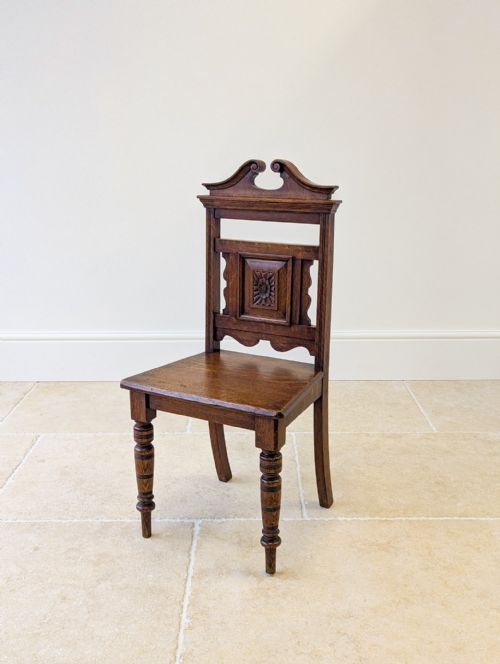


Traditional Oak Entry Chair
A traditional oak entry chair welcomes visitors with solid construction and period character, offering durable seating for a hallway.
Traditional Oak Entry Chair
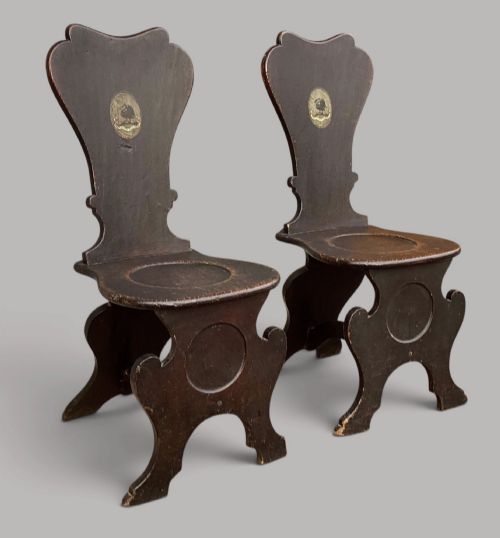
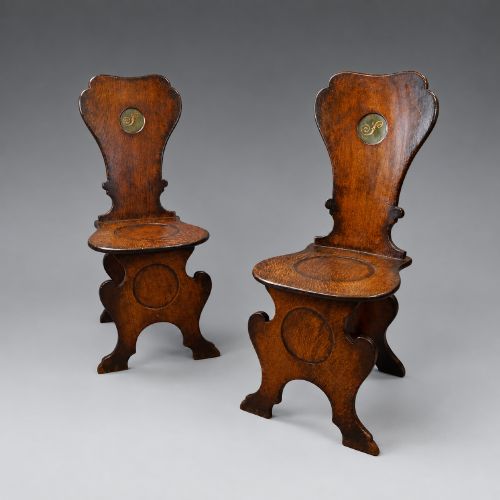
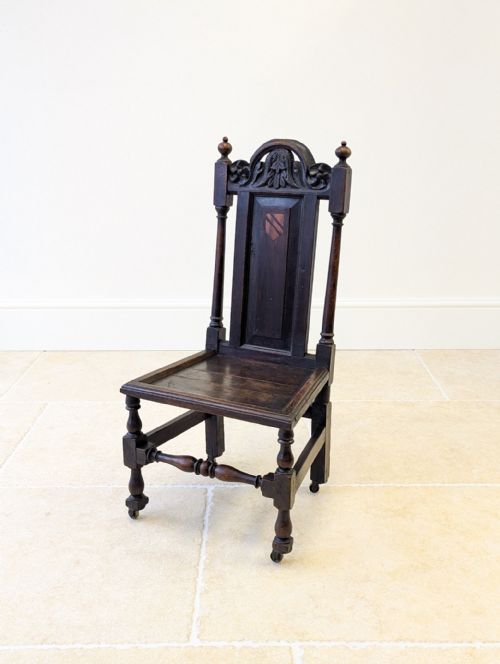
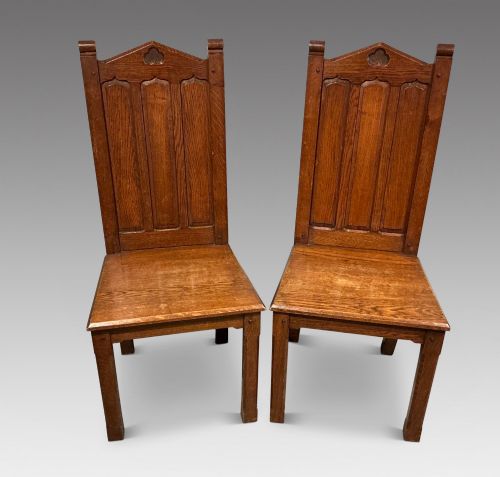
A traditional oak entry chair appears in several forms across this selection, primarily as single hall chairs, pairs, sets, and benches. These pieces originate from various eras spanning the eighteenth century through the twentieth century.
The primary function remains seating in an entrance hall or passage, often accompanied by carved details or specific regional designs such as French provincial or Gothic revival influences.
Materials and construction methods
Makers utilised solid oak, timber, and cherrywood for the main structure, occasionally incorporating rush seating or fabric elements. Brass components and paint finishes appear on specific period examples.
Carving defines many of the stylistic interpretations, particularly within revival pieces where intricate surface work emulates earlier historical periods. Joinery techniques rely on traditional woodworking methods suited to heavy utility furniture.
Traditional Oak Entry Chair Retail Price Guide 2026
Typical asking prices for traditional oak entry chair among the pieces listed under this phrase on Sellingantiques today, from the lower quarter to the upper quarter. They describe what is for sale here now, not the wider market.
Some benches double as tables so monks could dine after sitting.
Distinctions in craftsmanship and design
Quality separates basic utility seating from elaborately carved revival pieces through the depth and execution of woodwork. The integration of matched sets versus single chairs also influences the standing of a piece within the range.
The choice of secondary materials, such as rush seating or brass fittings, contributes to the overall integrity of construction. Finer examples display deliberate proportions and heavier timber stocks appropriate to their stylistic period.
The Traditional Oak Entry Chair Glossary
- Hall Chair
- A wooden seat designed for an entrance hallway, typically featuring a solid back and upright posture. These pieces often display carved crests or family crests.
- Monks Bench
- A dual-purpose piece of furniture that converts from a bench into a table. This form provides practical seating and surface space combined.
- Jacobean Revival
- A nineteenth-century style imitating seventeenth-century English design. It is characterised by dark oak, geometric moulding, and heavy turning.
- Rush Seating
- Woven marsh plant material utilised for chair seats. This technique creates a textured, supportive surface on traditional frames.
Traditional Oak Entry Chair: Frequently Asked Questions
Where should an entry chair go?
An entry chair sits naturally in a hallway, vestibule, or porch where visitors remove outerwear. Its upright profile requires minimal floor space.
Traditional forms provide a solid seat while establishing a formal period aesthetic near the main entrance of a property.
How do I date an oak chair?
Dating relies on examining the timber grain, tool marks, and construction joints visible on the piece. Stylistic details like Jacobean or Gothic revival motifs offer further chronological clues.
Comparing the specific wood type, such as cherrywood or oak, alongside hardware elements helps place the chair within its nineteenth or twentieth century context.
Are monks benches practical tables?
Monks benches convert from a seated bench into a table by pivoting the backrest downward. This dual function served smaller historic rooms efficiently.
Modern interiors utilise this conversion mechanism as a space-saving feature in compact entryways or multi-use spaces.
What is a sgabello chair?
A sgabello is a light, movable Renaissance chair type featuring solid trestle supports instead of four legs. These decorative seats were typically placed against walls in grand halls.
Their distinct silhouette provides a striking visual accent within traditional interior schemes.