
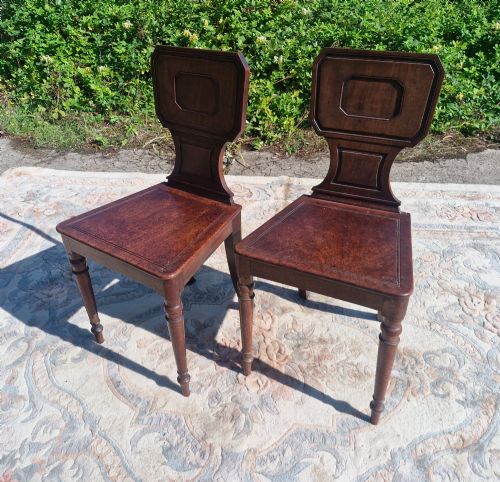
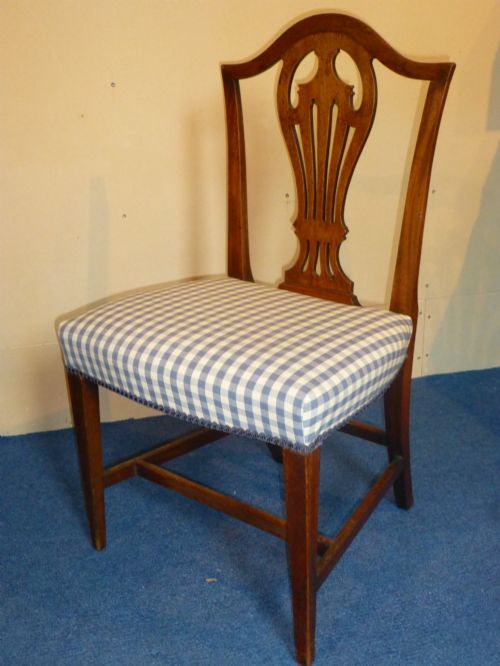
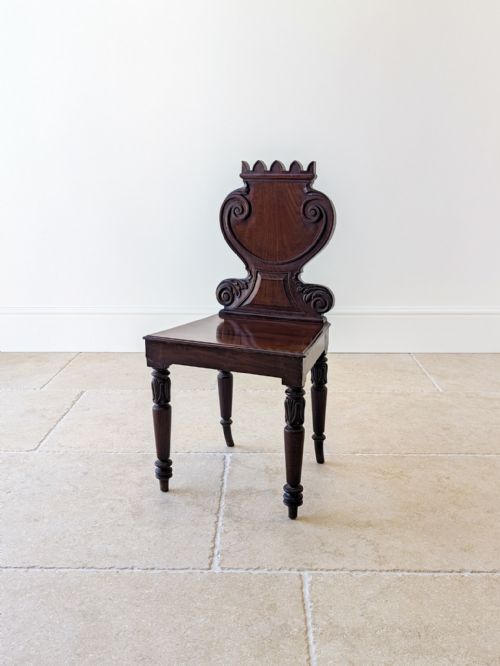
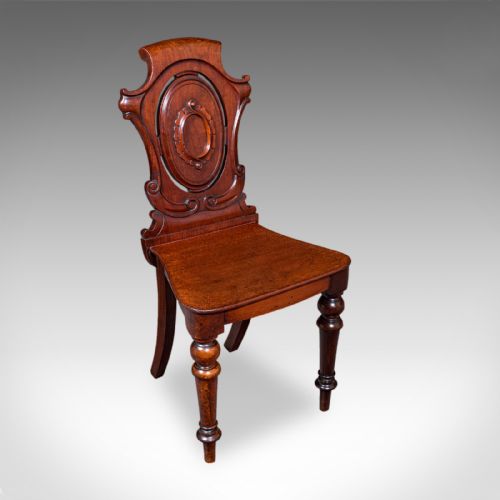
Antique Timber Side Chairs
Antique timber side chairs offer solid construction and varied regional character, spanning simple kitchen seating to formal dining suites.
Antique Timber Side Chairs
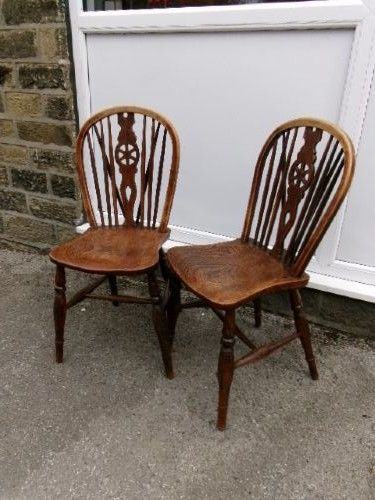
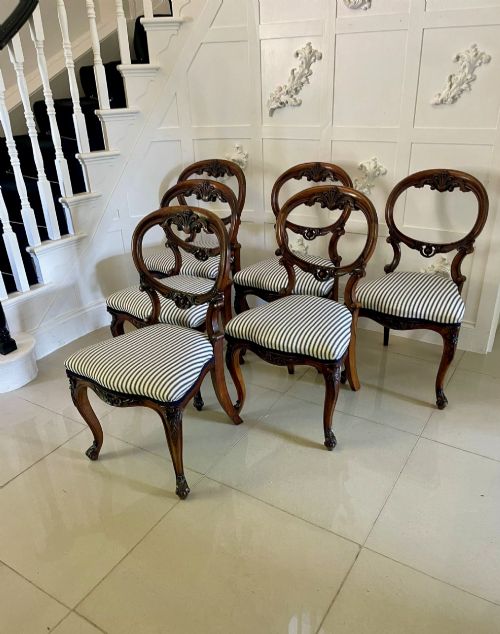
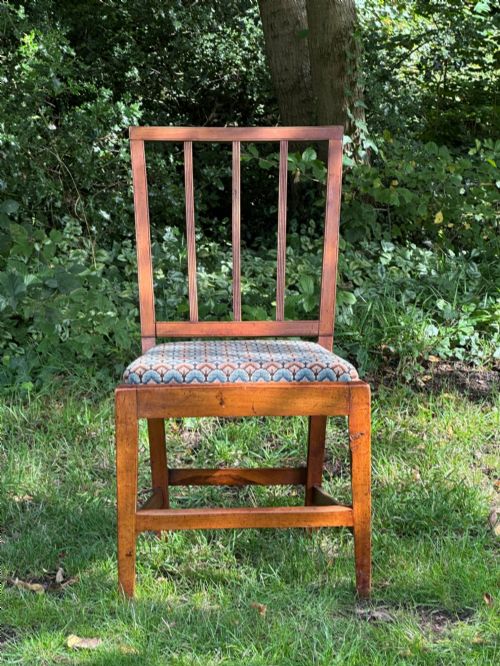
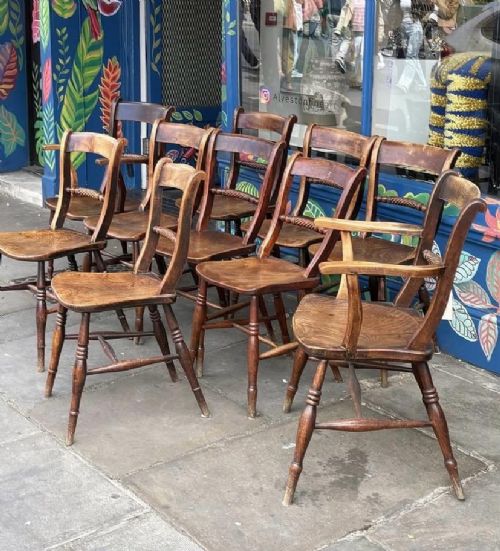
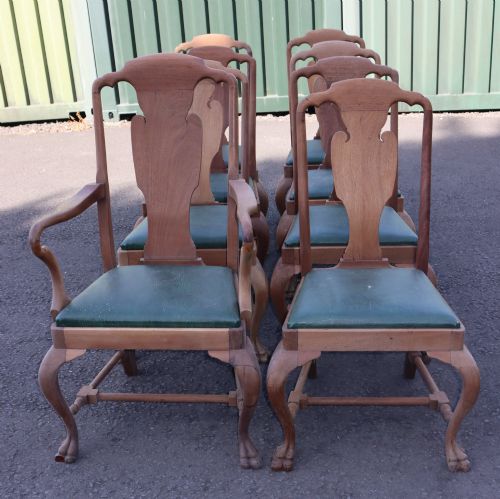
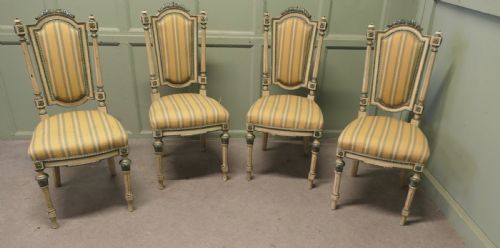
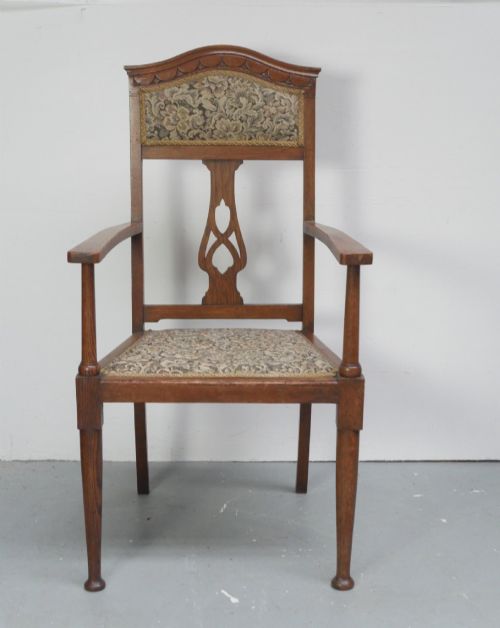
Antique timber side chairs encompass diverse seating forms designed for dining rooms, hallways, and reception spaces across multiple historical periods. Buyers seeking antique timber side chairs encounter numerous variations, from formal mahogany pieces to regional elm and ash country models.
Makers utilised native and exotic timbers to construct frames intended for functional daily use or decorative display in grand interiors. Sets of matching chairs appear alongside individual pieces and pairs.
Materials and construction
Cabinet makers built these chairs using hardwoods like mahogany, oak, walnut, and birch, often pairing elm or ash for seats and beech for structural turnings. Timbers were selected for strength, grain figure, and suitability for carving or steam-bending.
Joinery techniques relied on traditional mortise and tenon joints, dowels, and corner blocks to ensure frame rigidity under regular weight. Surface finishes applied by hand typically include wax or polish to protect the timber while enhancing natural grain patterns.
Antique Timber Side Chairs Retail Price Guide 2026
Typical asking prices for timber side chairs among the pieces listed under this phrase on Sellingantiques today, from the lower quarter to the upper quarter. They describe what is for sale here now, not the wider market.
Listings feature timbers including mahogany, oak, walnut, elm, beech, birch, ash, and padouk across Victorian and Georgian periods.
Factors determining quality
Quality rests in the crispness of hand-carved details, the selection of figured timber veneers, and the structural integrity of the frame joints. Superior examples exhibit balanced proportions, tight joinery without excessive glue, and original surfaces unaltered by aggressive stripping.
Lesser pieces show simplified turning, replacement structural components, or softer carving where wear has dulled the original chisel work. Matched sets of higher tier seating maintain consistent timber selection and uniform proportions across every chair.
The Antique Timber Side Chairs Glossary
- Hall chair
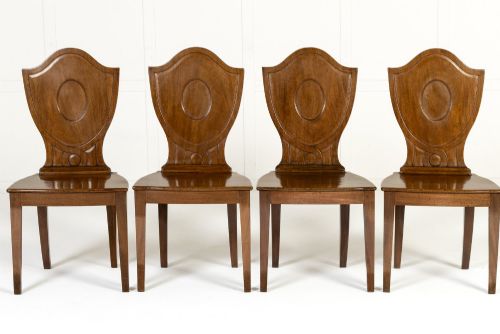
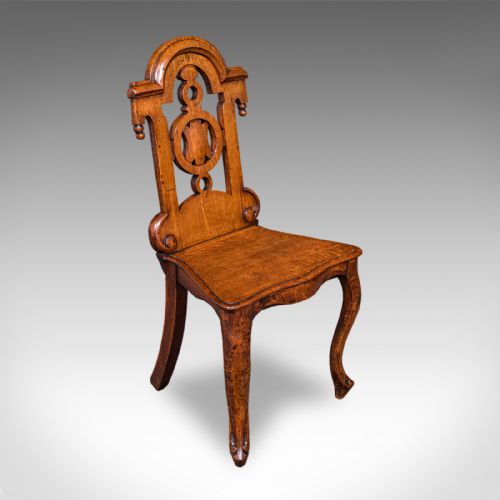
- A rigid wooden seat, usually without arms, featuring a solid timber back often carved with family crests or heraldic shields.
- Stick back
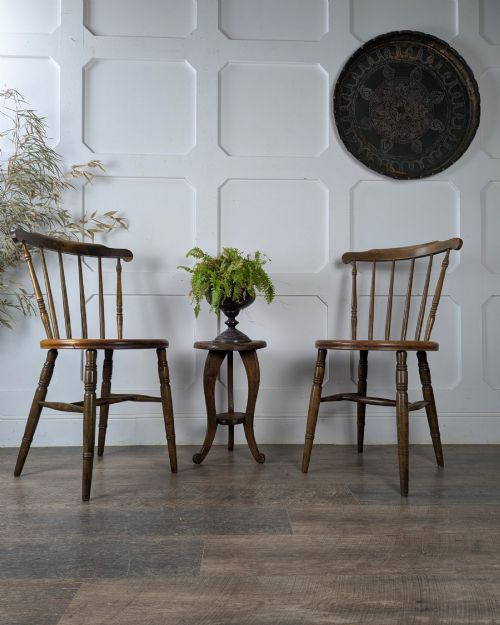
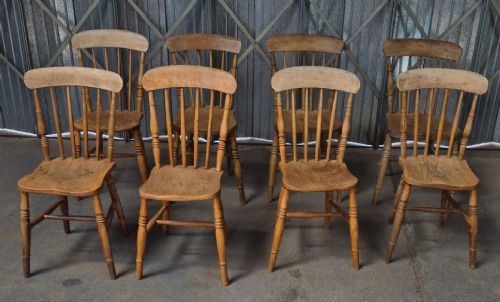
- A chair construction method where turned spindles are inserted directly into a solid wooden seat plank.
- Shield back
- A chair back shape resembling an inverted shield, popular during the late 18th century and revived in later Victorian periods.
- Padouk
- A heavy tropical timber with a reddish hue utilised in Anglo-Indian and colonial furniture production.
Antique Timber Side Chairs: Frequently Asked Questions
Where should I place a hall chair?
Hall chairs serve well in narrow entryways, hallways, or reception rooms where their narrow profiles and decorative backrests make a strong visual statement without blocking pathways.
Because they traditionally lack upholstered padding, they function best as accent seating rather than relaxed lounge chairs.
How do I identify a Georgian chair?
Georgian chairs display restrained classical proportions, carved mahogany frames, and structural details reflecting the prevailing architectural tastes of the 18th century.
Examining the underside reveals hand-cut joinery marks and older fastening methods characteristic of the period.
Are stick back chairs comfortable?
Stick back and kitchen chairs feature contoured wooden seats shaped to fit the body, providing firm support for everyday dining.
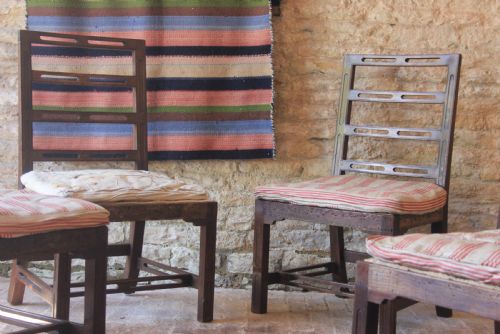
Adding loose squab cushions can increase comfort for longer periods of sitting around a table.
How do I care for antique timber chairs?
Maintain antique wooden surfaces by applying a traditional beeswax polish sparingly and buffing with a soft cloth to protect the finish.
Keep chairs away from direct heat sources and sudden humidity shifts to prevent timber splitting and joint shrinkage.