




Victorian Mother of Pearl Box
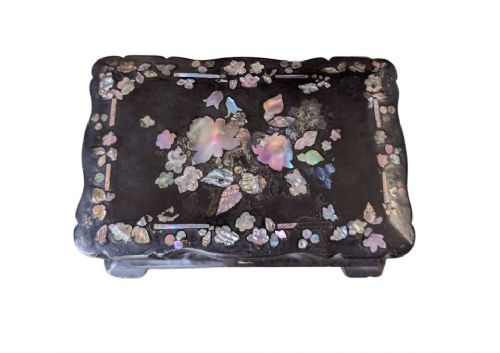
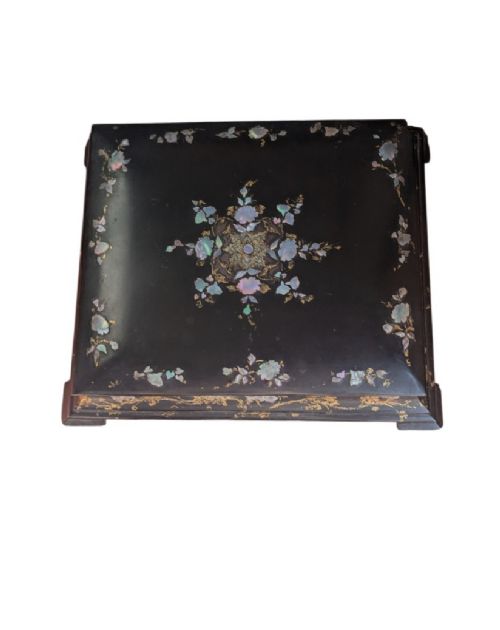
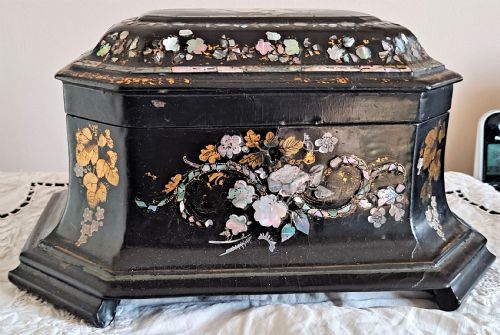
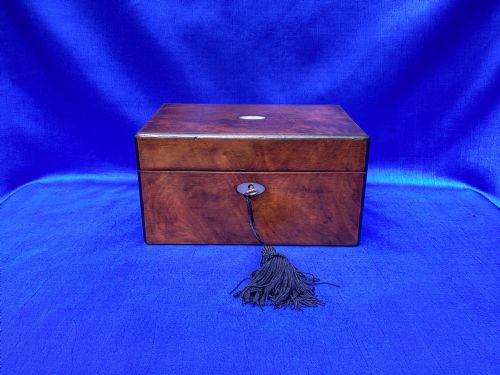
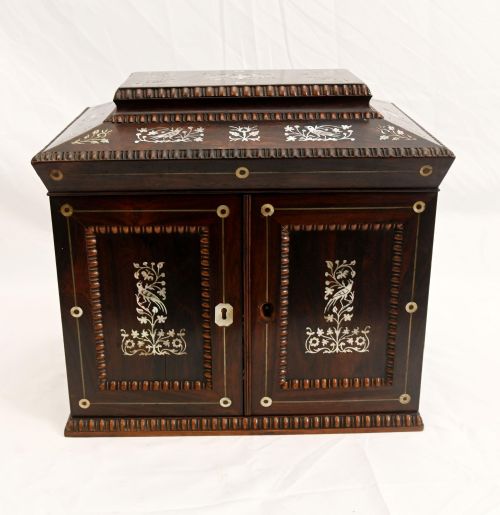
These Victorian mother of pearl box pieces bring nineteenth-century craftsmanship into daily use, offering small lidded storage built for keepsakes, stationery and needlework.
Forms and Origins
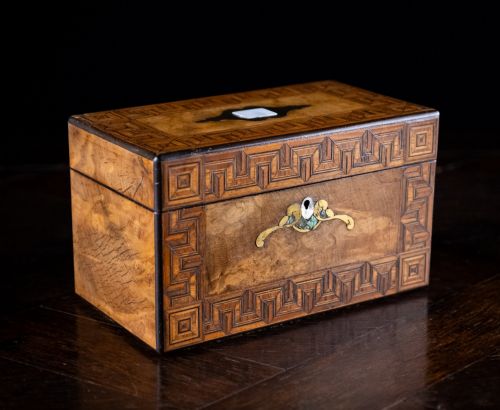
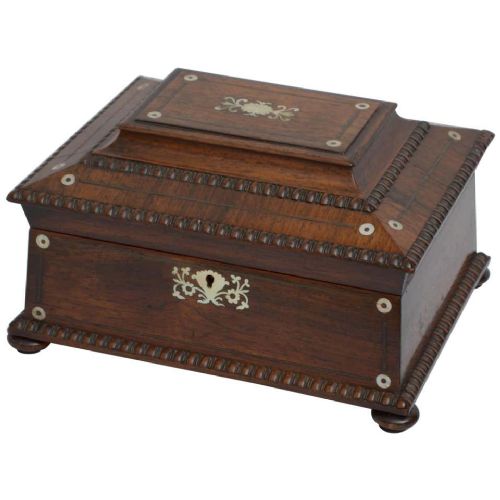
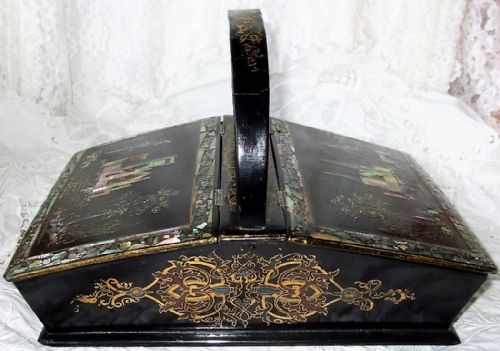
A victorian mother of pearl box spans several utilitarian categories designed for personal storage. The selection centres on sewing boxes, needlework caskets, jewellery cases, writing slopes, and glove boxes, alongside smaller trinket boxes and stationery caskets. These pieces date from the nineteenth century, including specific references to the eighteen-sixties, seventies, and eighties.
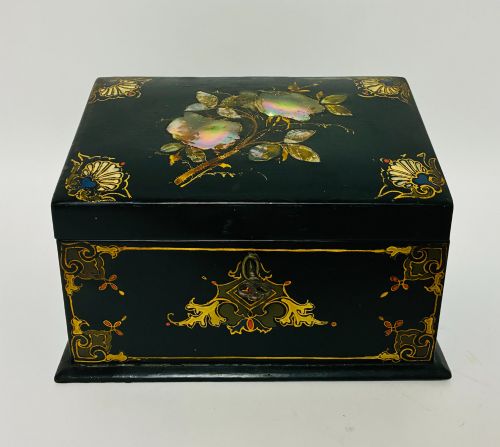
The assortment reflects Victorian domestic habits where designated boxes organised letter-writing equipment, sewing implements, and personal ornaments. Buyers encounter forms ranging from rectangular rosewood caskets with inlaid shell to papier-mâché needlework boxes and japanned work tables.
Materials and Construction
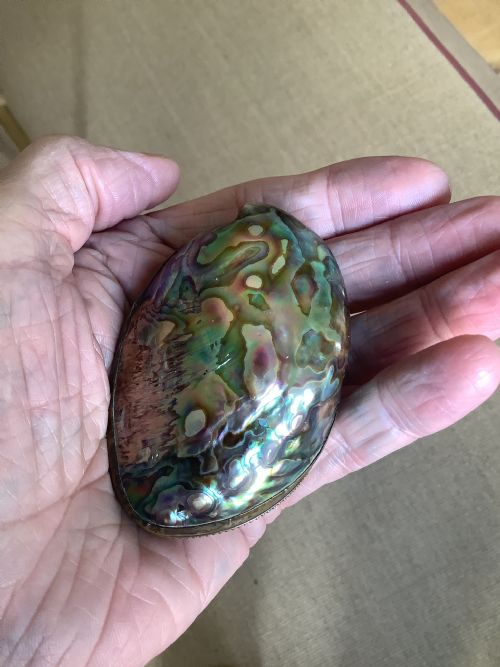
Construction relies on timber foundations such as rosewood, walnut, and coromandel, often paired with papier-mâché and lacquer. Mother-of-pearl is applied as inlay or sheet panels, occasionally accompanied by abalone, brass, and silver wire. Interiors frequently feature fabric, velvet linings, and fitted compartments for sewing tools or writing instruments.
Surface decoration combines shell inlay with painted details, japanning, and Tunbridge inlay. Metal components include silver fittings, silver-plated interiors, and brass hardware to secure lids and compartments.
Retail Price Guide 2026
Typical UK retail prices for victorian mother of pearl box, calculated from the Sellingantiques database of over a million retail prices indexed since 2003. This retail price guide relies exclusively on Sellingantiques data; no external sources or auction records are used, so the figures do not describe the wider market.
Distinctions in Execution
Quality rests on the precision of the inlay and the integrity of the primary material. Pieces featuring extensive mother-of-pearl work, silver wire detailing, or integrated fitted interiors demonstrate higher degrees of labour than plain surfaces.
The preservation of internal velvet linings, original paper or fabric compartments, and functioning hardware distinguishes superior examples. The complexity of the underlying form, such as sarcophagus shapes or japanned surfaces, also dictates the execution level.
The Victorian Mother of Pearl Box Glossary
- Mother-of-Pearl
- An iridescent inner layer of shells used for decorative inlay on boxes and caskets. This material reflects light in shifting tones of pink, green, and silver.
- Papier-mâché
- A composite material made from paper pulp or layers of paper bound with glue, then moulded and lacquered. It provides a smooth dark surface suitable for painted decoration and shell inlay.
- Writing Slope
- A desk accessory with a hinged sloping lid that opens to reveal a writing surface and storage compartments for paper and ink. These pieces often incorporate inlaid mother-of-pearl.
- Japanning
- A European imitation of East Asian lacquerware applied to wood or papier-mâché surfaces. The technique produces a glossy dark finish frequently decorated with painted or inlaid motifs.
- Tunbridge Ware
- Woodworking characterised by mosaic patterns made from tiny tinted wood prisms. It appears on Victorian boxes alongside mother-of-pearl elements.
Frequently Asked Questions
What fits inside these boxes?
Victorian boxes house specific domestic items according to their original purpose. Sewing boxes contain fitted trays for threads and needles, while jewellery cases and trinket boxes store small personal ornaments.
Larger stationery and writing boxes hold paper, envelopes, and inkwells. Glove boxes accommodate longer items like folded leather gloves and delicate accessories.
How should I clean the interior?
Original velvet and fabric linings require gentle dry brushing with a soft brush to remove dust. Moisture damages historic adhesives and textiles, so liquids must be avoided entirely.
Wooden and mother-of-pearl exterior surfaces respond well to a dry microfibre cloth. Wax polishes should be tested on small hidden areas first.
Can I use them every day?
These nineteenth-century pieces serve well for storing modern jewellery, keys, or desk accessories. Regular use requires care with hinges, locks, and delicate lid supports.
Placing boxes away from direct sunlight and radiators protects the wood and shell inlay from warping or cracking. Velvet linings benefit from occasional airing.