

Victorian Metal Ornament
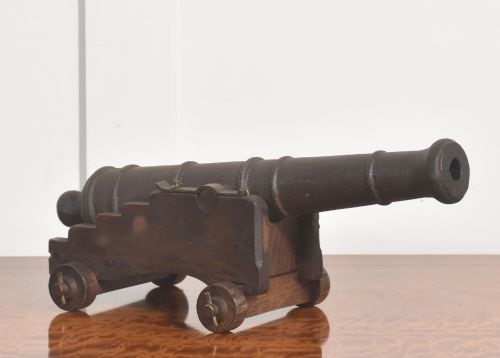
These Victorian metal ornament examples range from heavy cast iron garden urns to small bronze studies.
Victorian Metal Ornament
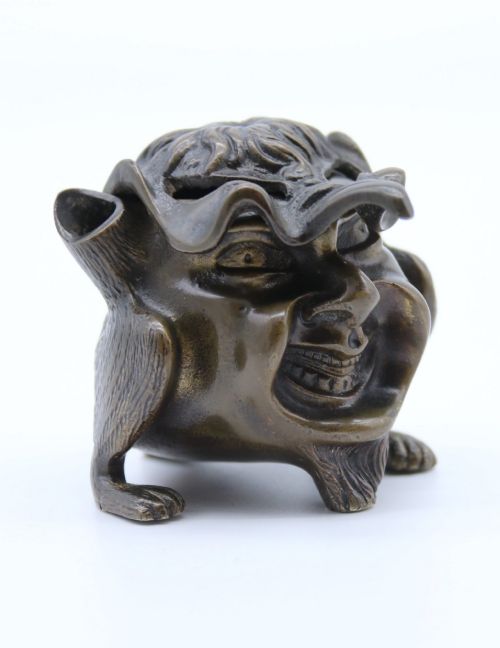
When you search for a victorian metal ornament, you encounter a diverse array of items spanning functional pieces and pure decorative sculptures. The selection includes heavy garden urns, doorstops, inkwells, paperweights, and figurative sculptures in various metals.
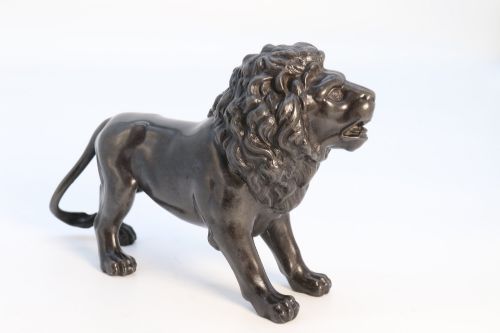
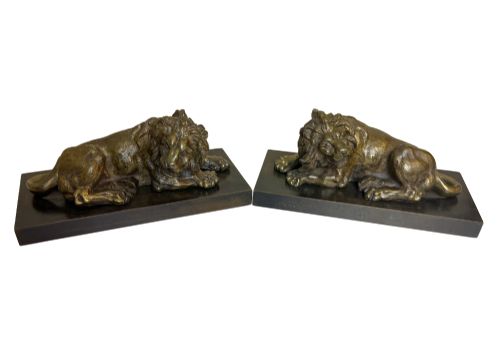
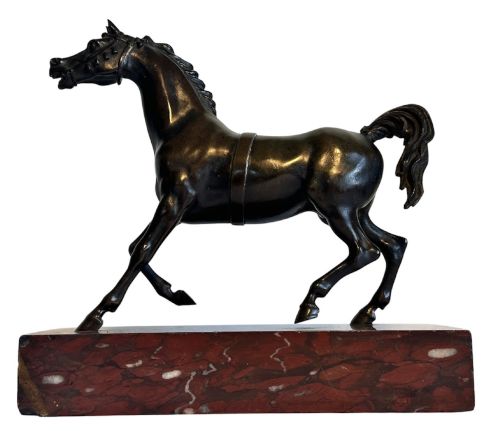
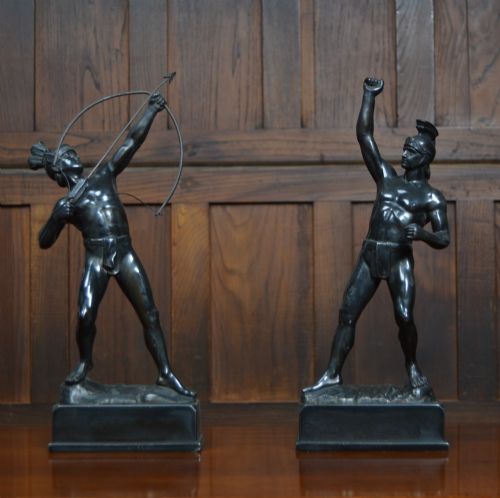
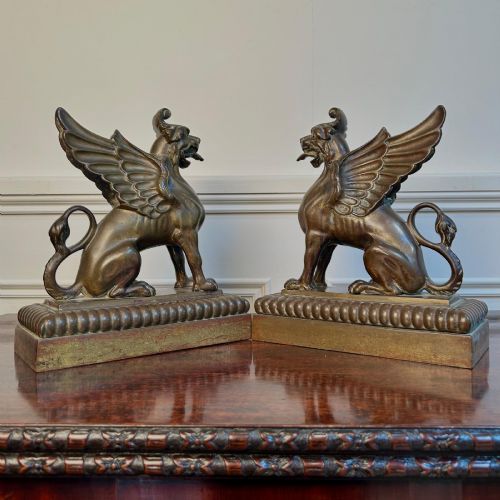
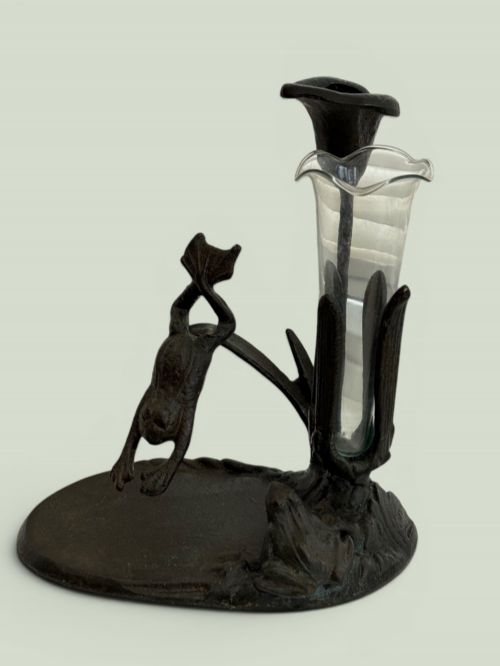
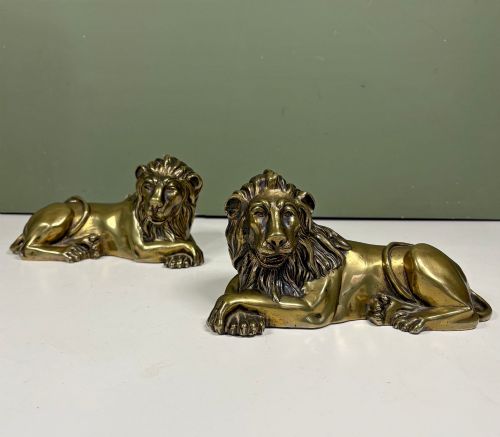
The objects originate primarily from the nineteenth century, with styles encompassing Victorian, Art Nouveau, Neoclassical, Folk Art, and Animalier. Buyers frequently find pairs of lions, horses, and figures designed for both indoor display and garden use.
How They Were Made
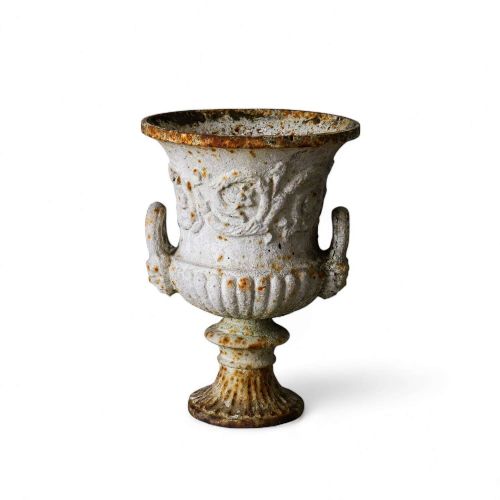
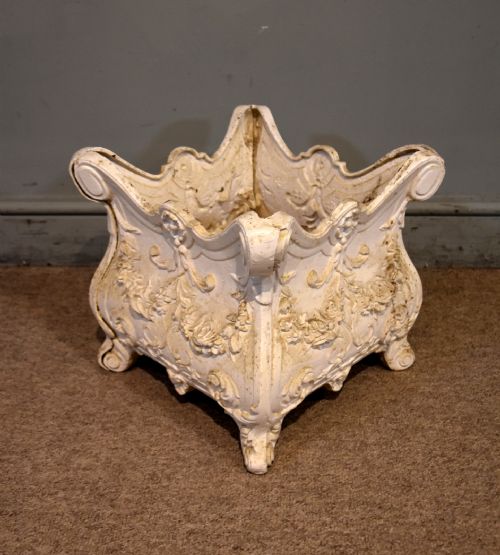
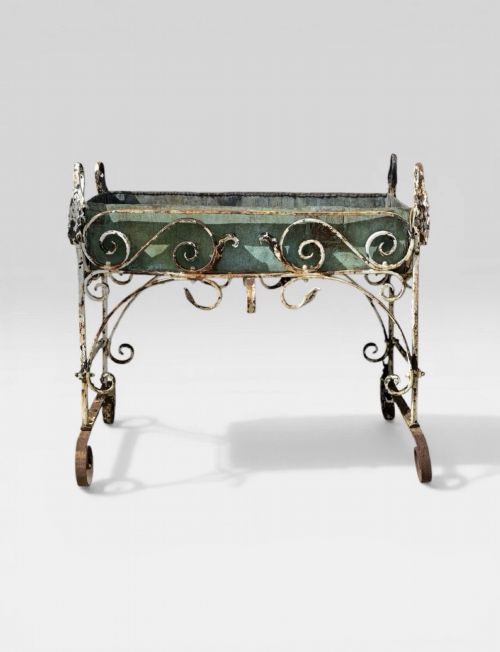
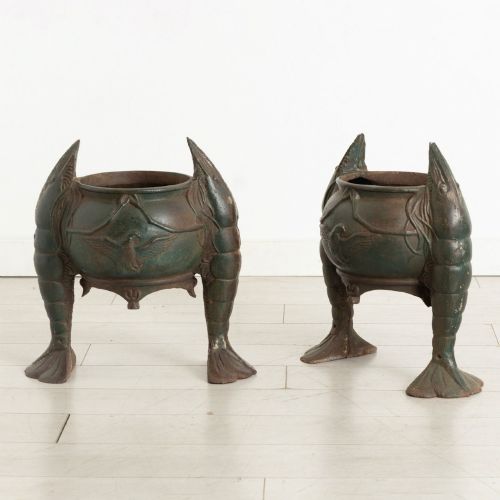
Makers utilised durable base metals such as cast iron, wrought iron, bronze, brass, spelter, and lead. Many pieces involve casting techniques, visible in the robust construction of garden planters and campana urns.
Surface finishes include applied paint, bronzing, and gilding to enhance the visual texture of the metal. Marble bases frequently support bronze figures and animal studies, adding stability and contrast.
What Varies in Quality
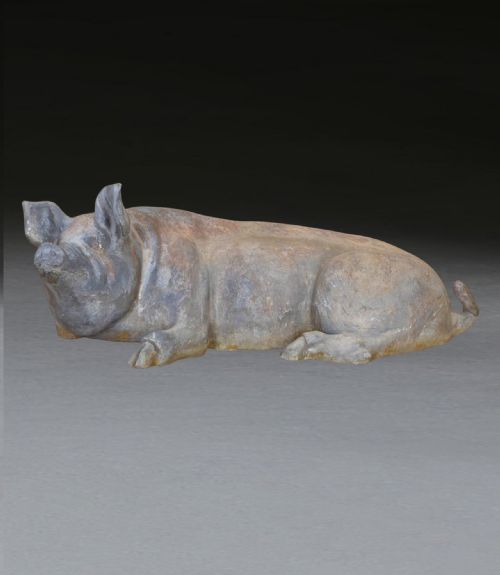
The weight and thickness of the metal dictate the durability of functional items like doorstops and garden urns. Patination accumulated through age alters the surface character and visual appeal of iron and lead objects.
Andrew Handyside·Coalbrookdale·E Villanis·Lucien Madrassi
The Victorian Metal Ornament Glossary
- Campana Urn
- A bell-shaped garden vessel popular in classical and nineteenth-century design. These large containers often sit on pedestals to display plants.
- Spelter
- A zinc alloy utilised as an affordable alternative to bronze for decorative figures. It accepts metallic finishes well but possesses a lighter weight.
- Animalier
- A nineteenth-century artistic style focusing on realistic depictions of animals. Sculptors in this tradition rendered subjects like lions, horses, and dogs with anatomical precision.
- Grand Tour
- Souvenirs and decorative objects collected by travellers in Europe during the nineteenth century. These items often reference classical antiquity.
- Ewer
- A large jug with a flared spout and a curved handle, primarily decorative in later periods. They appear in bronze and brass among interior ornaments.
Victorian Metal Ornament: Frequently Asked Questions
What metals were used for these ornaments?
Makers utilised cast iron, bronze, brass, lead, spelter, and wrought iron across different object types.
Heavier metals suited outdoor garden urns and planters, while bronze and brass appeared on desk accessories and interior sculptures.
How do I identify a Victorian piece?
Pieces from this era often display heavy cast construction, classical revival motifs, or characteristic animalier realism.
Stylistic markers include neoclassical details, Art Nouveau curves, and patinated metal surfaces developed over decades.
Were these items meant for indoor or outdoor use?
Objects served both purposes depending on their material and form, ranging from garden statuary to tabletop paperweights.
Cast iron and lead frequently formed weather-resistant planters, whereas bronze and brass populated studies, mantelpieces, and hallways.
What styles are common in these metal antiques?
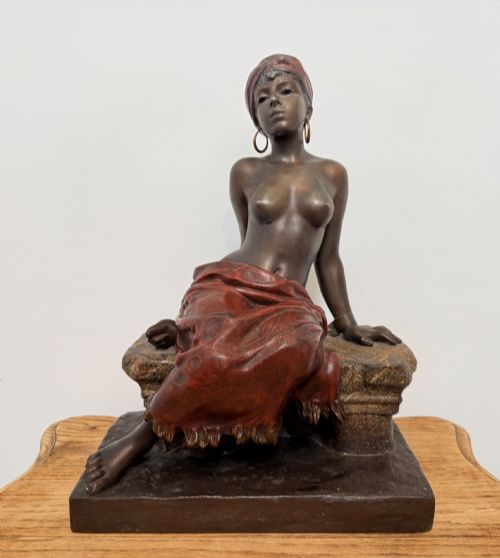
Design influences span Victorian traditionalism, Neoclassical revival, Animalier realism, and Orientalist themes.
Folk art pieces and functional hardware also feature prominently alongside grand decorative ewers and fireplace screens.