


Gold Metal Statue
A gold metal statue brings rich golden surfaces and sculptural presence to an interior, spanning centuries of decorative casting from French salons to Asian shrines.
Gold Metal Statue
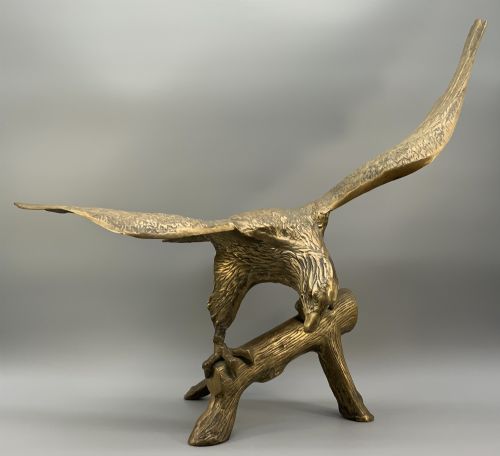
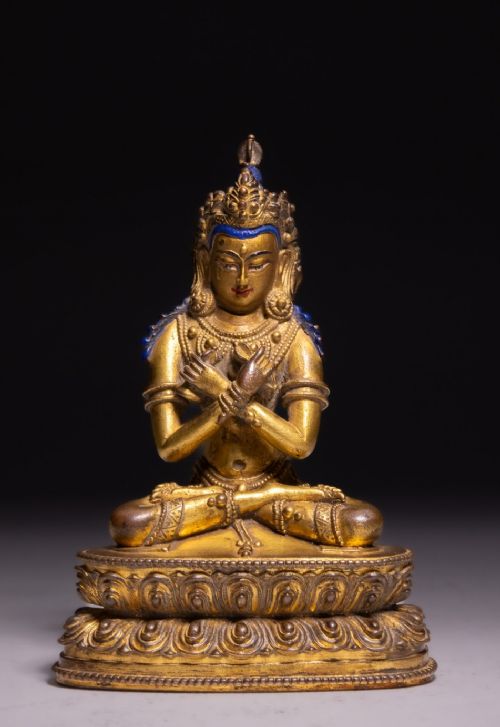
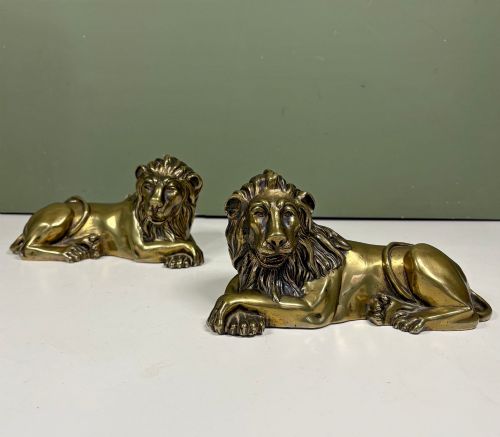
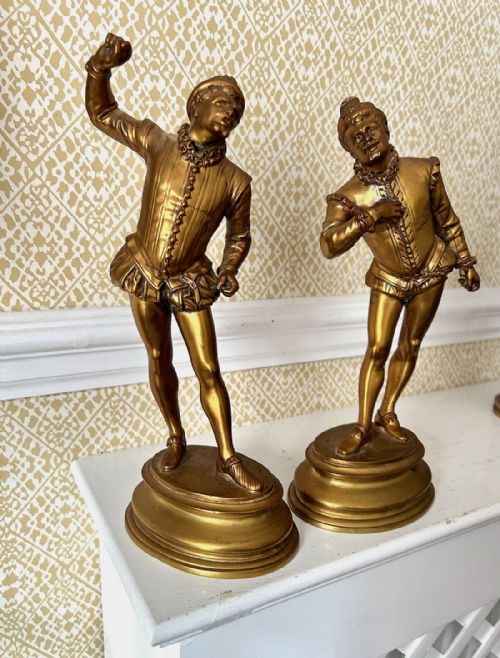
When you search for a gold metal statue, you encounter a diverse gathering of cast figures, animals, and deities spanning the nineteenth century through the art deco period. These works encompass French salon bronzes, Asian Buddhist figures, and European decorative objects designed for display on mantelpieces or desks.
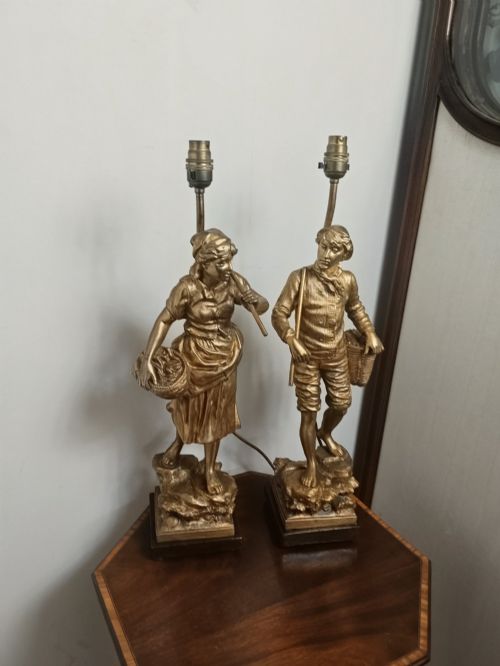
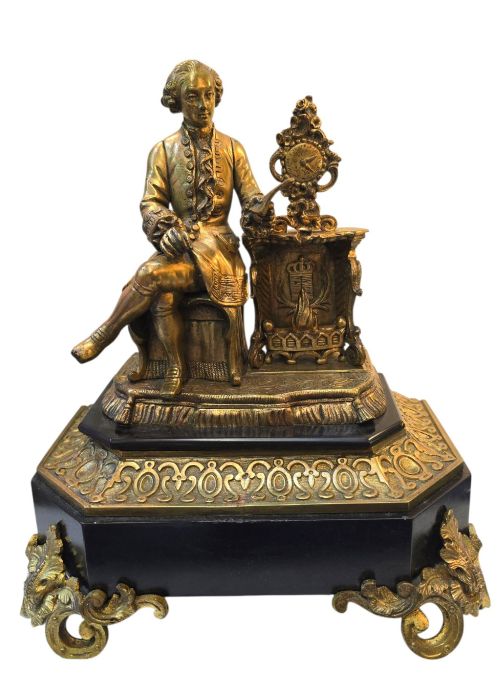
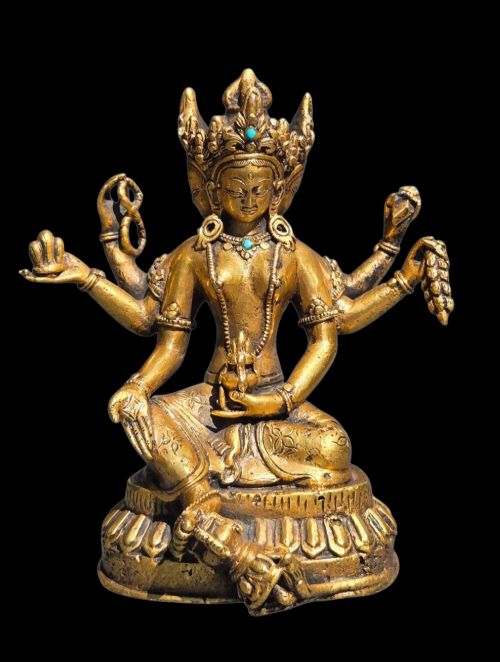
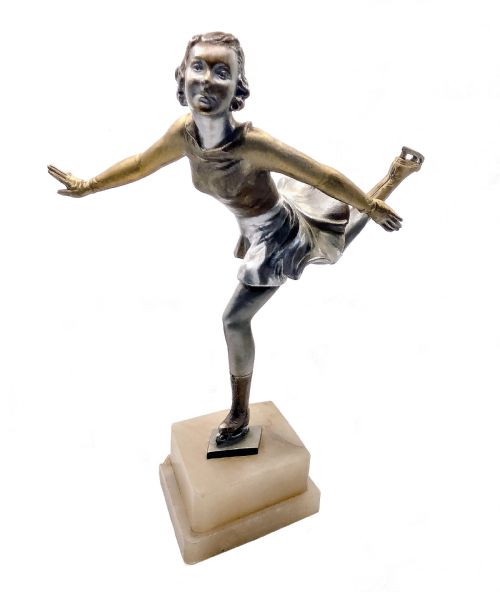
The most frequent examples on this page are nineteenth-century French gilt bronzes and nineteen-thirties art deco spelter figures mounted on onyx or marble bases. Alongside these European works, you find Sino-Tibetan and Thai cast metal buddhas as well as practical objects like table lighters and lamps.
Makers and artists represented in the selection range from European sculptors such as Josef Lorenzl and Emile-Coriolan Guillemin to traditional Asian workshops. Their creations vary from grand classical subjects to domestic animal studies and utility items cast in brass, bronze, and gilt metal.
How they were made
Makers applied surface finishes through fire gilding, cold painting, or electroplating to impart a rich golden lustre to bronze, brass, and inferior base metals like spelter. Artisans often mounted finished figures onto natural stone plinths made from marble, onyx, malachite, or olive wood.
Listings feature cast metal sculptures spanning the sixteenth to the mid-twentieth century, utilising bronze, brass, spelter, and marble.
What varies in quality
The integrity of the original surface finish dictates the visual impact of the piece, with intact fire gilding or gold leaf holding far more depth than later painted interventions. Additionally, the quality and weight of supporting stone bases, such as genuine marble or malachite, reflect the overall ambition of the object.
E Rousseau·Josef Lorenzl·Emile-Coriolan Guillemin·Jennings Brothers·Charlotte Monginot·Eurotrope Bouret·Jose Dunach
The Gold Metal Statue Glossary
- Spelter
- A zinc alloy commonly used as a cheaper alternative to bronze for casting European decorative figures, particularly during the art deco period. It requires a surface coating to mimic the appearance of bronze or gold.
- Gilt Bronze
- Bronze metal that has been covered with a thin layer of gold using mercury amalgamation or modern electroplating techniques. This treatment prevents oxidation and provides a brilliant golden finish.
- Chasing
- The manual post-casting process where an artisan uses small punches and hammers to refine details and remove surface flaws from the metal. Superior antique sculptures show extensive hand-chasing work.
- Grand Tour
- A nineteenth-century cultural journey undertaken by wealthy Europeans seeking classical antiquities and small-scale bronze souvenirs. These travel mementos frequently replicate famous ancient statues.
- Cold Painted
- A technique where paint is applied to a metal sculpture without subsequent heat firing. This decoration method is frequently found on Austrian and continental bronzes from the early twentieth century.
Gold Metal Statue: Frequently Asked Questions
How do I clean a gilt metal statue?
Dust the surface gently with a soft, dry microfibre cloth to remove accumulated particles without disturbing the delicate gold layer.
Avoid using water, chemical solvents, or abrasive metal polishes, which can strip away thin gilding or damage underlying bronze and spelter.
What is the difference between bronze and spelter?
Bronze is a durable copper and tin alloy capable of holding exceptionally sharp casting details and heavy physical weight.
Spelter is a softer zinc alloy that feels lighter and often shows age-related cracking or fatigue beneath its applied golden surface coating.
Are these figures mounted on original bases?
Many nineteenth and twentieth-century figures were paired with dedicated stone bases like marble, onyx, or slate during their initial manufacture.
Examine the fitting where the metal sculpture attaches to the stone to check for secure, period-appropriate pins and fixings.
How can I date an art deco gold metal statue?
Art deco pieces typically feature stylised geometric forms, dancers, or athletic figures cast in spelter during the nineteen-thirties.
Look for characteristic materials of the era such as stepped onyx, marble, or alabaster plinths combined with metallic patination.