


Classical Bronze Library Sculpture
A classical bronze library sculpture brings the gravitas of antiquity straight to your desk, offering enduring academic weight and refined artistic presence.
Classical Bronze Library Sculpture
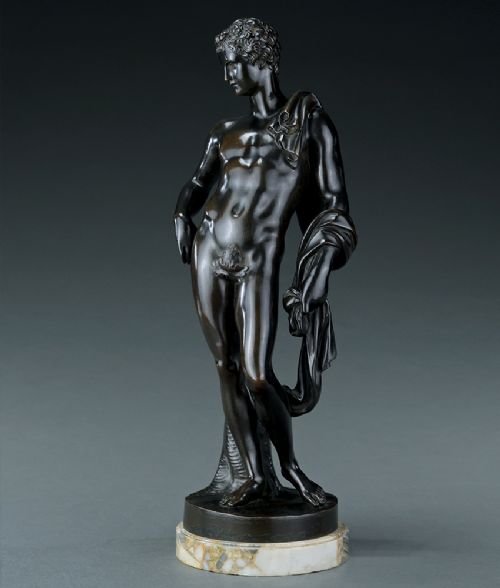
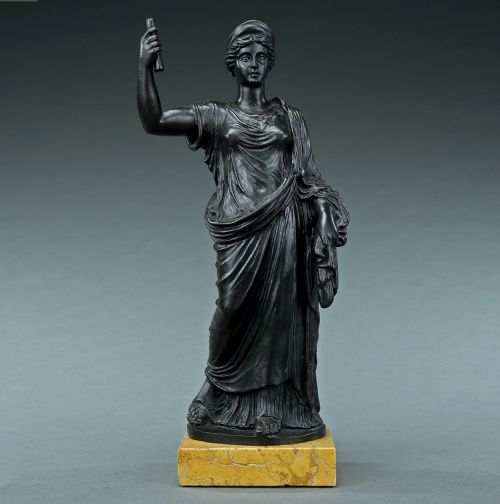
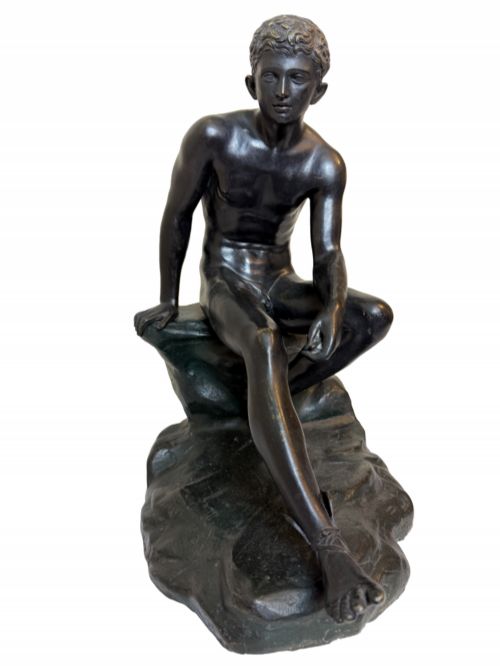
A classical bronze library sculpture represents figures from antiquity and mythology, taking the form of busts, small figures, table lamps, and bookends. These pieces draw heavily on the aesthetic traditions of the Grand Tour and nineteenth-century French workshops.
The objects most frequently met on this page date from the nineteenth century, including specific dates such as eighteen-eighty, eighteen-seventy, and nineteen-hundred. They portray subjects ranging from ancient deities and philosophers to literary figures and emperors.
Common forms include depictions of Juno, Hippocrates, the Spinario, Atlas, and Napoleon Bonaparte. Such works served both an ornamental and scholarly function in historic domestic libraries.
Materials and construction methods
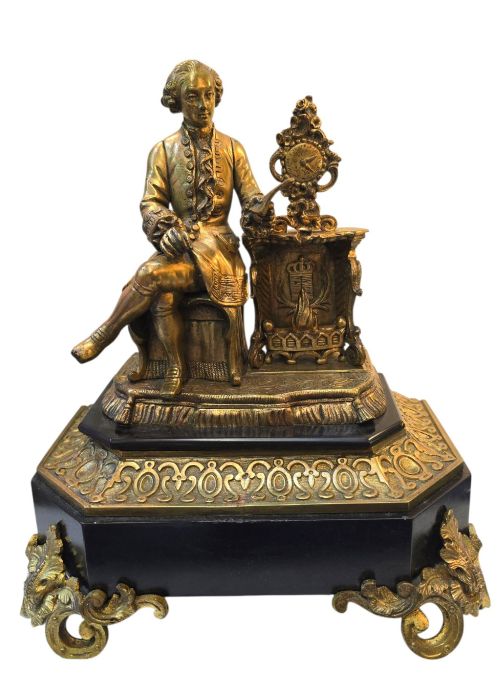
These pieces utilise cast bronze, patinated bronze, gilt bronze, and ormolu, frequently mounted upon heavy marble bases. Additional media recorded in the listings include brass, plaster, and paint.
Techniques rely on traditional metal casting methods common in nineteenth-century French and Grand Tour production. Finishing work involves careful patination to highlight sculptural detail.
The listings on this site span the nineteenth century, featuring materials such as bronze, marble, ormolu, and plaster.
Distinctions in quality
Quality rests upon the crispness of the casting and the depth of the finish, where finer examples preserve subtle facial expressions and muscular definition. Softer details and muddy patination indicate lesser execution.
The integration of the sculpture with its material base, whether marble or cast metal, contributes to the overall success of the piece. Superior works display a deliberate balance between the main figure and its support.
Pierre-Augustin Caron de Beaumarchais
The Classical Bronze Library Sculpture Glossary
- Grand Tour
- A traditional trip of Europe undertaken by upper-class young men of sufficient means to flourish their education. Objects acquired during this travel often included small bronze sculptures.
- Patinated bronze
- Metal treated with chemical solutions to produce a specific surface colour and texture. This process protects the bronze and accentuates sculptural contours.
- Ormolu
- Finely ground high-carat gold applied to a bronze object using a mercury amalgamation process. This technique creates a brilliant golden decorative surface.
- Neoclassical
- A Western cultural movement drawing inspiration from the art and culture of classical antiquity. It manifests in these sculptures through strict adherence to classical proportions and subject matter.
Classical Bronze Library Sculpture: Frequently Asked Questions
What is a Grand Tour sculpture?
A Grand Tour sculpture is a small-scale replica of a classical monument, ruin, or antique statue acquired by travellers during their European tours in the eighteenth and nineteenth centuries.
These pieces were specifically created as portable souvenirs for collectors to display in their private libraries and studies.
How were these bronzes used historically?
Historically, these bronzes functioned primarily as scholarly decor in private libraries, offices, and studies. They were designed to inspire intellectual contemplation among readers and collectors.
Some examples also served functional roles as heavy bookends, table lamps, or desk ornaments.
How do I date a nineteenth-century bronze?
Dating relies on examining the casting technique, the style of the patination, and any signatures or foundry marks stamped on the metal. Nineteenth-century pieces often display specific casting seams and wear patterns indicative of the period.
Stylistic cues such as Neoclassical or French Empire dress also help place the work within a specific decade.
Where should I display a library sculpture?
These sculptures suit placement on bookshelves, mahogany desks, or mantelpieces where their tactile materials can be appreciated up close. Pairing them with leather-bound books enhances their academic context.
Ensure they sit upon stable surfaces, as the marble and bronze components often carry considerable weight.