





French Historical Figure Statue
A french historical figure statue brings the weight of European monarchy and military command directly into a room.
French Historical Figure Statue
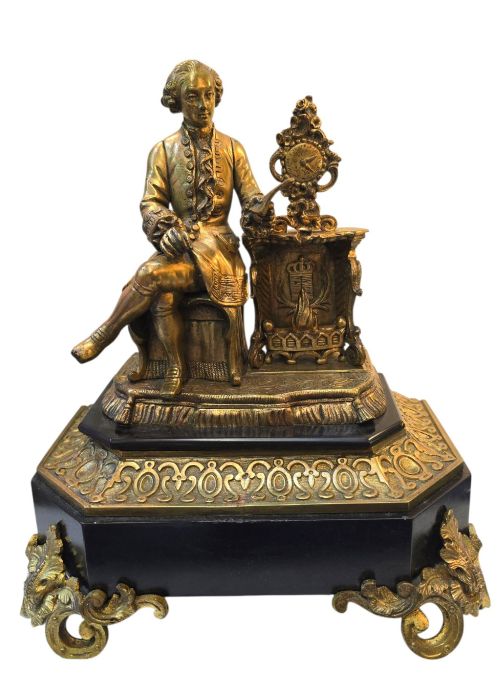
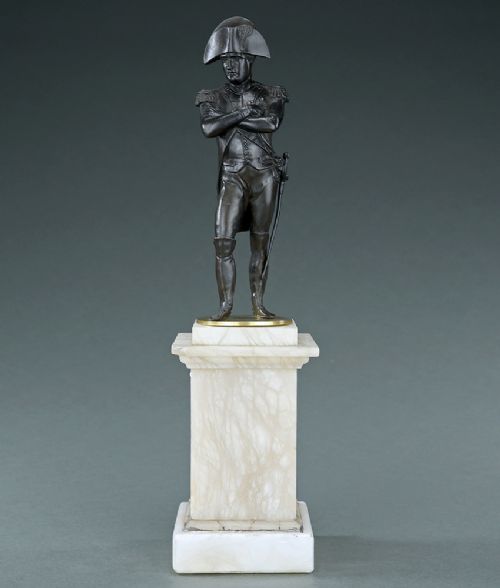
A french historical figure statue captures notable rulers, commanders, and literary characters from the nineteenth century. These works frequently depict monarchs like Louis XIV and Henry IV, alongside military leaders such as Napoleon Bonaparte and Charles I.
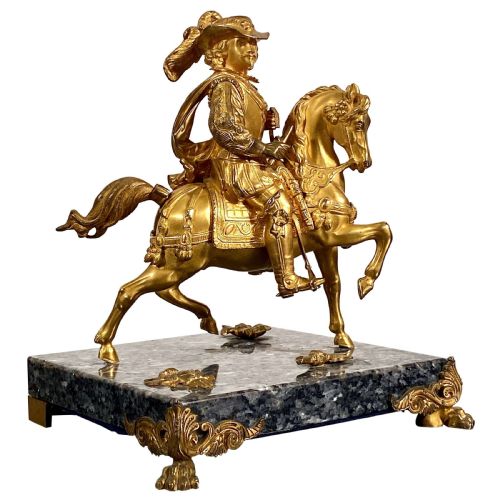
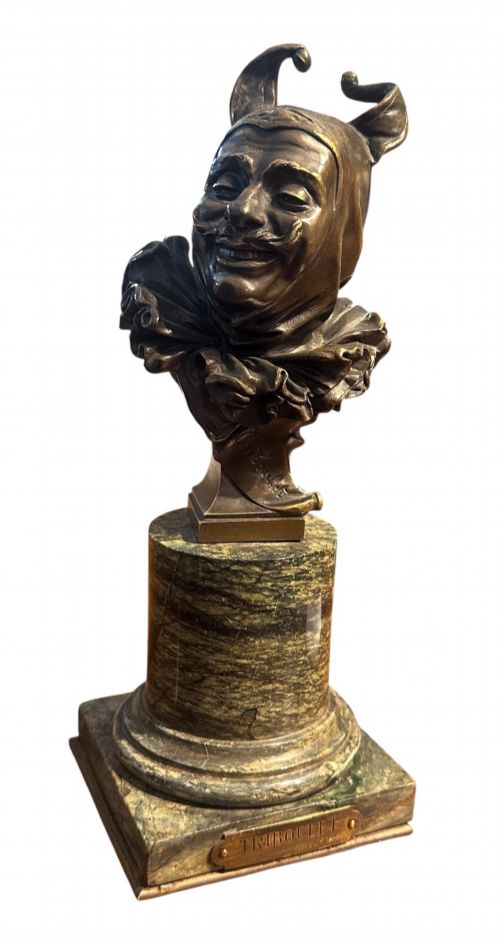
The objects appear primarily as cabinet bronzes, equestrian statuettes, and portrait busts. Most examples originate from nineteenth-century France, reflecting an era deeply engaged with its own national past and imperial history.
Makers and foundries of the period utilised specific historical clothing and regalia to ensure immediate recognition of each subject. The most common iteration on this page is the nineteenth-century bronze casting of a military figure or sovereign.
Materials and casting
Compositions often combined cast metals with carved green marble or standard marble bases to provide physical stability and visual contrast. Wood and brass elements occasionally appear in supporting bases or associated library desk items.
The listed pieces span the nineteenth century, utilising bronze, marble, and gilt metal to render historical sovereigns and military leaders.
The standard of casting
Quality rests in the crispness of the chasing and the depth of the metal finish, where superior castings retain sharp facial expressions and clear ornamentation. Finer works demonstrate careful hand-chiseling after the casting process to define medals, lace, and hair.
The reputation of the foundry and the involvement of a named sculptor elevate the standing of a piece within the nineteenth-century corpus. Works bearing foundry stamps or recognised signatures show a higher degree of sculptural fidelity.
Emile Guillemin·E.H. Dumaige·Jean Jules Salmson·Barbedienne·Willems·James Pradier·C.Anfrie
The French Historical Figure Statue Glossary
- Bronze
- An alloy of copper and tin widely utilised for sculptural casting in the nineteenth century. It accepts intricate detail and diverse chemical patination.
- Ormolu
- A gilded bronze technique involving the application of a mercury and gold amalgam to the metal surface. This process creates a brilliant golden finish on decorative mounts and statuettes.
- Patina
- The surface coloration and sheen developed through age or chemical treatment on metal sculptures. It protects the bronze while defining the visual contours of the figure.
- Bust
- A sculpted representation of a person from the chest or shoulders up. These pieces focus intensely on facial likeness and character expression.
- Equestrian
- A term describing a figure mounted on a horse. These dynamic compositions demand advanced technical skill in metal balance and weight distribution.
French Historical Figure Statue: Frequently Asked Questions
Where were these statues placed historically?
Nineteenth-century owners displayed these bronzes on library desks, antechamber mantelpieces, and dedicated pedestal tables. They served as scholarly ornaments and statements of political or historical allegiance.
Libraries and studies offered the ideal enclosed environment for appreciating the fine chased details of cabinet bronzes.
What is the difference between a bust and a full figure?
A bust focuses entirely on the head and shoulders, emphasising facial expression and specific personality traits. Full figures and equestrian statues capture the subject in action, highlighting military dress and posture.
Both forms were common in nineteenth-century French foundry production.
How should I care for a bronze statue?
Dust the surface gently with a soft, dry brush to prevent particulate accumulation in the crevices of the patina. Avoid using liquid cleaners, polishes, or abrasive cloths that can strip the original surface finish.
Maintaining a stable indoor humidity protects any associated marble bases from moisture damage.