



Ormolu Mantel Ornament
An ormolu mantel ornament brings gilded warmth to a room, combining cast metal with classical design.
Ormolu Mantel Ornament
An ormolu mantel ornament forms a decorative centrepiece for a fireplace, sitting on the marble ledge to catch the flickering light of a room. When searching for an ormolu mantel ornament, buyers encounter pieces from the nineteenth century alongside items dated around eighteen hundred, nineteen hundred, and eighteen sixty.
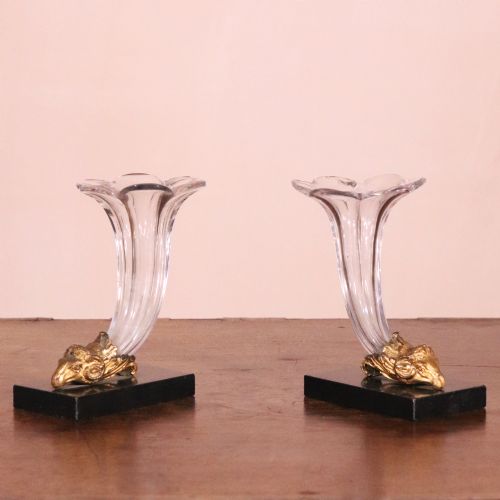
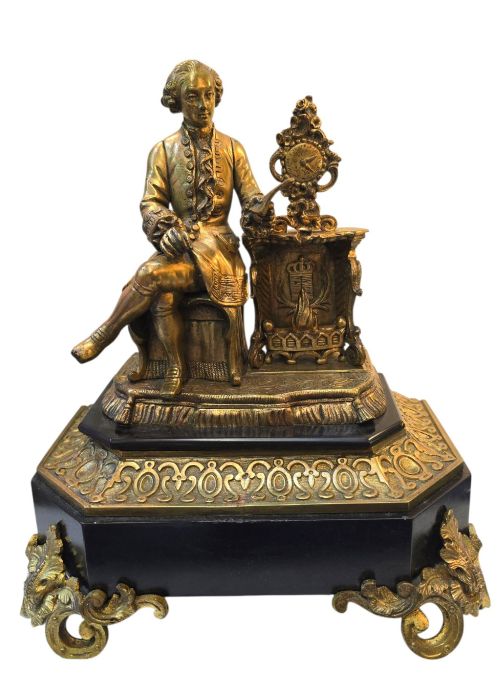
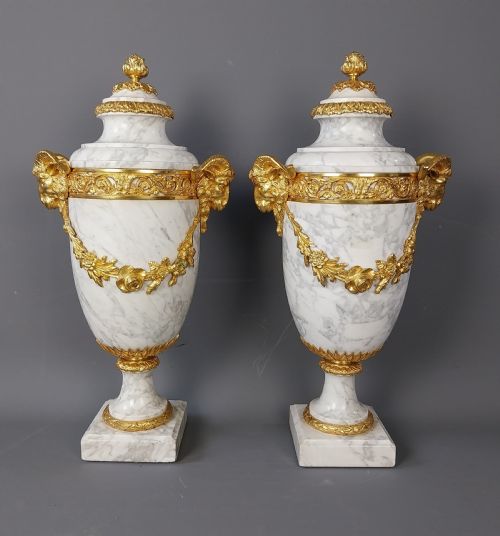
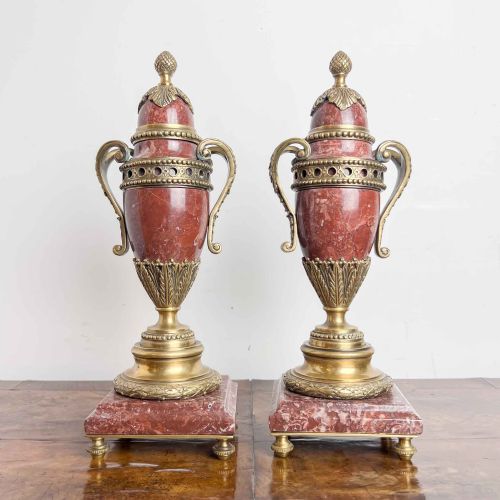
The objects take many forms, including cassolettes, candelabras, decorative urns, ewers, sculptures, figurines, and cornucopias. French aesthetic movements dominate the selection, spanning French Rococo, French Rococo Revival, Neoclassical, Louis XVI, Louis XVI Style, and French Empire alongside Regency designs.
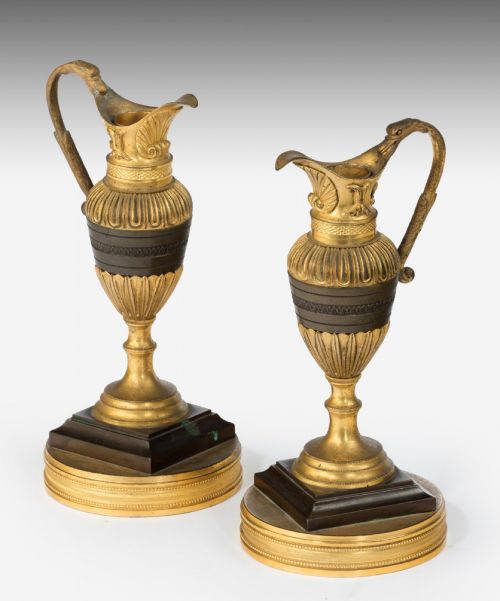
Most examples appear in pairs, designed to balance the mantelpiece symmetrically on either side of a clock or mirror. These decorative objects display distinct continental origins, particularly French workshops that favoured elaborate ornamentation.
How they were made
Maker's workshops cast these ornaments in bronze, brass, and patinated metal before applying mercury gilding to create the characteristic ormolu surface. This gold-mercury amalgam produces a deep, rich lustre that distinguishes genuine ormolu from plain brass.
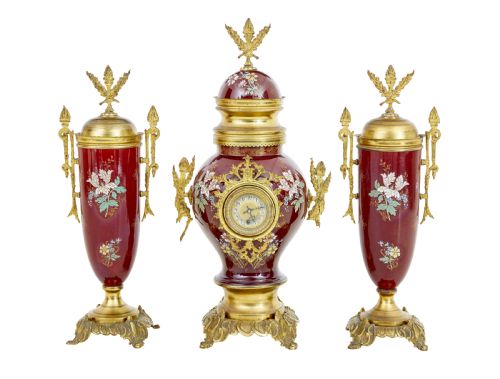
Casting work frequently integrates contrasting natural materials, pairing the gilded metal mounts with white marble, rouge marble, and glass inserts. Some items incorporate painted metal elements, such as toleware garniture sets, to add varied colour to the design.
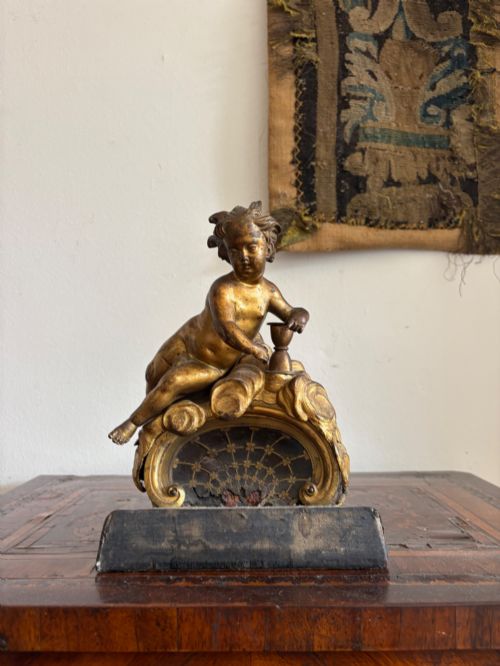
A putto finial ornament mount watches over the room, cast in bronze before the nineteenth century even found its stride.
What varies in quality
The crispness of the bronze chasing separates standard items from superior pieces, showing how deeply the artisan cut into the metal after casting. Sharp detail in facial expressions, foliage, and drapery indicates a higher level of skill in the foundry.
The harmony between the gilded metal and the stone base dictates visual success. Finely turned marble and heavy, well-balanced bronze mounts show greater integrity of construction than lighter, looser assemblies.
Pierre Augustin Caron de Beaumarchais
The Ormolu Mantel Ornament Glossary
- Ormolu
- Gilt bronze produced by applying a mercury and gold mixture to a bronze base. This technique creates a durable, warm metallic finish common in antique French decorative arts.
- Cassolette
- A dual-purpose vessel featuring a reversible lid that transforms a decorative vase into an incense burner. These objects frequently combine marble bodies with ornate metal mounts.
- Garniture set
- A matching group of three or more mantel ornaments designed to be displayed together as a unified set. They usually comprise a central clock or urn flanked by matching candelabras or vases.
- Ewer
- A large jug with a wide spout and ornate handle, historically used for water but made here purely for display. Neoclassical examples often feature classical motifs and gilded mounts.
- Finial
- A decorative ornament that finishes the top of a lid, post, or architectural feature. In mantel pieces, these often take the form of figures or foliage.
Ormolu Mantel Ornament: Frequently Asked Questions
What is an ormolu mantel ornament?
An ormolu mantel ornament is a decorative nineteenth-century piece made from gilded bronze, often combined with marble or glass. These items were designed to sit on a fireplace mantel to reflect light and add elegance to a room.
They appear in various forms, including cassolettes, candelabras, and decorative urns. French makers produced the majority of these objects in styles ranging from Rococo to Neoclassical.
How do you clean ormolu?
Cleaning ormolu requires gentle dusting with a soft, dry brush to remove surface particles without damaging the delicate gold layer. Avoid using abrasive metal polishes, which strip away the thin mercury gilding.
Moisture can harm vulnerable bronze surfaces and attached marble bodies, so liquid cleaners should be avoided entirely. Professional conservation is recommended for tarnished or neglected pieces.
Are these ornaments sold in pairs?
Many nineteenth-century mantel ornaments survive as matched pairs designed to sit symmetrically on either side of a fireplace. Candelabras and cassolettes were frequently manufactured as twin decorative objects.
Single pieces also appear, often functioning as central display items or surviving fragments of larger garniture sets. The presence of a pair generally increases the visual balance of a mantelpiece setup.