


French Ormolu Figure
When you search for a french ormolu figure, you encounter gilt bronze works that capture nineteenth-century Continental casting at its most decorative.
French Ormolu Figure
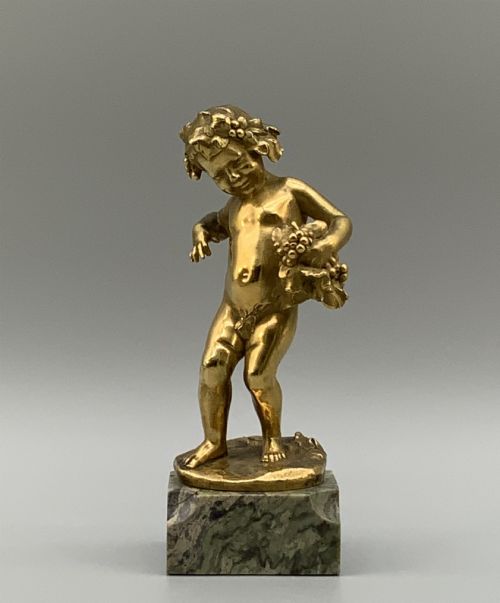
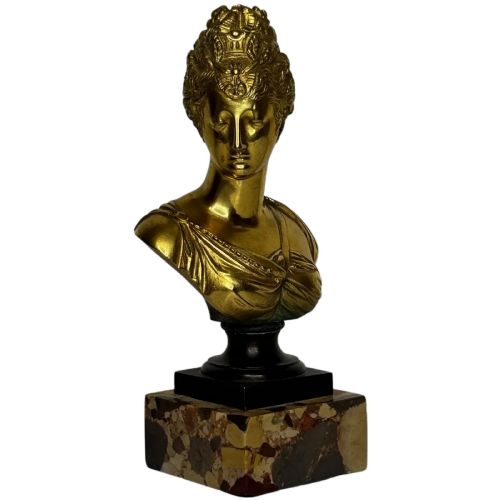
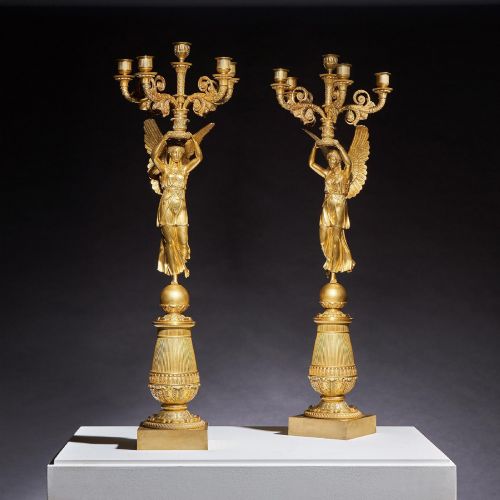
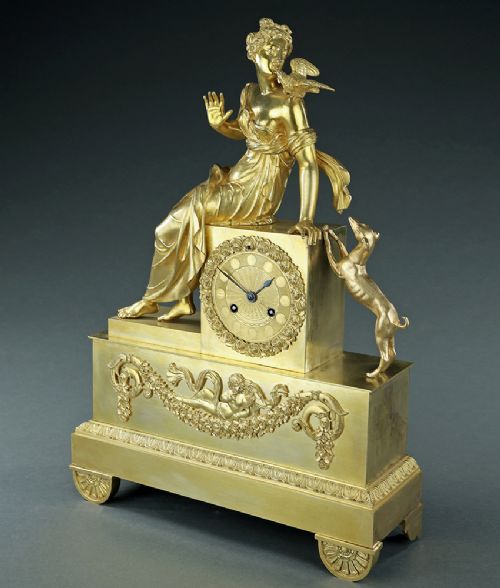
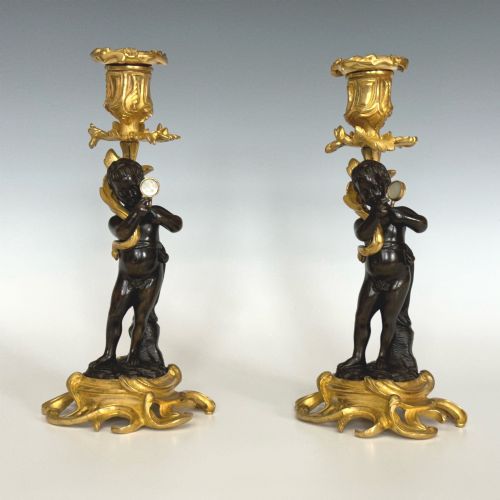
A french ormolu figure brings together cast bronze and mercury gilding to represent mythological characters, historical portraits, and allegorical subjects. These decorative objects emerge frequently in nineteenth-century interpretations of earlier royal styles.
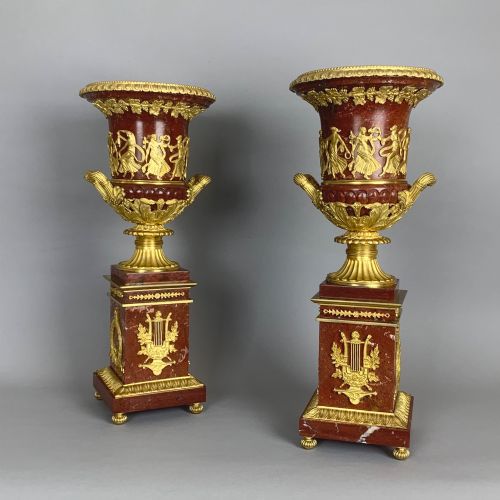
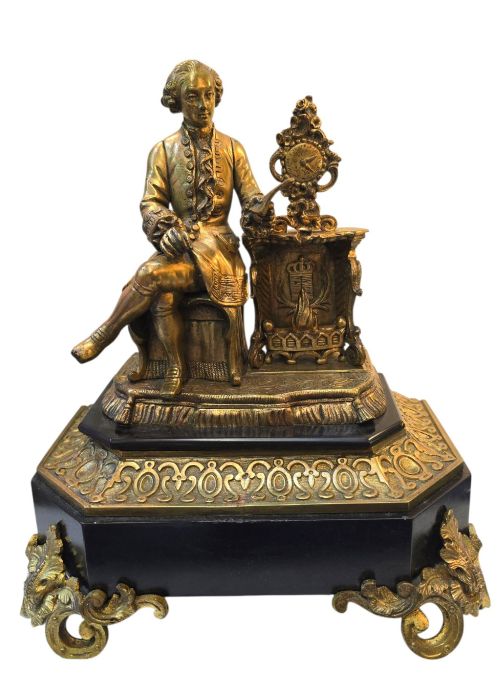
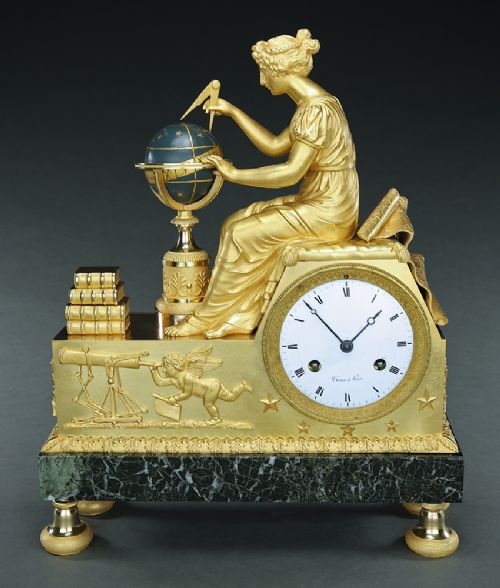
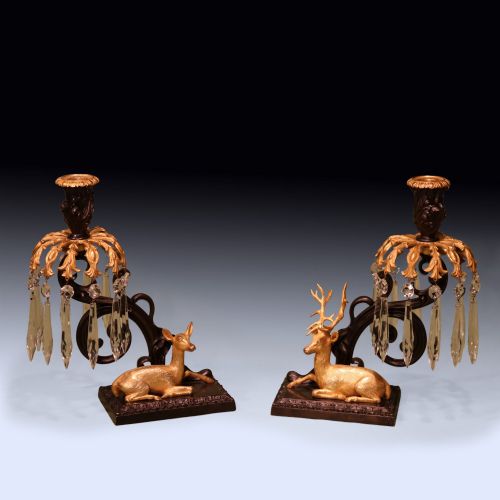
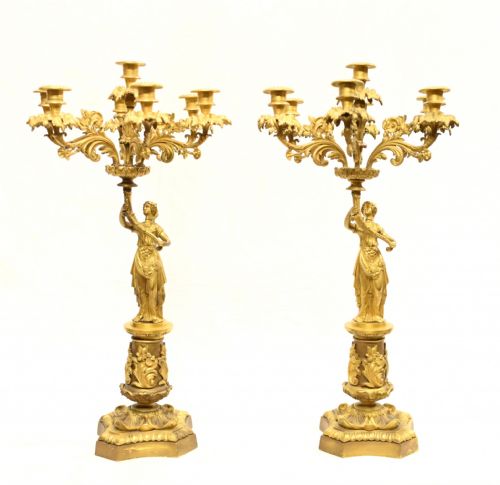
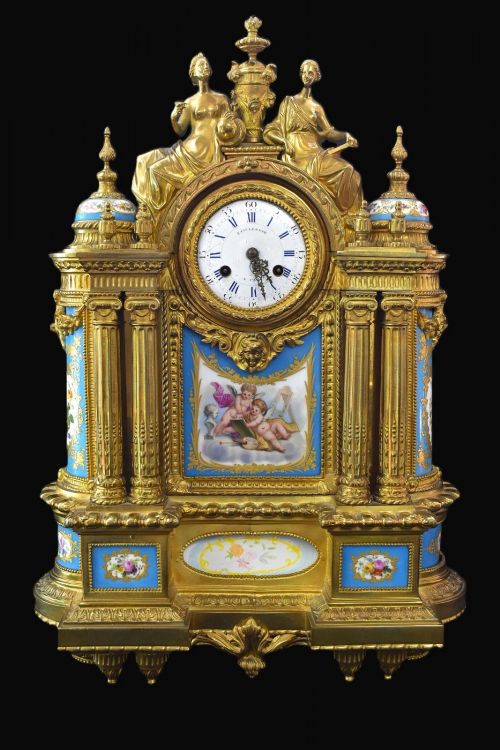
The objects take many functional and decorative forms, appearing as standalone sculptures, candelabra components, and clock mounts. Most pieces on this page originate from nineteenth-century revival periods influenced by French Empire, Rococo, and Neoclassical aesthetics.
Makers integrated gilt metal with contrasting materials such as white marble, patinated bronze, and porcelain. The resulting works range from small tabletop statuettes to large garniture set elements.
How they were made
Foundries produced these objects by casting bronze using the lost-wax method or sand-casting techniques, followed by meticulous hand-chiselling to sharpen surface details. Craftsmen then applied an amalgam of gold and mercury to the bronze base, heating the metal to drive off the mercury and leave a permanent gold layer.
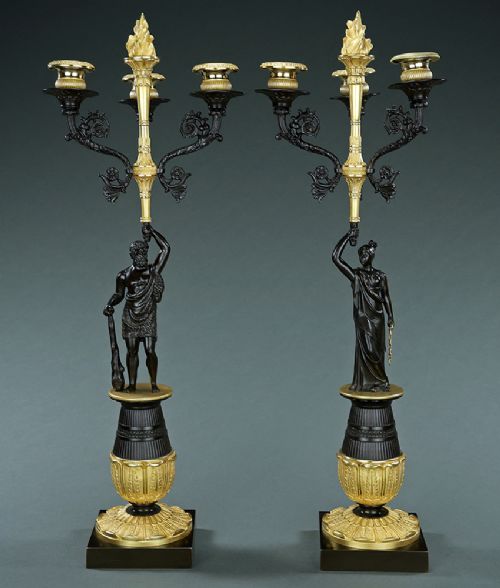
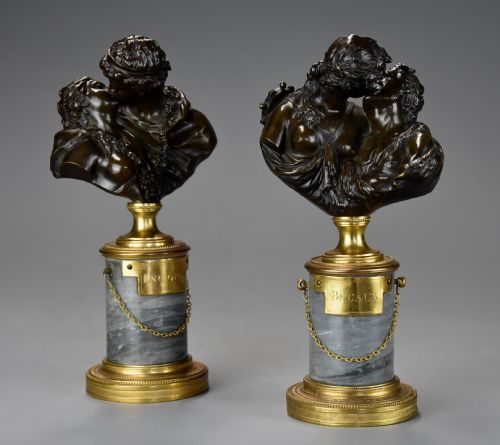
Makers combined the gilded elements with structural components of marble, glass, and burr walnut, securing the assemblies with threaded brass pins. Patination was applied separately to contrasting bronze areas to create a two-tone effect between dark figures and bright ormolu mountings.
Listings feature items mounted on white and coloured marble bases, alongside porcelain clock bodies from European manufactories.
What varies in quality
Secondary mounting and assembly contribute significantly to overall standard. Higher quality pieces utilise heavy, solid cast elements that fit precisely against marble bases without gaps or modern replacement fixings.
Susse Frères·Pierre Philippe Thomire·Christophe Fratin
The French Ormolu Figure Glossary
- Ormolu
- Gilt bronze produced by applying a mercury and gold mixture to a bronze base. The term derives from the French ou moulu, meaning ground gold.
- Patinated bronze
- Bronze treated with chemical solutions to darken its surface into deep browns or greens. This dark finish provides contrast against bright ormolu sections.
- Garniture set
- A matched group of decorative ornaments, typically comprising a central mantel clock flanked by matching candelabra or urns. These sets were designed to adorn a fireplace mantel.
- Lost-wax casting
- A metal-casting method where a wax model is melted out of a mould to create a cavity for molten bronze. This technique allows for complex undercuts and fine sculptural detail.
- Neoclassical
- An artistic movement drawing inspiration from the classical art and culture of ancient Greece and Rome. The style emphasises symmetry, restraint, and classical motifs.
French Ormolu Figure: Frequently Asked Questions
How do I clean ormolu?
Dust surfaces gently with a soft, dry microfibre cloth to remove particulate matter without scratching the gold layer. Avoid abrasive cleaners, water, and chemical polishes that strip or damage historic mercury gilding.
Inspect the object in natural light to ensure no residue builds up in recessed crevices. Professional conservation is recommended if tarnishing or deep grime obscures the metal.
Were these pieces originally gilded?
Authentic nineteenth-century pieces feature mercury gilding or fire gilding, which bonds gold directly to the bronze substrate. Later electroplated replacements often appear brighter and lack the warm, undulating texture of period gilding.
Examine high-wear areas under magnification to check for the characteristic matte and burnished variations typical of traditional finishing techniques.
How do I date a French bronze?
Dating relies on stylistic clues, casting technology, and the specific composition of accompanying materials like marble or porcelain. Nineteenth-century revival pieces often replicate eighteenth-century forms but utilise nineteenth-century assembly methods and screw threads.
Compare the base construction and patination style against known examples from documented foundry catalogues and exhibition archives.
Can I use these lamps safely?
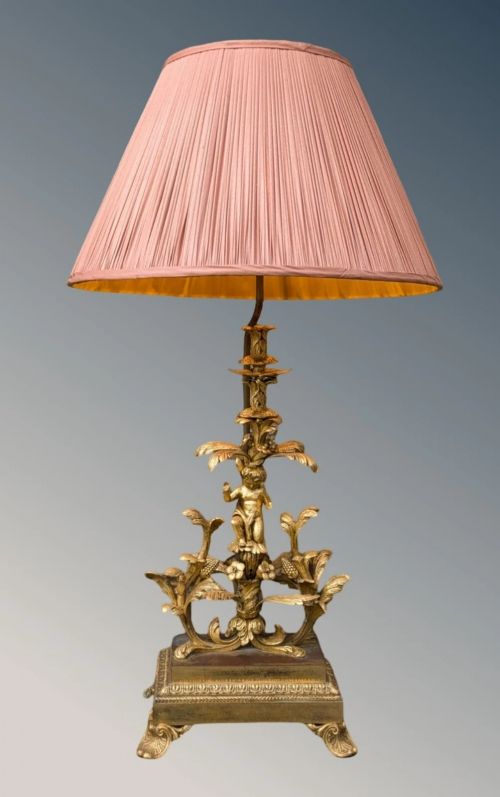
Many antique figures and urns were converted into table lamps during the twentieth century by drilling through structural bronze or mounting electrical hardware. Existing wiring should be inspected by a qualified electrician to ensure safety standards meet current regulations.
Preserve original components where possible, utilising brass fittings that respect the historic integrity of the metalwork without causing structural alterations.