
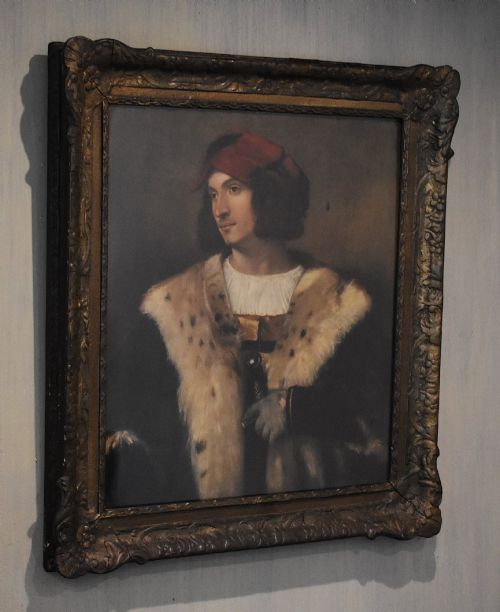


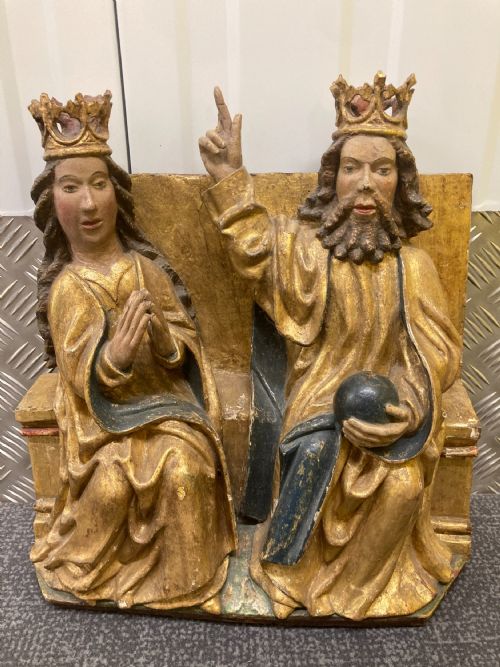
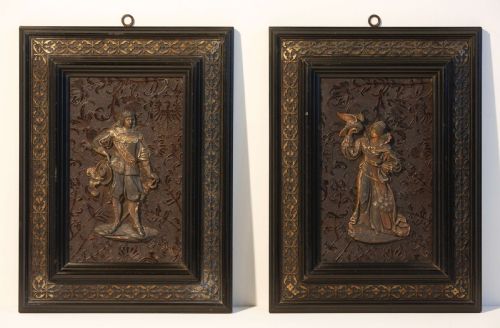
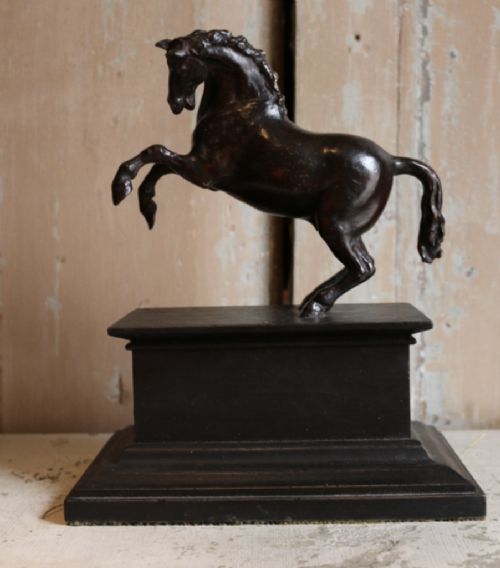


Renaissance Style Figure
These pieces termed renaissance style figure bring classical proportion and rich historic character into a room through bronze, carved wood and oil painting.
Renaissance Style Figure
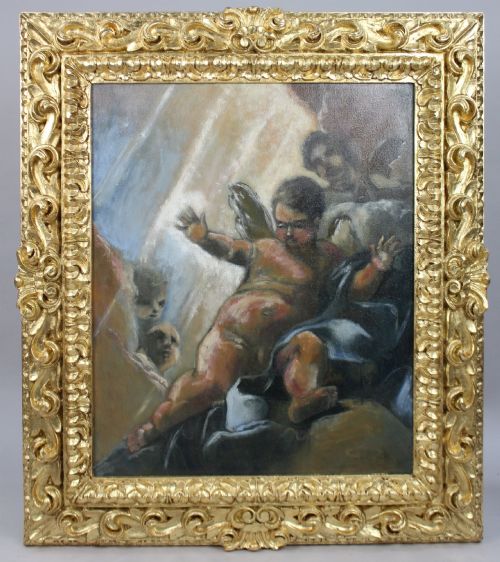
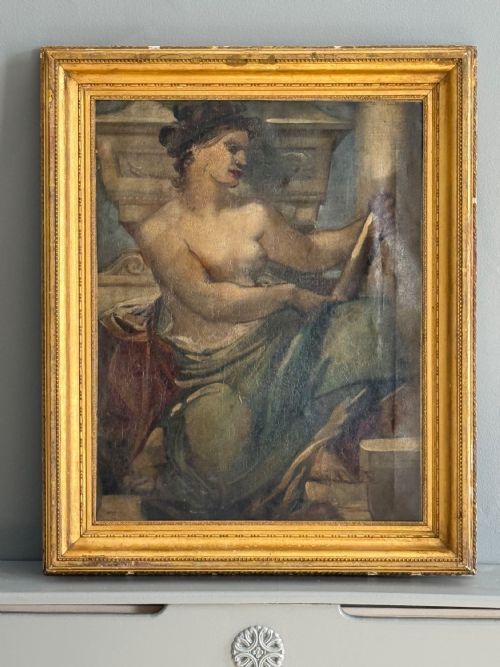
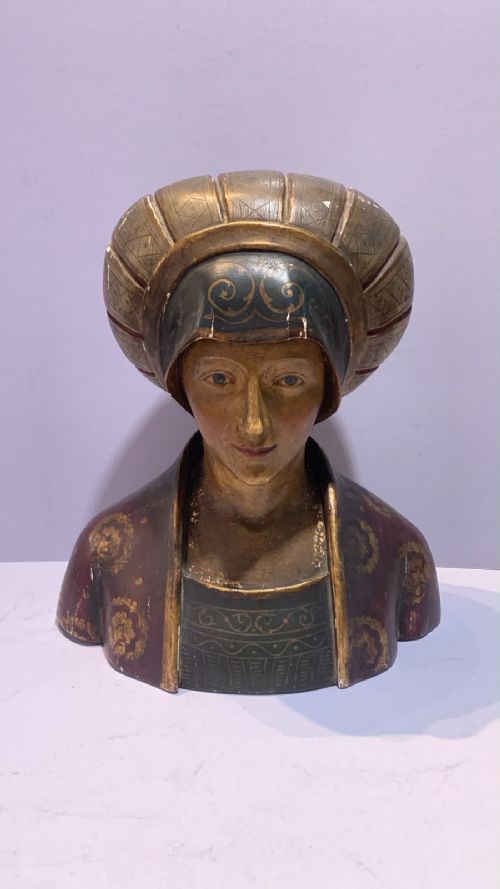
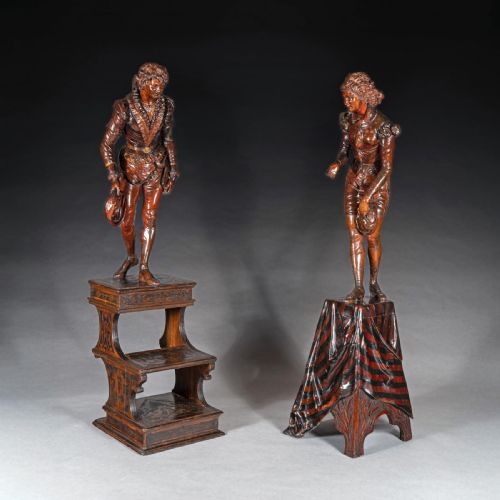
When someone searches for a renaissance style figure, they encounter sculptural works in bronze, carved wood, oak, lime wood and walnut, alongside oil paintings and framed wall art. These pieces range from grand tour busts and architectural elements like caryatids and terms to figural candlesticks and andirons.
The objects frequently date to the nineteenth century, including revivals inspired by earlier periods, alongside genuine sixteenth and seventeenth-century fragments, carvings and drawings. Subjects span noblewomen, soldiers, saints, angels and mythological figures derived from masters such as Raphael, Michelangelo and Titian.
Buyers are most likely to meet nineteenth-century Italian bronze casts, carved walnut animal or human figures, and oil paintings on canvas that reflect Renaissance Revival and Baroque Revival aesthetics. Architectural salvage and relief plaques in white metal, gilded bronze and speller also appear among the offerings.
Materials and construction
Carved wooden pieces utilise walnut, lime, oak and general carved wood, often finished with gold leaf, polychrome paint or leathermaché for architectural decorations. Artisans shaped these materials using traditional hand-carving chisels to create detailed drapery, facial expressions and ornamental motifs such as winged griffins.
Metal sculptures rely on bronze, white metal, spelter, cast iron and gilded bronze, frequently produced through traditional casting methods that capture fine surface textures. Paintings utilise oil on canvas or paper, accompanied by sanguine drawings and framed giltwood or carved wooden surrounds.
Several listings capture winged griffins and leathermaché putti, proving that historical interior decorators had a healthy appetite for winged mythical beasts.
Distinctions in execution
The distinction between ordinary and superior examples lies in the sharpness of the chisel work in carved wood and the crispness of the chase in bronze castings. Finer works display an anatomical understanding and fluid drapery that reflect careful study of original sixteenth-century models.
Surface finish also determines standing, with original polychrome, giltwood or patinated bronze retaining depth and character compared to later, heavier interventions. Sculptural pieces attributed to recorded makers or skilled workshops demonstrate superior handling of proportion, expression and material density.
Valentino Besarel·Antonio Rossellino·Raffaello Sanzio·Paul Fournier·LUIGI FRULLINI
The Renaissance Style Figure Glossary
- Grand tour
- A nineteenth-century journey through Europe undertaken by young upper-class men to study classical art and architecture. These travels generated a demand for small-scale bronzes and busts.
- Caryatid
- A sculpted female figure serving as an architectural support taking the place of a column or a pillar. They appear frequently in carved oak and architectural salvage.
- Polychrome
- Painted in several colours, often applied to wood carvings and religious figures. This technique added realism and visual impact to sixteenth-century and revival sculptures.
- Spelter
- An alloy of zinc and copper used as a cheaper alternative to bronze for decorative statues and candlesticks during the nineteenth century. It is often given a bronze-like finish.
- Term
- A pedestal figure where the upper body merges into a pillar or inverted obelisk base. They were commonly used as architectural supports or decorative ornaments.
Renaissance Style Figure: Frequently Asked Questions
What is a renaissance style figure?
It is a decorative sculpture, painting or architectural element that imitates the artistic forms, subjects and techniques of the fifteenth and sixteenth-century Renaissance. These pieces often date from later revival periods in the nineteenth century.
They include bronze statues, carved wooden panels, busts and oil paintings depicting religious subjects, historical figures or classical deities.
How do I distinguish nineteenth-century revivals from earlier works?
Distinguishing periods requires examining the tool marks, material wear and casting methods used on the piece. Nineteenth-century revival works frequently exhibit machine-assisted finishing or patination techniques typical of later industrial production.
Original sixteenth and seventeenth-century items show hand-carving anomalies, period-specific pigments and natural material shrinkage consistent with age.
Where were these figures placed historically?
Sculptures and paintings were displayed in domestic interiors, studies and galleries by collectors influenced by classical education and travel. Architectural elements like caryatids and terms were integrated into furniture, wall panelling and fireplace surrounds.
Smaller bronzes and candlesticks functioned as desk ornaments or mantel decorations in grand nineteenth-century homes.
How do I live with a wooden sculpture?
Wooden carvings require stable indoor humidity and temperature to prevent timber movement, splitting or warping of the panel or figure. Keep them away from direct heat sources and strong sunlight that could fade polychrome or giltwood surfaces.
Dusting should be done gently with a dry, soft brush without applying liquid polishes or modern cleaning agents.