


Victorian Masons China
Victorian masons china brings robust ceramic forms and rich orientalist decoration into domestic spaces, rewarding collectors who value durability alongside visual display.
Victorian Masons China
Victorian masons china comprises heavy ceramic tableware, decorative vessels and serveware produced in nineteenth-century Britain. Buyers encounter various utilitarian and display forms, ranging from dinner plates and soup tureens to large jugs, comports and garniture vases.
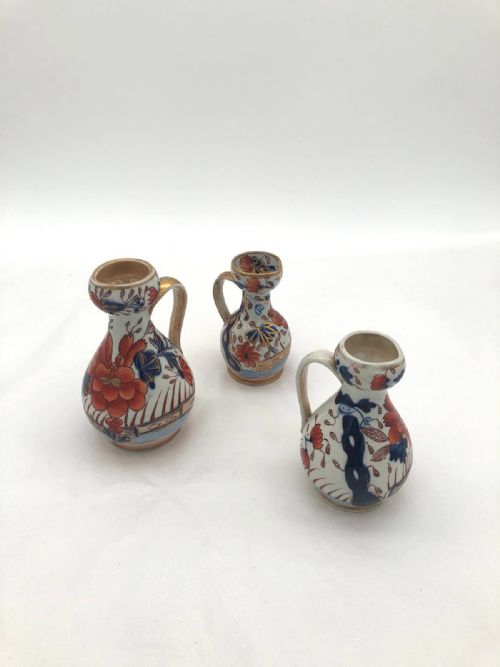
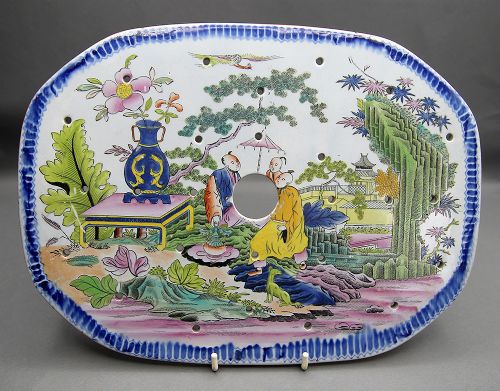
The objects frequently display bold oriental-inspired motifs such as the Fence, Japan Basket, Pagoda and Bird and Peony patterns. These designs draw heavily on Regency and Chinoiserie aesthetics, adapted through transfer printing and hand painting onto a dense ceramic body.
Materials and production methods
The pieces rely primarily on ironstone china, a patented heavy ceramic mixture designed to resist chipping while offering a fine canvas for decoration. Potters applied an absorbent glaze over the fired clay to prepare the surface for subsequent pigment application.
Makers embellished the wares using underglaze printing combined with overglaze enamel colours and gold leaf highlights. Skilled painters added cobalt blues, iron reds and gilt details by hand before a final low-temperature kiln firing set the metallic and enamel layers.
Current listings feature ironstone ceramic forms from the nineteenth century, including nineteenth-century soup tureens, comports, and Chinoiserie vases.
Distinctions in quality
The standard of painting and gilding heavily dictates the desirability of individual pieces, separating routine production from superior studio work. Hand-penciled enamel details and thick, burnished gold leaf demonstrate a greater investment of artisan labour than simpler transfer-printed outlines.
The crispness of the moulded relief and the complexity of the vessel shape also influence the tier of the piece. Elaborate forms such as handled cheese dishes, chestnut baskets and pierced drainers demand advanced potting skill compared to standard flat plates.
The Victorian Masons China Glossary
- Ironstone
- A heavy, durable ceramic body patented in the nineteenth century to imitate porcelain while offering greater strength. It forms the structural base for the majority of these wares.
- Comport
- A decorative pedestal dish or bowl used for serving fruit or sweets at formal dining tables. These elevated vessels stand on a central foot or base.
- Garniture
- A set of ornamental vases, usually three or five in matching patterns, designed to display together on a mantelpiece or sideboard. They vary in size while sharing a unified decorative theme.
- Ashet
- A large flat dish or platter used for serving meat at the table. The term appears frequently in Scottish and northern regional inventories for sizable ceramic platters.
- Enamel
- Opaque coloured glass fused to the ceramic surface during secondary kiln firings. Artisans utilised these vibrant pigments to build up complex pictorial scenes over printed outlines.
Victorian Masons China: Frequently Asked Questions
What is Victorian masons china made of?
These pieces consist of a heavy, vitrified ceramic body known as ironstone china, developed to withstand daily domestic use. Artisans coated this dense white substrate in a glossy glaze before applying complex hand-painted enamels and gilt highlights.
Overglaze decoration often includes cobalt blue, iron red and gold leaf details. The resulting material combines the practical strength of stoneware with the refined appearance of imported porcelain.
How were these vessels used originally?
The wares served practical functions in nineteenth-century households, ranging from large meat platters and soup tureens to cheese dishes and washstand jug and basin sets. Dining rooms utilised comports and ash ets for presenting courses during formal meals.
Decorative items like potpourri vases and candlesticks fulfilled aesthetic roles in drawing rooms and parlours. Many forms bridged utility and display, functioning as functional tableware while enhancing interior decor.
How do I care for ironstone china?
Wash these ceramics gently by hand in warm water using mild detergent to protect the delicate overglaze enamels and gold leaf gilding. Avoid abrasive scourers or harsh automated dishwashers that can wear away the historic surface decoration.
Store pieces securely on stable shelving, ensuring that heavy items like soup tureens and large platters bear their weight evenly. Proper handling preserves the original glaze and prevents chipping on the dense ceramic edges.
How do I identify Chinoiserie patterns?
Chinoiserie designs feature European interpretations of East Asian motifs, including pagodas, exotic birds, bamboo, fences and bridge landscapes. These patterns typically combine blue transfer printing with hand-applied enamel colours in red, green and yellow.
Look for distinctive compositional elements like the Fence or Japan Basket motifs across plates, vases and tea wares. The juxtaposition of geometric garden structures with organic floral elements defines this stylistic group.