


Antique Imari Sauce Tureen
These antique imari sauce tureen pieces bring vibrant Japanese-inspired palettes and robust British ceramic traditions to the dining table.
Antique Imari Sauce Tureen
An antique imari sauce tureen is a covered vessel designed for serving sauces at the formal dining table, combining utilitarian purpose with striking decorative appeal. When searching for this form, buyers encounter pieces spanning the Georgian, Regency, and Victorian eras.
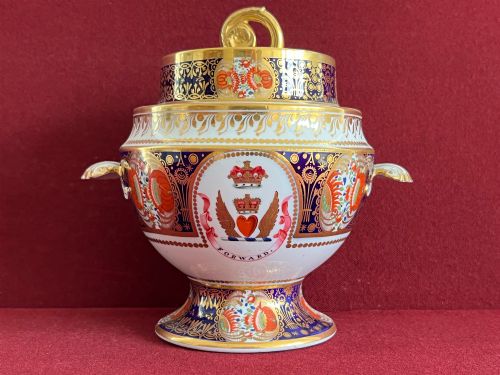
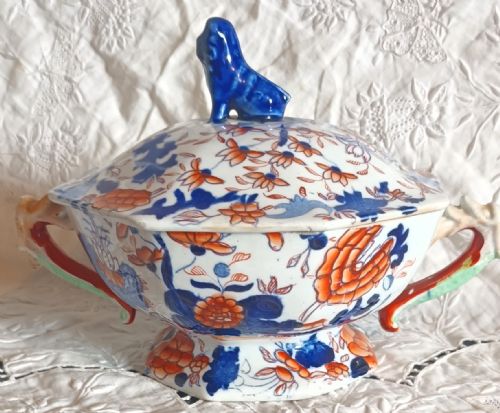
The selections on this page showcase notable British ceramic bodies decorated in the distinctive imari palette of iron red, cobalt blue, and gold leaf. Many examples emerge from the nineteenth century, reflecting the period's fascination with East Asian designs adapted for European dining habits.
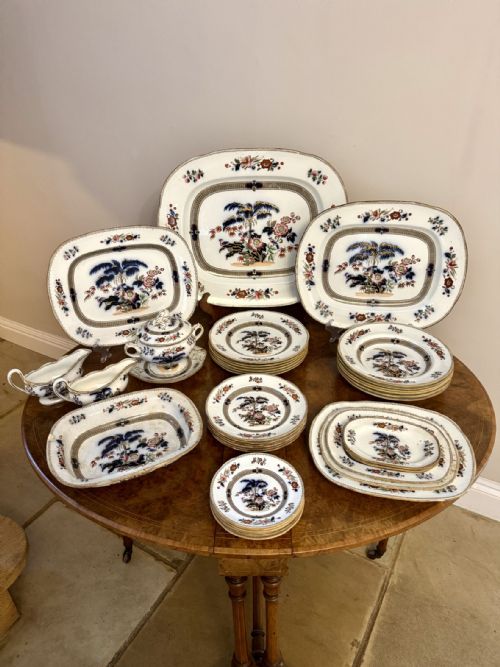
Forms range from individual lidded vessels complete with matching ladles to larger dinnerware sets and pairs bearing traditional patterns like the Japan Basket motif. Makers utilised durable ironstone alongside fine porcelain to create these functional tablewares.
Materials and manufacture
Potters constructed these tureens using dense ironstone and fine porcelain bodies, fired at high temperatures to ensure durability for everyday dining. Earthenware and ceramic foundations provided stable structures capable of retaining heat for warmed gravies and sauces.
Artisans applied vibrant enamel colours alongside rich gilding and gold leaf to create the characteristic imari aesthetic upon the glazed surfaces. Gilt handles and hand-painted motifs required precise firing techniques to fuse the metallic accents securely to the ceramic body.
Distinctions in craftsmanship
Quality separates along the crispness of the hand-painted cobalt and iron red enamel work, alongside the precision of the applied gilding. Superior examples display intricate detailing and well-preserved gold leaf upon handles and rims.
The weight and refinement of the ceramic body also determine the standard of the piece, distinguishing robust ironstone from finer porcelain bodies like Worcester. Complete sets featuring matching covers and original ladles command greater distinction among surviving tablewares.
Wedgwood·Mason's Ironstone·Flight Barr And Barr·Chamberlain Worcester·Coalbrookdale
The Antique Imari Sauce Tureen Glossary
- Imari
- A decorative style characterised by a palette of rich cobalt blue, iron red, and abundant gilding. This aesthetic was originally produced in Japan and later emulated by European porcelain and ironstone factories.
- Ironstone
- A heavy, durable type of earthenware patented in the nineteenth century. It offered a robust alternative to porcelain while maintaining a smooth surface suitable for intricate enamel painting.
- Sauce Tureen
- A small lidded serving vessel specifically shaped for gravies or sauces, often accompanied by an undertow or matching ladle. These pieces formed part of larger nineteenth-century dining services.
- Gilding
- The application of gold leaf or powdered gold to ceramic surfaces. It highlights handles, rims, and decorative borders on finer tablewares.
- Enamel
- Opaque vitreous colours fused to the glazed ceramic body during secondary firings. This technique secures the vibrant red and blue tones characteristic of imari patterns.
Antique Imari Sauce Tureen: Frequently Asked Questions
What is an antique imari sauce tureen used for?
These covered vessels served gravies, melted butter, and thin sauces at formal nineteenth-century dining tables. The lid helped retain heat while the matching ladle served the contents cleanly onto plates.
Today, they function as decorative centrepieces on sideboards or serve practical purposes during formal dinner parties.
How do I date an imari sauce tureen?
Dating relies on identifying the ceramic body, maker's marks stamped on the base, and the prevailing style of the period. Ironstone pieces often point towards the nineteenth century, while specific factory marks narrow down production eras.
Stylistic shifts between Georgian restraint and Victorian ornamentation also offer clear clues to a piece's age.
Are these tureens dishwasher safe?
Antique ceramics decorated with hand-painted enamels and delicate gold leaf require gentle hand washing in lukewarm water. Harsh detergents and modern dishwashers will erode the historical gilding and delicate surface decorations over time.
Careful maintenance preserves the integrity of the glaze and the vibrant imari colours.
What makes ironstone different from porcelain?
Ironstone is a dense, heavy earthenware designed for everyday durability during the nineteenth century. Porcelain is a finer, more translucent ceramic material fired at higher temperatures.
Both materials accommodated the vibrant imari decoration styles favoured by period manufacturers.