


White Porcelain Gravy Boat
A white porcelain gravy boat brings 18th-century porcelain artistry and functional elegance directly to the dining table.
White Porcelain Gravy Boat
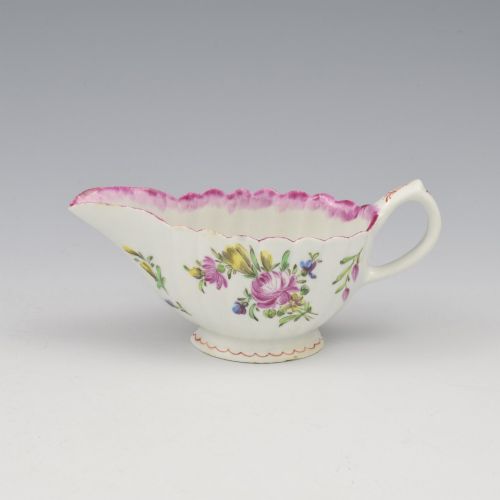
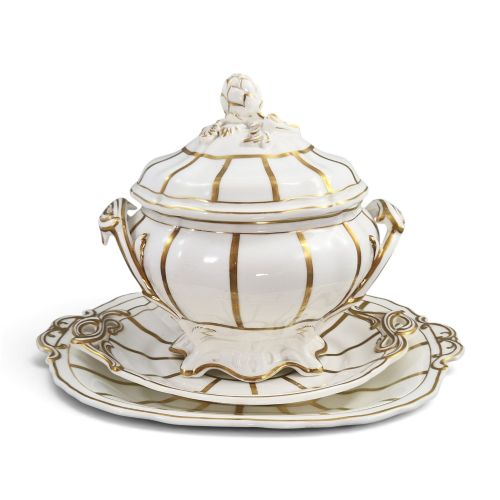
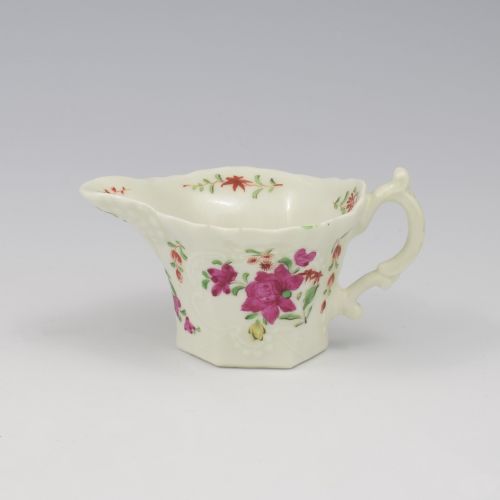
A white porcelain gravy boat is a utilitarian vessel designed for serving sauces, gravies, and creams at the dining table. The selection here spans the 18th and 19th centuries, capturing both Georgian and Victorian dining customs through refined ceramic forms.
Buyers will most frequently encounter 18th-century soft-paste porcelain examples alongside later bone china and ironstone variations. These pieces appear as traditional sauce boats, tureens complete with ladles, and specialised jug forms.
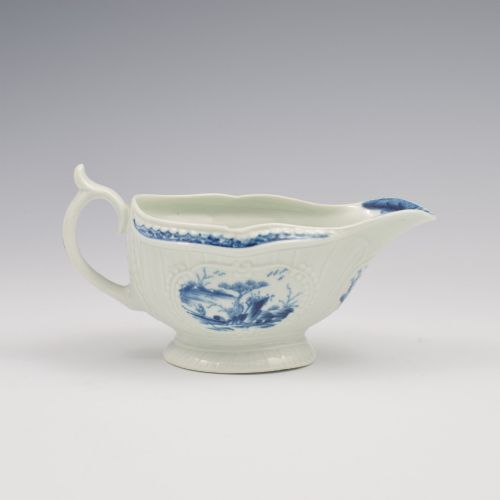
Origins stretch across prominent English factories like Bow, Chelsea Derby, and Worcester, alongside continental works such as Meissen. The decorative schemes range from plain white surfaces to intricate cobalt glaze painting and Chinoiserie scenes.
What varies in quality
The distinction between ordinary and exceptional pieces rests on the crispness of the moulding and the clarity of the painted decoration. Superior examples display sharply defined fluting, well-preserved cobalt glaze, and intricate hand-painted detail without blurring or firing flaws.
Factory origin and period attribution heavily influence the standing of a piece, with early Worcester and Bow creations demonstrating distinct artistic mastery. The presence of matching sets, such as sauce tureens paired with ladles, elevates the integrity of the vessel.
Listings feature soft-paste porcelain, bone china, and ironstone across Georgian and Victorian periods.
Davenport·Worcester·Bow·Chelsea Derby·Meissen
The White Porcelain Gravy Boat Glossary
- Soft-paste porcelain
- An early artificial ceramic composition made from white clay, glass frit, and ground materials rather than natural kaolin. It produces a warm, slightly creamy body underneath the glaze.
- Cobalt glaze
- A deep blue metallic oxide pigment applied beneath the transparent glaze before firing. It reacts to high kiln temperatures to create vibrant blue patterns.
- Bone china
- A hybrid hard-paste ceramic incorporating animal bone ash. This material results in a strong, brilliant white body capable of thin, refined walls.
- Chinoiserie
- A European artistic style reflecting Chinese aesthetic traditions. Artisans applied whimsical oriental figures and landscapes to porcelain surfaces.
- Kakiemon style
- A Japanese ceramic decorative scheme featuring asymmetric arrangements and distinct enamel palettes. Factories like Derby adopted these vibrant avian and floral motifs.
White Porcelain Gravy Boat: Frequently Asked Questions
How do I use a vintage gravy boat?
These vessels suit modern dining when handled with care for serving warm sauces and gravies.
Hand washing preserves the historic glaze and delicate enamel painting against thermal shock.
Are 18th-century gravy boats waterproof?
Most soft-paste porcelain and bone china vessels hold liquids securely after centuries of use.
Inspect the interior glaze for hairline fractures if intended for daily table service.
How can I date an antique porcelain boat?
Examine the base for factory marks, cobalt underglaze crescents, or painter numerals.
The weight, translucency of the paste, and style of the handle provide further chronological clues.