
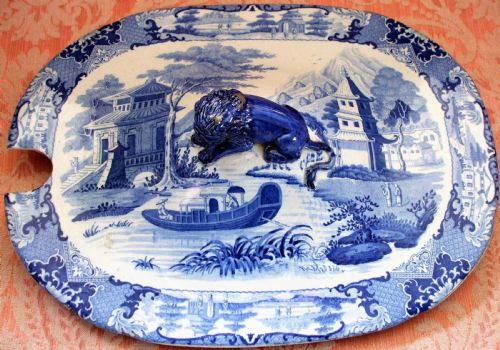


Vintage Ceramic Soup Tureen
A vintage ceramic soup tureen brings substance and historic character to a dining table.
Vintage Ceramic Soup Tureen
A vintage ceramic soup tureen is a covered vessel designed for serving soup at the table, often accompanied by matching covers, stands, or ladles. These pieces span periods from the Georgian and Regency eras through the Victorian age and into the nineteen-twenties.
How they were made
Potters shaped these tureens from earthenware, ironstone, and porcelain, applying glazes to seal the ceramic body. Many surfaces received detailed blue and white transfer printing, whilst others incorporated hand-applied enamel colours and gold leaf gilding.
Makers utilised durable ceramic paste formulas, particularly in ironstone bodies, to withstand regular dining use while retaining crisp decorative details on handles, covers, and stands.
Listings feature pieces from the Georgian, Regency, and Victorian periods, alongside items from nineteen twenty.
What varies in quality
Quality in these tureens rests on the clarity of the transfer print or painted enamel, the crispness of moulded details on handles and finials, and the preservation of any gilding. Pieces carrying identifiable factory marks generally show finer control in the glazing and firing process.
The presence of matching elements, such as original covers, ladles, and stands, alters the completeness and visual balance of the object as a serving piece.
Robert Hamilton·Coalport·Coalbrookdale·Booths·Masons·Richard Ginori·Ridgways·Copeland and Garrett
The Vintage Ceramic Soup Tureen Glossary
- Ironstone
- A heavy, durable type of earthenware patented in the nineteenth century. It provided a robust alternative to porcelain for everyday tableware.
- Transfer print
- A decorative technique where an engraved copper plate transfers a design onto paper and then onto the ceramic surface before glazing. This allowed for intricate repeating patterns like river scenes.
- Tureen
- A deep covered vessel used for serving soups, sauces, or broths at the table. They frequently include fixed handles and matching lids.
- Gilding
- The application of gold leaf or gold paint to ceramic highlights. It adds a layer of formal decoration often seen around rims and handles.
Vintage Ceramic Soup Tureen: Frequently Asked Questions
What is a soup tureen used for?
A soup tureen holds and serves hot soup or broth at the dining table, keeping the contents warm beneath a fitted lid.
Historically, larger versions anchored the centre of a formal dinner service before individual bowls were filled.
How do I identify a Georgian tureen?
Georgian tureens typically date from the late eighteenth or early nineteenth century, displaying classical forms in earthenware or early porcelain.
Look for hand-painted details, transfer-printed scenic motifs, and heavier potting characteristic of the period.
Can I use an antique tureen for serving?
Many ceramic tureens remain structurally sound for holding dry foods or warm liquids during occasional gatherings.
Hand washing preserves the historic glaze, transfer prints, and any delicate gold leaf gilding from modern dishwasher damage.
What is the difference between ironstone and porcelain?
Ironstone is a dense, opaque earthenware developed for strength and heavy domestic use.
Porcelain is a vitrified, finer ceramic body that often appears more translucent under strong light.