




Victorian Maritime Seascape
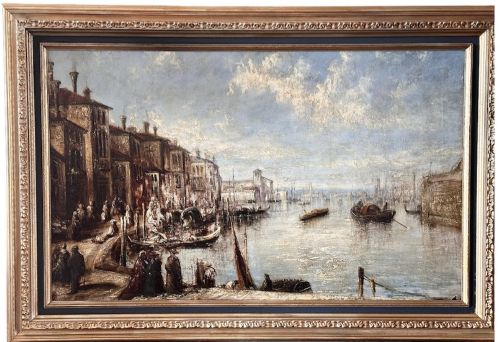
These nineteenth-century coastal and marine views capture the movement of wind, tide, and sail across British and European waters.
Victorian Maritime Seascape
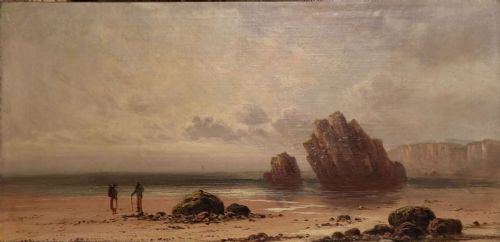
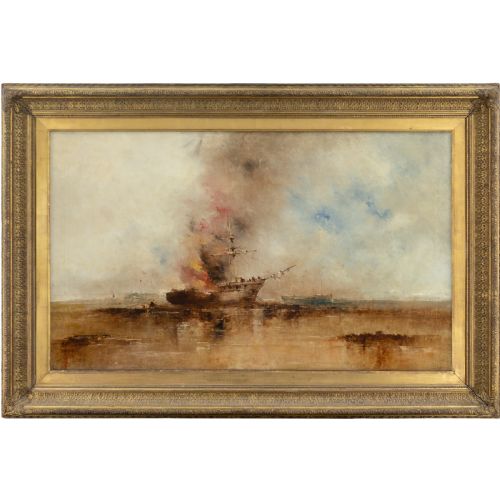
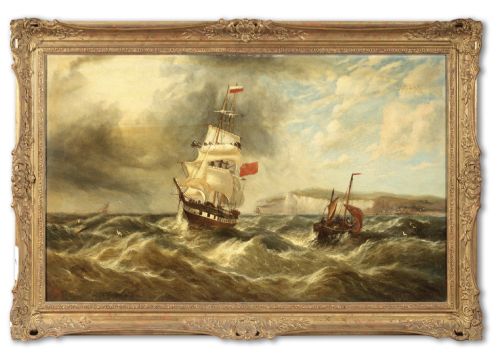
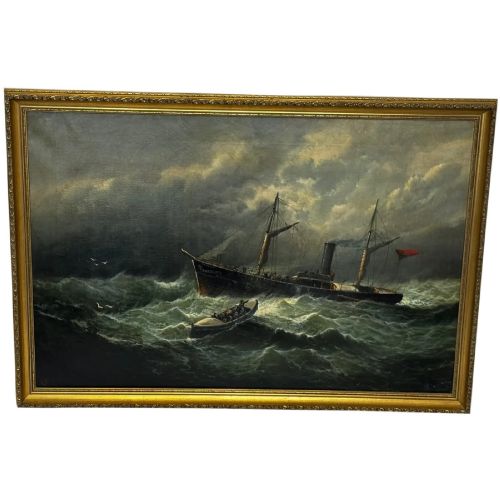
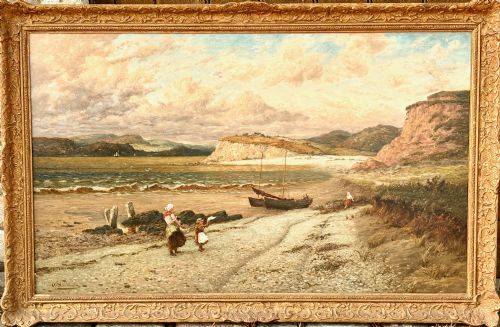
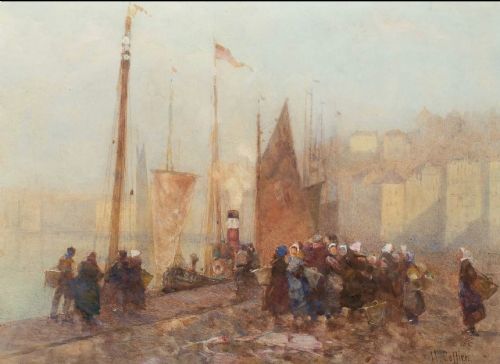
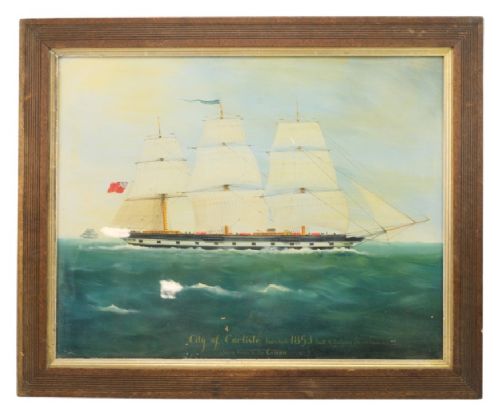
A victorian maritime seascape records the changing conditions of coastal life, harbour entrances, and deep-water shipping during the nineteenth century. These works range from calm tidal inlets in Cornwall and East Anglia to dramatic scenes of sailing ships battling heavy seas.
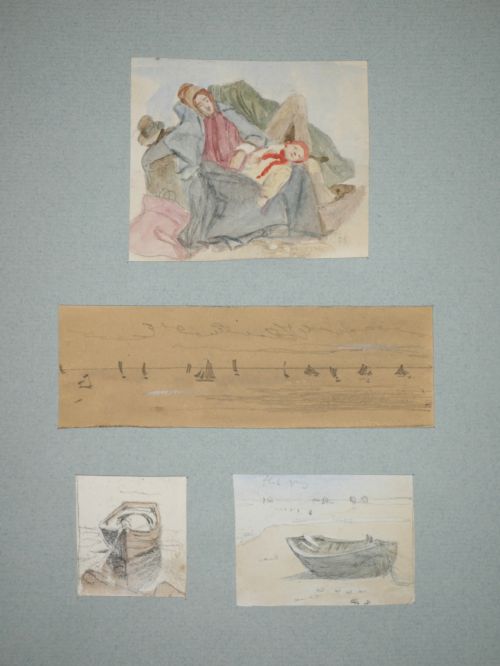
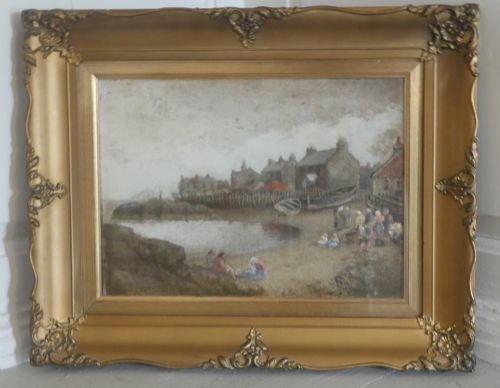
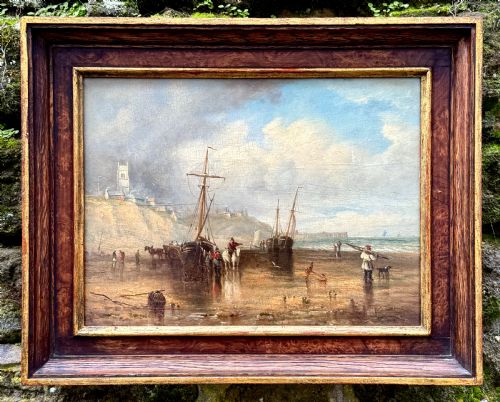
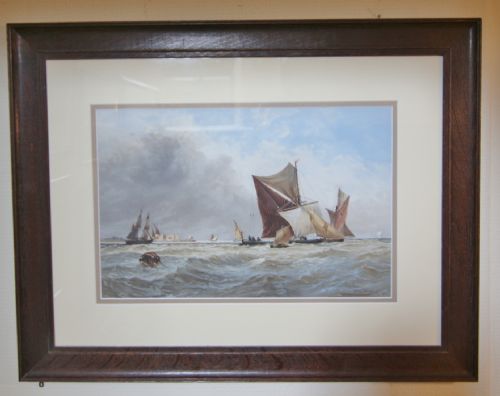
Most pieces encountered on this page take the form of original oil paintings on canvas or board, alongside detailed watercolours on paper. Subjects vary between bustling fishing ports, merchant clippers at anchor, and historic rescue operations along the coast.
The periods represented span the nineteenth century, with strong representation from the Victorian era through to the early 1900s. Works often depict specific locations such as Plymouth Breakwater, the River Thames, or St Ives harbour.
Materials and technique
Painters of this period utilised oil paint on prepared canvas or wood panels to build up rich textures of churning water, stormy skies, and billowing sailcloth. Many compositions rely on layered glazes to render the translucent qualities of coastal spray and deep ocean swells.
Watercolour works on paper employ fluid washes and fine ink or pencil detailing to capture the luminous atmosphere of estuaries and beach scenes. Artists often framed these finished works in gilt wood mouldings that complemented the tonal range of the maritime subject.
Materials recorded across the selection include traditional oil paint on canvas and board, gilt wood frames, and watercolours on paper.
Judging quality
Quality in these paintings rests upon the artist's command of maritime architecture, rigging details, and the fluid dynamics of wind-driven water. Stronger works convey accurate vessel construction and convincing atmospheric perspective rather than generic formulas for waves and clouds.
The skill of the hand shows in the management of light across distant headlands and the convincing weight of wooden merchant vessels or fishing boats. Finer examples balance topographical accuracy with a strong sense of movement and changing weather.
James Orrock·James Smetham·William McAlpine·Edward Mills·William Banks Fortescue·John Rose Miles·William Broome·Francis Moltino·Hector Caffieri·Bernard Benedict Hemy·Thomas Creswick·TB Hardy·John Wilson Carmichael·Lai Fong·Joseph Farquharson·John Moore of Ipswich·Nicholas Condy·William Henry Williamson·John Holland·George Stanfield Walters·Abraham Hulk I·Henry Barlow Carter·William Frederick Settle·Charles William Wyllie·Charles William Adderton
The Victorian Maritime Seascape Glossary
- Watercolour painting
- A work executed with water-soluble pigments on paper, often showing swift brushwork and translucent washes suited to capturing coastal skies and light.
- Oil on canvas
- A traditional painting medium using pigments bound in drying oil applied to a stretched woven fabric support, allowing for deep colour saturation and rich surface texture.
- Gilt wood
- Wood framing finished with a thin layer of gold leaf or metallic gilt, commonly used to frame nineteenth-century fine art.
- Marine art
- Artistic representation of ships, shipping, coastal views, and naval engagements, encompassing both calm harbour scenes and dramatic open-sea storms.
Victorian Maritime Seascape: Frequently Asked Questions
What subjects do these paintings show?
These works depict sailing ships, merchant vessels, coastal fishing boats, and busy harbours around the British Isles and beyond. Common motifs include rough seas, calm estuaries, and landmark coastal lighthouses.
Scenes often record specific historical locations, such as the River Thames, Plymouth Breakwater, or the coast of Cornwall, during the nineteenth century.
How were these marine artworks framed?
Period works typically feature original or contemporary gilt wood frames designed to complement the tonal palette of the oil paint or watercolour within. These frames often display decorative moulded detailing characteristic of the Victorian era.
Proper framing protects the edges of the canvas or paper from environmental wear while providing a finished presentation for wall display.
How can I tell watercolours from oils?
Watercolour paintings use transparent pigments on a paper support, often mounted beneath glass to protect the delicate surface from moisture and dust. They typically display a lighter, more luminous handling of light and atmosphere.
Oil paintings utilise heavier paint layers applied to canvas or wood panels, presenting a textured surface that reflects light differently and does not require protective glass.
Where should I hang a maritime painting?
These works suit rooms with stable humidity and indirect natural light to protect organic materials like canvas, paper, and wood frames from fading or warping. Placing them away from direct heat sources ensures the longevity of the paint layer.
Displaying them at eye level allows the viewer to appreciate the fine rigging details of the sailing vessels and the atmospheric handling of the sea.