


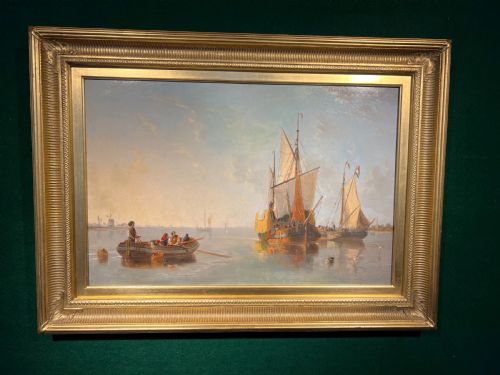
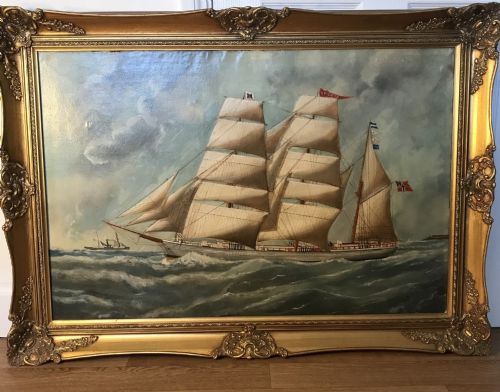
Antique Ship Painting Canvas
An antique ship painting canvas captures the drama of maritime history through oils on fabric.
Antique Ship Painting Canvas
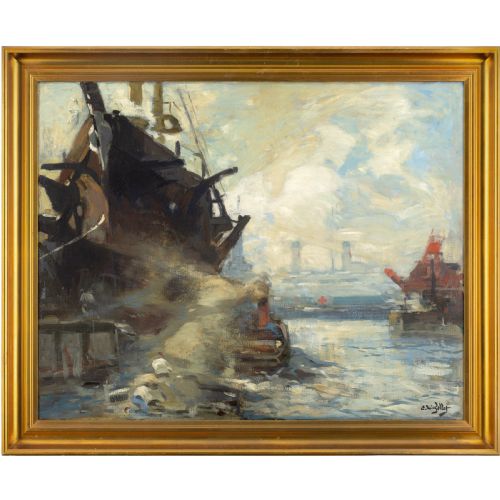
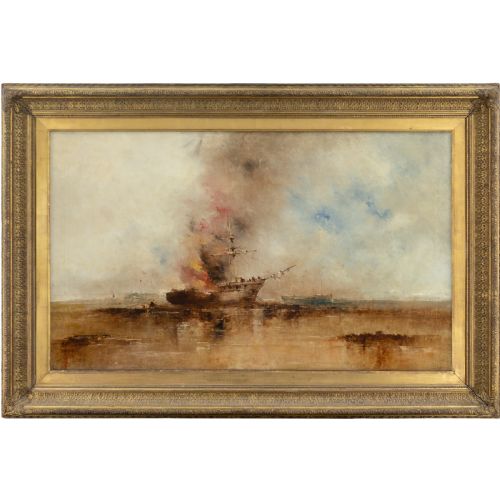
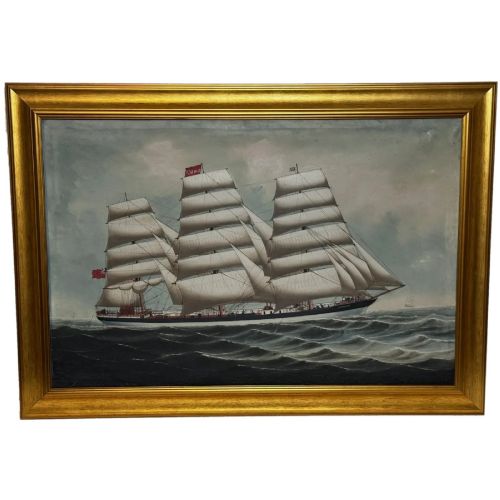
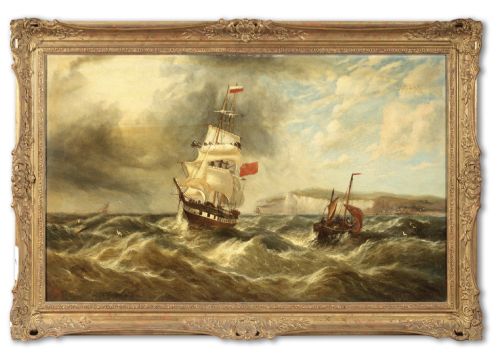
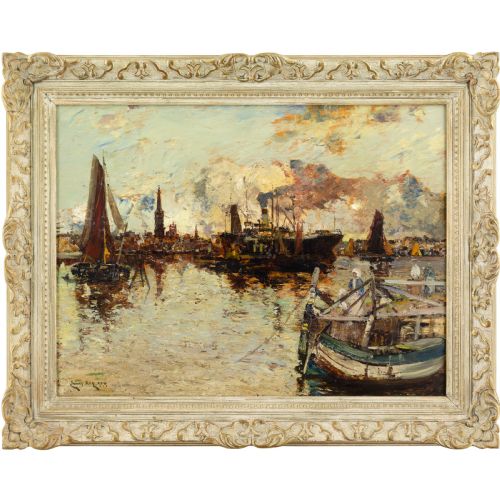
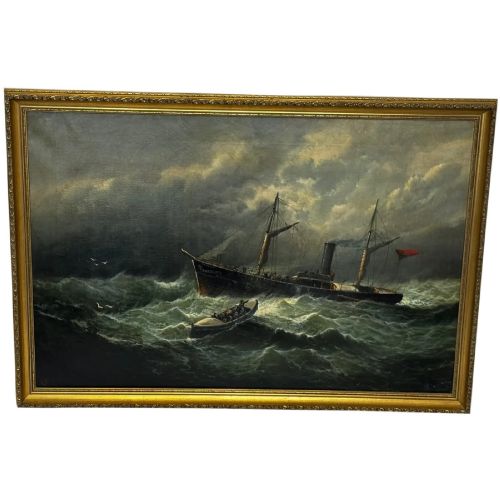
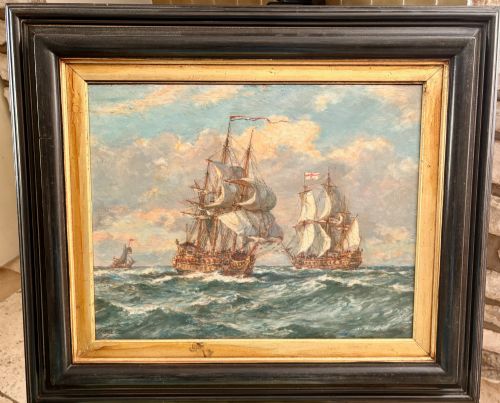
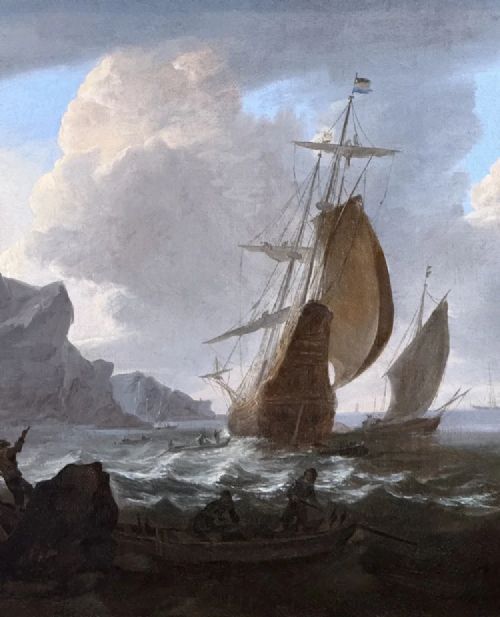
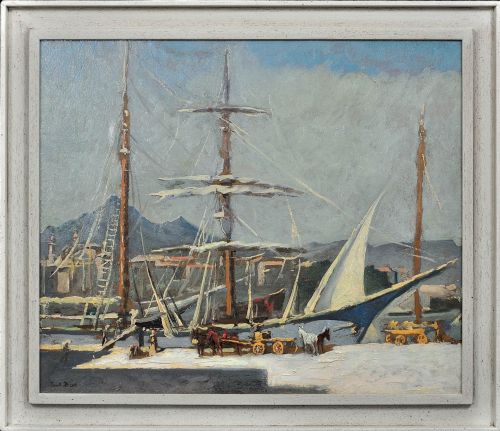
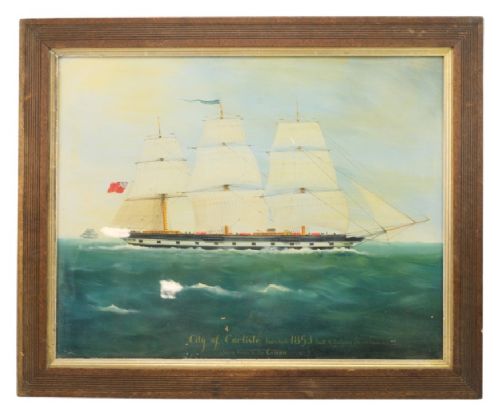
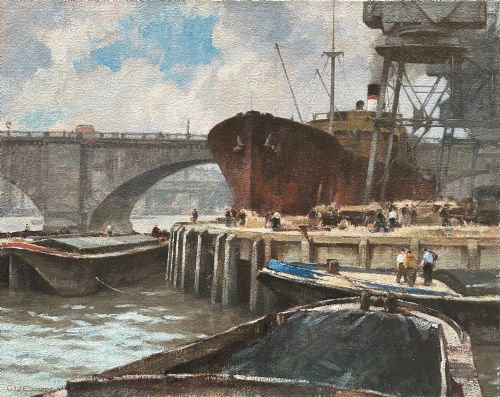
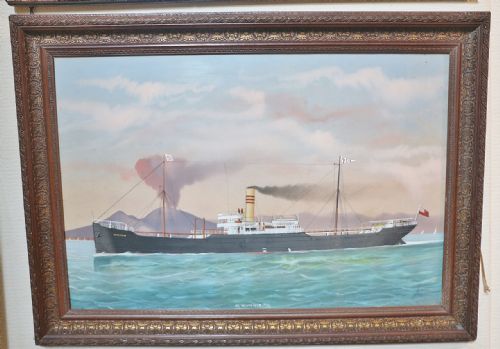
When you search for an antique ship painting canvas, you encounter depictions of maritime life spanning from the seventeenth century through to the early twentieth century. These works portray vessels ranging from majestic tall ships and three-masted schooners to naval warships and steamships navigating coastal waters or open seas.
The selections available here lean heavily into Victorian marine art and nineteenth-century maritime traditions. You find calm harbour scenes alongside dramatic depictions of ships in heavy gales, stormy seas, and naval engagements.
Beyond pure aesthetics, many canvases document specific vessels, historical events, or particular trade routes. Works frequently highlight named ships, such as the barque Vick or the clipper Slieve Roe, offering tangible connections to maritime heritage.
Materials and construction
The foundational medium for these works is oil paint applied to woven canvas. Artists utilised rich oil pigments to capture the complex interplay of light on water, churning waves, and billowing sails.
Many of these historical canvases retain their original frames, which are frequently constructed from wood enhanced with giltwood or gold leaf finishes. These decorative frames provide structural support while complementing the maritime scenes within.
Some nineteenth-century canvases come complete with the salty ghost of a captain's stubborn pride still clinging to the rigging.
Distinctions in quality
Quality in these maritime works rests on the artist's ability to render water convincingly and maintain accurate nautical proportions. Superior canvases demonstrate a sophisticated handling of light, atmospheric perspective, and the dynamic movement of wind and waves against the hull.
The presence of a documented hand or attribution to a recognised marine painter elevates the significance of a piece. Works by established nineteenth-century artists exhibit finer brushwork and a deeper understanding of naval architecture compared to anonymous school pieces.
Eugène-Louis Gillot·William McAlpine·Bernard Gribble·Bonaventura Peeters·Abraham Hulk I·Daniel Sherrin
The Antique Ship Painting Canvas Glossary
- Canvas
- A heavy woven fabric used as the support surface for oil paintings. It provides the textured ground upon which artists apply their pigments.
- Giltwood
- Wood that has been coated with a thin layer of gold leaf or gilt. This material is commonly found framing period maritime artworks.
- Marine Art
- A genre of art that depicts ships, sea views, naval battles, and coastal scenes. It forms the primary category for these historical paintings.
- Pierhead Painting
- A specific type of ship portrait, often commissioned by captains or owners, depicting a vessel arriving at or departing from a specific port.
Antique Ship Painting Canvas: Frequently Asked Questions
How do I date an antique ship painting?
Dating relies heavily on the style of the vessel depicted, the clothing of any figures, and the framing techniques used. Naval architecture evolved rapidly between the eighteenth and early twentieth centuries, providing clear chronological markers.
Signatures, stretcher construction, and canvas types also offer vital clues. Archival records and inscriptions on the reverse of the canvas often confirm the exact period of creation.
Where should I hang a marine oil painting?
These works suit spaces with stable temperature and humidity levels, away from direct sunlight to protect the oil pigments. Traditional rooms with heritage decor often complement the rich tones of giltwood frames.
Ensure the canvas is hung at eye level to fully appreciate the detail in the rigging and water. Adequate lighting enhances the depth and atmospheric quality of nineteenth-century seascapes.
What is a pierhead painting?
A pierhead painting is a traditional portrait of a specific merchant ship or barque, usually shown just outside a harbour or near a well-known landmark. Ship captains often commissioned these local artists to document their vessels.
These canvases prioritise accurate depictions of the ship's rigging, flags, and hull over artistic license. They serve as historical records of nineteenth-century maritime commerce.
Are these paintings executed on original canvas?
The listings predominantly feature historical works created with oil paint on period canvas supports. Many retain their original stretchers and wooden frames from the Victorian or Edwardian eras.
Over the decades, some canvases may have undergone professional conservation or relining to ensure structural stability. Examining the reverse of the work reveals the age and condition of the fabric.