



Scottish Coastal Oil Scene
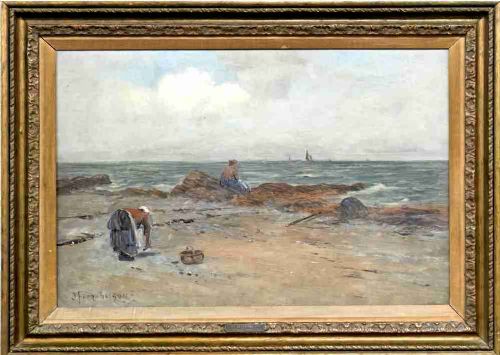
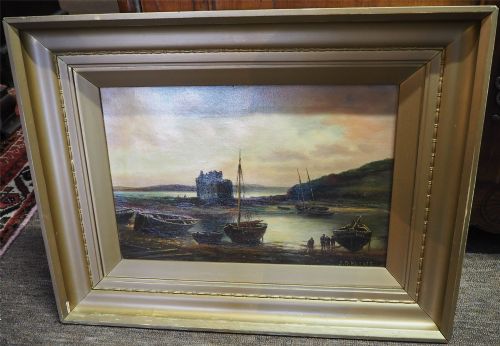
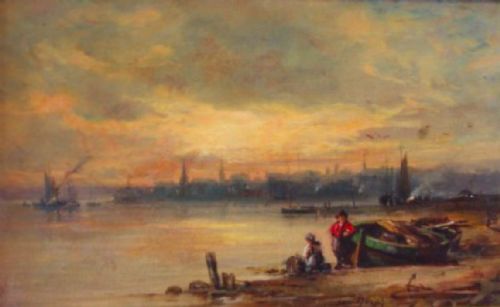
A Scottish coastal oil scene brings the dramatic northern light and rugged shores directly into your room.
Scottish Coastal Oil Scene
A Scottish coastal oil scene captures harbours, fishing villages, and open shorelines through rich pigments applied to canvas or wood support panels. These works span from the Victorian period through the mid-twentieth century, recording the shifting moods of northern waters and coastal communities.
Buyers seeking these works encounter pieces associated with the Scottish School and various impressionist movements. The selection on this page ranges from nineteenth-century realism to mid-century modern interpretations of marine life and harbour architecture.
Materials and Construction
Artists built these compositions utilising oil paint spread across stretched canvas or wooden boards. The medium allowed for both smooth blending in calmer skies and heavy impasto to render crashing waves and textured stonework.
Many surviving examples retain their original gilt wood frames, which complement the maritime palettes. The combination of durable oil pigments and sturdy canvas supports has ensured the survival of these coastal views across generations.
The selection includes works classified under Victorian realism, British impressionism, and the Scottish School.
Judging Quality and Hand
Quality in a coastal oil painting rests upon the artist's handling of light and atmosphere. Stronger works demonstrate a confident command of tone that suggests the damp air and movement of the sea without unnecessary detail.
The relationship between the subject and the brushwork dictates the visual success of the piece. Masterly compositions balance the static elements of harbour walls and boats with the fluid expanse of water and sky.
Donald McIntyre·Joseph Farquharson·Sir David Murray·James Torrington Bell·Owen Bowen·Robert Macaulay Stevenson·James G Faulds·Samuel Bough
The Scottish Coastal Oil Scene Glossary
- Impainto
- Paint applied in thick layers that stand out from the surface. This technique brings a physical texture to crashing waves and rough masonry in coastal views.
- Gilt wood
- Wood carved and covered with a thin layer of gold leaf or metallic gilt. It provides a traditional decorative border common in period frames.
- Post-Impressionism
- An art movement extending beyond impressionism that prioritised symbolic content and expressive use of form and colour. It influenced many twentieth-century painters working in Scotland.
- Canvas
- A heavy woven fabric stretched tightly across a wooden frame to serve as a painting surface. It remains the standard support for oil compositions across these periods.
Scottish Coastal Oil Scene: Frequently Asked Questions
How do I date an oil painting?
Dating relies on stylistic clues, framing methods, and stretcher construction. Artists often signed or inscribed the canvas reverse.
Examine the materials used for the support and any gallery labels remaining on the wooden frame. Comparison with documented works by the same hand narrows the active period further.
Where should I hang a marine painting?
Select a wall with stable ambient temperature away from direct sunlight. Strong natural light enhances the oil pigments without risking heat damage to the canvas.
Ensure the hanging height places the centre of the composition at eye level. Pairing the frame with traditional room decor highlights the historical character of the artwork.
What is Scottish Impressionism?
Scottish Impressionism describes the painterly approach adopted by northern artists influenced by continental movements. They focused on natural light and outdoor subjects.
These creators used loose brushstrokes and vibrant palettes to capture fleeting weather conditions along the coast. The style bridges nineteenth-century realism and modern British abstraction.
How do I clean an antique oil canvas?
Surface dust should be removed gently using a soft, dry artist brush. Avoid applying any liquid cleaners or household solutions to the painted surface.
Professional conservators should handle deeper cleaning or varnish removal. Improper cleaning risks permanent damage to the delicate oil layers beneath.