




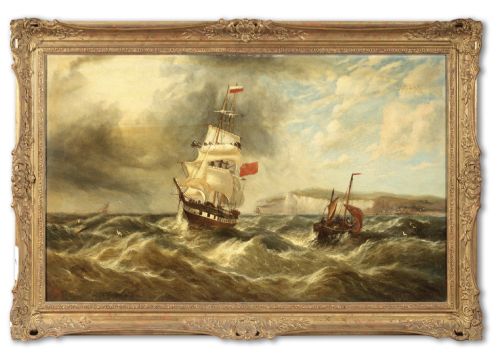
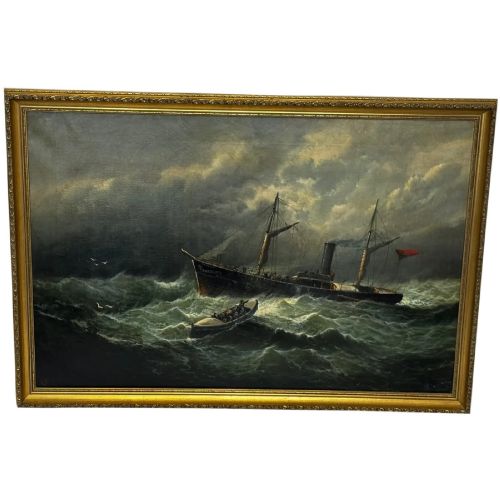
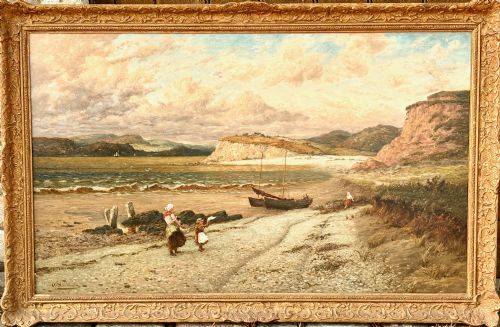
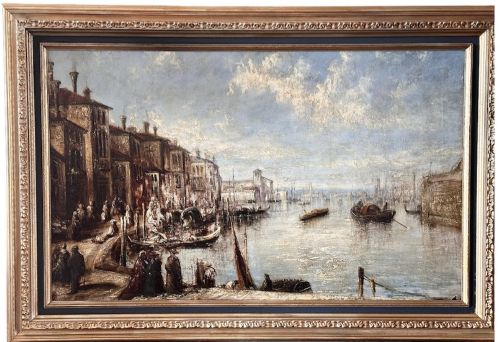

Victorian Maritime Artwork
Victorian maritime artwork captures the power of the sea and the bustling trade of the nineteenth century through detailed paintings and watercolours.
Victorian Maritime Artwork
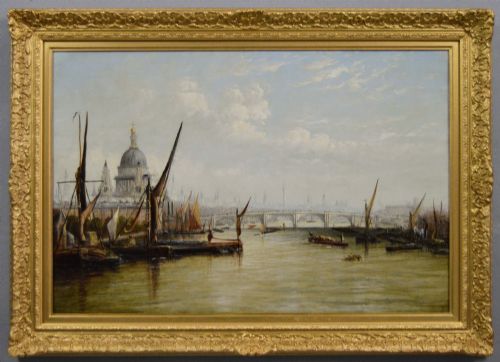
Victorian maritime artwork encompasses oil paintings, watercolours, and drawings depicting coastal scenes, harbours, and ships at sea. These pieces record the pivotal maritime history and naval dominance of the nineteenth century.
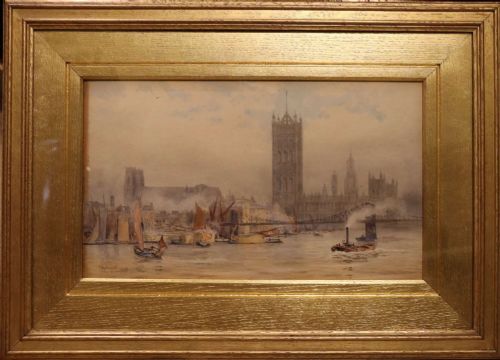
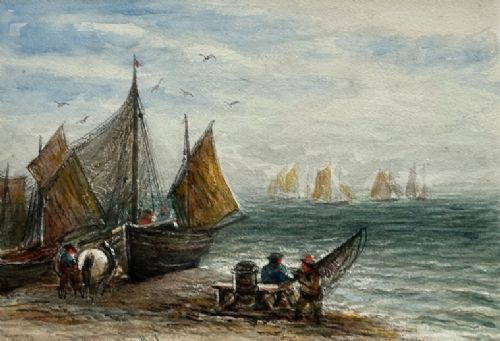
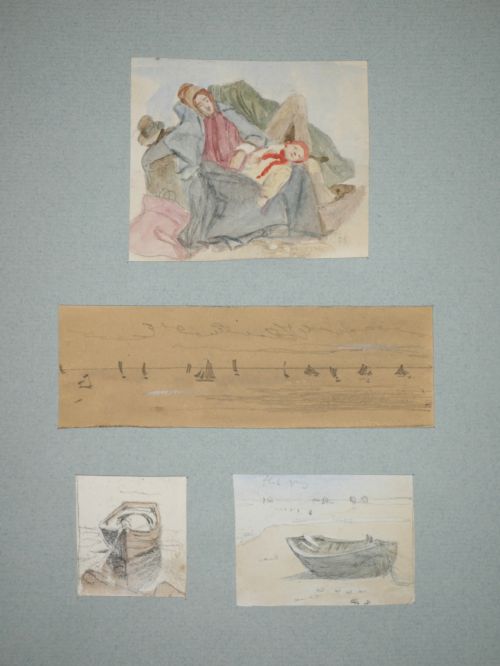
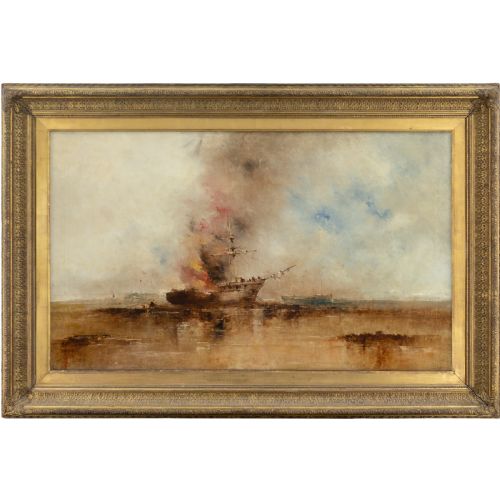
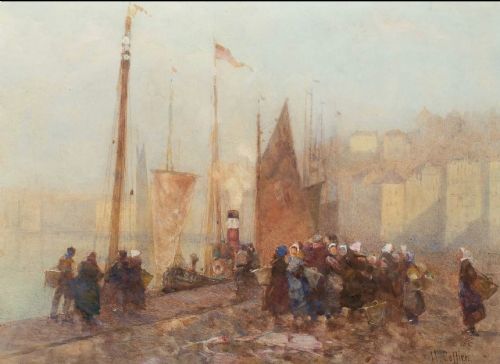
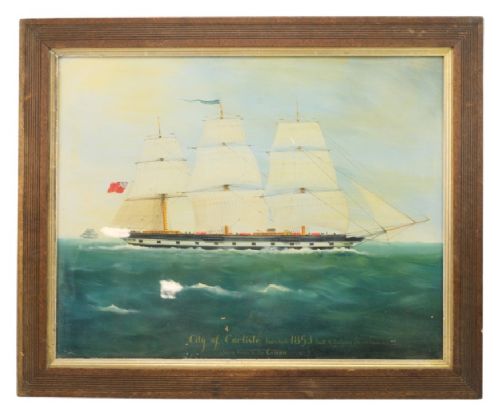
Buyers will most frequently encounter framed oil paintings on canvas and board alongside delicate watercolour paintings on paper. Subjects range from tranquil fishing boats in local harbours to dramatic vessels weathering rough seas.
The works span from the early Victorian era through to the turn of the twentieth century, reflecting varied British coastal locations from Cornwall to the River Tyne.
How They Were Made
Artists utilised oil paint on stretched canvas, wood boards, or paper to create rich textures and luminous skies. Watercolours were applied to paper to capture the translucent quality of coastal light and sea spray.
Finished works were typically housed in heavy gilt wood frames designed to complement the scale and tonal depth of the painting.
Victorian Maritime Artwork Retail Price Guide 2026
Typical asking prices for victorian maritime artwork among the pieces listed under this phrase on Sellingantiques today, from the lower quarter to the upper quarter. They describe what is for sale here now, not the wider market.
Current listings feature oil on canvas, watercolour, and gilt wood frames across nineteenth-century and early twentieth-century periods.
What Varies in Quality
The capability of the artist to render accurate ship rigging, hull construction, and atmospheric weather conditions dictates the distinction of a piece. Hand-signed works by recognised painters carry greater documentation of provenance.
The preservation of the original paint surface or paper support, free from excessive restoration or fading, determines the overall integrity of the artwork.
James Orrock·James Smetham·William McAlpine·Edward Mills·William Banks Fortescue·John Rose Miles·William Broome·Francis Moltino·Hector Caffieri·Bernard Benedict Hemy·Thomas Creswick·TB Hardy·John Wilson Carmichael·Lai Fong·Alfred G Morgan·Abraham Cooper·John Macvicar Anderson·John Moore of Ipswich·Nicholas Condy·Richard B Spencer·William Henry Williamson·John Holland·George Stanfield Walters·Abraham Hulk I·Henry Barlow Carter
The Victorian Maritime Artwork Glossary
- Oil on Canvas
- A traditional painting medium where oil paints are applied to a woven fabric support stretched across a wooden frame. This method allows for deep colour saturation and textured brushwork.
- Watercolour
- A paint consisting of pigment suspended in a water-based solution, traditionally applied to paper. It yields transparent washes that simulate the shifting appearance of water and sky.
- Gilt Wood
- Timber frames treated with a thin layer of gold leaf or metallic gilt. These ornate surrounds were standard for framing important nineteenth-century oil paintings.
- Seascape
- A work of art depicting the sea, coastal views, ships, or maritime activity. These compositions focus heavily on marine atmospheric effects.
Victorian Maritime Artwork: Frequently Asked Questions
Where were these painted?
Artists worked both in studio settings from sketches and directly along the British coastline. Popular locations included busy ports, quiet fishing villages, and open waters.
Many pieces document specific harbours such as St Ives, Whitby, and the River Thames, capturing the working maritime life of the era.
How do I hang them safely?
Heavy oil paintings require secure wall anchors suited to the weight of the timber and gilt frames. Watercolours need protection from direct sunlight to prevent fading of the pigments.
Keep pieces away from damp walls and sources of direct heat to preserve the canvas, paper, and wooden frames over time.
How are watercolours and oils told apart?
Watercolour paintings sit on paper surfaces behind glass, showing thin translucent layers and visible paper texture. Oil paintings feature thicker paint application on canvas or board with a distinct sheen.
Oils generally do not require glass protection, whereas works on paper rely on it to guard against environmental moisture.
What subjects are most common?
Sailing ships, merchant barques, and naval vessels navigating rough seas dominate the larger canvas works. Smaller watercolours frequently feature local fishing fleets and harbour entrances.
Coastal landscapes with figures, smugglers, and beach scenes also appear regularly across nineteenth-century portfolios.