




Victorian Marine Seascape Painting
Victorian marine seascape painting captures nineteenth-century coastal life, bustling harbours and dramatic open waters through period oils and watercolours.
Victorian Marine Seascape Painting
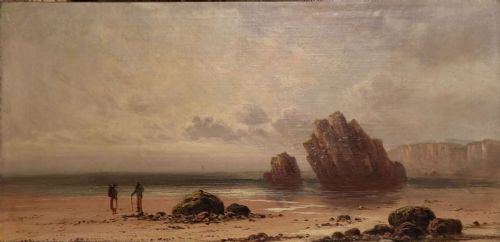
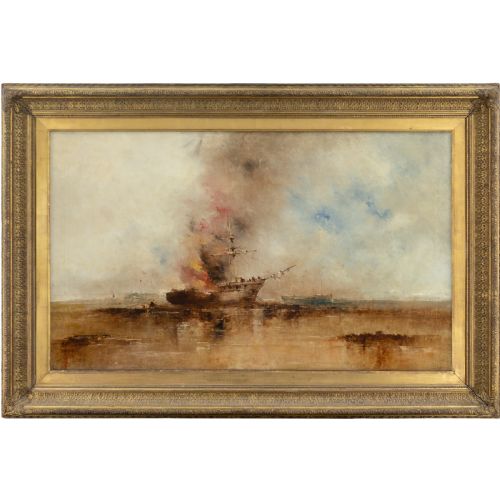
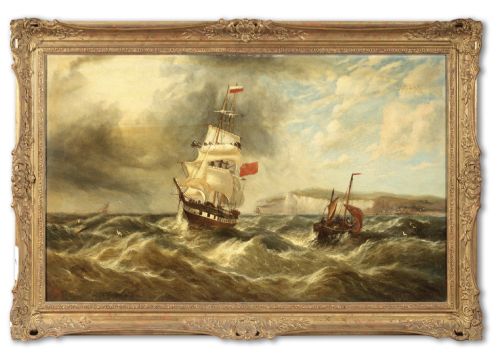
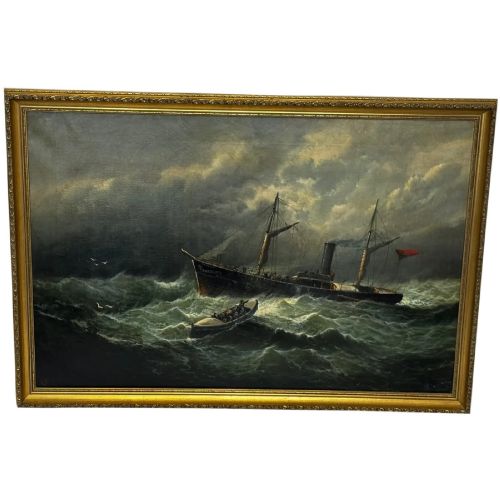
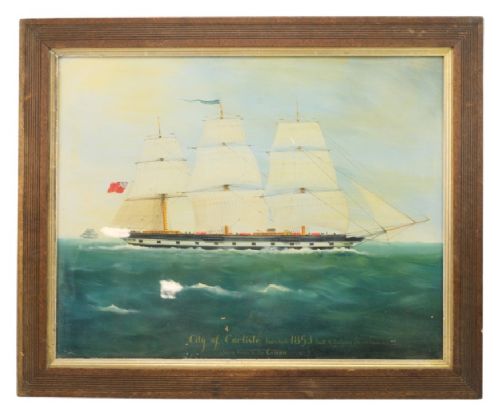
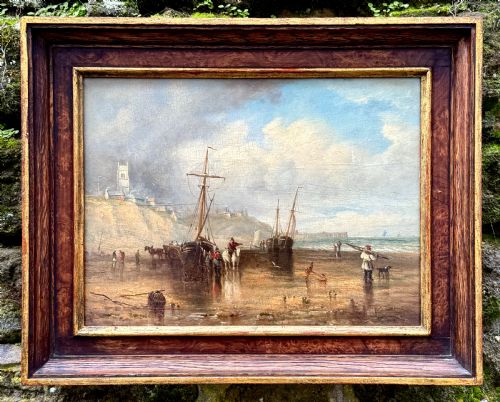
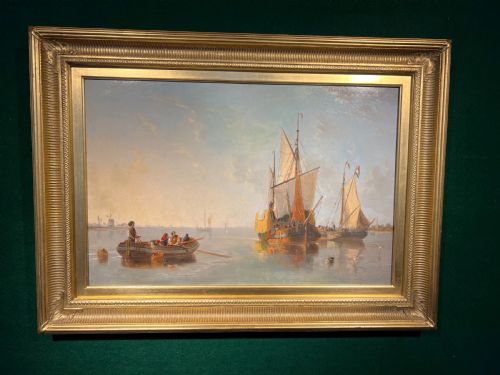
A victorian marine seascape painting records the maritime heritage of the nineteenth century, depicting coastal views, merchant ships and fishing vessels in varied weather conditions. These works range from calm harbour scenes set in St Ives or Dublin Bay to dramatic depictions of shipping in heavy seas off the British coast.
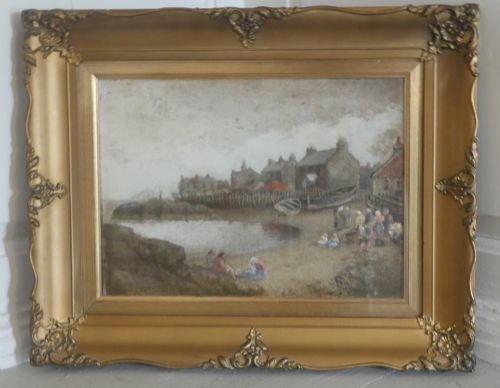
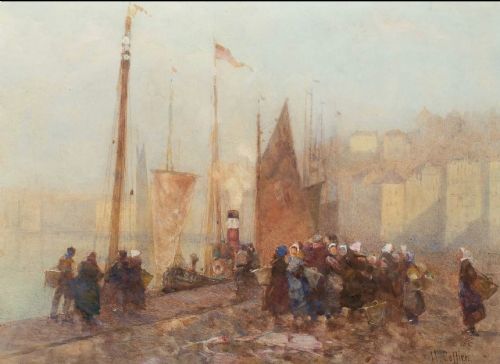
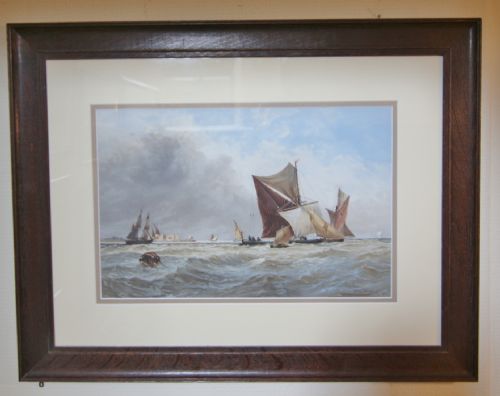
Buyers will encounter oil paintings on canvas or board alongside watercolour paintings on paper, often framed in period gilt wood. The subjects span local Cornish fishing boats, industrial rivers like the Thames, and international barques anchored in British ports.
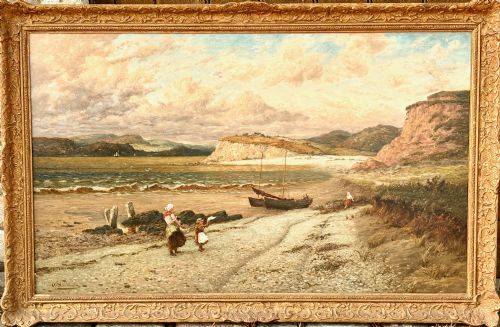
Many pieces reflect specific regional locations such as the Isle of Man, North Shields, or Morecambe Bay, capturing the everyday operations of nineteenth-century maritime trade and coastal communities.
Materials and Methods
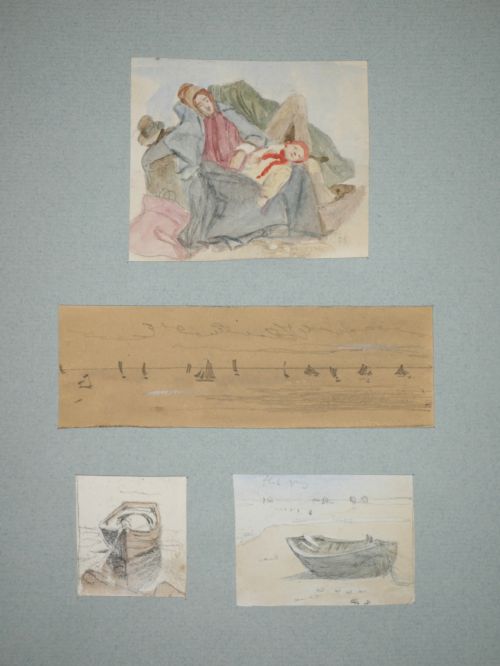
Painters of this period utilised oil paint on canvas or wooden panel to build rich, textured surfaces capable of rendering churning waves and turbulent skies. Watercolours on paper offered a lighter medium for capturing translucent coastal light and detailed rigging on sailing ships.
Gilt wood frames completed these works, providing a traditional decorative boundary that enhanced the depth of the maritime subject matter. Support materials typically include heavy stretched canvas and card substrates suited to detailed brushwork.
Listings feature works from the nineteenth century created with oil paint on canvas, watercolour on paper, and wood supports.
Assessing Quality
Quality in these works rests on the artist's ability to render maritime anatomy accurately, particularly the rigging of three-masted schooners, clippers, and the interaction of vessels with water and wind. Handling of light and atmosphere distinguishes proficient plein air observation from formulaic studio production.
The strength of the composition and the preservation of the original pigment and paper support determine the visual impact of the piece. Period framing also plays a role, with original gilt wood frames adding historical context to the artwork.
James Orrock·James Smetham·William McAlpine·Edward Mills·William Banks Fortescue·John Rose Miles·William Broome·Hector Caffieri·Bernard Benedict Hemy·Thomas Creswick·TB Hardy·John Wilson Carmichael·Lai Fong·Joseph Farquharson·John Moore of Ipswich·Nicholas Condy·William Henry Williamson·John Holland·George Stanfield Walters·Abraham Hulk I·Henry Barlow Carter·John Moxon·William Frederick Settle·Charles William Wyllie·Charles William Adderton
The Victorian Marine Seascape Painting Glossary
- Seascape
- A work of art depicting the sea, coastal views, or marine operations. These pieces frequently focus on shipping, harbours, and coastal weather.
- Barque
- A sailing vessel with three or more masts having the fore and mainmasts square-rigged and the mizzenmast fore-and-aft rigged. They appear often in nineteenth-century trade paintings.
- Gilt Wood
- Wood carved and coated with gold leaf or gold paint to create a decorative frame. These frames are standard for nineteenth-century oil paintings.
- Watercolour
- A painting method in which the paints are made of pigments suspended in a water-based solution. Works on paper utilising this medium were popular for detailed topographical coastal scenes.
Victorian Marine Seascape Painting: Frequently Asked Questions
What subjects do these paintings feature?
The works depict British and international shipping, rescue vessels, fishing boats, and coastal harbours in various weather conditions. Scenes range from calm estuaries to rough seas off rocky headlands.
Specific regional landmarks such as Plymouth Breakwater, the River Thames, and North Shields harbour frequently provide the geographical setting for these historical compositions.
How do I identify a nineteenth-century marine painting?
Examine the vessel types, rigging details, and clothing of figures depicted, which typically reflect nineteenth-century maritime technology and fashion. Materials such as canvas stretched over wooden frames or watercolours on historic paper stock provide further chronological context.
Signatures, dates, and framing styles often offer additional clues to the exact period of production between the early Victorian era and the turn of the twentieth century.
Where were these maritime scenes painted?
Artists worked along active British and European coastlines, capturing commercial ports, fishing villages, and naval installations. Locations span from Cornwall and the Isle of Man to Scottish castles and London's River Pool.
Many painters travelled to specific coastal hubs to sketch working vessels and merchant ships directly from life before finishing the canvases in their studios.
How should I display an oil painting at home?
Hang the artwork away from direct sunlight and sources of extreme heat to protect both the oil pigments and the wooden canvas stretcher. Maintaining stable indoor humidity prevents cracking in the paint layer and warping in period gilt wood frames.
Ensure the wall fixings can support the combined weight of the painting and its heavy frame, particularly for large nineteenth-century canvases.