
Victorian Majolica Ceramics
Victorian majolica ceramics bring vibrant lead glazes and moulded earthenware to the table, uniting bold naturalism with Renaissance Revival ornament.
Victorian Majolica Ceramics
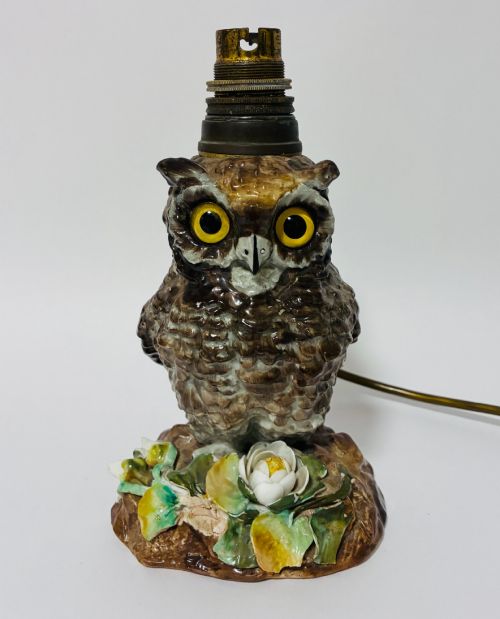
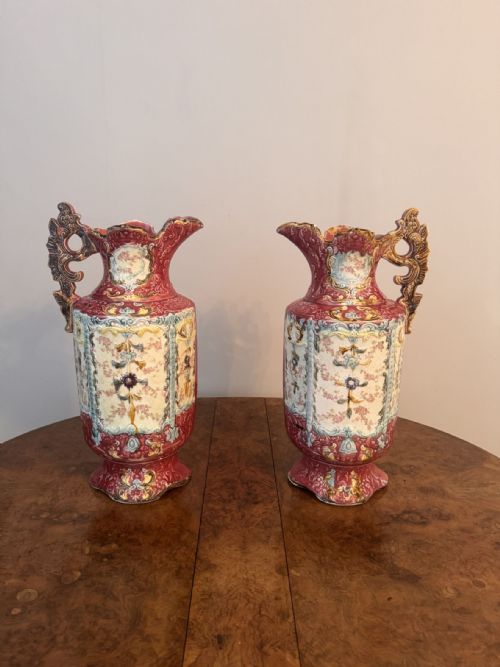
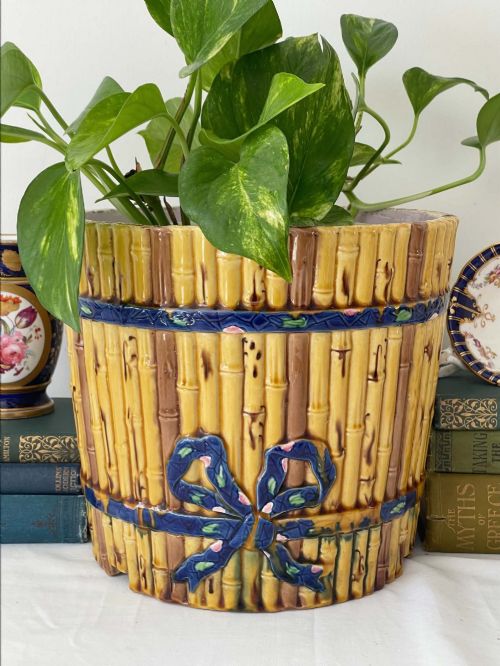
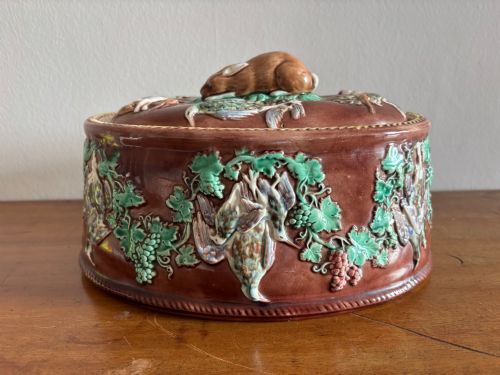
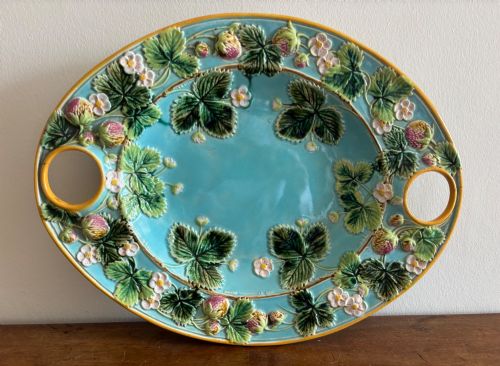
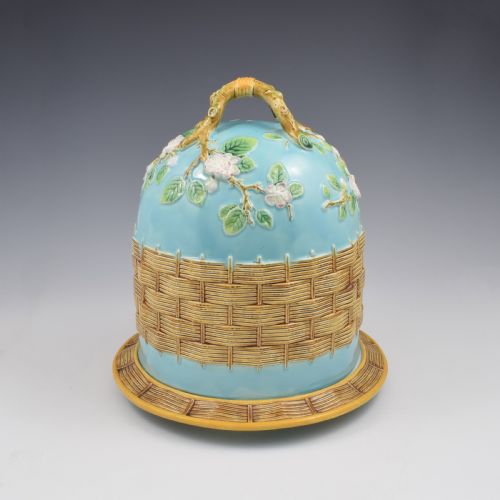
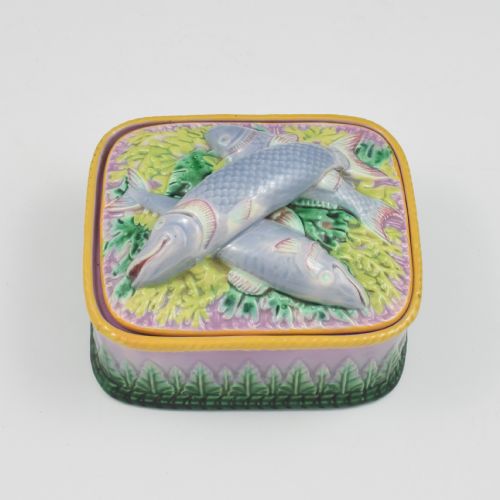
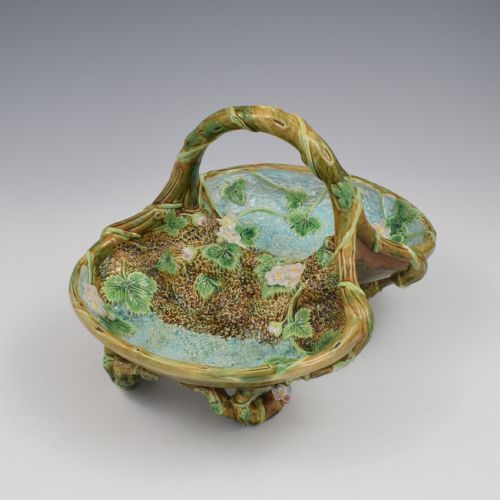
Victorian majolica ceramics encompass a rich variety of moulded earthenware objects produced during the nineteenth century, ranging from functional tableware to decorative garden ornaments. When exploring this selection, buyers frequently encounter serving pieces such as cheese domes, sardine boxes, and strawberry dishes alongside large jardinieres, ewers, and figural lamp bases.
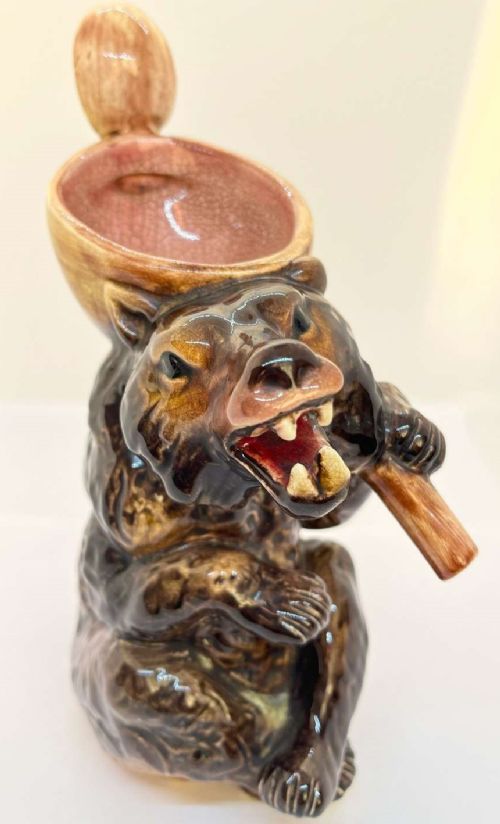
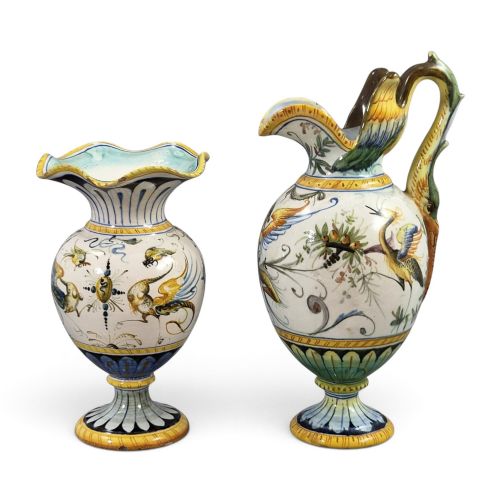
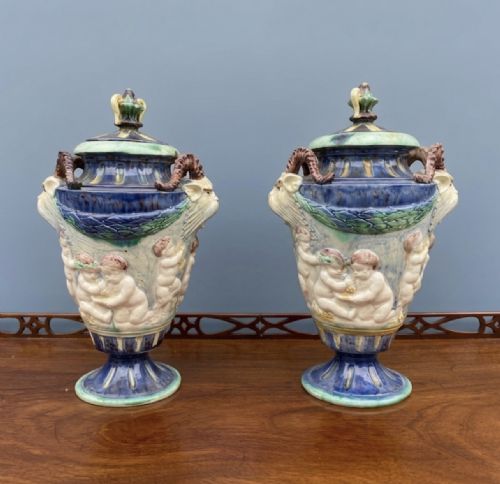
The objects stem predominantly from British potteries and continental workshops operating in the Victorian era, utilising styles that span from naturalistic plant and animal motifs to formal Italian Renaissance Revival designs. Many examples reflect domestic utility combined with exuberant tabletop display, showing forms like baskets, game pie dishes, and animal jugs.
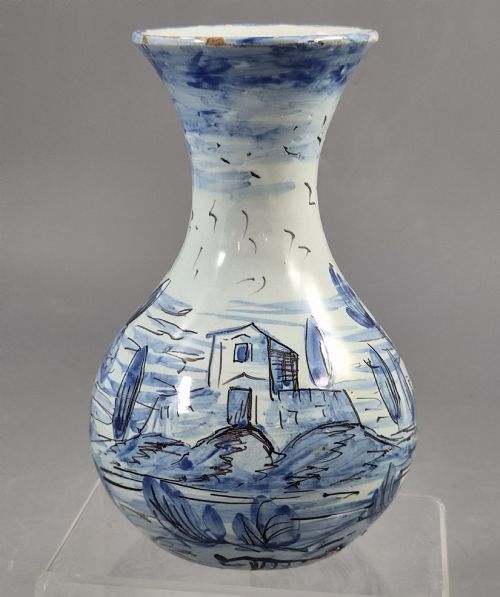
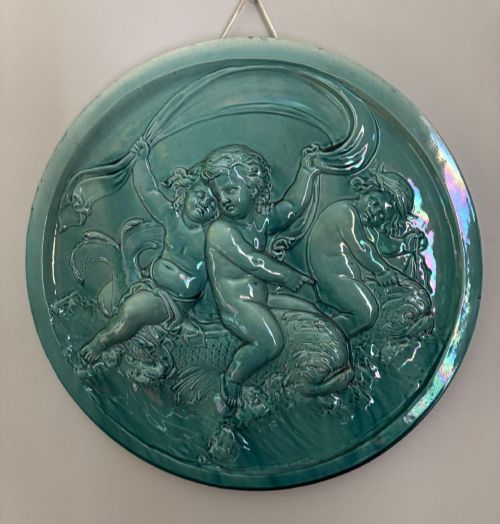
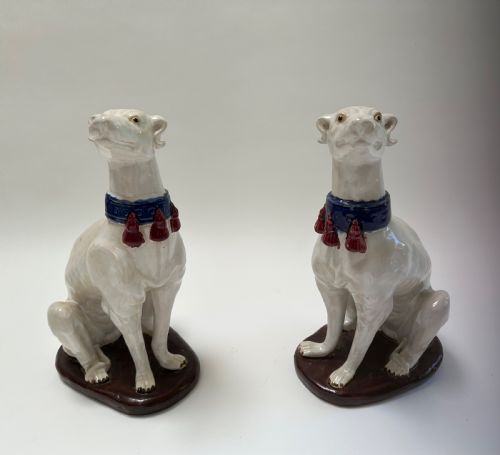
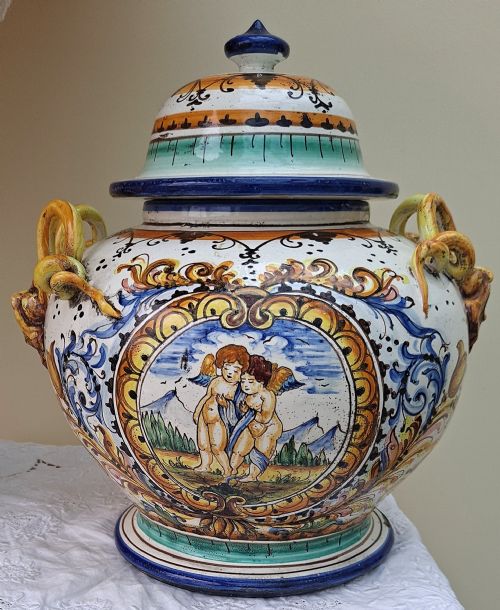
The tradition also embraces Continental factories producing faience and tin-glazed vessels, bringing diverse decorative techniques to the category. These pieces demonstrate the nineteenth-century fascination with colourful botanical subjects, mythological figures, and whimsical animal characters moulded in high relief.
How they were made
Makers formed these pieces primarily from earthenware and terracotta bodies, shaping the clay through press-moulding or slip-casting to achieve deep relief and complex sculptural contours. The porous body required a foundational layer before application of the signature surface treatments.
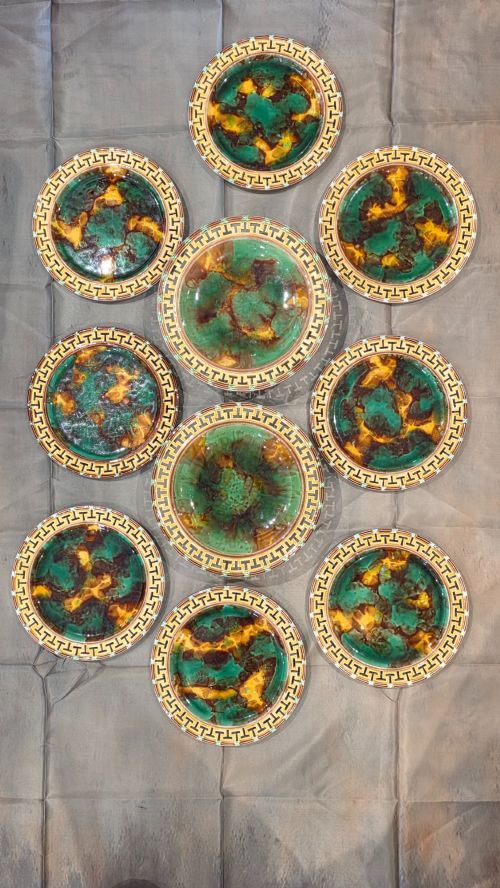
Coloured metallic oxide glazes, notably lead-based formulas, were applied directly over the unfired or biscuit-fired body to produce the characteristic pooled, translucent palette. During firing, these coloured glazes flowed across the moulded details, pooling in recesses to create intense tonal graduation and high gloss.
Listings feature earthenware and terracotta materials shaped into diverse forms including cheese domes, jardinieres, and figural animal ewers.
What varies in quality
Quality rests upon the crispness of the original moulding and the depth of the relief work, where sharper botanical veins and animal textures distinguish superior production. The application and control of the coloured lead glazes dictate the visual richness, separating works with subtle tonal blending from those with flat colour.
The reputation of the pottery and the complexity of the modelled form play a central role in distinguishing standard utilitarian wares from ambitious exhibition pieces. Well-defined mark systems and sophisticated sculptural composition elevate certain cheese domes, ewers, and figural jardinieres above simpler production runs.
Holdcroft·Wedgwood·Minton·George Jones·Cantagalli·Clement Massier·Burmantofts·Bretby
The Victorian Majolica Ceramics Glossary
- Majolica
- A nineteenth-century type of pottery characterised by colourful lead glazes applied over moulded earthenware bodies. The technique produced vibrant, glossy surfaces often decorated with naturalistic plant and animal themes.
- Earthenware
- A porous ceramic body fired at lower temperatures than stoneware or porcelain. It formed the standard structural base for almost all nineteenth-century majolica production.
- Jardiniere
- A large ornamental pot or stand designed to hold growing plants or floral arrangements. They frequently appeared on matching pedestals in Victorian interiors and conservatories.
- Comport
- A raised decorative dish or bowl used for serving fruit or sweets on the dining table. These pieces often incorporated naturalistic motifs such as leaves and wicker baskets.
- Lead glaze
- A glossy surface coating containing lead oxide that melted during firing to fix metallic colourants. This glaze type gave majolica its characteristic brilliant sheen and depth.
Victorian Majolica Ceramics: Frequently Asked Questions
What is victorian majolica ceramics?
Victorian majolica ceramics refer to nineteenth-century earthenware objects covered in colourful, glossy lead glazes. These pieces are celebrated for their sculptural forms and vivid botanical or animal designs.
They represent a major technical and artistic achievement of the Victorian period, combining utility with flamboyant decorative expression.
How were cheese domes used?
Cheese domes served on Victorian dining tables to protect large blocks of cheese from dust and drying out between meals. The fitted covers sat atop matching ceramic trays or stands.
Hosts brought these functional yet ornate pieces out during dessert courses or formal dinners to showcase elaborate moulded decoration.
Where were these pieces made?
Production took place across notable British potteries as well as continental European workshops in France, Italy, and Austria. Each region developed distinctive stylistic preferences.
British factories often favoured naturalistic animal and plant studies, while Italian and French makers frequently drew upon Renaissance Revival motifs.
How do I care for my ceramics?
These ceramic items require gentle cleaning with a soft, dry cloth or mild soapy water when necessary. Avoid harsh abrasives and soaking, as the historic earthenware body can absorb moisture.
Display them away from direct sunlight and extreme temperature changes to protect the stability of the antique lead glazes.
How can I identify different periods?
Dating relies on examining impressed pottery marks, registration diamonds, and stylistic cues such as Art Nouveau curves or earlier Renaissance Revival details. Examining the colour palette and glaze consistency also aids attribution.
Many pieces bear specific year ciphers or model numbers stamped into the underside of the earthenware base.