


Maiolica Ceramic Vessel
A maiolica ceramic vessel brings rich tin-glazed earthenware into a room, offering striking Italian traditions and revival forms that collectors prize.
Maiolica Ceramic Vessel
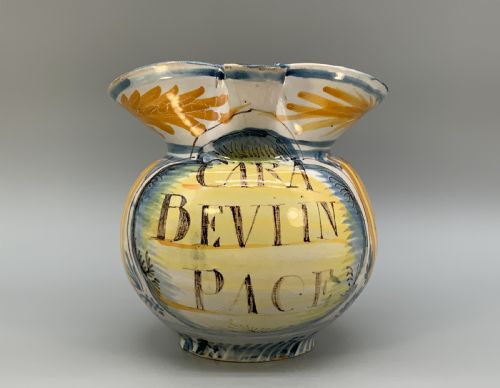
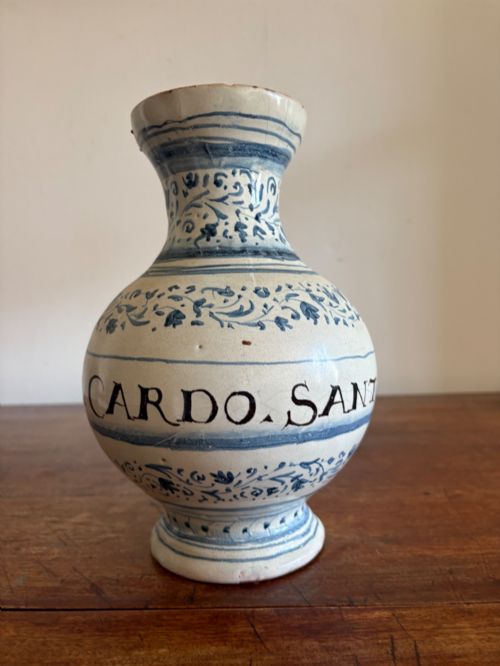
A maiolica ceramic vessel encompasses tin-glazed earthenware originating from Italian traditions, alongside later revival interpretations and continental pieces. Buyers exploring this phrase encounter a rich variety of forms, from pharmacy jugs and drug jars to large covered vases and decorative water vessels.
The selection ranges across the eighteenth and nineteenth centuries, alongside early twentieth-century examples and Victorian interpretations. Pieces span styles from Italian Renaissance revival and Baroque to Chinoiserie and traditional blue and white painting.
Apothecary jars and pharmacy vessels feature prominently among the listings, often displaying traditional polychrome palettes or classic blue and white motifs. Alongside these drug jars, collectors find large decorative urns and pairs of painted vases created in Italy and across the continent.
How they were made
Makers shaped these pieces from earthenware and terracotta, building the structural body before applying an opaque tin glaze. This white or milky ground provided a smooth canvas for subsequent painted decoration.
Artisans applied pigments directly onto the absorbent unfired tin glaze, utilising polychrome palettes of manganese, yellow, and blue. Certain pieces incorporated metallic lustre techniques to achieve a shimmering surface finish.
Firing transformed the porous clay and metallic oxides into durable glazed vessels, fixing the detailed brushwork and rich colours permanently into the surface.
Historic apothecary jars once held curious cures, meaning your peaceful display shelf formerly housed crushed pearls or viper flesh.
What varies in quality
Quality reveals itself in the crispness of the hand-painted tin-glazed decoration and the confidence of the brushwork across the earthenware body. Superior examples display spirited execution in polychrome or blue and white pigments, showing precise control over manganese, yellow, and cobalt tones.
The ambition of the form and the sophistication of the revival style separate standard production from exceptional work. Pieces featuring complex figural elements or detailed covers demonstrate greater sculptural skill than simpler utilitarian jars.
Cantagalli Faience·Minton·Albert Carrier
The Maiolica Ceramic Vessel Glossary
- Maiolica
- Tin-glazed earthenware produced in Italy or in the Italian style, typically featuring painted decoration over an opaque white glaze. This technique allowed for vibrant polychrome designs.
- Albarello
- A cylindrical pharmacy jar designed to hold dry drugs, electuaries, or ointments. Originating in the Middle East, this form became a staple of Italian apothecary shops.
- Tin Glaze
- A ceramic glaze made opaque by the addition of tin oxide, creating a white background for painted pigments. It defines the surface appearance of these vessels.
- Polychrome
- Decoration employing multiple distinct colours, frequently including manganese, yellow, and blue on these earthenware surfaces. It creates rich visual contrast.
- Faience
- Tin-glazed earthenware produced in France, England, or other European regions outside Italy, sharing similar decorative techniques. Collectors often compare it directly with maiolica.
Maiolica Ceramic Vessel: Frequently Asked Questions
How were apothecary jars used?
Apothecary jars and pharmacy vessels served practical storage roles in historic dispensaries and drug shops, holding dry medicines, ointments, and syrups.
Many featured specific drug labels or decorative botanical motifs so apothecaries could identify contents easily while displaying them on shop shelves.
How do I date a piece?
Dating relies on examining the specific tin glaze, the style of the painted decoration, and the form of the earthenware body. Eighteenth-century examples often display traditional Italian palettes, while nineteenth-century pieces frequently adopt Renaissance revival or Chinoiserie aesthetics.
Comparative study of drug jar shapes and pigment tones helps distinguish earlier traditional production from later Victorian interpretations.
How should I display them?
These vessels suit placement on sturdy shelving, mantelpieces, or dedicated display cabinets where their painted surfaces catch the light. Because they are made from earthenware, they require stable placement away from high-traffic edges.
Pairing jars or displaying them individually allows the polychrome or blue and white tin-glazed details to stand out clearly in a room.