
Victorian Mahogany Vitrine
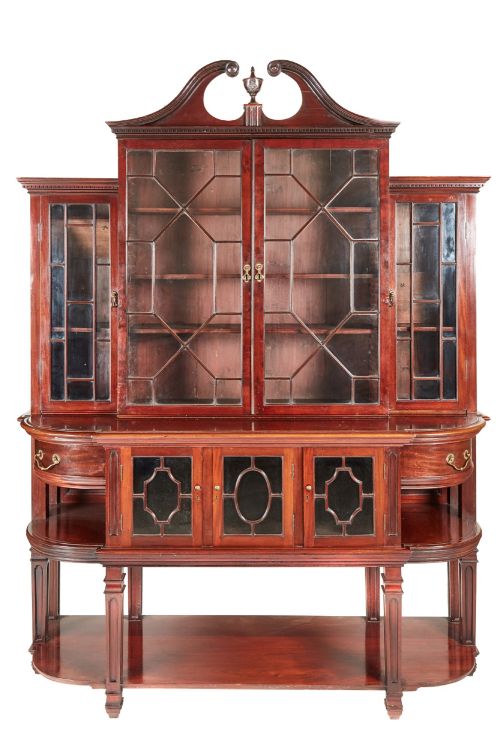
A victorian mahogany vitrine brings together glass and timber to hold collections in the light.

Victorian Mahogany Vitrine
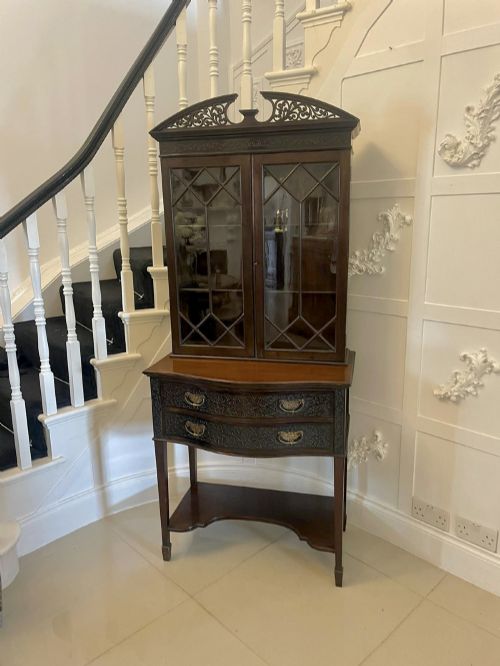
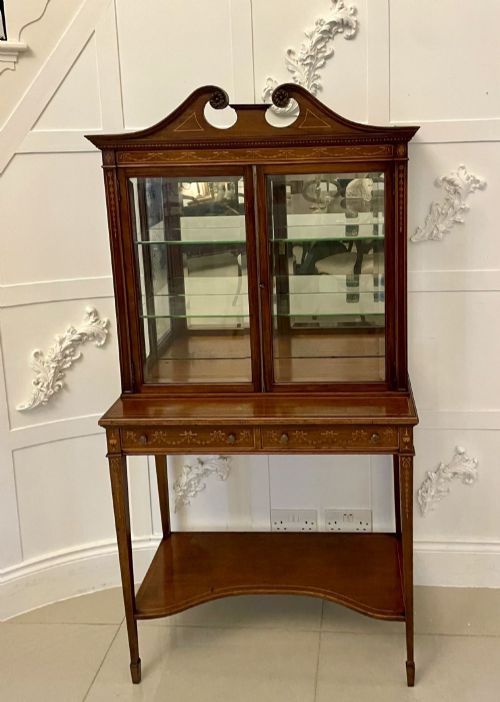
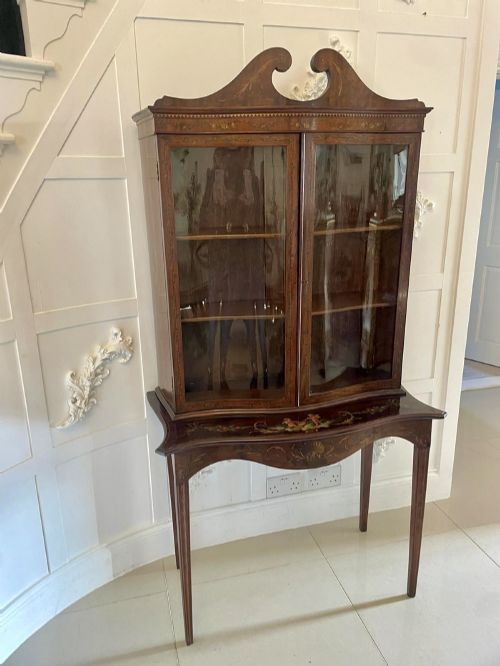
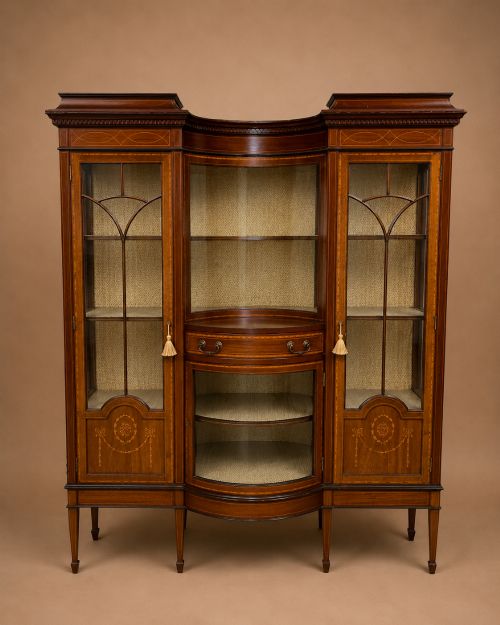
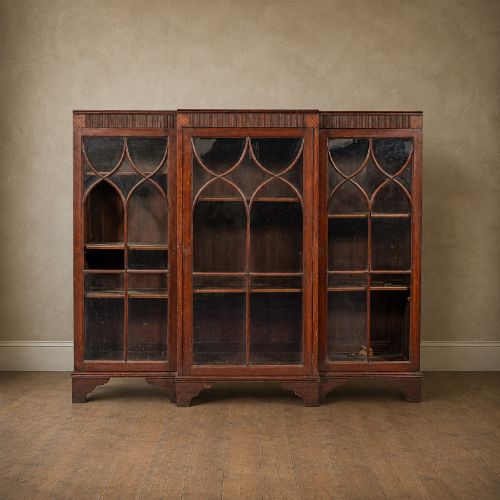
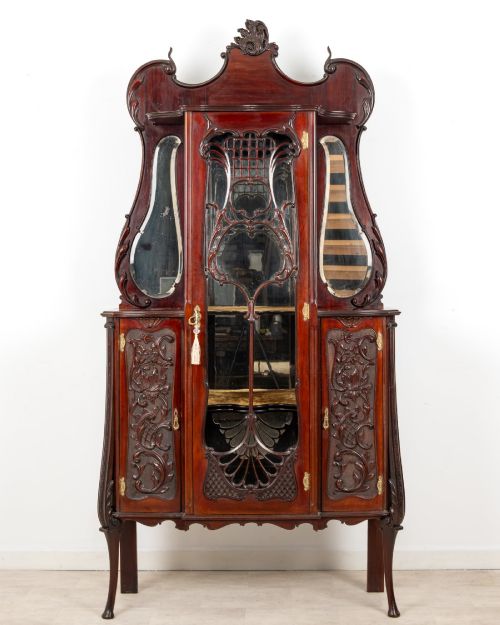
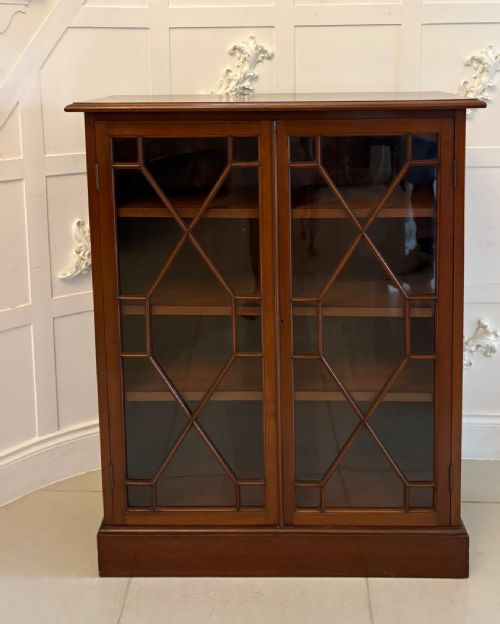
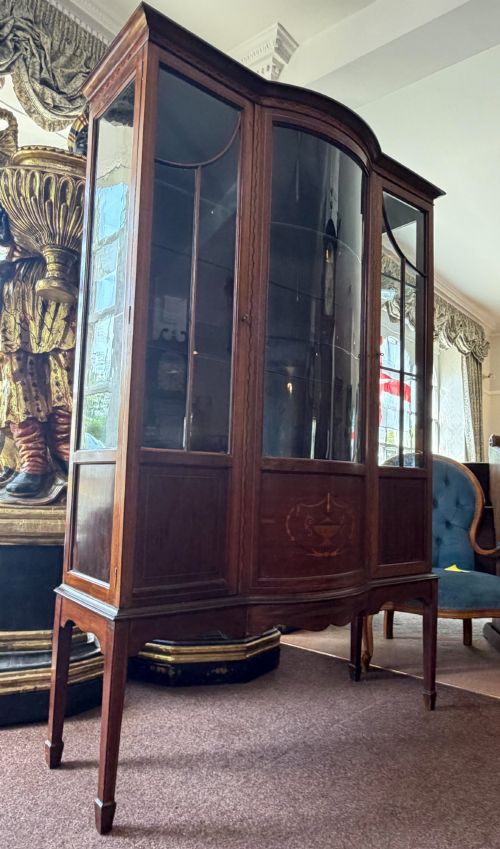
A victorian mahogany vitrine stands as a glazed cabinet designed to display porcelain, silver and small curiosities behind glass. These pieces emerge from the nineteenth century, spanning decades from the eighteen-sixties through to the Edwardian transition.
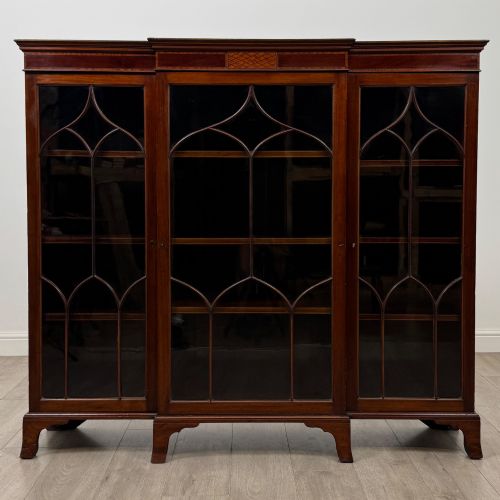
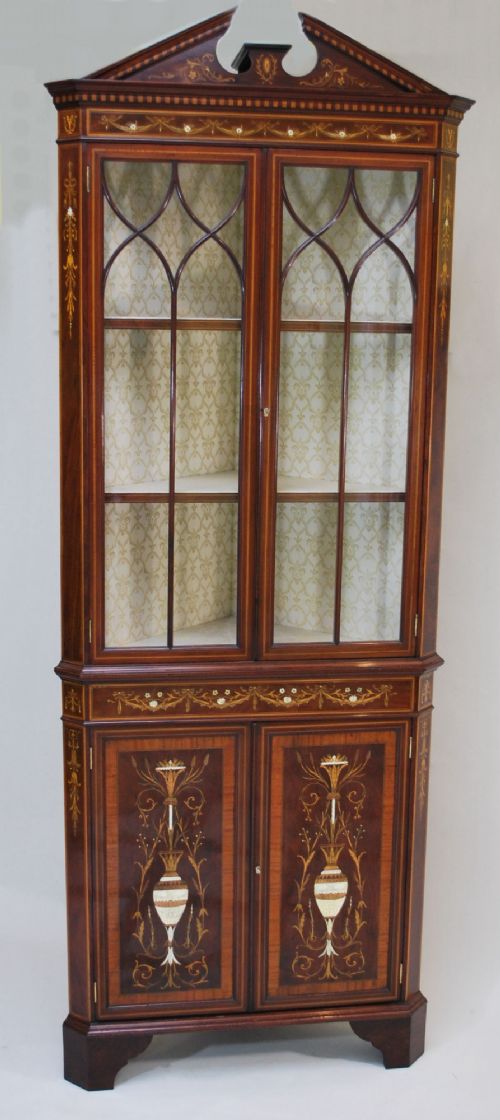
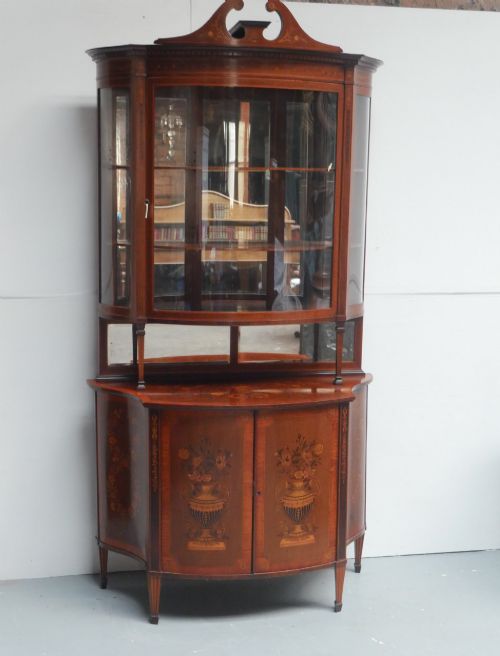
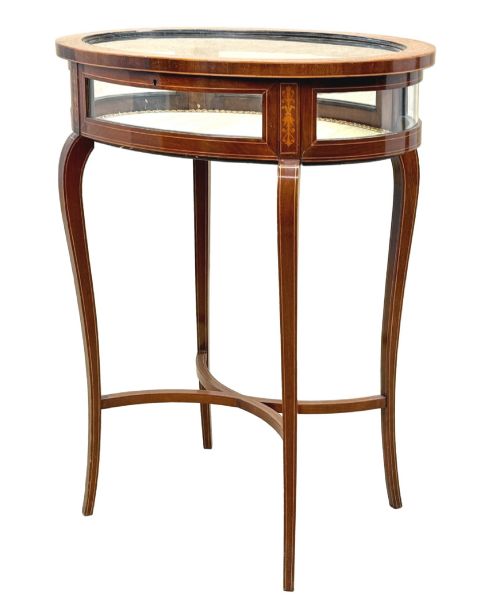
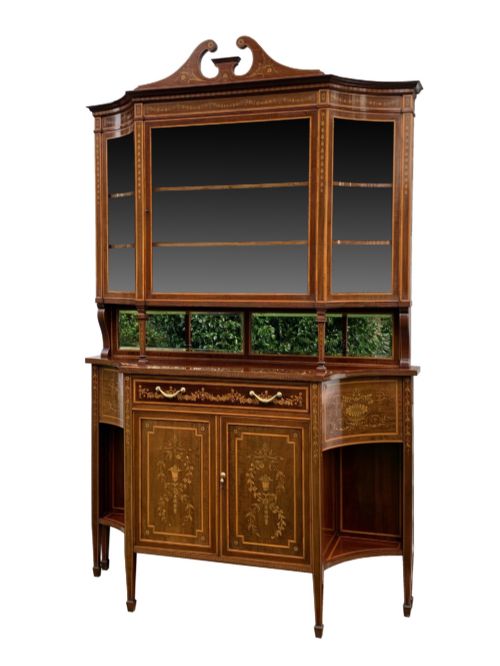
Most examples appear as freestanding display cabinets, breakfront bookcases, corner units or low bijouterie tables with glass lids. Makers fashioned them to fit formal drawing rooms and parlours where hosts displayed their finest possessions.
Materials and Construction
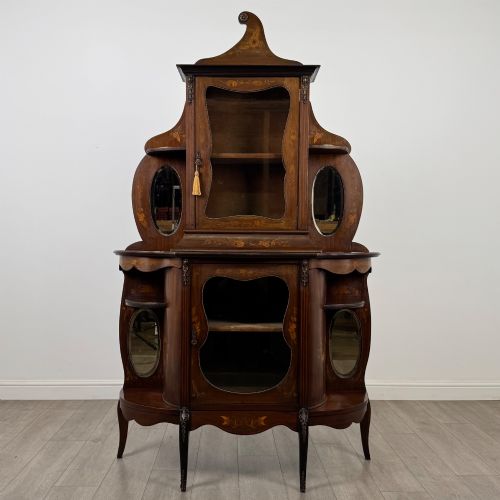
Cabinet makers utilised solid and veneered mahogany as the primary timber, often selecting flame mahogany for its striking grain patterns. They enriched surfaces with contrasting satinwood, fruitwood and marquetry inlay work.
Glass panels were held within timber frames or astragal bars, sometimes complemented by mirrored backs, brass mounts and velvet or fabric linings to enhance the reflected light upon the objects inside.
Victorian Mahogany Vitrine Retail Price Guide 2026
Typical asking prices for victorian mahogany vitrine among the pieces listed under this phrase on Sellingantiques today, from the lower quarter to the upper quarter. They describe what is for sale here now, not the wider market.
One shop counter display case arrived bearing the stamp of John Stow Ltd of Bradford from eighteen seventy-five.
Judging the Standard of a Vitrine
Quality rests upon the crispness of the timber carving, the precision of the marquetry and the fluidity of curved forms like bow fronts or serpentine shapes. Better pieces display refined proportions and hand-finished details rather than plain, utilitarian construction.
The sophistication of the internal fittings, such as adjustable glass shelves and original fabric linings, separates standard utility cabinets from master cabinetmaker productions.
Jas Shoolbred·Edwards & Roberts·John Stow Ltd of Bradford·Maple & Co
The Victorian Mahogany Vitrine Glossary
- Vitrine
- A glass-fronted display cabinet used for showing porcelain and small objects. These pieces rely on extensive glazing to maximise light.
- Bijouterie table
- A glass-topped display table designed specifically for holding jewellery, medals and miniature treasures. They sit at a height that allows seated viewing from above.
- Astragal
- A moulded bar that divides panes of glass within a door or window frame. Makers employed these narrow timber strips to create geometric patterns.
- Marquetry
- Decorative patterns formed by fitting contrasting veneers into a prepared background. Artisans used fruitwood and satinwood to build floral or scroll designs.
- Breakfront
- A cabinet front where the central section projects forward from the flanking wings. This architectural arrangement creates depth and shadow.
Victorian Mahogany Vitrine: Frequently Asked Questions
What goes inside a vitrine?
Owners historically placed delicate porcelain tea sets, silver ornaments and ivory carvings inside to protect them from dust while keeping them visible.
Today, these cabinets serve the same purpose for contemporary collections of ceramics, glass and small antiques.
How do I spot revival styles?
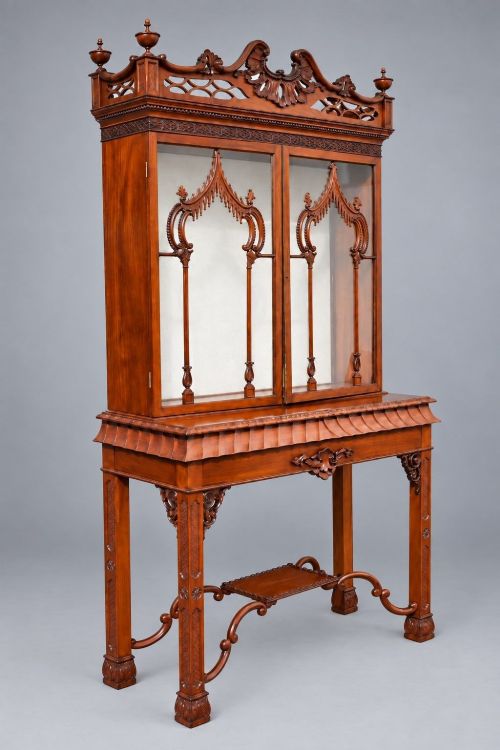
Cabinet makers borrowed heavily from earlier eras, producing pieces labelled as Chippendale, Sheraton, Louis or Gothic revivals.
Look at the specific carved motifs, such as ball-and-claw feet or tracery, which reveal the nineteenth-century interpretation of eighteenth-century designs.
Are the shelves adjustable?
Many display cabinets and bookcases feature fixed timber supports, though some shop cases and refined models include adjustable glass shelves.
This variation allowed owners to alter the internal height to accommodate taller pieces of porcelain.
Where were these placed at home?
These glass cabinets occupied prominent positions in drawing rooms, reception spaces and libraries where guests gathered.
Corner cabinets and pier units made use of awkward wall spaces while projecting light into darker corners of the room.