
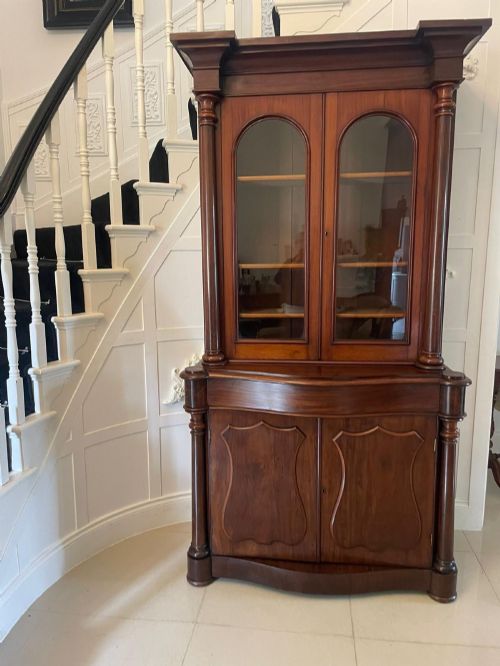
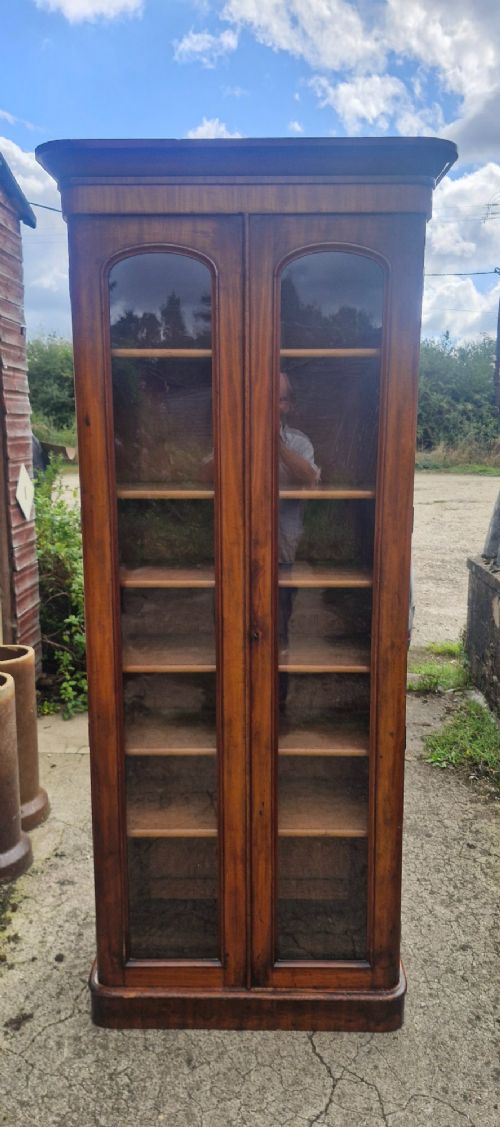
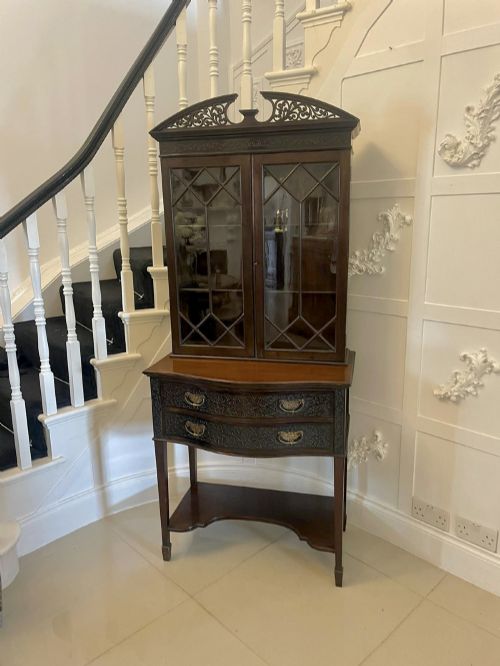
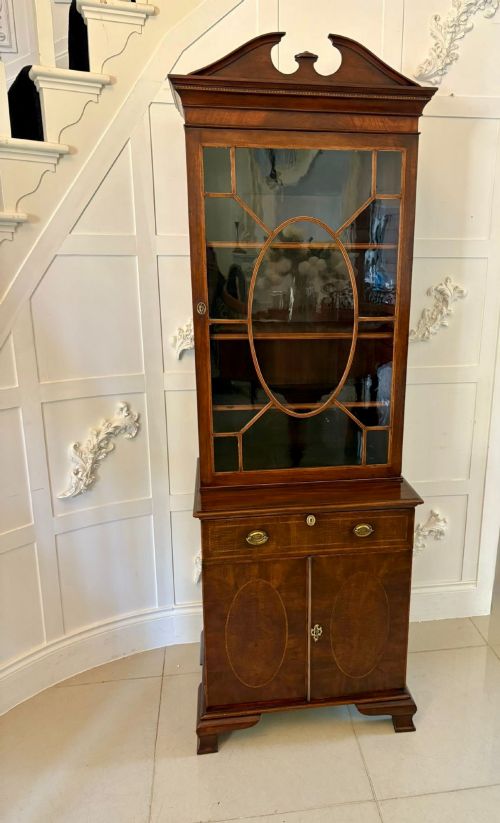
Victorian Mahogany Display Cupboard
A victorian mahogany display cupboard combines deep timber tones with glass protection, offering a sophisticated home for prized collections.
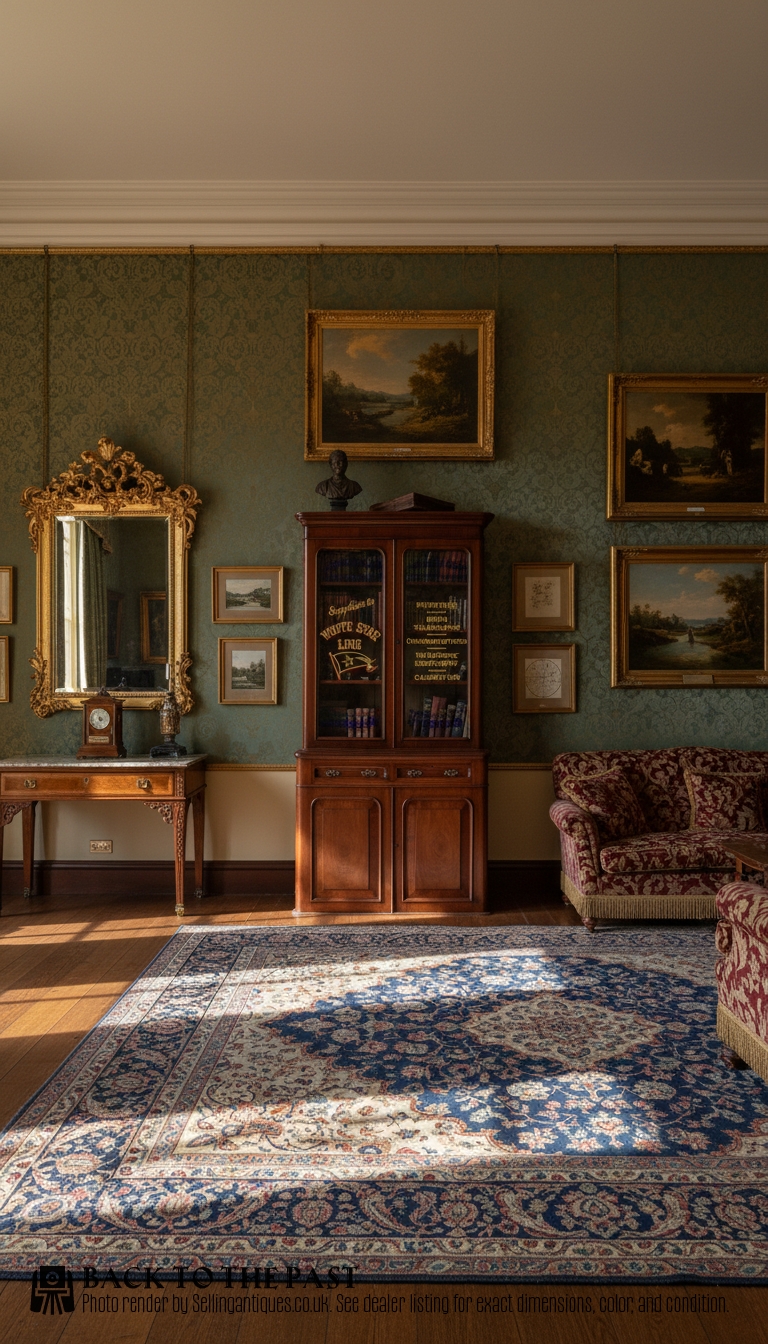
Victorian Mahogany Display Cupboard
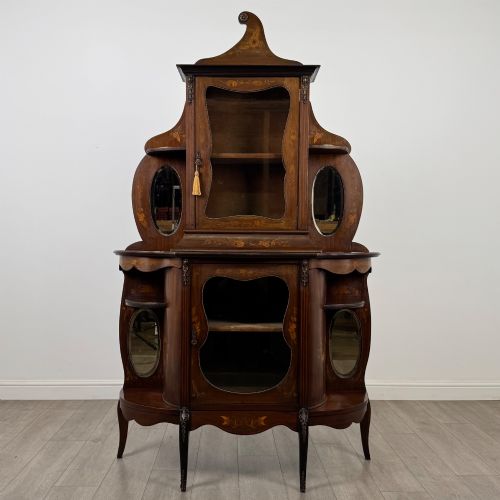
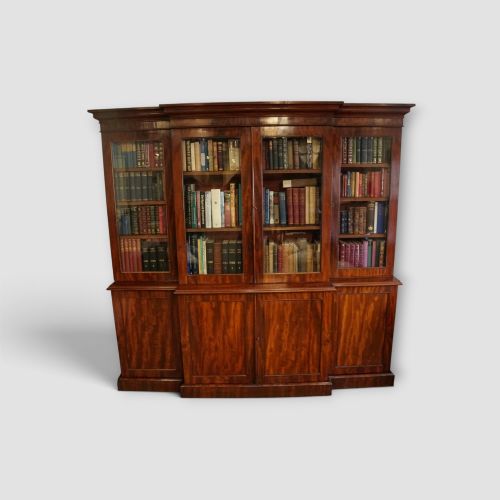
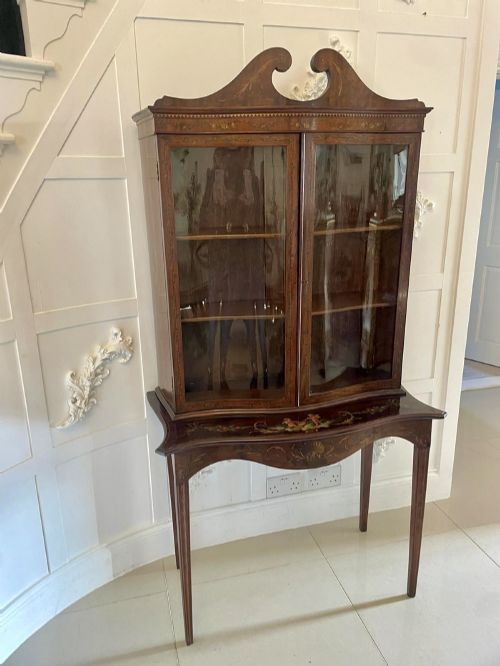
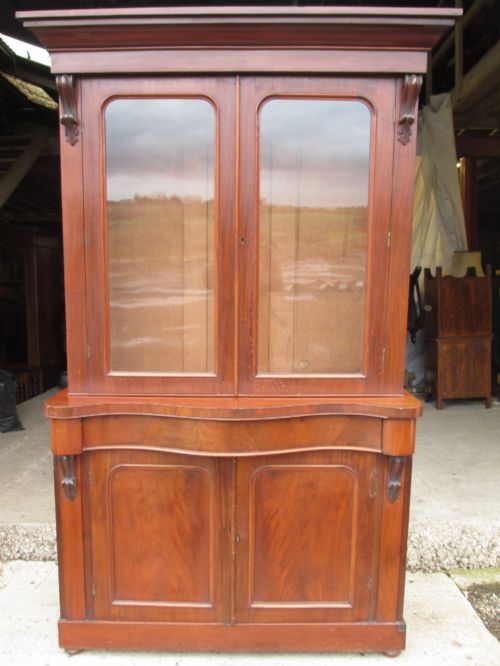
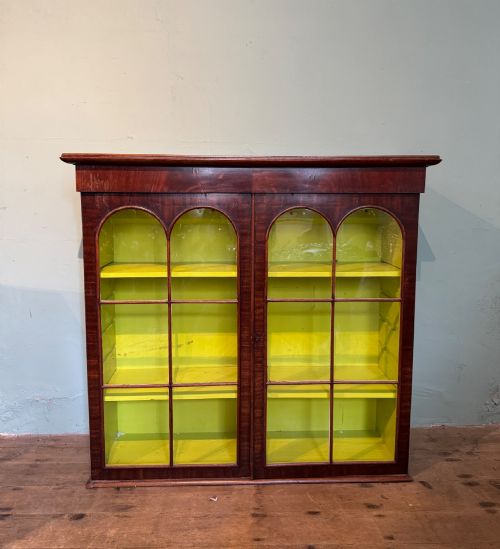
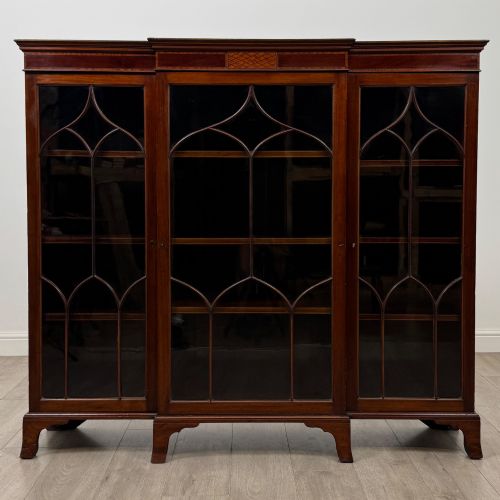
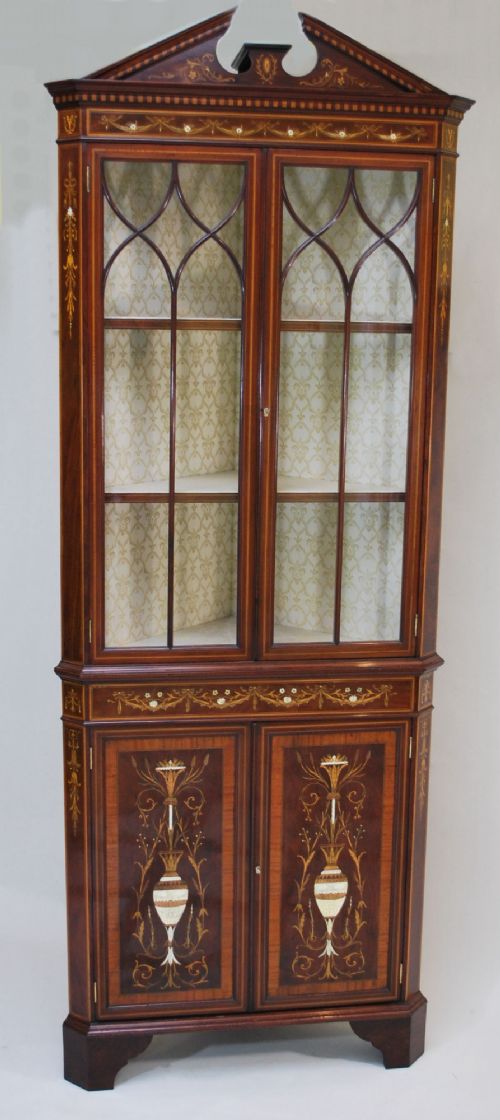
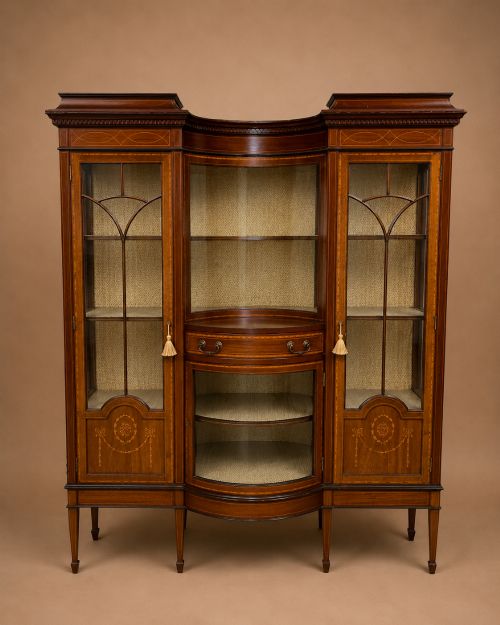
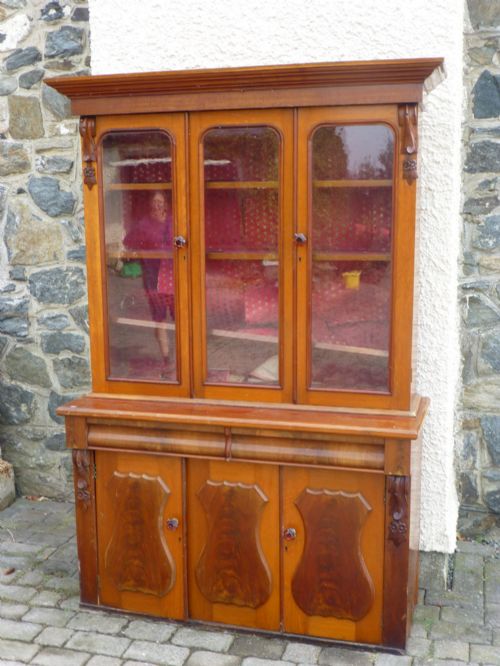
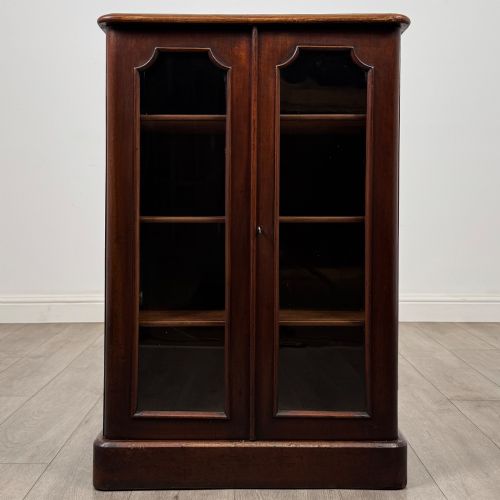
A victorian mahogany display cupboard is a refined storage piece intended for books and curated objects, appearing primarily across the nineteenth century in various formats. Buyers encounter upright glazed cabinets, breakfront bookcases, narrow side units, and corner cupboards designed to utilise domestic space efficiently.
The selection ranges from early nineteenth-century library bookcases to late nineteenth-century display cabinets influenced by revival styles. Pieces frequently combine upper glass doors for visibility with lower timber doors or drawers for concealed storage.
Materials and Technique
Cabinetmakers utilised dense mahogany, often selected for figured grains, and paired it with transparent glass panels to showcase interior contents. Decorative embellishments include satinwood inlay, marquetry, brass fittings, carved details, and occasional painted decoration.
Construction methods accommodated both grand breakfront libraries and smaller corner units, incorporating adjustable shelving, mirror-backs, and astragal glazed doors. Certain examples demonstrate specialised regional vernacular traditions or detailed revival aesthetics.
Materials documented across the inventory include solid mahogany, figured mahogany, satinwood inlay, mirror glass, and painted decoration.
Judging Quality
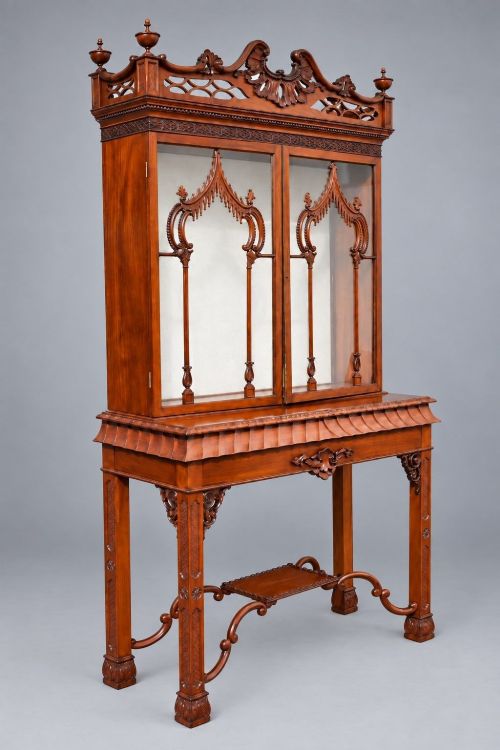
Quality rests on the selection of figured mahogany timber, the crispness of carved elements, and the precision of inlaid satinwood or marquetry details. Finer cabinets display balanced proportions, original glass panes, and well-executed revival styling such as Chinese Chippendale or Gothic influences.
Jas Shoolbred·Edwards & Roberts
The Victorian Mahogany Display Cupboard Glossary
- Breakfront
- A cabinet design where the central section projects forward from the flanking outer sections. This architectural arrangement creates depth and visual interest in larger room settings.
- Astragal
- Moulding strips used to divide glass panes within a glazed door framework. They form geometric or decorative lattices across cabinet fronts.
- Marquetry
- Elaborate patterns created by fitting different wood veneers, such as satinwood, into a primary background. It adds decorative contrast to cabinet doors and friezes.
- Figured mahogany
- Timber exhibiting distinctive natural grain patterns like flame or curl. Cabinetmakers reserved these superior boards for prominent exterior surfaces.
- Corner cabinet
- A specialist storage piece built with an angled footprint to fit room intersections. These units maximise floor space while displaying collections.
Victorian Mahogany Display Cupboard: Frequently Asked Questions
What periods do these cabinets come from?
The listed items span the nineteenth century, with specific examples dating from the early decades through to eighteen ninety and nineteen hundred. Most pieces reflect Victorian production methods and aesthetic revivals.
Design influences shift from classic proportions towards ornate revival styles and later nineteenth-century interpretations as the period progresses.
How were these cupboards used historically?
These pieces served primarily as domestic storage for prized libraries, porcelain collections, and decorative objects behind protective glass doors. Some specialised variants functioned as shop display cabinets or floral advertising units.
Lower cupboards and drawers provided auxiliary storage for household items, while upper glazed sections kept delicate objects free from dust.
How do I style a mahogany display cabinet today?
Position the cabinet against a neutral wall to let the deep mahogany tones and timber grain act as a focal point. Use internal shelving to display curated collections of ceramics, glassware, or books.
Ensure adequate room around breakfront or corner models to accommodate their architectural proportions without overcrowding the interior space.
How do I identify different revival styles?
Chinese Chippendale revival pieces incorporate lattice glazing and fretwork inspired by eighteenth-century Asian design motifs. Gothic revival examples feature pointed arches and architectural tracery reminiscent of medieval buildings.
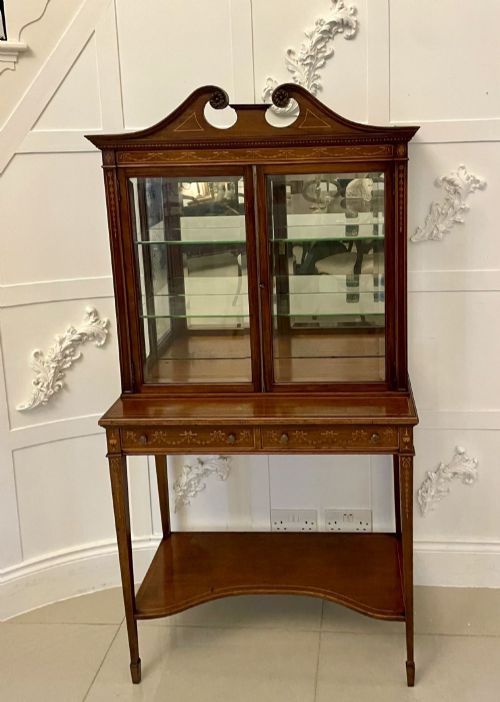
Sheraton revival cabinets display lighter satinwood inlay, geometric stringing, and neoclassical symmetry typical of the late nineteenth-century interest in earlier federal aesthetics.