





Antique Glazed Cupboard Base
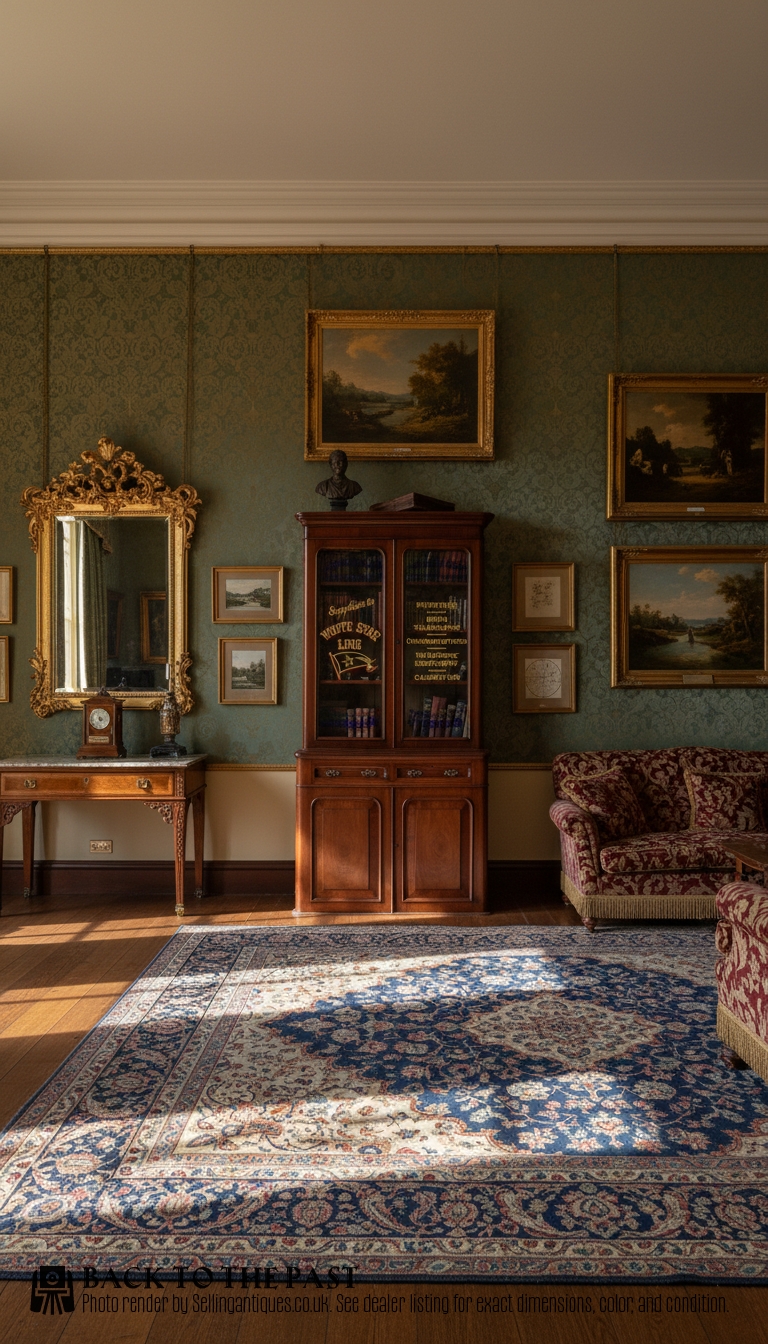
An antique glazed cupboard base is a practical storage combination of glass-fronted upper shelving and a timber lower cabinet, offering display space alongside concealed storage.
Antique Glazed Cupboard Base
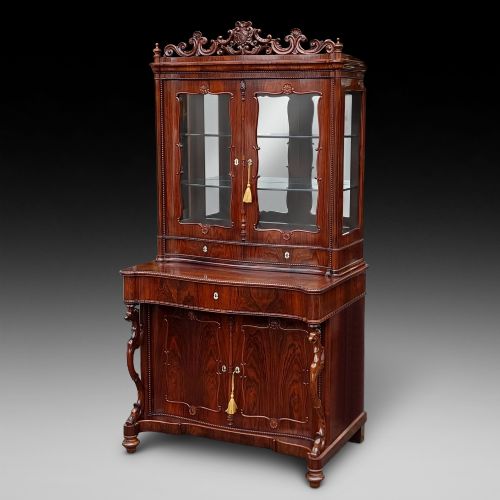
When you search for an antique glazed cupboard base, you encounter a variety of practical forms designed for storage and display across several distinct eras. The pieces recorded here span the Georgian, Victorian, and William IV periods, alongside later nineteenth and early twentieth century examples including Biedermeier, Jacobean Revival, and 1930s styles.
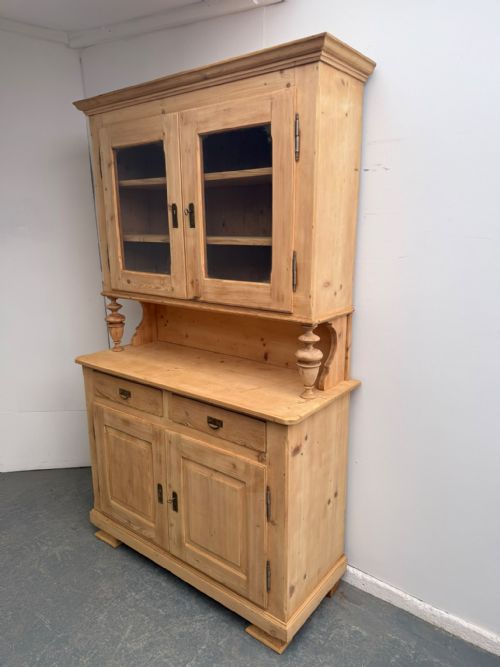
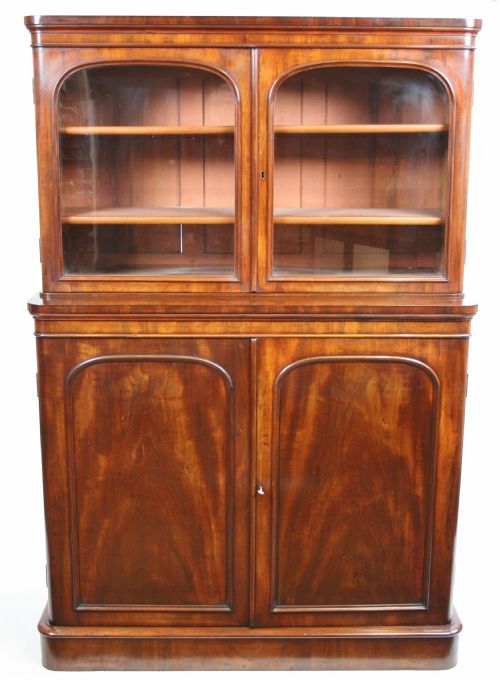
The objects themselves appear primarily as bookcases, display cabinets, kitchen dressers, and side cabinets. Formats range from large mahogany and oak bookcase combinations with carved cupboard bases to smaller pine kitchen cabinets and dressers dating from the middle of the nineteenth century up to the 1930s.
You are most likely to meet Victorian and Georgian mahogany or oak bookcase iterations on this page, alongside simpler pine country dressers and side cabinets. These versatile items bridge the gap between open display and enclosed shelving, serving utility and decorative purposes simultaneously.
How they were made
Glazing forms the upper display sections, paired with timber panelled doors on the lower cupboard bases. Hardware components include brass fittings and hinges, and mirrors occasionally supplement the glass to enhance the interior depth of display cabinets.
Antique Glazed Cupboard Base Retail Price Guide 2026
Typical asking prices for glazed cupboard base among the pieces listed under this phrase on Sellingantiques today, from the lower quarter to the upper quarter. They describe what is for sale here now, not the wider market.
A painted Dutch bombe cupboard brings a curved, billowing silhouette to storage that stubbornly refuses to stand straight in a boring way.
What varies in quality
The selection of timber grade and figure dictates much of the visual merit, distinguishing simple utility furniture from formal reception pieces. Figured mahogany, flame mahogany veneer, and rosewood represent the more decorative end of the spectrum, while everyday pine and standard oak serve more functional domestic roles.
The crispness of carving and the integration of the upper glazed section with the lower cupboard base determine the success of the design. Refined glazing bars and balanced proportions separate formal nineteenth-century library bookcases from rustic kitchen dressers.
The Antique Glazed Cupboard Base Glossary
- Cupboard base
- The lower enclosed storage section of a cabinet, typically fitted with timber doors beneath upper shelving or display space. It provides heavy structural support and conceals utilitarian items.
- Glazed
- Fitted with glass panes to protect books or display items from dust while keeping them visible. Upper sections of bookcases and cabinets commonly utilise this technique.
- Veneer
- A thin layer of fine wood applied to a secondary timber base to create a decorative exterior surface. Flame mahogany veneer uses highly figured cuts of wood for dramatic grain patterns.
- Dresser
- A dual-purpose article of furniture combining lower cupboards or drawers with upper display shelving. Versions in pine and oak serve kitchen and country interior functions.
- Biedermeier
- A Central European stylistic period spanning the nineteenth century known for clean lines and warm wood tones. Rosewood frequently appears in pieces from this design tradition.
Antique Glazed Cupboard Base: Frequently Asked Questions
What is a cupboard base?
A cupboard base is the enclosed lower portion of a taller piece of furniture, such as a bookcase or display cabinet. It provides heavy-duty storage behind solid doors, while the upper section handles display.
This division allows functional items to be hidden below while books or decorative objects remain visible above.
How do I date an oak bookcase?
Dating an oak bookcase involves examining construction methods, timber preparation, and stylistic clues from periods like the Georgian era or the Jacobean Revival. Secondary woods and hardware also offer chronological markers.
Later nineteenth-century and 1920s interpretations often mix traditional oak construction with the revival styles popular during those decades.
Where were pine dressers used?
Pine dressers and kitchen cabinets originated primarily as utilitarian furniture for domestic food preparation and storage. They served in sculleries, kitchens, and pantries across nineteenth-century and 1930s country settings.
Today, their domestic scale and accessible timber make them popular for casual living spaces.
What woods appear most often?
Mahogany, oak, and pine form the vast majority of the timber carcases found in these listings. Finer formal pieces utilise rosewood and flame mahogany veneer for decorative impact.
Pine and standard oak dominate the country and kitchen iterations, reflecting local availability and practical domestic requirements.