
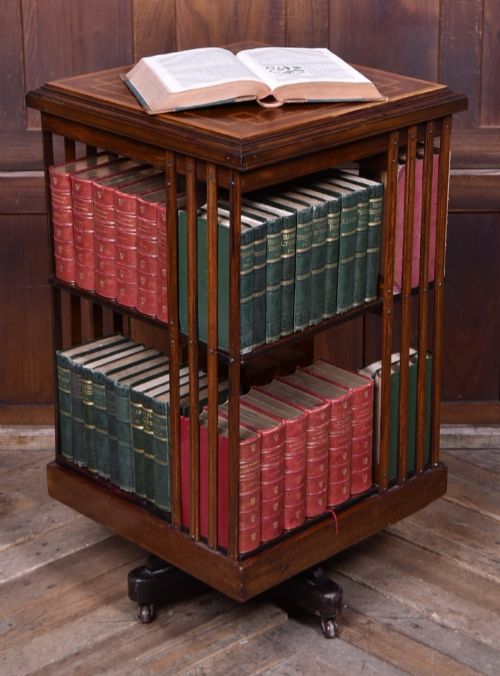
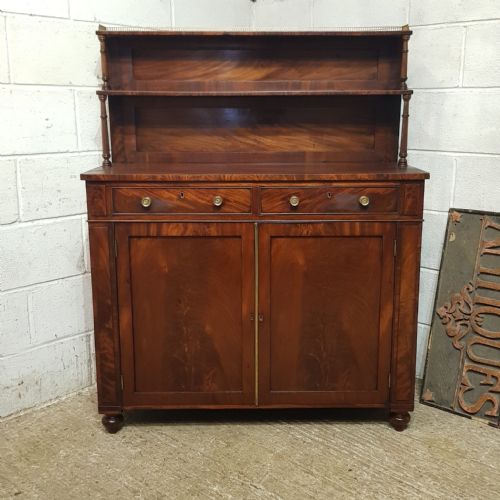
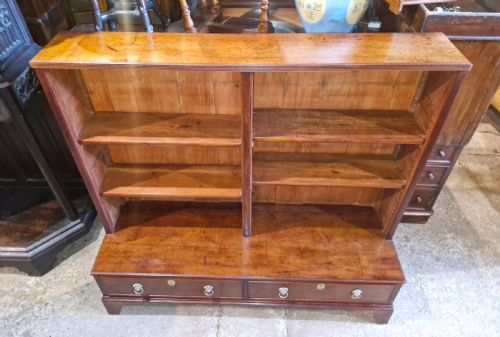
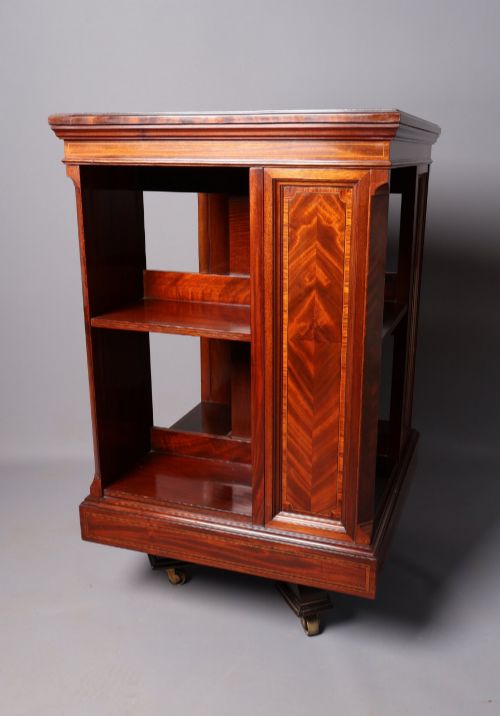
Two Tier Mahogany Bookcase
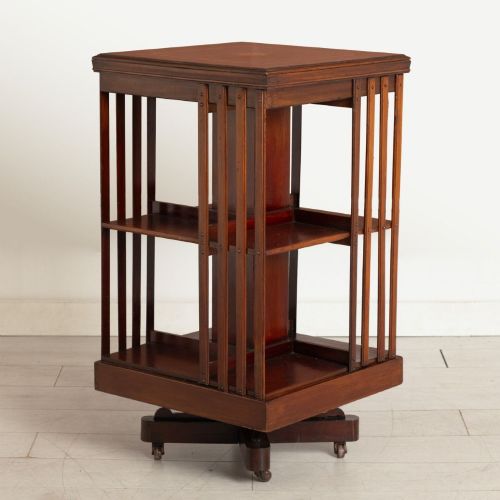
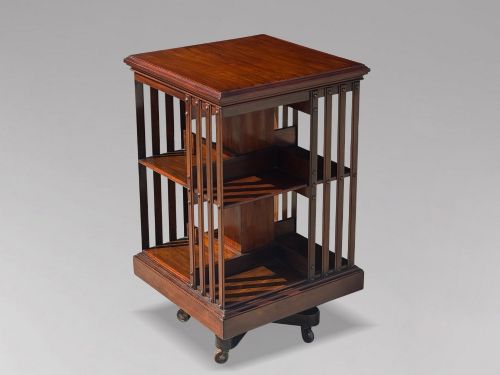
A two tier mahogany bookcase organises volumes within arm's reach while anchoring a room with rich timber grain.
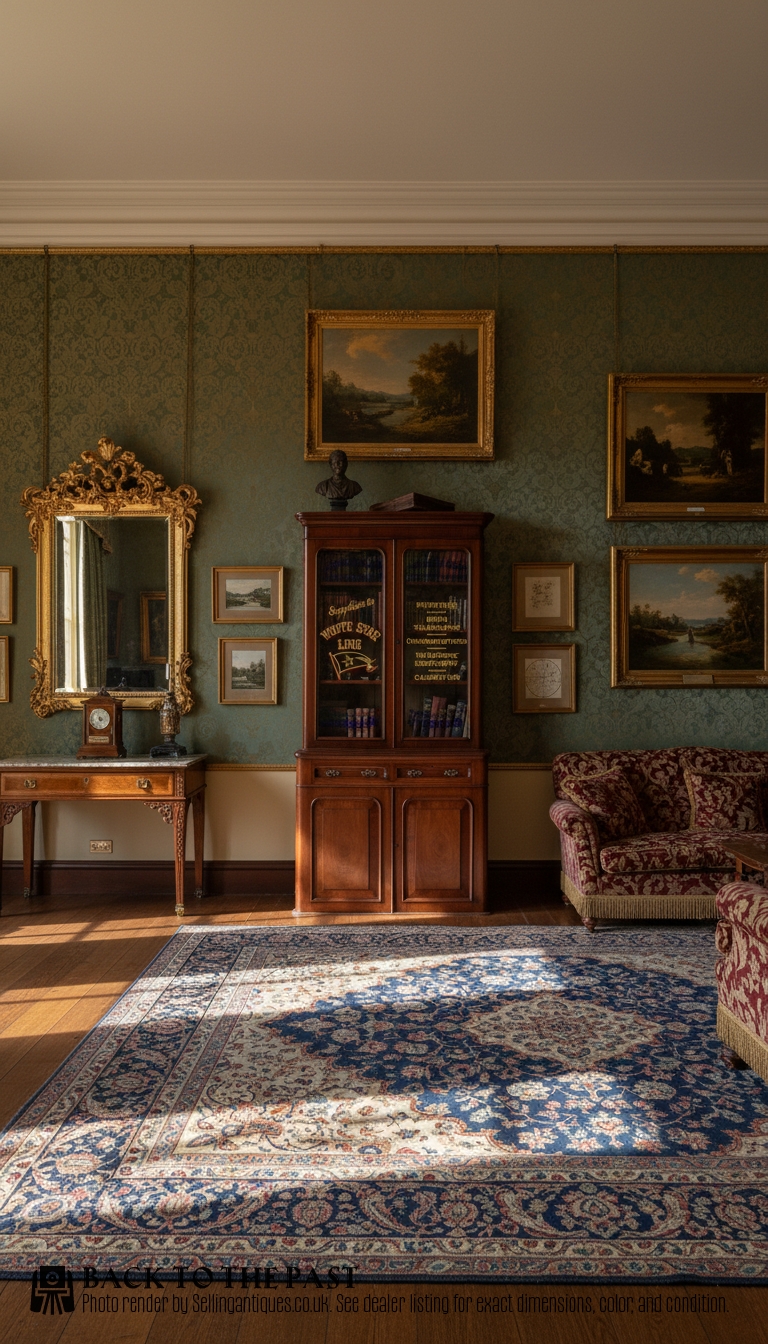
Two Tier Mahogany Bookcase
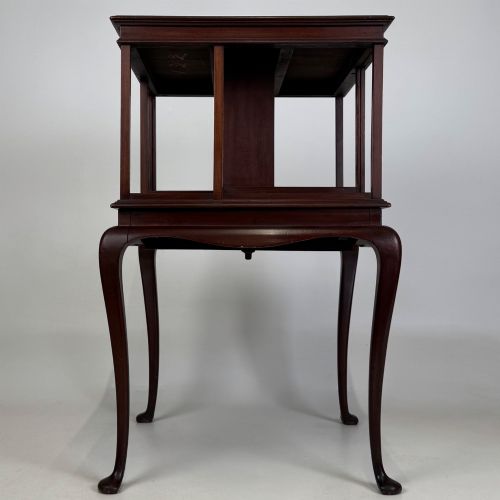
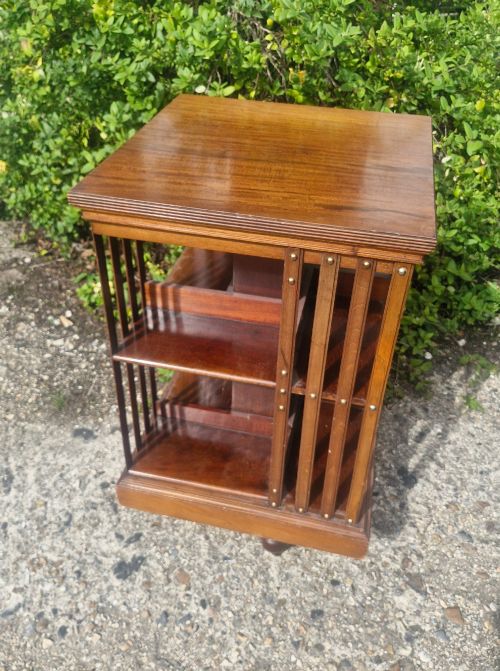
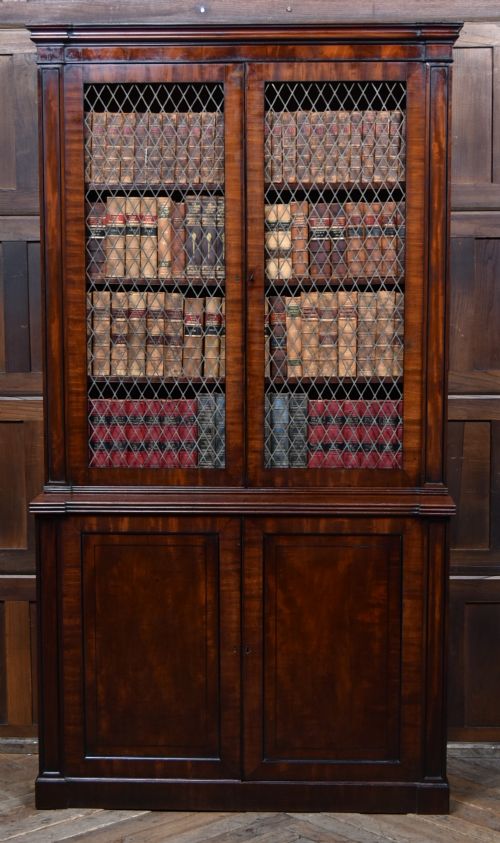
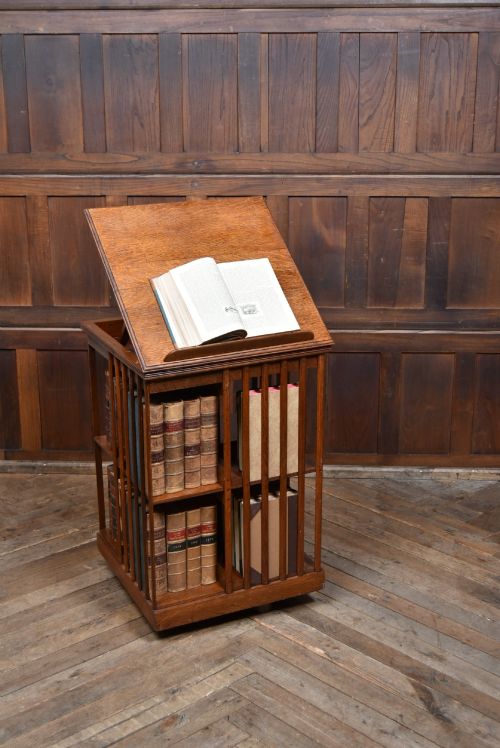
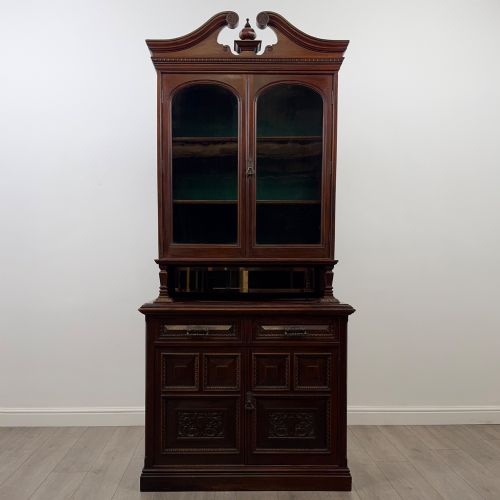
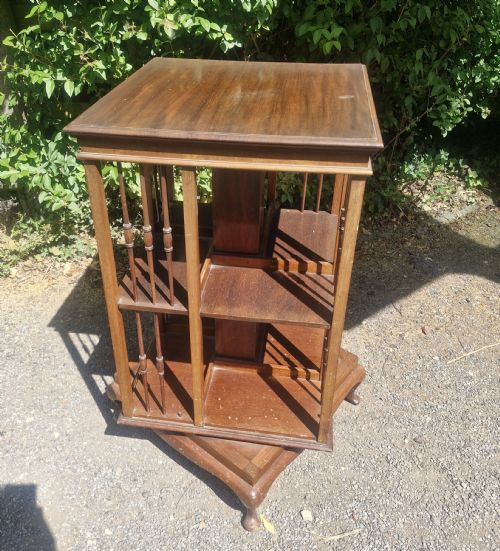
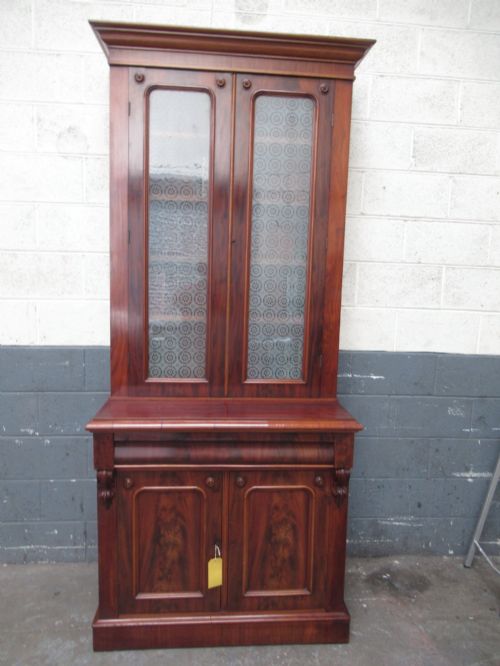
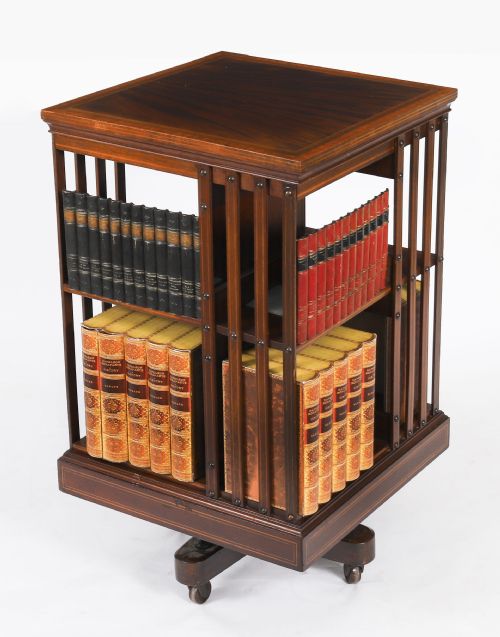
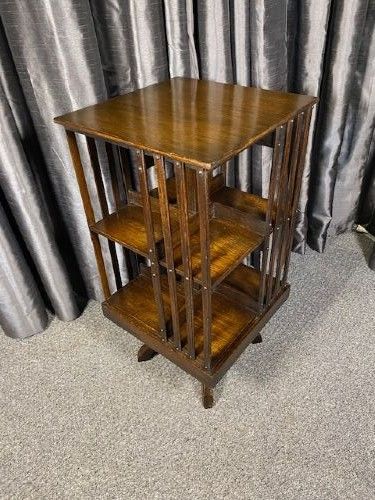
A two tier mahogany bookcase brings together several distinct formats built to hold volumes in domestic spaces. The selection ranges from revolving variants and dwarf cabinets to tall breakfront pieces and corner cupboards.
Edwardian and Victorian examples dominate the available selection, often taking the form of revolving bookstands or shelved cabinets. Pieces originating from the Georgian and Regency eras appear alongside these later formats.
Makers utilised various timber configurations, occasionally incorporating satinwood inlay or brass fittings alongside the primary mahogany structure. Buyers encounter everything from compact book troughs to substantial glazed display units.
Materials and Construction
Makers relied primarily on solid mahogany and flame mahogany veneers, often pairing the timber with glass panes for upper cabinet doors and brass for hinges or castors. Satinwood inlay frequently provides decorative contrast along shelves and friezes.
Revolving formats depend on complex internal iron or cast iron mechanisms to allow smooth rotation under weight. Cabinet structures employ traditional joinery to support stacked tiers and heavy shelved sections.
Two Tier Mahogany Bookcase Retail Price Guide 2026
Typical asking prices for two tier mahogany bookcase among the pieces listed under this phrase on Sellingantiques today, from the lower quarter to the upper quarter. They describe what is for sale here now, not the wider market.
The selection includes revolving bookcases, corner cabinets, breakfront bookcases, and compact book troughs.
Distinctions in Standard
Quality rests upon the selection of the timber grain, particularly where figured flame mahogany or delicate satinwood inlay defines the surface. Pieces displaying careful book-matching demonstrate a higher standard of cabinet work.
The precision of the internal revolving mechanism dictates the mechanical success of rotating tiers. Sturdy construction in the joints and original glazing further separate standard production from superior examples.
Maple & Co·Globe Wernicke
The Two Tier Mahogany Bookcase Glossary
- Mahogany
- A durable tropical hardwood known for its deep reddish-brown colour and stability in furniture construction.
- Revolving Bookcase
- A freestanding tiered unit mounted on a central pivot that turns to allow access to books from any angle.
- Satinwood Inlay
- Decorative contrasting wood veneer inserted into the primary mahogany surface in geometric or floral patterns.
- Breakfront
- A cabinet design where the central section projects forward from the flanking wings.
- Glazed Top
- An upper bookcase section fitted with glass panels in wooden frames to display and protect volumes.
Two Tier Mahogany Bookcase: Frequently Asked Questions
How do I spot a revolving bookcase?
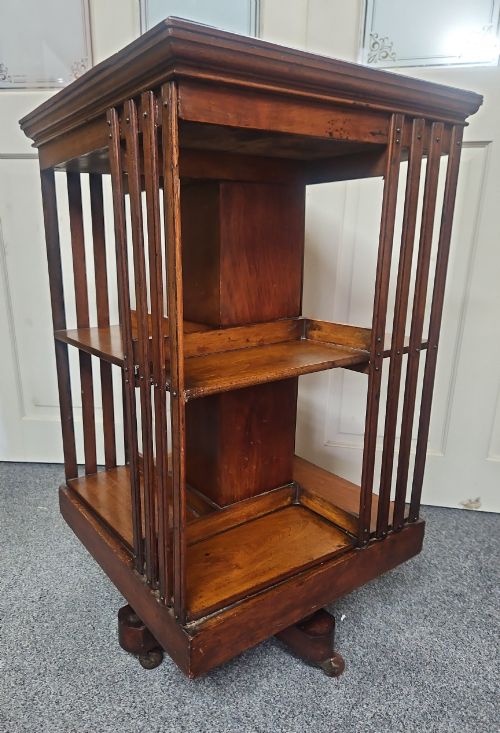
A revolving bookcase stands on a cruciform base fitted with a hidden iron or cast iron pivot mechanism beneath the lowest tier. This engineering allows the entire tiered tower to spin freely on the spot.
Most examples seen here date from the Edwardian period or the late nineteenth century. They were designed to sit beside armchairs or desks for immediate access to reference volumes.
What is a flame mahogany finish?
Flame mahogany refers to a distinctive veneer figure derived from the fork of the tree where branches meet the main trunk. This produces a dramatic, undulating pattern resembling flickering flames across the wood.
Cabinet makers reserved this striking grain for prominent surfaces like top tiers and drawer fronts. It appears frequently on Edwardian and Victorian pieces.
Where were corner cabinets used?
Corner cabinets and cupboards utilise the awkward angles of domestic rooms to store or display books and ceramics. Georgian and Edwardian examples fit snugly into ninety-degree wall junctions.
Many feature glazed upper doors to showcase bindings while keeping dust away from the paper. Some retain inlaid satinwood decoration along the frame.
How do I date a mahogany bookcase?
Dating relies on combining the overarching style, structural joinery, and secondary woods visible inside the cabinet. Georgian pieces display simpler, heavier carcases, whereas Regency items often incorporate classical architectural motifs.
Edwardian and late nineteenth-century versions frequently feature revolving mechanisms and lighter inlaid decoration. Comparing the hardware and glass helps narrow the decade of production.