
Nineteenth Century Mahogany Cabinet
A nineteenth century mahogany cabinet brings substantial timber and disciplined storage into a room, spanning bookcases, sideboards, and compact bedside cupboards.
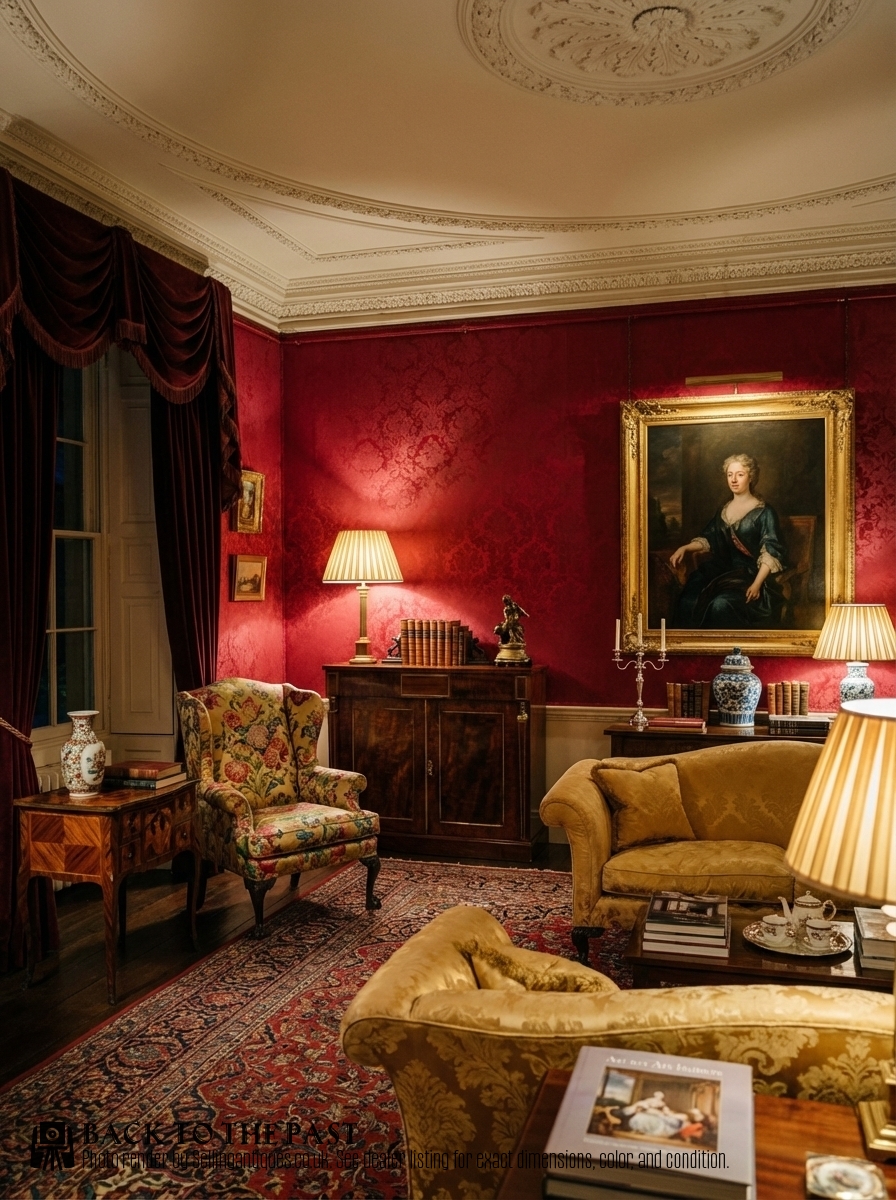
Nineteenth Century Mahogany Cabinet
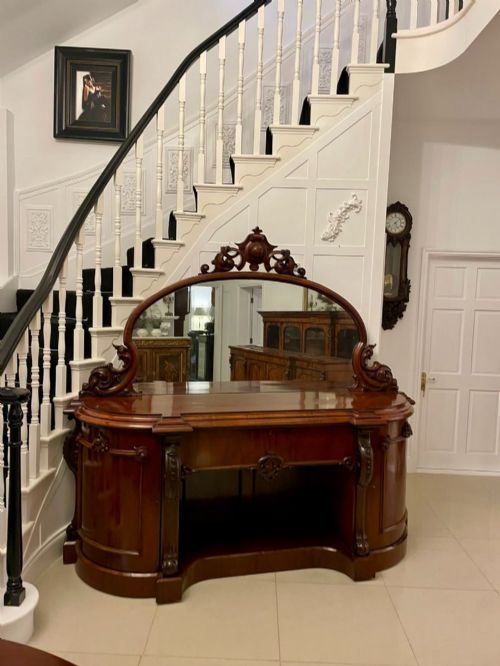
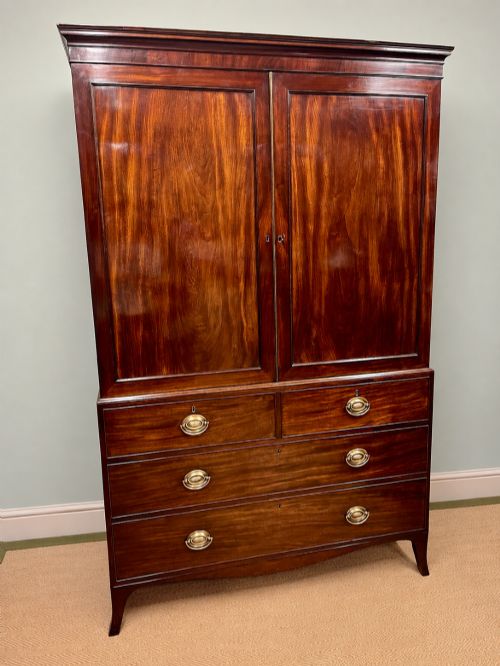
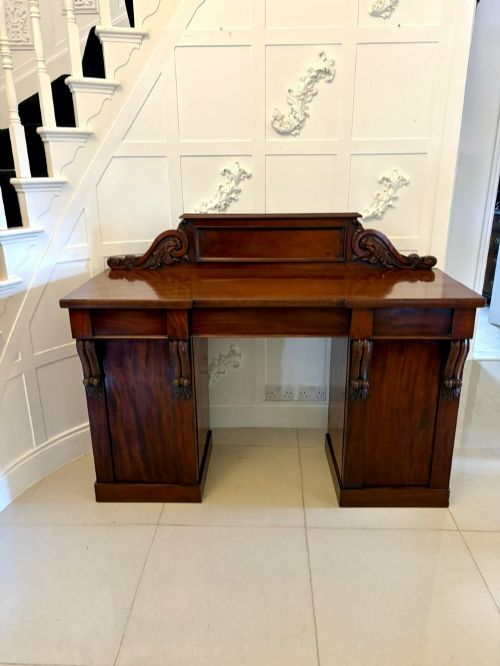
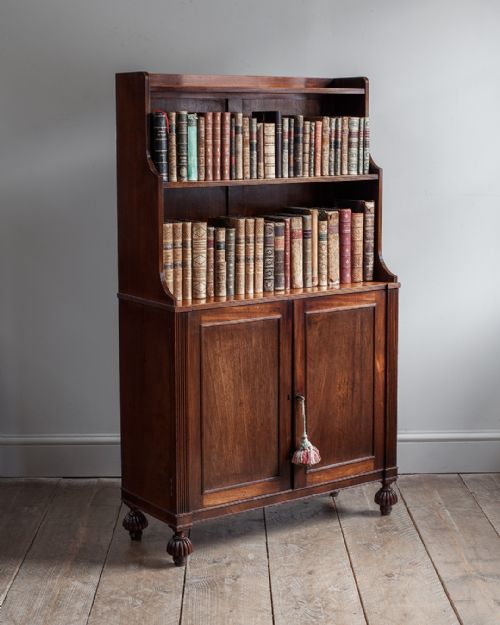
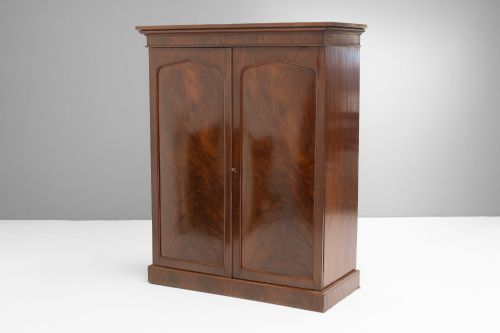
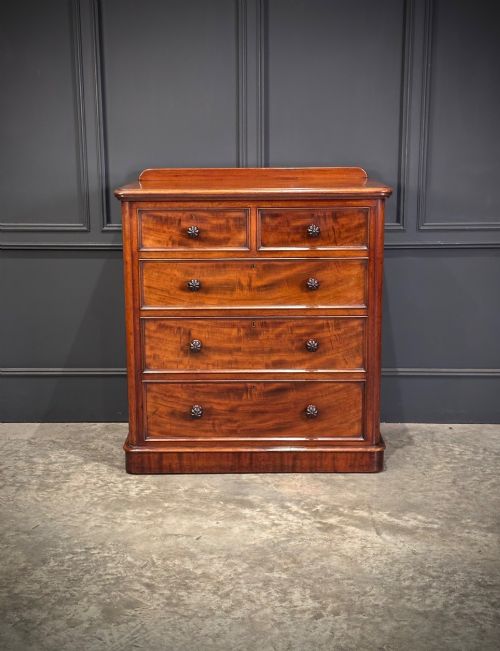
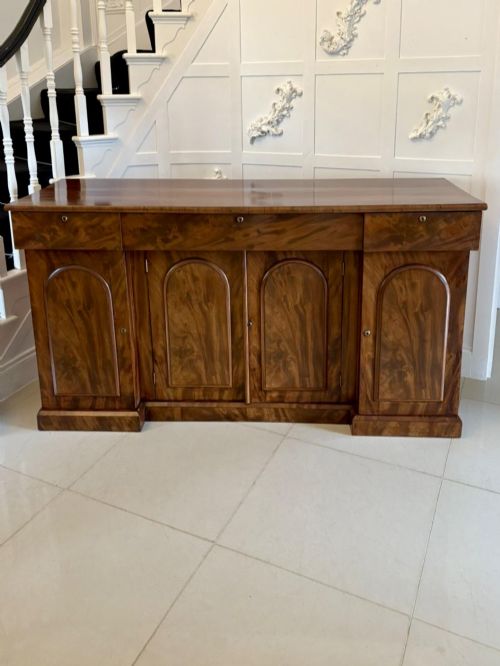
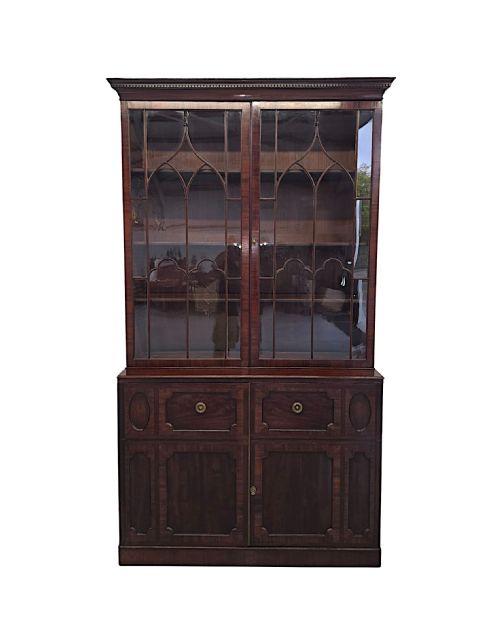
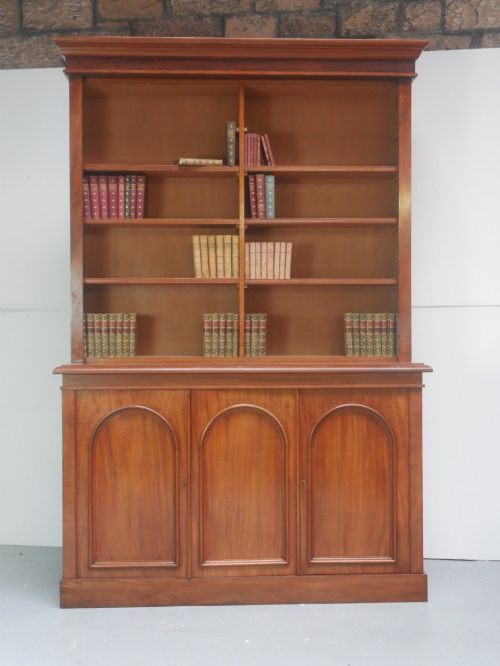
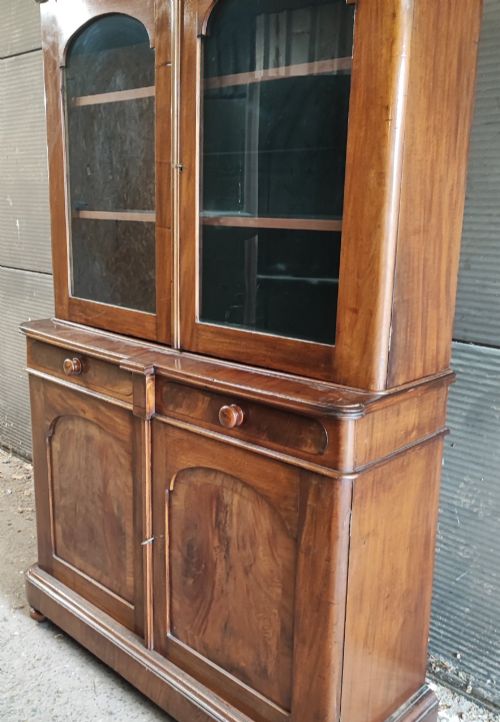
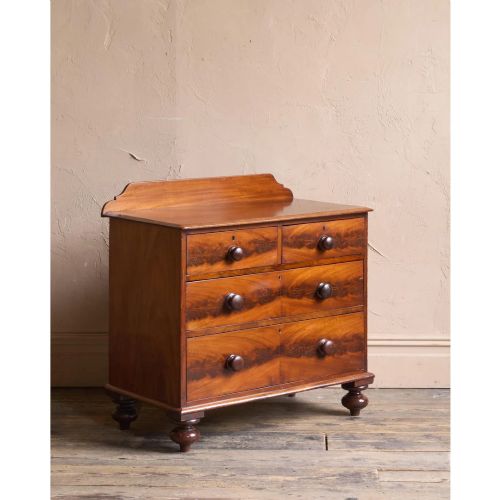
A nineteenth century mahogany cabinet covers a wide utilitarian and formal domestic footprint, encompassing large library bookcases, chests of drawers, display cabinets, and smaller bedside cupboards. These forms originate across the Regency, Victorian, William IV, and Georgian periods, reflecting the shifting tastes of nineteenth-century cabinet makers.
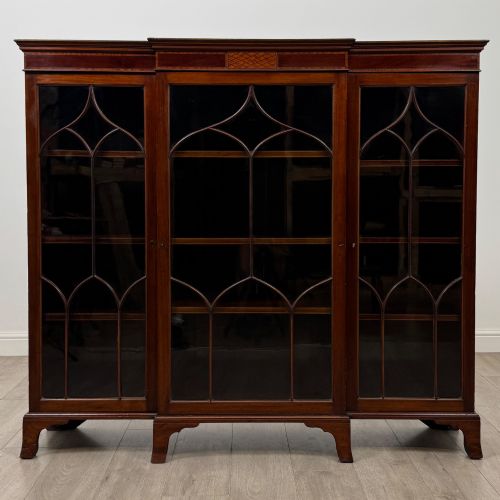
The most frequent examples encountered on this page are tall bookcases, breakfront library pieces, and chests of drawers, alongside smaller side cabinets and pot cupboards. Such items served specific domestic duties, from holding folio books in a study to storing linen or serving refreshments in a dining room.
How they were made
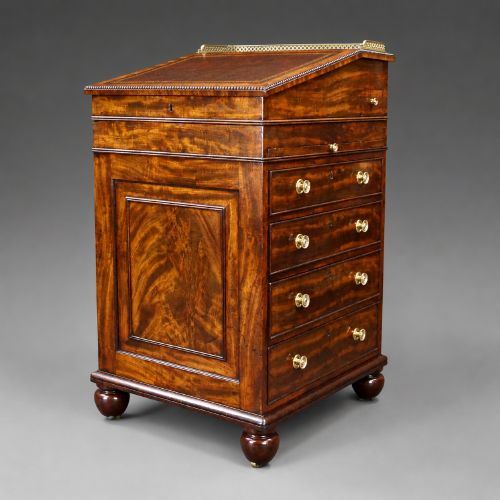
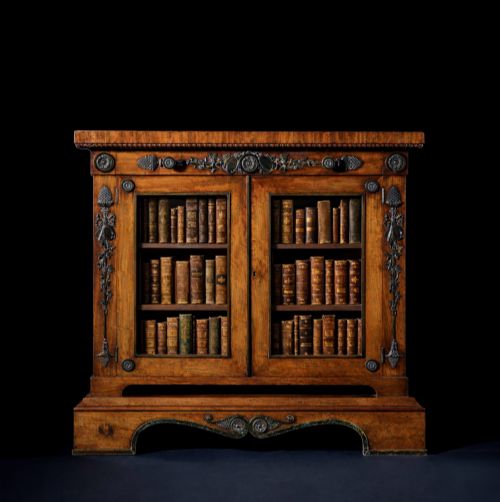
Makers constructed these cabinets primarily from solid mahogany and flame mahogany veneer, often laying figured veneers over secondary timbers to create rich grain patterns across large surfaces like cupboard doors and drawer fronts. Cabinet makers incorporated brass handles, escutcheons, and occasionally brass grilles or ormolu mounts to accent the dark timber.
Internal elements frequently featured secondary woods, while glass panels appeared in bookcases and display cabinets, and marble tops or leather writing surfaces were fitted to specific functional forms such as side cabinets and secretaire desks.
The selection includes Gothic Revival, Egyptian Revival, and Sheraton Revival styles alongside standard Regency and Victorian designs.
What varies in quality
The distinction between tiers of quality rests upon the selection of timber and the precision of the joinery rather than surface decoration alone. Pieces displaying carefully matched flame mahogany veneers and thoughtful proportions consistently demonstrate a higher standard of workshop execution.
Secondary details, such as the thickness of drawer linings, the retention of original turned knobs or brass mounts, and the integration of internal fittings like adjustable shelving, separate standard utility pieces from exceptional cabinet work.
Gillows·Jas Shoolbred·Holland & Sons·Howard & Sons
The Nineteenth Century Mahogany Cabinet Glossary
- Flame mahogany veneer
- A thin slice of timber cut from the fork of the mahogany tree to produce a dramatic, flame-like grain pattern. Cabinet makers applied these veneers to prominent exterior surfaces.
- Breakfront
- A piece of furniture where the central section projects forward from the flanking outer sections. This architectural arrangement created visual depth in large bookcases and sideboards.
- Secretaire
- A cabinet incorporating a pull-down writing drawer fitted with small interior drawers and pigeonholes. It combined the function of a writing desk with enclosed storage.
- Ormolu
- Gilded bronze mounts applied as decorative ornaments to furniture. They appear frequently on French empire pieces and select British cabinets.
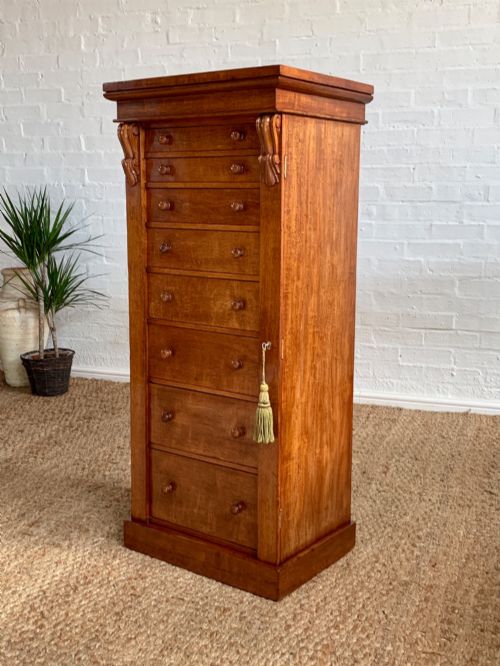
- Wellington chest
- A tall, narrow chest of drawers secured by a hinged vertical locking bar on one side. This design ensured all drawers remained locked with a single key.
Nineteenth Century Mahogany Cabinet: Frequently Asked Questions
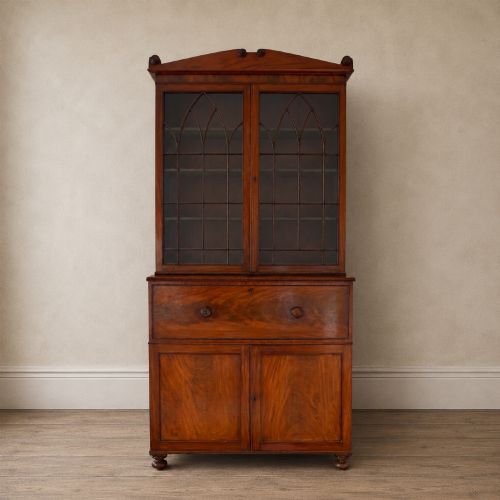
What is a secretaire bookcase?
A secretaire bookcase combines a shelved upper cabinet for books with a lower section featuring a pull-down writing flap. Inside this drop-front drawer lie small compartments and pigeonholes for correspondence.
This form allowed a room to function as both a library and a private study without requiring a separate freestanding desk.
How do I identify a Regency cabinet?
Regency cabinets typically date from the early part of the nineteenth century, displaying cleaner architectural lines and restraint in ornament. They frequently utilise brass inlay, brass grilles, or simple column supports.
Proportions tend to lean towards classical symmetry, often drawing influence from Greek and Roman design motifs.
Where were bedside cupboards placed?
Bedside cupboards and pot cupboards stood beside sleeping quarters to hold chamber pots or personal items. Compact doors and enclosed shelving kept necessities out of sight.
Today, these smaller cabinets function effectively as bedside tables or small lamp stands in modern bedrooms.