


Victorian Mahogany Breakfast Table
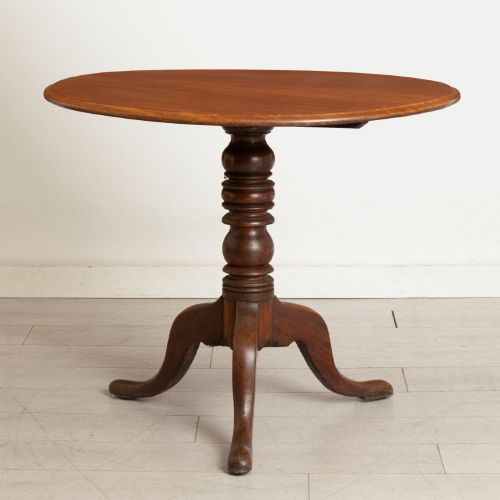
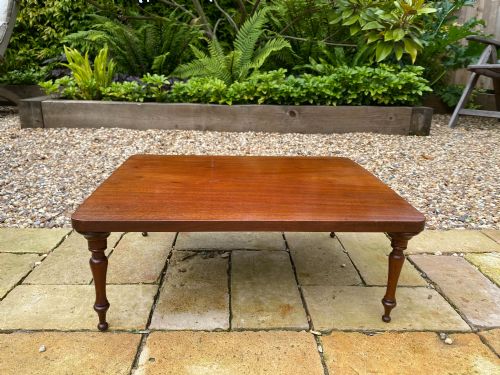
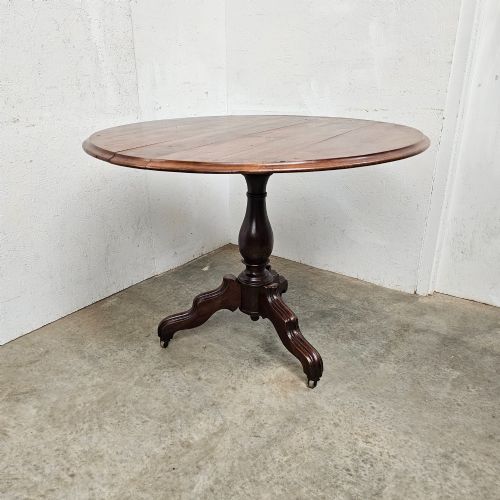
A victorian mahogany breakfast table is a substantial circular or oval pedestal piece designed for morning dining that brings rich timber grain into a modern interior.
Victorian Mahogany Breakfast Table
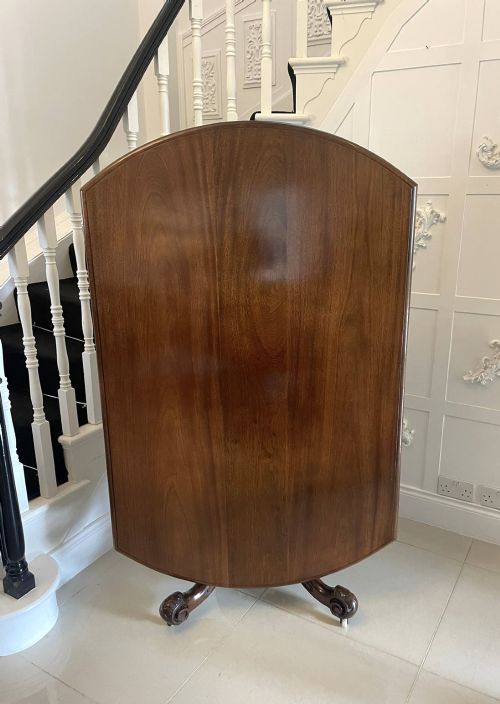
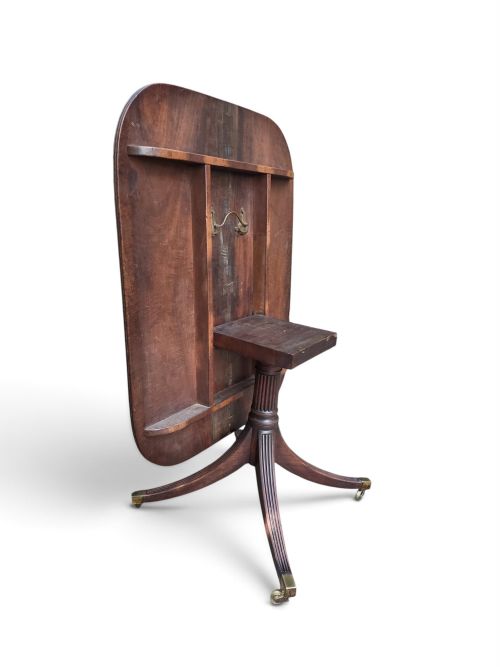
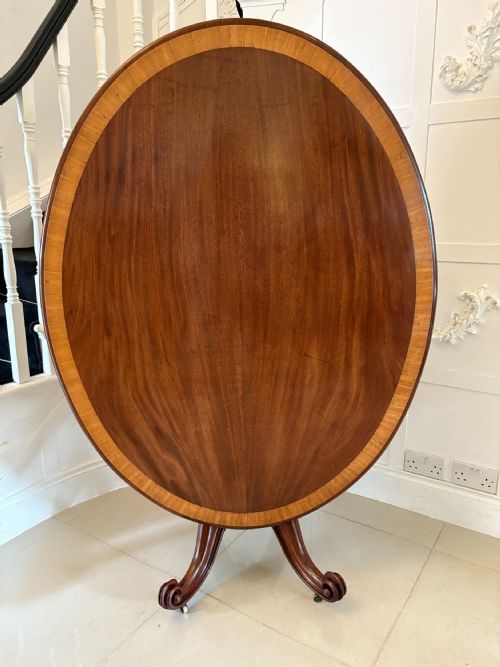
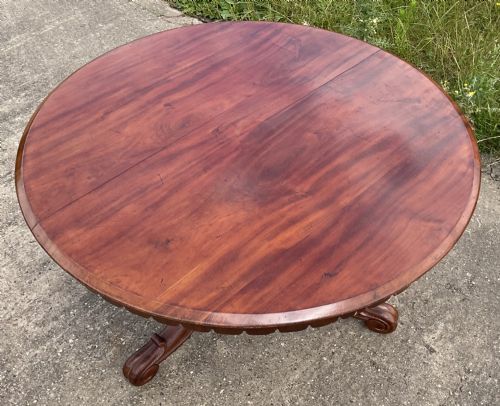
A victorian mahogany breakfast table typically presents as a large circular or oval top supported by a central pillar and a sturdy pedestal base. Many examples feature a tilt-top mechanism that allows the surface to fold vertically when not in use, a practical design for saving space in 19th-century rooms.
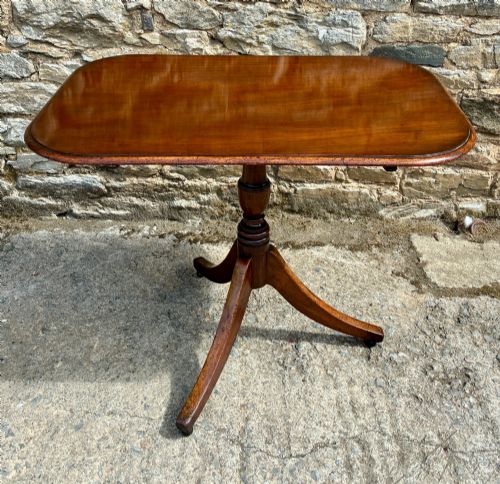
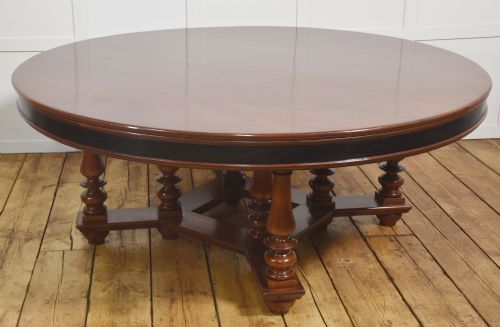
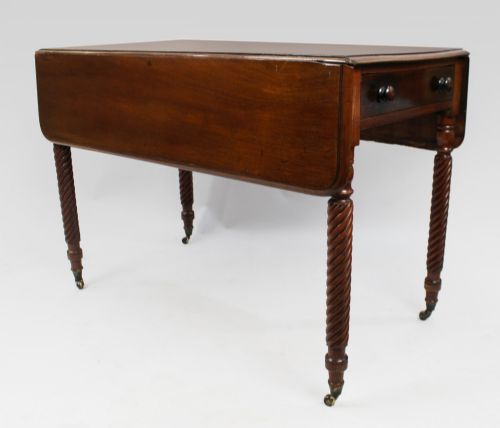
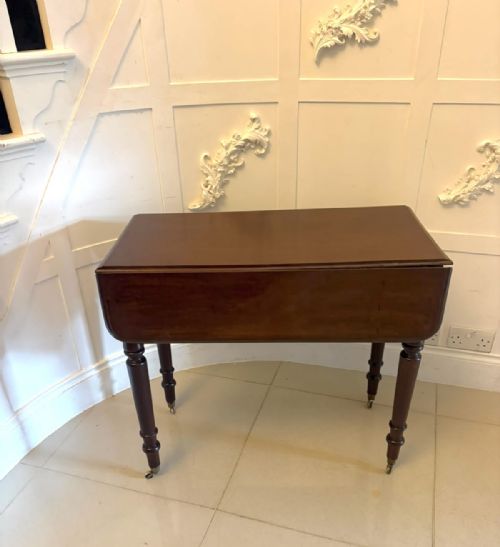
The pieces appearing on this page span the 19th century, with a strong concentration of Victorian and early Victorian examples. Alongside dedicated breakfast tables, the selection includes related pedestal forms such as centre tables, dining tables, and pembroke tables sharing similar timber construction.
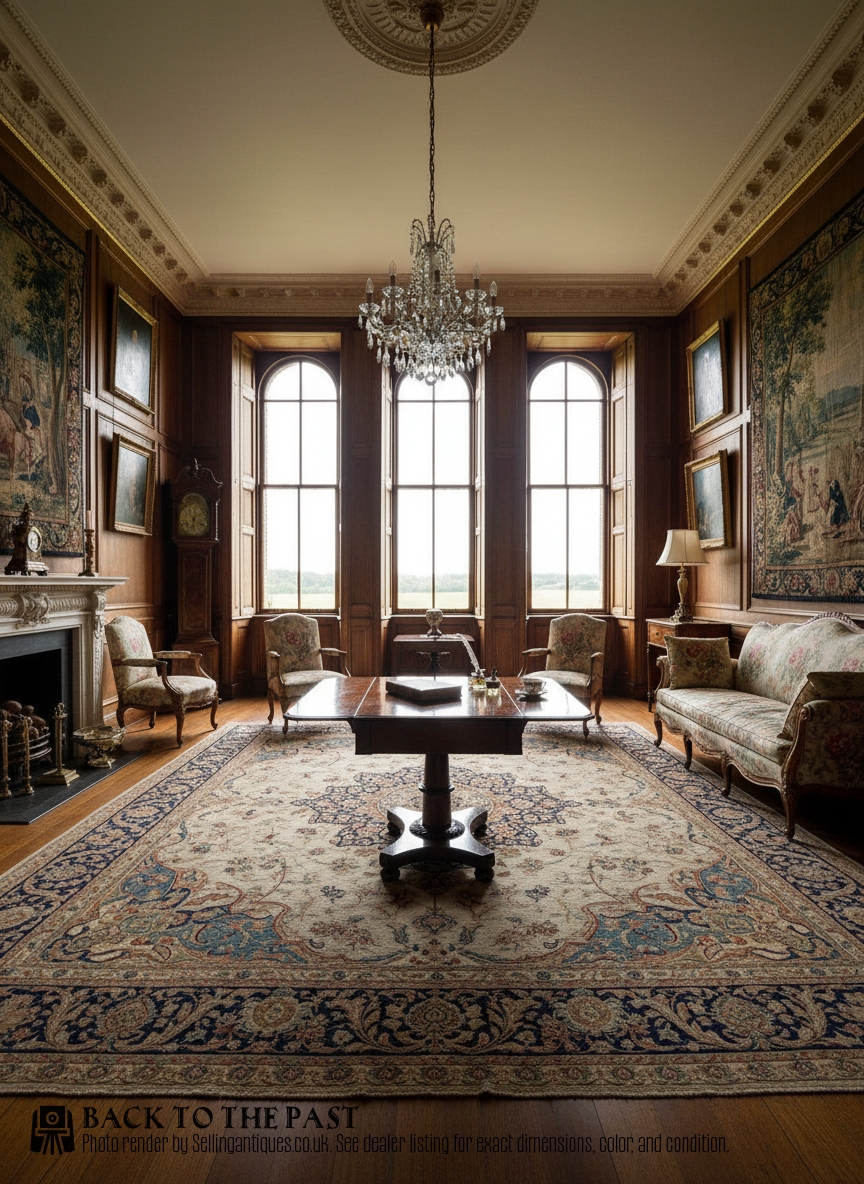
Makers and cabinet makers of the period utilised the deep red and brown tones of mahogany to create commanding centrepieces for the home. Buyers will find both circular tops suited to smaller gatherings and grand oval proportions capable of seating several people.
What Varies in Quality
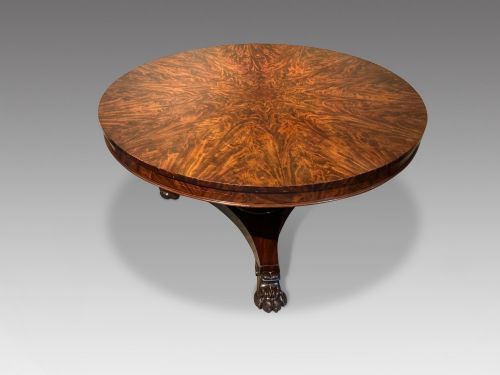
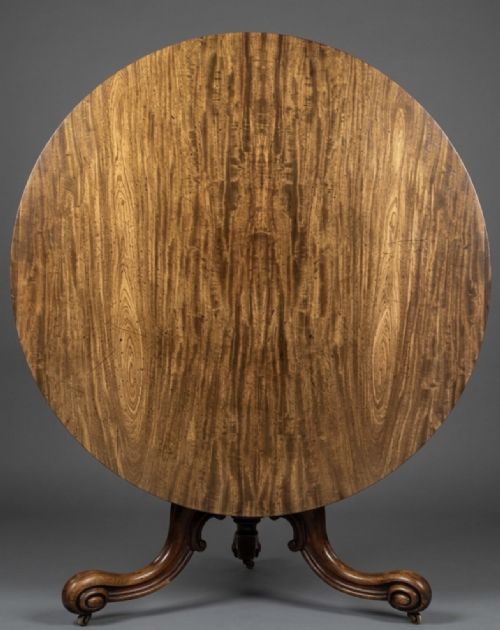
The choice of timber creates the primary distinction between standard production pieces and exceptional examples, particularly where highly figured flame mahogany or plum pudding mahogany veneers display complex, swirling grain patterns. The depth and precision of hand-carving on the pedestal base and rim also mark the difference between straightforward utilitarian furniture and high-status parlour pieces.
Structural integrity rests on the engineering of the tilt mechanism and the stability of the central column joint where the weight of the large top meets the feet. Examples retaining their original brass fittings and smooth-operating pivot catches demonstrate superior original craftsmanship.
The listings show pieces spanning the 19th century, featuring solid mahogany, flame mahogany veneer, walnut, satinwood, and brass components.
The Victorian Mahogany Breakfast Table Glossary
- Tilt-top
- A hinged table top that rotates from horizontal to vertical, allowing the piece to stand flat against a wall when not in use.
- Flame mahogany
- A veneer cut from the branch junction of the mahogany tree, producing a distinctive, fiery pattern of cascading flame-like swirls.
- Pedestal table
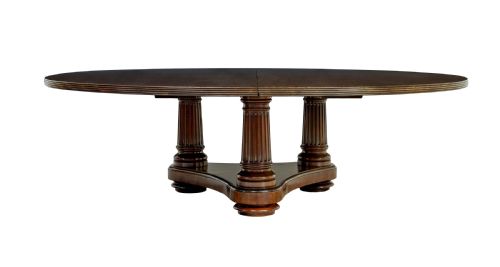
- A table supported by a single central column resting on a tripod, triform, or plinth base rather than four corner legs.
- Pembroke table
- A drop-leaf table featuring two hinged flaps on opposing sides and small drawers, designed for versatile placement.
- Triform
- A three-sided base or pedestal support system commonly utilised on 19th-century tables to ensure firm contact with the floor.
Victorian Mahogany Breakfast Table: Frequently Asked Questions
What is a breakfast table?
A breakfast table is a 19th-century dining table built with a single central pedestal rather than traditional corner legs, making it easy to sit around.
These pieces were traditionally used for morning meals in private chambers before being cleared away or tilted upright to save floor space.
How do I use a tilt-top table?
The top releases via a brass or wooden catch underneath, allowing the heavy surface to pivot upright into a vertical flat position.
This function enables the table to slide against a wall or into a corner when the room needs to be cleared.
Are these tables suitable for modern dining?
Their generous circular and oval proportions make them well-suited for everyday dining or as striking centrepieces in large entrance halls.
The absence of corner legs allows chairs to tuck underneath easily, maximising seating capacity around the pedestal.
How can I tell a Victorian table from a Regency one?
Regency pieces often display lighter banded borders, brass inlay, and restrained classical lines dating from the early 19th century.
Victorian examples tend towards heavier proportions, richer figured mahogany veneers, and more substantial hand-carved pedestal bases.