



Victorian Lead Glass
Victorian lead glass brings heavy, light-catching clarity and architectural colour to a room through decanters, lamps and windows.
Victorian Lead Glass
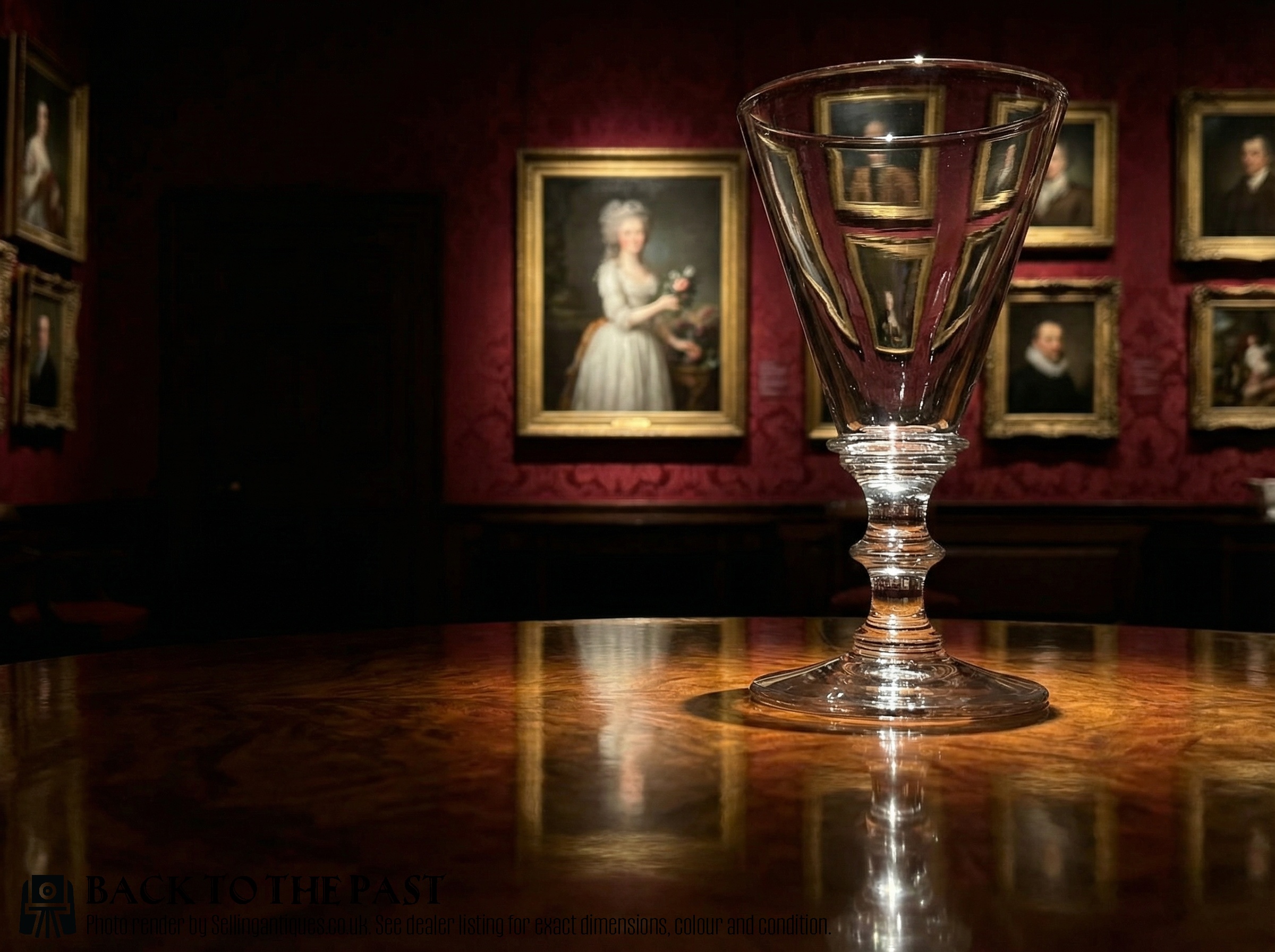
Victorian lead glass encompasses heavy drinking vessels, table lamps, cut glass decanters and structural leaded windows produced during the nineteenth century. These items combine practical utility with decorative heft, showing the clear influence of Gothic Revival and classical styles.
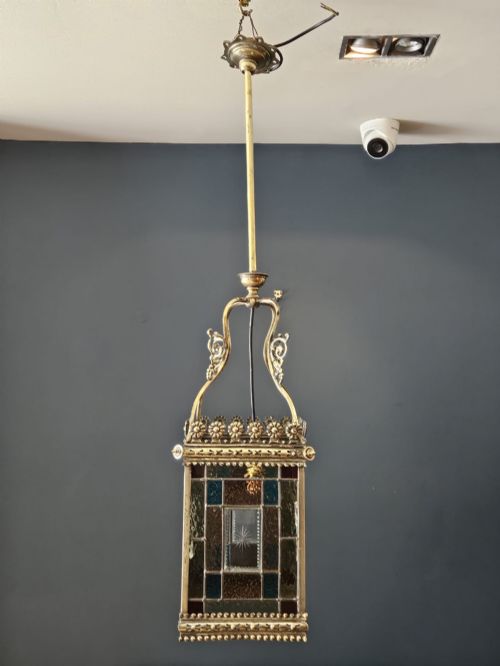
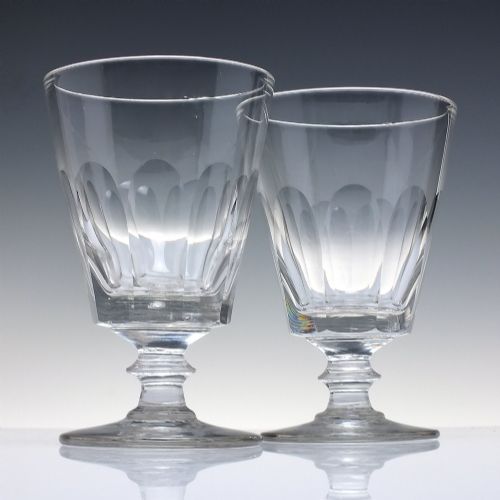
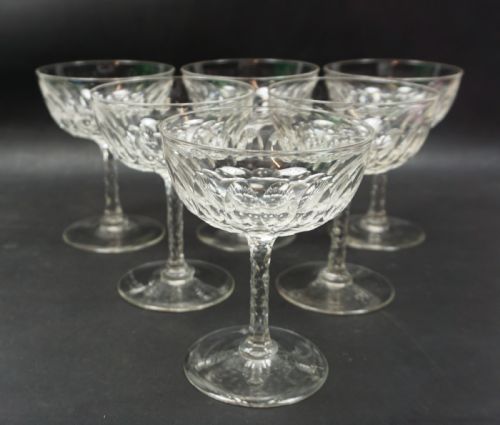
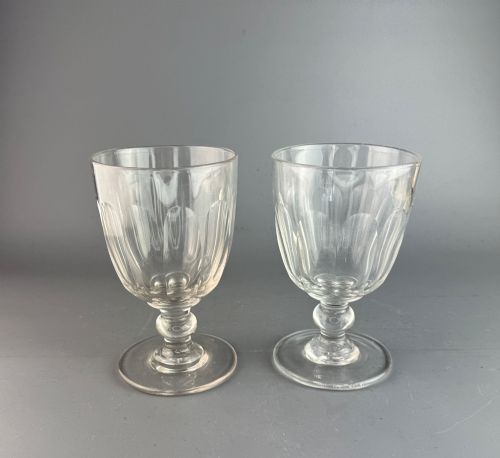
The selections on this page bridge domestic barware and architectural fittings, featuring everything from rummers and champagne coupes to brass-mounted lanterns and painted windows. Pieces span the middle and late decades of the period, reflecting the changing tastes of English and French makers.
Judging quality
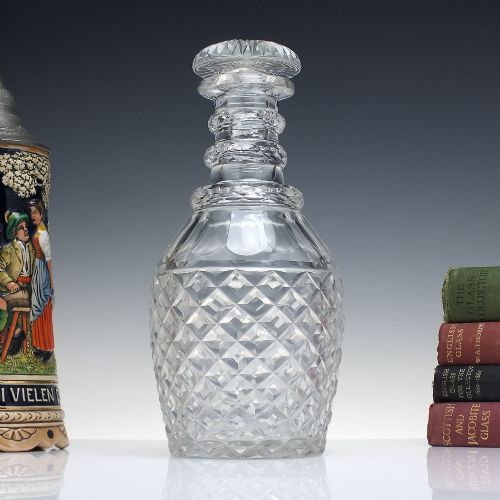
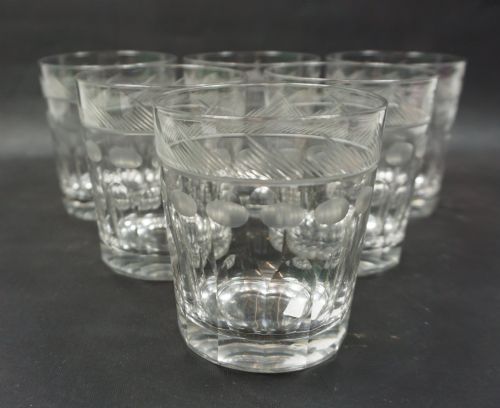
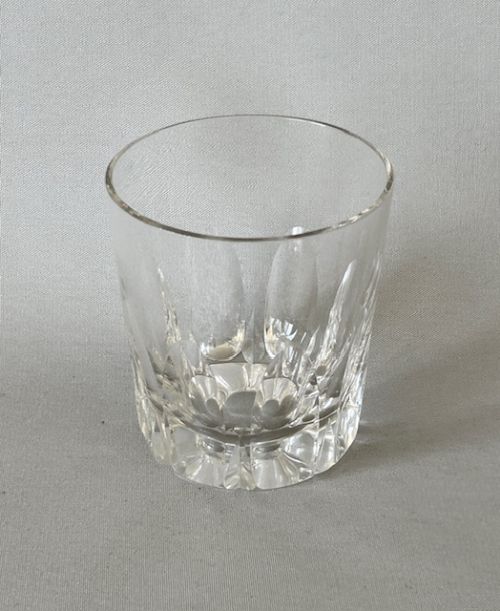
Quality rests on the crispness of the wheel-cut facets and the depth of the engraving, where sharper edges and smooth, polished surfaces separate superior items from softer, pressed alternatives. Weight also signals substance, as genuine lead crystal carries a distinct heft.
Artistry in the painted and stained window panels depends on the nuance of the hand-painted detail and the complexity of the leading. In table lamps and decanters, matching pairs and intact original stoppers elevate the desirability of the set.
Among the glassware, a tiny heart-shaped perfume bottle survives alongside monumental fire screens and multi-light bronze hall lanterns.
Swaine Bourne·Osler
The Victorian Lead Glass Glossary
- Rummer
- A large, wide-bowled drinking glass used for wine, ale or punch during the nineteenth century. These heavy vessels often feature cut stems and bucket bowls.
- Lead Crystal
- Glass containing a high proportion of lead oxide, which increases weight, refractive index and brilliance. This material allows for deep, sharp cutting.
- Intaglio
- A design incised into the surface of the glass rather than carved in relief. The technique produces subtle, frosted recessed details.
- Came
- A slender grooved strip of lead used to hold together pieces of stained or clear glass in a window or fire screen. These flexible strips form the structural grid of leaded panels.
- Facet Cut
- Geometric planes cut and polished onto the surface of glassware to catch and reflect light. Precise facet cutting is a hallmark of better nineteenth-century pieces.
Victorian Lead Glass: Frequently Asked Questions
What is Victorian lead glass?
Victorian lead glass refers to heavy, high-clarity glassware and architectural leaded panels made during the nineteenth century. It encompasses functional items like decanters and rummers alongside decorative windows and lanterns.
The inclusion of lead oxide gives the glass its characteristic weight and ability to refract light brilliantly through cut or engraved surfaces.
Are lead glass decanters safe to use?
Most lead glass decanters can hold spirits for short periods, but storing liquids in them for months is generally discouraged by modern standards. The lead can leach into contents over extended contact.
For occasional serving during dinner, historical decanters remain largely functional provided they are washed thoroughly before use.
How do I date a piece?
Dating relies on stylistic clues, cutting techniques, and registration marks where present. Earlier mid-century pieces often feature heavier blanks and simpler pillar cutting, while later items show more elaborate etching.
Architectural panels and lanterns can be dated by the complexity of the painted subject matter and the gauge of the lead cames used in construction.