


Mid Victorian Glass
Mid victorian glass encompasses practical tableware and decorative objects shaped by mid nineteenth century tastes, offering tactile colour and weight to contemporary rooms.
Mid Victorian Glass
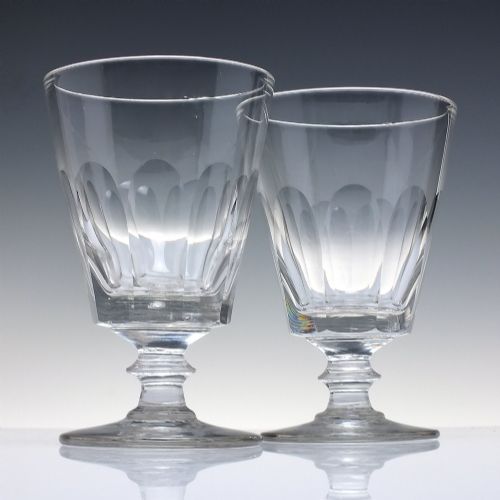
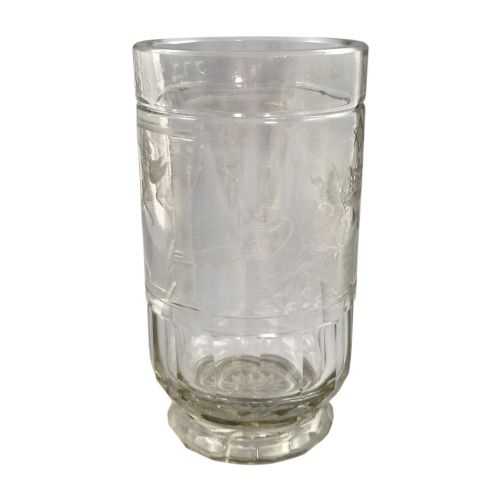
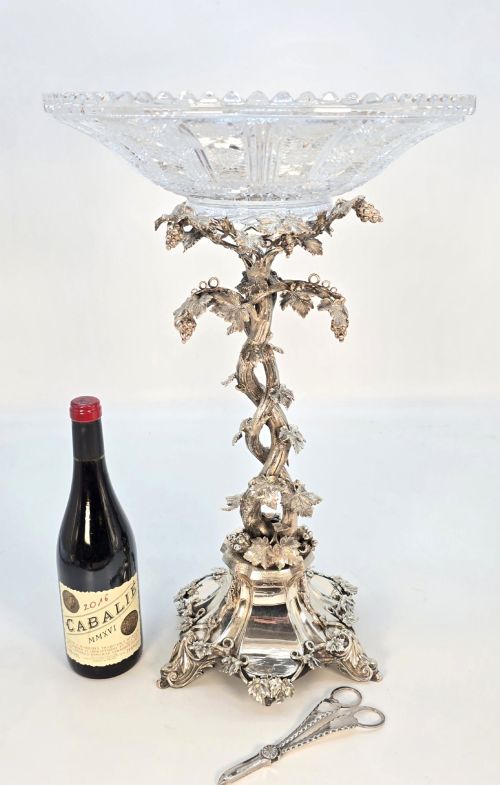
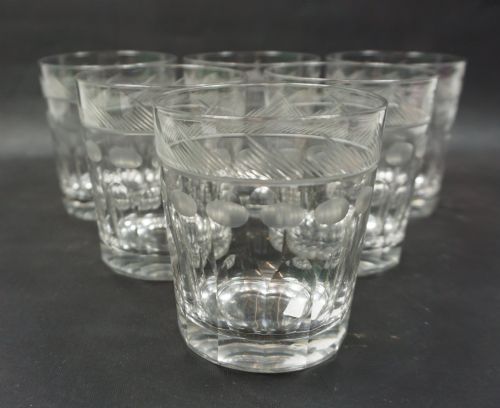
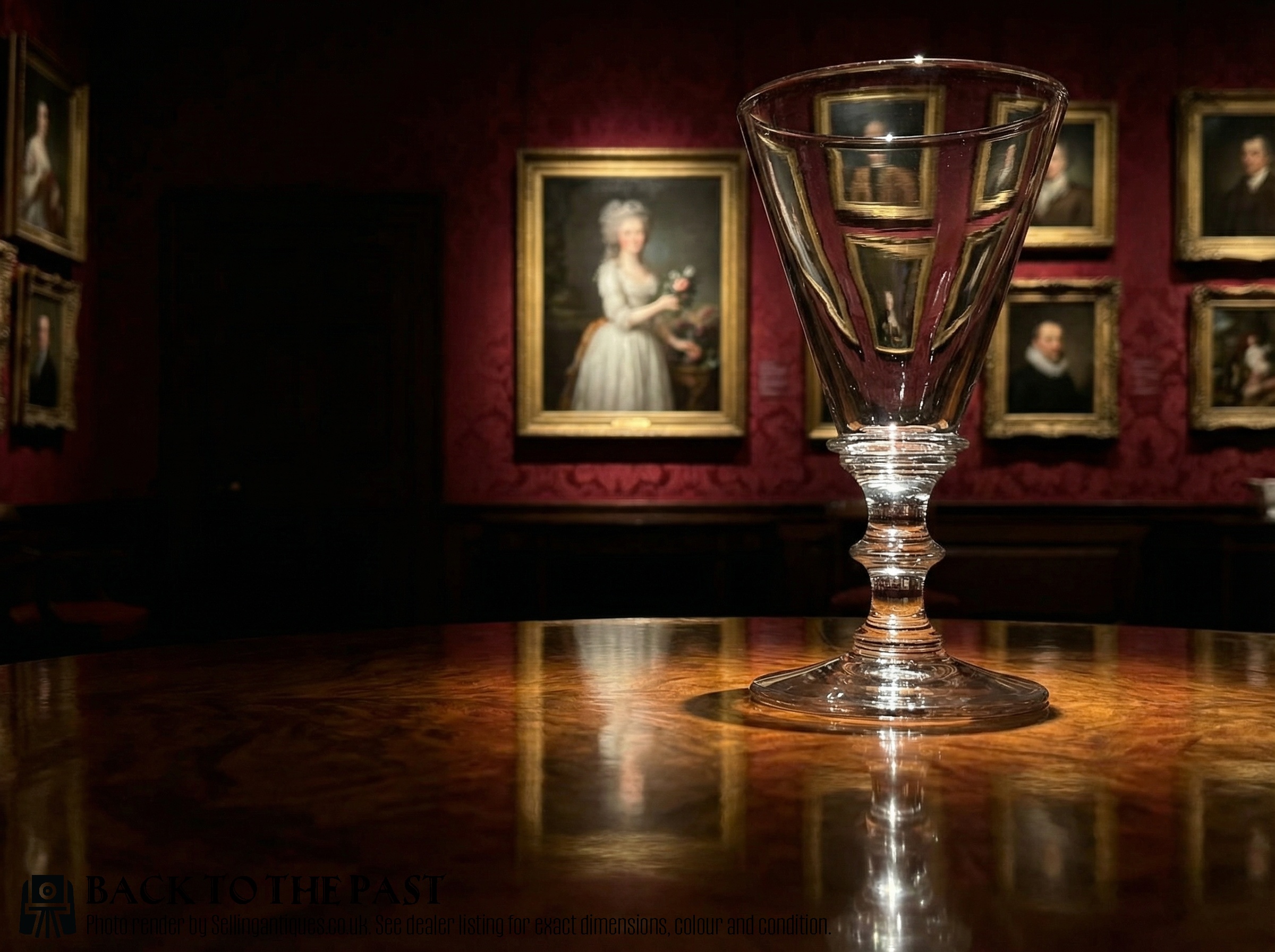
When searching for mid victorian glass, buyers encounter diverse functional and ornamental forms originating primarily from the middle decades of the nineteenth century. The selection spans drinking vessels such as rummers, wine glasses, and whiskey tumblers alongside heavier display items including decanters, carafes, vases, and fairy lights. These pieces reflect the varied domestic habits and interior decoration styles of the Victorian era.
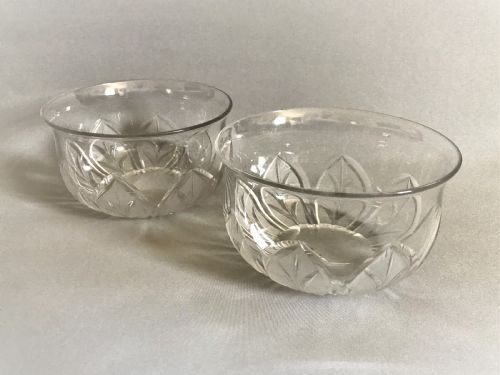
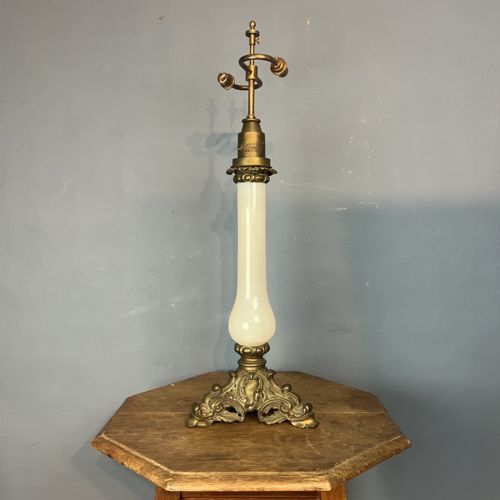
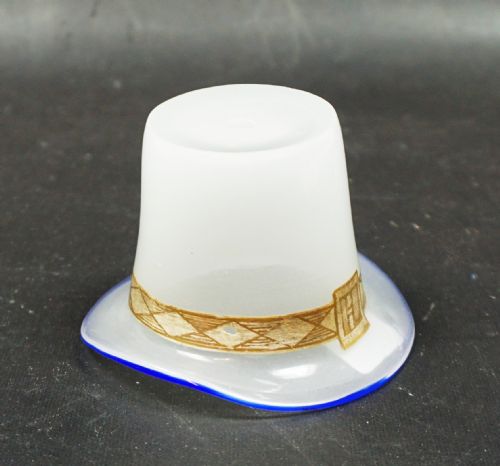
Tableware forms frequently appear in sets, including cut glass finger bowls, ice plates, and cream jugs intended for formal dining. Decorative lighting and mantel ornaments, such as opaline vases and coloured glass fairy lights, demonstrate the period preference for vibrant hues and textural variety in domestic spaces.
Origins represented in the inventory include English, Scottish, and continental European workshops, incorporating specialised production centres like Murano. The material output bridges utilitarian glassware and high-status decorative art, often paired with mounts in silver, silver-plate, or gilt brass.
How They Were Made
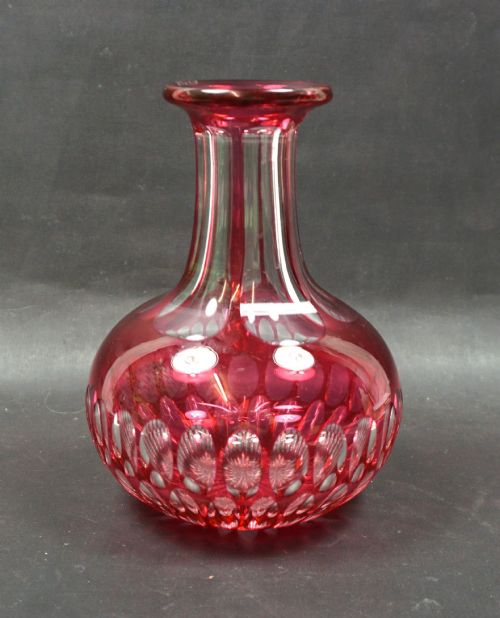
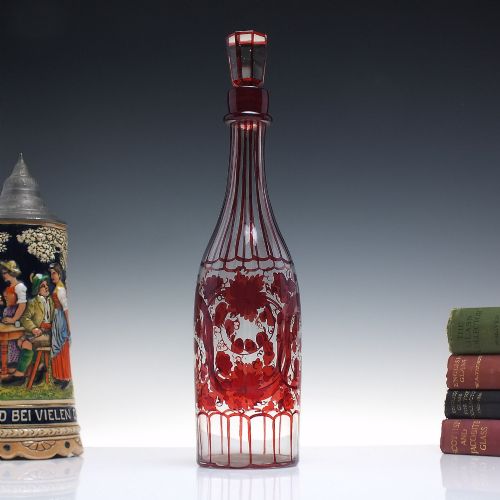
The objects combine free-blown or mould-blown glass bodies with decorative techniques such as wheel-cutting, engraving, and acid-frosting. Overlay methods layer coloured glass over clear or contrasting bases, allowing artisans to cut through the outer stratum to reveal translucent depths beneath.
Specialised regional methods include Nailsea loopings, Murano murrine inclusions, and uranium or satin glass formulations. Metal mounts in silver, ormolu, and brass are frequently secured to the glass components using historical adhesives or mechanical fittings.
Victorian fairy lights were marketed as night-light lamps to keep the bogies away from nurseries.
What Varies In Quality
Quality rests upon the crispness of wheel-cut facets, the depth and clarity of coloured glass layers, and the precision of hand-engraved motifs like foliage or crests. Superior examples exhibit balanced proportions, minimal bubble inclusions within the metal, and unblemished surfaces free from heavy wear.
The integration of secondary materials dictates overall refinement, distinguishing standard production vessels from deluxe items fitted with hallmarked silver mounts or intricate gilt-brass stands.
Franchini And Bigaglia·Elkington·Mappin And Webb·George Brace·Thomas Lane
The Mid Victorian Glass Glossary
- Overlay
- A technique where a layer of coloured glass is fused over a clear or contrasting body before being cut away to expose the underlying colour. This method creates high contrast in decanters and vases.
- Opaline
- An opaque or translucent pale glass developed in France and England, frequently tinted in shades of white, blue, or green. It mimics porcelain while retaining vitreous qualities.
- Rummer
- A heavy, short-stemmed drinking glass popular during the eighteenth and nineteenth centuries for serving ale, cider, or wine. They often feature generous stumumps and cut decoration.
- Fairy light
- A small decorative lamp consisting of a coloured glass shade paired with a matching base, designed to hold a small candle. Clarke's Pyramid is a notable maker of these items.
- Murrine
- Coloured glass rods heated and drawn out, then sliced to reveal mosaic patterns embedded within the vessel wall. This technique is closely associated with Venetian glassmakers.
Mid Victorian Glass: Frequently Asked Questions
Are these items suitable for daily use?
Sturdier forms like whiskey tumblers, decanters, and wine glasses can handle gentle everyday use if washed by hand. Delicate items with thin blown walls or gilt bands require careful handling.
Display pieces and items with fragile enamel or overlay work are best reserved for occasional use or static display. Modern dishwashers should be avoided entirely due to thermal shock and chemical etching risks.
What is uranium glass?
Uranium glass incorporates a small amount of uranium oxide into the glass batch as a colouring agent, producing a distinct yellowish-green hue. Under ultraviolet light, these pieces emit a bright green fluorescent glow.
This material was widely used for decorative items and fairy lights during the nineteenth century. The radiation levels are extremely low and safe for handling within a collection.
How do I date mid nineteenth century glass?
Dating relies on stylistic markers, pontil mark characteristics, and contextual evidence from accompanying metal mounts or documented patents. Free-blown and early mould-blown pieces often exhibit rough, unpolished pontil scars on their bases.
Changes in chemical formulas, colour preferences, and decorative motifs also help narrow the production window. Comparing pieces with dated archival examples or marked maker pieces provides the clearest chronological placement.