


Heavy Base Glass
Heavy base glass items offer solid tactile weight and historical substance, making them essential finds for collectors of period tableware and desk accessories.
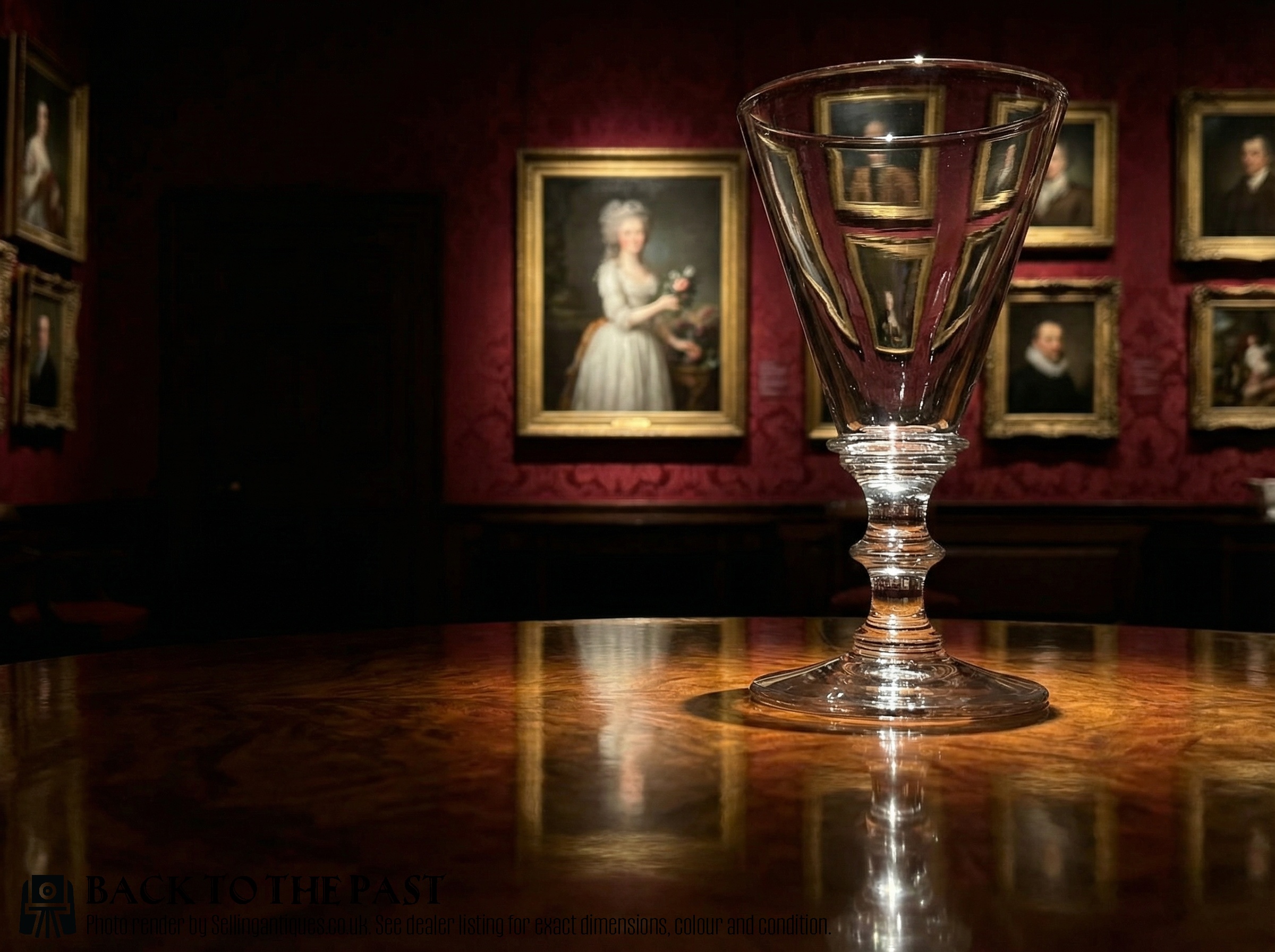
Heavy Base Glass
When you search for heavy base glass, you encounter robust vessels and furnishings designed for stability, such as tumblers, decanters, and table lamps. These objects span from the eighteenth century through the nineteenth and twentieth centuries, incorporating Georgian, Victorian, Edwardian, Regency, and Traditional Classical styles.
You are most likely to meet drinkware and table lamps on this page, reflecting the practical domestic uses of thick-bottomed vessels. The selection encompasses small whisky tumblers, rummers, and ship's decanters alongside tall lamps and inkwells.
Materials range from standard glass and clear glass to cut glass, crystal, lead glass, lead crystal, cut crystal, and chrome, often paired with pewter components. The origins trace back to English workshops spanning the eighteenth, nineteenth, and early twentieth centuries.
Materials and construction methods
The primary material is lead crystal or heavy clear glass, shaped to provide a dense, thick base that anchors the vessel. Artisans utilised lead glass and crystal formulations to achieve clarity and weight.
Surface decoration frequently involves hand-cutting, as seen in cut crystal and cut glass examples, or diamond engraving as found on Masonic rummers. Some items incorporate additional elements like chrome or pewter dome lids with glass liners.
Materials represented across the inventory include cut glass, clear glass, lead crystal, chrome, and traditional pewter.
Factors determining quality
Quality rests upon the purity and clarity of the crystal or glass, alongside the crispness and depth of the hand-cut facets. Pieces with superior lead content display greater refractive brilliance and heft.
The precision of the form, such as the stability of a lemon squeezer base or the symmetry of a baluster stem, separates standard utility items from finer examples. Integration of mixed media, like pewter lids on inkwells, also dictates the standard of manufacture.
The Heavy Base Glass Glossary
- Rummer
- A large heavy drinking glass popular in the eighteenth and nineteenth centuries, often featuring a chunky stem and thick foot. These vessels served for ale, wine, or punch.
- Ship's decanter
- A decanter with a broad, flat base designed to prevent tipping on the rolling tables of maritime vessels. They typically date from the Regency and Georgian periods.
- Lemon squeezer base
- A square, pressed glass or cut glass foot with sharp, faceted corners resembling a vintage kitchen juicer. This feature appears on Georgian rummers and decanters.
- Lead crystal
- Glass containing a significant proportion of lead oxide, which increases weight, refractive index, and workability for cutting. It produces a clear ringing sound when struck.
- Baluster stem
- A thick, turned stem resembling an architectural baluster, common on drinking glasses from the eighteenth century. It adds substantial weight to the lower portion of the vessel.
Heavy Base Glass: Frequently Asked Questions
What is a heavy base glass tumbler?
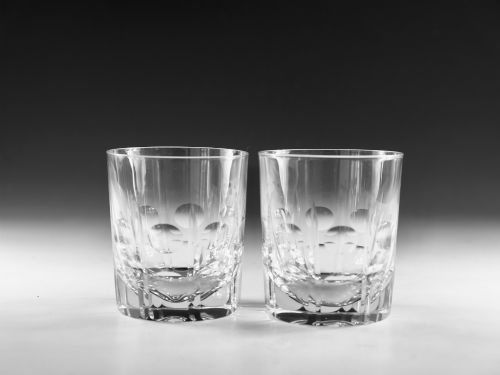
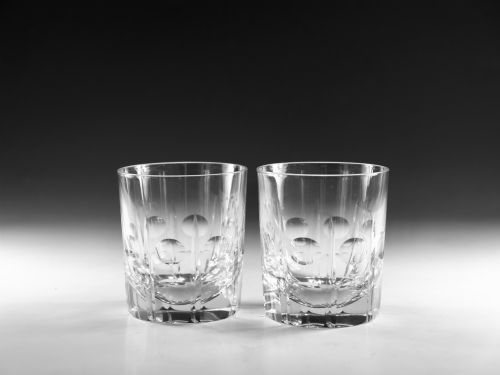
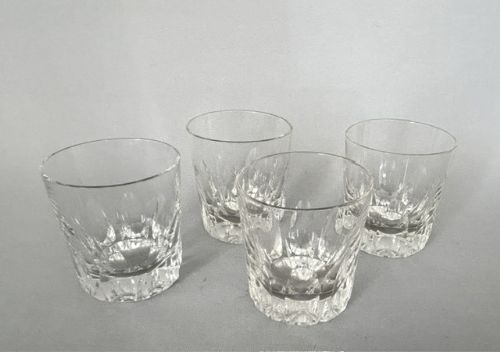
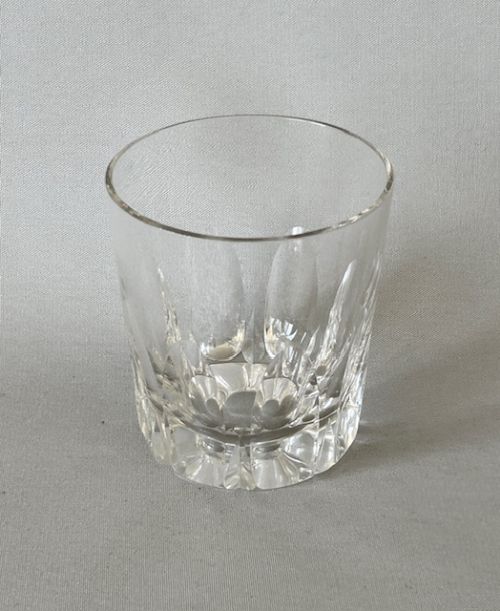
A heavy base glass tumbler is a drinking vessel featuring an unusually thick, solid bottom designed to lower the centre of gravity and prevent spills. These pieces range from Victorian whisky tumblers to early twentieth-century examples.
They offer a satisfying weight in the hand and durability during use. Their solid construction makes them resilient for daily service.
How do I identify a Georgian rummer?
Georgian rummers typically display chunky proportions, thick stems, and heavy rounded or lemon squeezer bases. They were manufactured during the eighteenth and early nineteenth centuries for hearty ales and wines.
Look for hand-blown characteristics, pontil marks on the underside, and heavy lead glass composition. Their generous bowl capacity distinguishes them from smaller cordial glasses.
Were ship's decanters only used on boats?
While originally designed for use at sea because their wide bases resisted tipping, ship's decanters became popular in standard land-based homes during the Regency period. Their practical shape suited domestic dining tables just as well.
They allow for safe storage and pouring of wine without risk of rolling. Their distinctive conical profiles make them easily recognisable.
How should I clean antique glass lamps?
Antique glass lamps require gentle cleaning with lukewarm water and mild soap, avoiding abrasive cloths or harsh chemical cleaners. Metal components like chrome or pewter should be kept dry to prevent tarnishing.
Careful handling protects the cut crystal facets and delicate wiring if the lamp has been electrified. Regular dusting preserves the clarity of the glass.
What distinguishes lead crystal from standard glass?
Lead crystal contains lead oxide, which increases the weight, refractive index, and softness of the material for cutting. This composition allows artisans to achieve deep, sharp facets that refract light brilliantly.
Standard glass lacks this metallic oxide content and generally feels lighter. Lead crystal also produces a sustained musical ring when tapped.