



Victorian Whisky Glasses
These Victorian whisky glasses, decanters, and tantalus sets bring genuine nineteenth-century character to any home bar.
Victorian Whisky Glasses
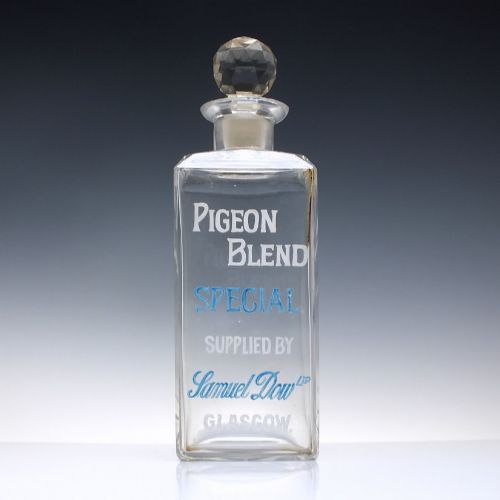
The objects span from the mid-nineteenth century through the Edwardian transition, reflecting changing social habits surrounding after-dinner drinks. Scottish regional decanters bearing enamelled blend names appear alongside English cut glass vessels and silver-mounted hip flasks.
Materials and Construction
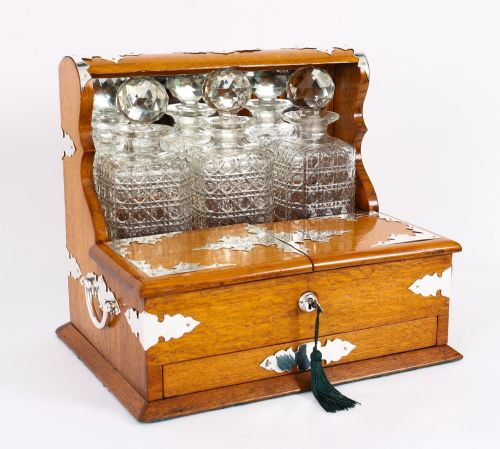
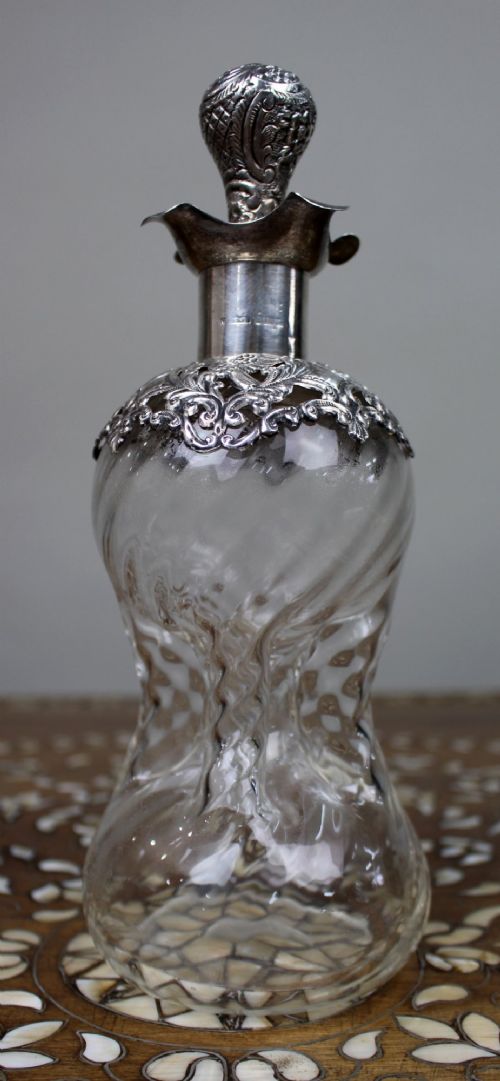
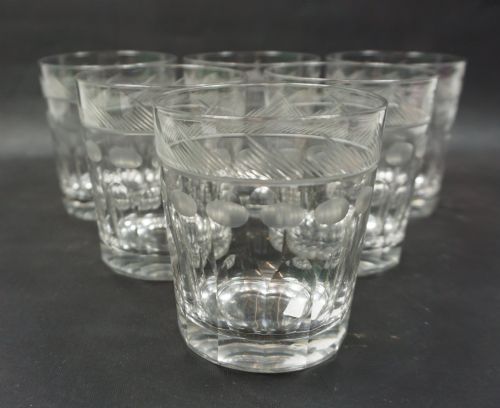
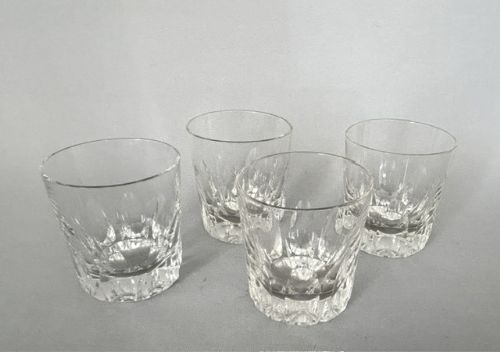
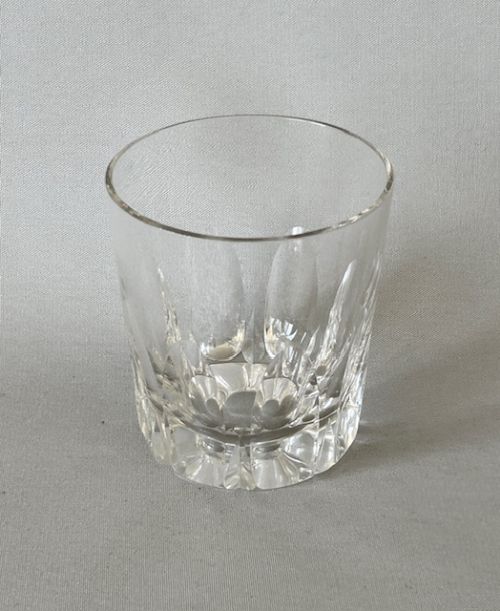
Makers utilised heavy cut glass and lead crystal to fashion tumblers and decanters, often incorporating deep geometric cutting that caught the light of gaslit rooms. These glass bodies were frequently paired with mountings of sterling silver, silver plate, or brass.
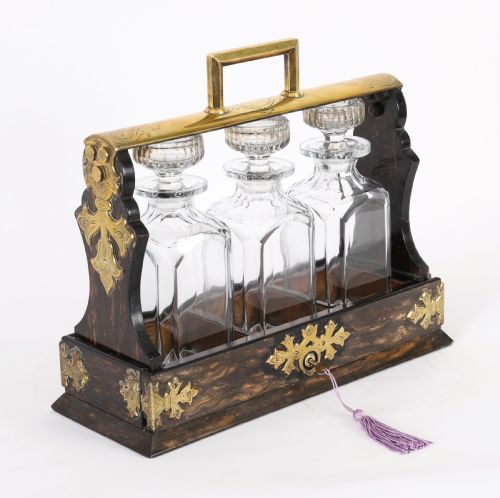
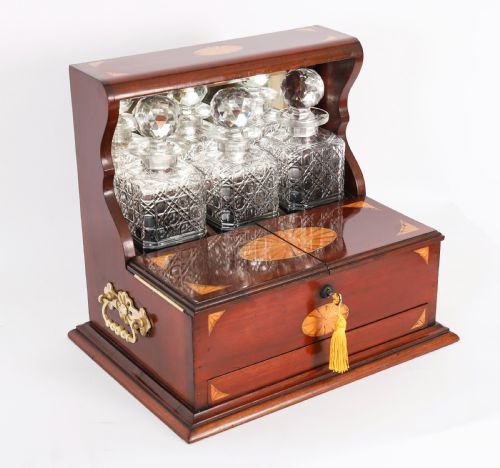
Housing units such as tantalus frames and spirit barrels relied on dense hardwoods like oak, blonde oak, satinwood, and coromandel. Metal mounts, locks, and handles secured these frames, while some flasks featured hammered finishes and removable drinking cups.
The listings span the Victorian period into the Edwardian era, featuring materials such as cut glass, oak, sterling silver, and brass.
Judging Quality and Execution
Weight and clarity distinguish superior glassware from simpler commercial wares, with heavier lead crystal and crisp facet-cutting indicating higher production standards. The depth and precision of hand-engraved or enamelled lettering on regional decanters also signal finer workshop output.
Cabinetwork separates basic timber frames from luxury examples; tightly fitted dovetails, intact locking mechanisms, and inlaid veneers show superior construction. The presence of hallmarked sterling silver mounts rather than basic plated alternatives elevates the standing of an entire piece.
Asprey London·Elkington
The Victorian Whisky Glasses Glossary
- Tantalus
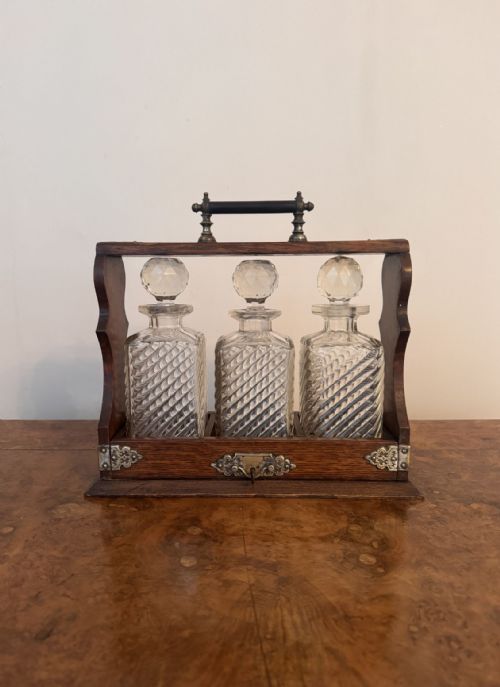
- A locking wooden frame designed to secure decanters of spirits away from servants or guests while still displaying the contents through the bars.
- Lead Crystal
- A heavy variety of glass containing metallic oxide that increases brilliance and allows for deeper, sharper facet cutting.
- Spirit Barrel
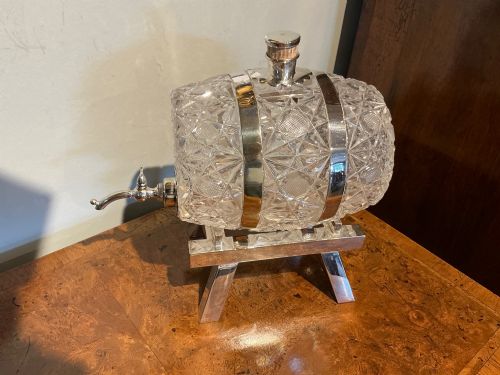
- A cylindrical vessel mounted on a small stand, used for dispensing whisky or other liquors directly at the table or sideboard.
Victorian Whisky Glasses: Frequently Asked Questions
Are these glasses safe to use?
Most nineteenth-century glassware is structurally stable for occasional modern use if handled with care and kept away from dishwashers. Inspect rims and bases for hidden chips before pouring drinks.
Decanters with historic interior staining should be cleaned gently using specialist beads rather than harsh abrasveis that might scour the old glass.
What is a tantalus used for?
A tantalus holds glass decanters securely within a locked wooden frame, preventing the removal of the stoppers and the consumption of the contents. The locking bar leaves the bottles visible while keeping the spirit secure.
Wealthy Victorian households placed these after-dinner cabinets in dining rooms or libraries to control access to expensive imported whiskies.
How do I date these pieces?
Dating relies on a combination of stylistic markers, glass manufacturing techniques, and any accompanying metal hallmarks. Pontil marks on the base of decanters and the specific depth of glass cutting often indicate the mid to late nineteenth century.
Silver mounts frequently carry assay office stamps and date letters, providing a precise year of manufacture for the metal components.