




Victorian Japanese Urns
Victorian japanese urns bring together British domestic taste and intricate Meiji period craftsmanship to create striking focal points for a room.
Victorian Japanese Urns
When you search for victorian japanese urns, you encounter a distinct cross-cultural dialogue spanning the late nineteenth century. These objects include bronze vessels, porcelain vases, and ceramic planters created in Japan and brought into British homes during the Victorian and Aesthetic periods.
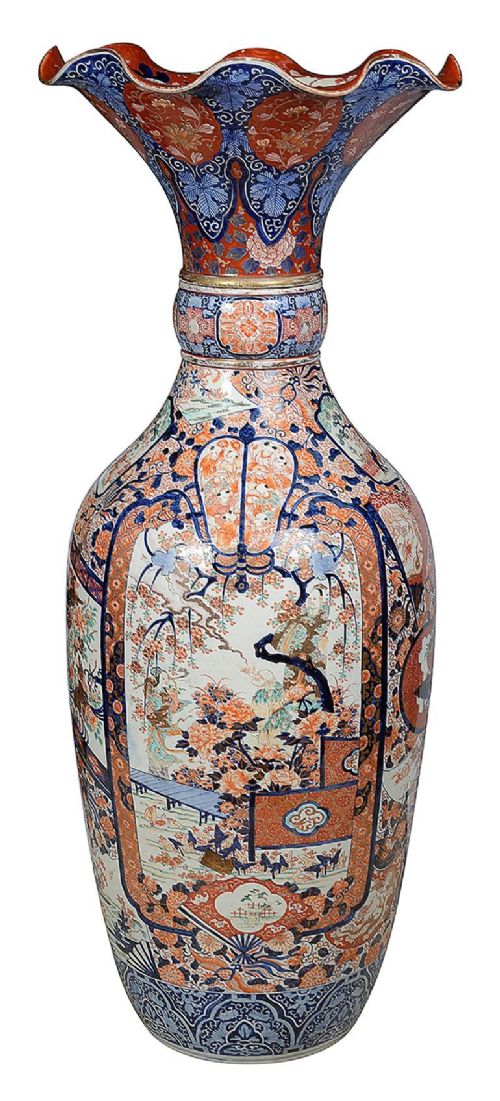
The selection here encompasses items labelled as baluster urns, stem vases, and incense burners alongside larger jardinieres and floor vessels. Many date from the Meiji period, reflecting the intense British fascination with Japanese design during the late 1800s.
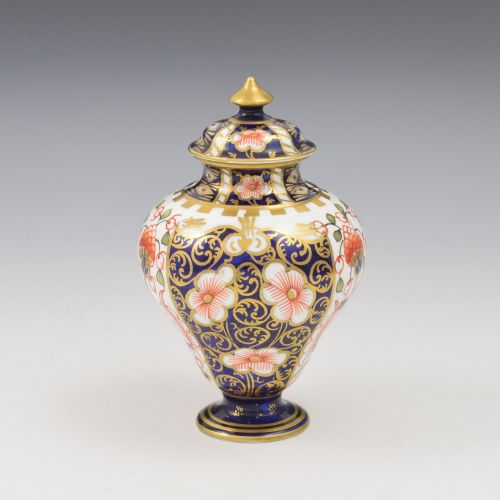
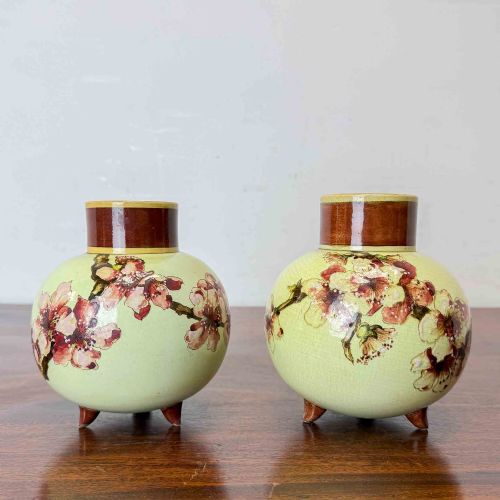
Makers and potteries such as Royal Crown Derby, Doulton Lambeth, and Minton also adapted these Eastern aesthetics into domestic British porcelain and earthenware. This blend of styles produces objects that function simultaneously as decorative urns and historical documents of nineteenth-century taste.
Materials and construction
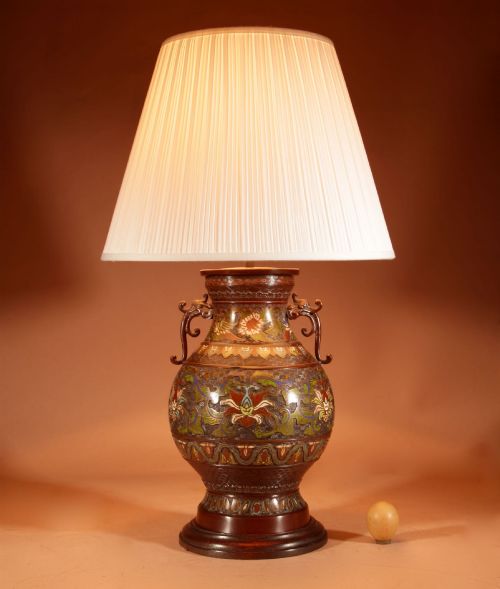
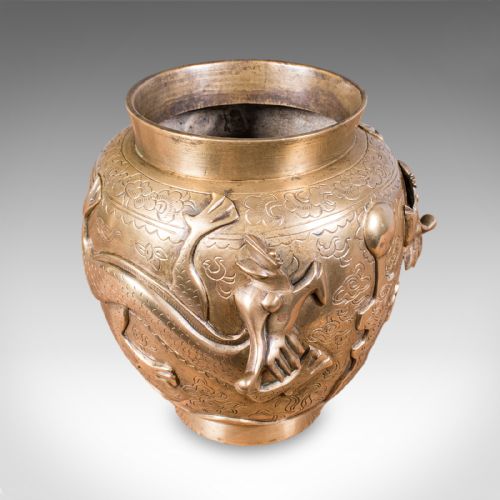
The physical build of these pieces relies heavily on cast bronze, ceramic earthenware, and porcelain, often enriched with enamel, gold leaf, and lacquer over black paint. Bronze pieces utilise champlevé and cloisonne techniques to inlay vibrant coloured enamels into metal cells, creating durable surfaces with intricate patterns.
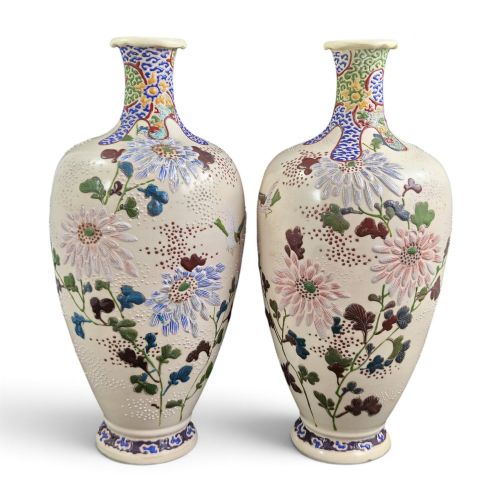
Ceramic forms such as Satsuma, Imari, and Kutani rely on hand-painted glazes, sometimes paired with structural additions like ebonised wood stands or fabric elements. These varied methods combine skilled metalwork and ceramic throwing with meticulous surface decoration.
Victorian Japanese Urns Retail Price Guide 2026
Typical asking prices for victorian japanese urns among the pieces listed under this phrase on Sellingantiques today, from the lower quarter to the upper quarter. They describe what is for sale here now, not the wider market.
Listings feature periods from the nineteenth century up to 1920, with materials spanning bronze, porcelain, enamel, earthenware, and lacquer.
Distinctions in quality
Quality in these objects rests upon the precision of the surface work and the harmony of the design. Superior bronze vessels display crisp casting and deeply inlaid enamel work, whereas finer porcelain examples show meticulous hand-painting with controlled use of gold leaf.
Scale and proportion also define the better pieces, particularly in matched pairs of double gourde or baluster urns. The integrity of the original material, whether lacquer, porcelain, or patinated bronze, separates standard decorative production from exceptional studio output.
Royal Crown Derby·Doulton Lambeth·Minton·Kinkozan
The Victorian Japanese Urns Glossary
- Imari
- A style of Japanese porcelain featuring a distinctive palette of underglaze blue, iron red, and gold, widely exported during the nineteenth century. These wares were heavily imitated and adapted by British potteries.
- Satsuma
- A type of earthenware with a crackle-glaze ivory finish, typically decorated with elaborate polychrome and gilt scenes. It represents a major pillar of Meiji period export art.
- Cloisonne
- A metalwork technique where enamel is applied to compartments created by soldering thin metal strips to a bronze or copper base. The surface is then fired and polished smooth.
- Champleve
- An enamelling method where troughs are gouged into a metal surface and filled with enamel powder before firing. It yields bold linear patterns on bronze bodies.
- Aesthetic Period
- A late nineteenth-century British movement advocating art for art's sake, which heavily integrated Japanese motifs into domestic design. It bridged Victorian formality and Eastern minimalism.
Victorian Japanese Urns: Frequently Asked Questions
What defines a Victorian Japanese urn?
These pieces combine nineteenth-century British decorative contexts with Japanese Meiji era manufacturing, typically taking the form of bronze vessels, porcelain vases, or ceremonial burners.
They reflect the Victorian appetite for exotic imports and the Aesthetic Movement's fascination with Eastern design.
How are bronze urns decorated?
Makers used techniques like cloisonne and champleve to fuse coloured enamels into metal surfaces, often highlighting dragons, flora, or geometric patterns.
The underlying bronze was frequently patinated to achieve deep, dark tones that contrasted with the bright enamel work.
Where were these pieces used in the home?
In Victorian interiors, they served as mantelpiece ornaments, table lamps, or focal points on display tables and portico planter stands.
Larger versions functioned as floor vases or jardinieres for indoor plants.
How do Satsuma and Imari differ?
Satsuma wares are earthenware ceramics characterised by an ivory crackle glaze and detailed figurative painting enhanced with gold leaf.
Imari pieces are porcelain vessels dominated by underglaze blue, iron red, and gilt, focusing on intricate panels and floral motifs.