






Gold Painted Pottery
Gold painted pottery brings together delicate ceramic forms and rich metallic detail, offering a tangible link to late nineteenth and early twentieth century craftsmanship.
Gold Painted Pottery
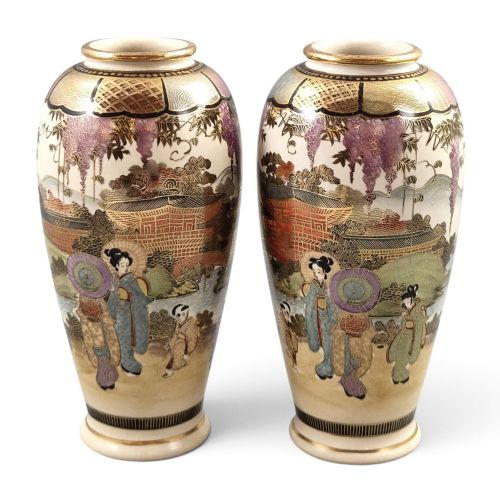
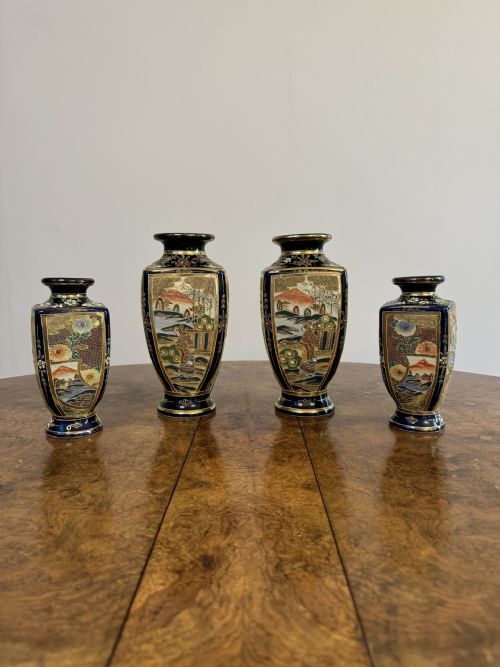
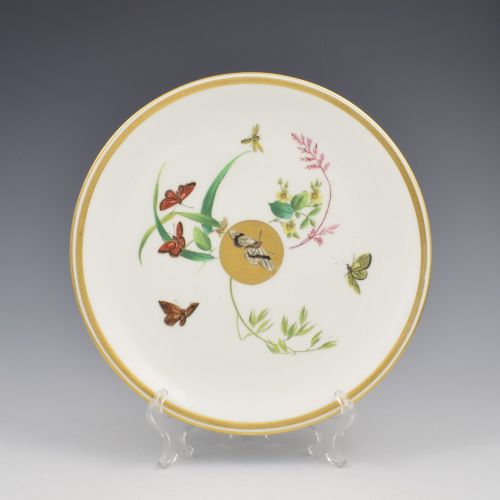
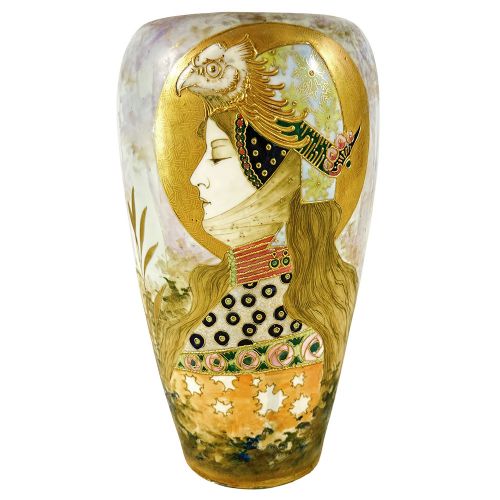
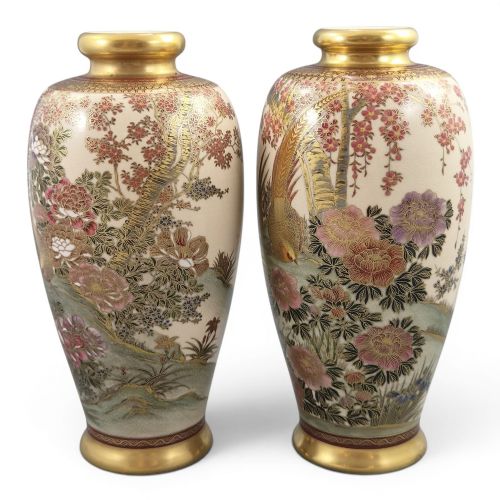
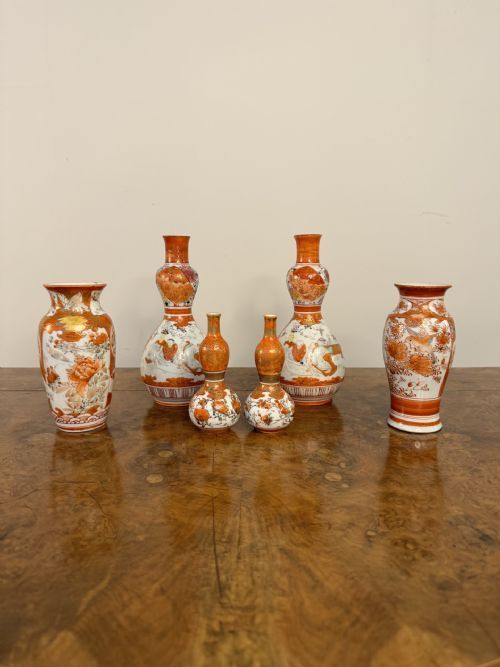
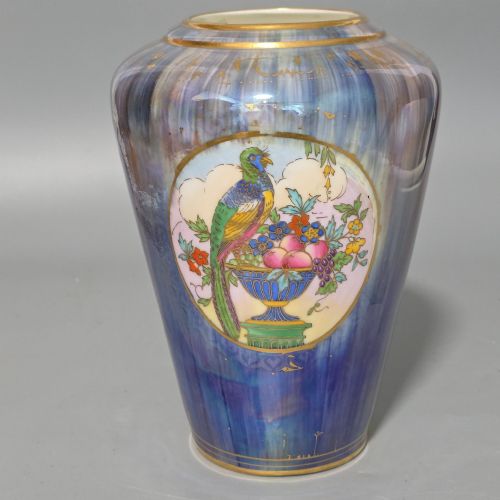
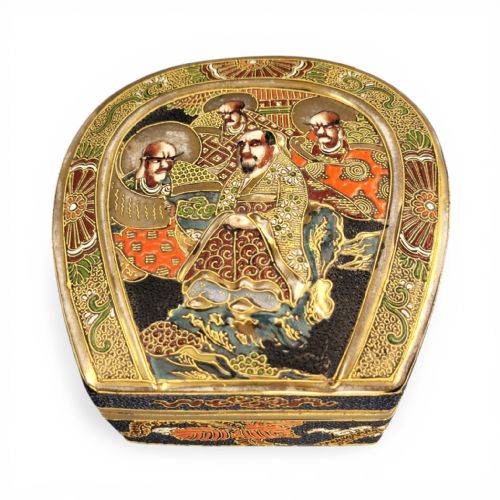
When searching for gold painted pottery, buyers encounter a diverse selection of ceramic objects adorned with metallic highlights and gilding. The most common examples on this page are Japanese Satsuma wares originating from the Meiji and Taisho periods, alongside European decorative pottery from the Victorian and Edwardian eras.
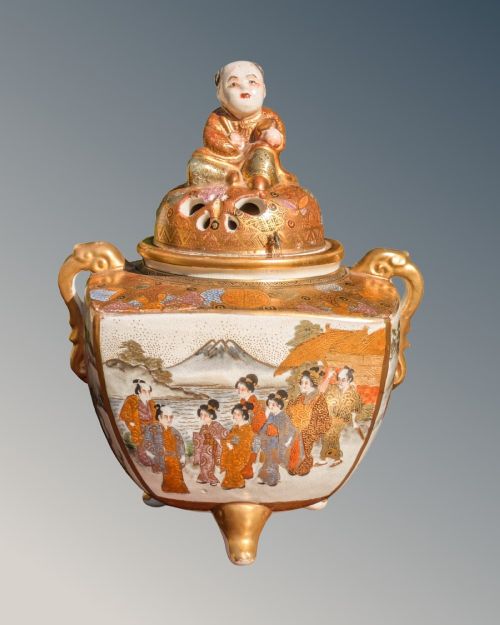
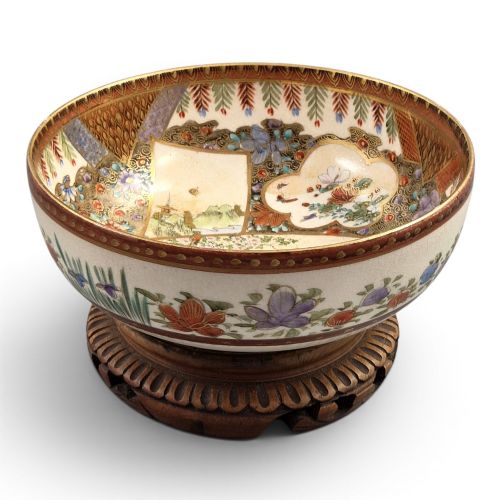
The selection ranges from small miniature vases and incense burners to large garnitures, bowls, and cabinet plates. These pieces demonstrate a widespread international fascination with painted and gilded ceramics during the late nineteenth and early twentieth centuries.
Materials and construction
These pieces are constructed primarily from earthenware or porcelain bases, shaped into vessels, plates, and ornamental boxes. Artisans applied coloured enamels and intricate gold leaf or liquid gilding directly onto the ceramic surface, often over a crackle glaze.
Many works combine hand-painted figural scenes or botanical motifs with raised gilt detailing, requiring precise brushwork and controlled kiln firing to bond the metallic elements permanently to the ceramic body.
Materials recorded across the selection include porcelain, earthenware, enamel, gold leaf, and wood.
Distinguishing quality
Quality in these ceramics rests on the crispness of the hand-painted details and the density of the gilding. Finer examples display meticulous control in miniature figural work and balanced composition across complex surfaces.
The reputation of the workshop or artist also shapes the standing of a piece. Signed works from established centres such as Kyoto demonstrate a higher degree of execution than mass-produced domestic wares.
Koshida·Shozan·Nicholas Kannhauser·Manpei·Kozan·Kinkōzan·Toshozan·John H Plant·Chosei·Seiko-en Chokei·Nikko·Hakusan·Hododa·Taizan·Ippo·Ernst Wahliss·Hattori
The Gold Painted Pottery Glossary
- Satsuma
- A type of Japanese earthenware traditionally featuring an ivory-coloured, crackled glaze decorated with polychrome enamel and gold leaf. It originated in Satsuma Province and became highly popular for export during the Meiji period.
- Gilding
- The application of gold leaf, gold dust, or gold paint to a surface. In ceramic decoration, it provides bright metallic accents that contrast with the underlying glaze and enamel colours.
- Enamel
- A glassy substance fused to the surface of ceramics through firing. It supplies vibrant, durable colour to painted motifs before the application of final gold highlights.
- Koro
- A traditional Japanese incense burner typically fitted with a pierced lid. These vessels often stand on small feet and feature elaborate painted and gilded decoration.
- Garniture
- A set of matching ceramic vases or urns designed to be displayed together on a mantelpiece or sideboard. They typically consist of three or more graduated pieces.
Gold Painted Pottery: Frequently Asked Questions
What is Satsuma pottery?
Satsuma pottery is a distinct category of Japanese earthenware characterised by a pale, finely crackled glaze. Artisans decorated these surfaces with detailed enamel paintings and generous amounts of gold leaf.
These wares were produced in large quantities for international export during the late nineteenth century. They remain recognisable by their intricate depictions of figures, landscapes, and floral patterns.
How should I display these pieces?
Display these ceramics away from direct sunlight to protect the stability of the enamel colours and the brightness of the gold leaf. Placing them on stable surfaces prevents accidental tipping.
Because many of these items are delicate earthenware or porcelain, they suit placement in secure cabinets or on sturdy mantelpieces where their detailed hand-painted work can be seen up close.
Are these ceramics functional?
Most of these decorative items function primarily as ornamental display pieces rather than utility ware. Items such as garniture vases, cabinet plates, and miniature vessels were created for visual appreciation.
Using them for holding liquids or daily dining is generally discouraged. The delicate nature of the enamel and gilding requires careful handling and preservation.
How do I identify the period?
Identifying the period involves examining the style of decoration, the type of ceramic body, and any artist signatures or workshop marks on the base. Pieces from the Meiji period often display dense Japanese motifs and intricate gold work.
European examples from the Victorian and Edwardian eras typically reflect Western interpretations of art pottery, incorporating lustre glazes or distinct European factory marks.