


Victorian Inlaid Loo Table
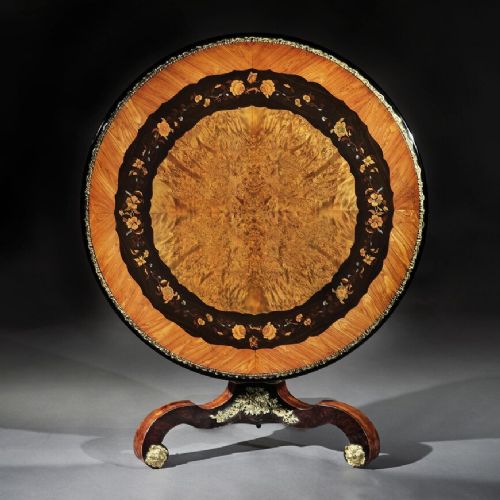
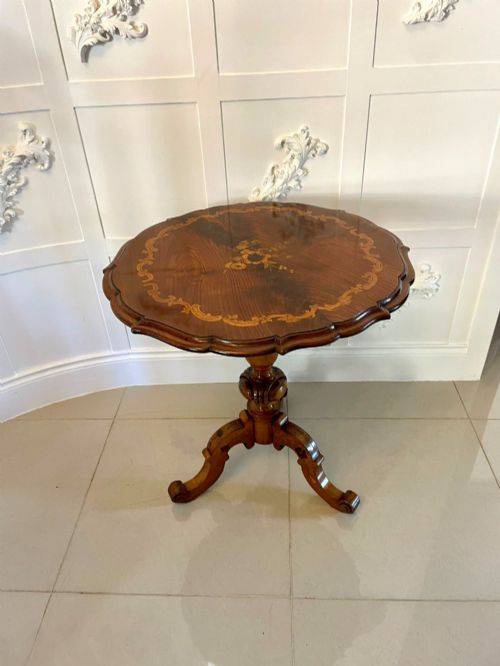
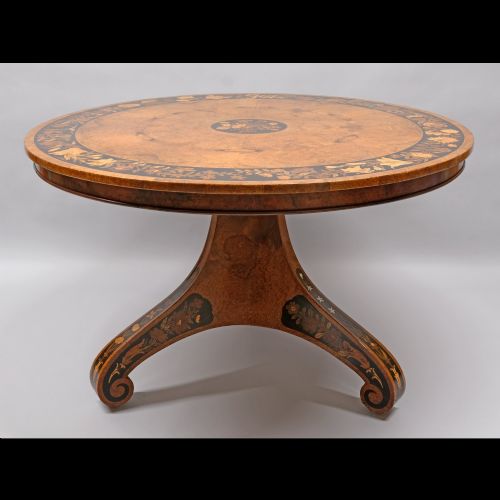
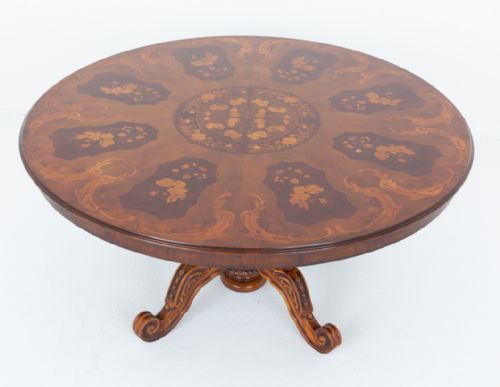
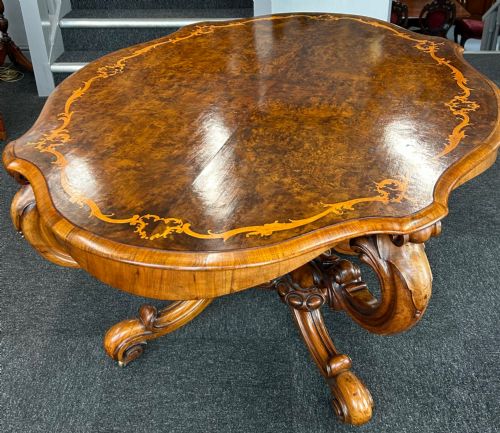
A victorian inlaid loo table offers a grand centrepiece for a drawing room, combining elaborate wood ornamentation with a tilting mechanism.
Victorian Inlaid Loo Table
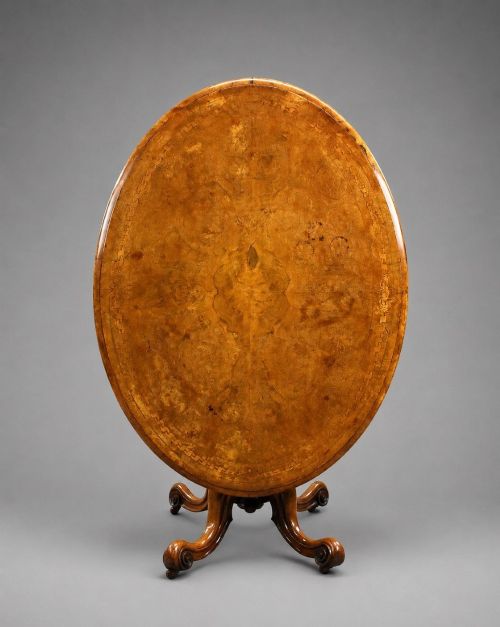
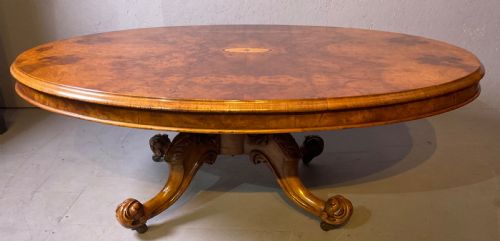
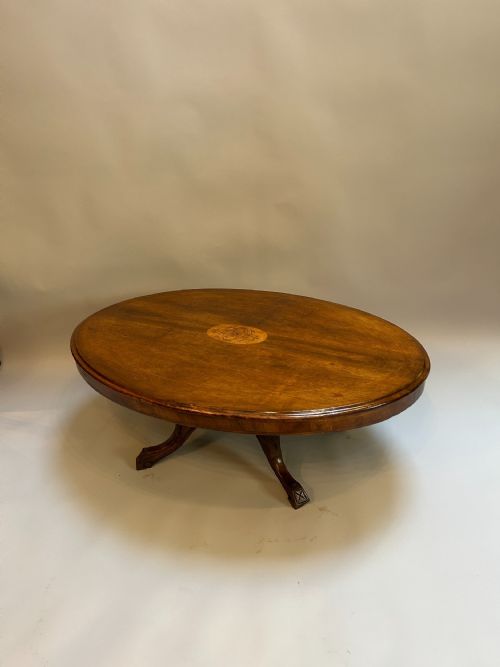
When searching for a victorian inlaid loo table, buyers encounter large, oval or round pedestal tables designed for nineteenth-century entertaining and parlour games.
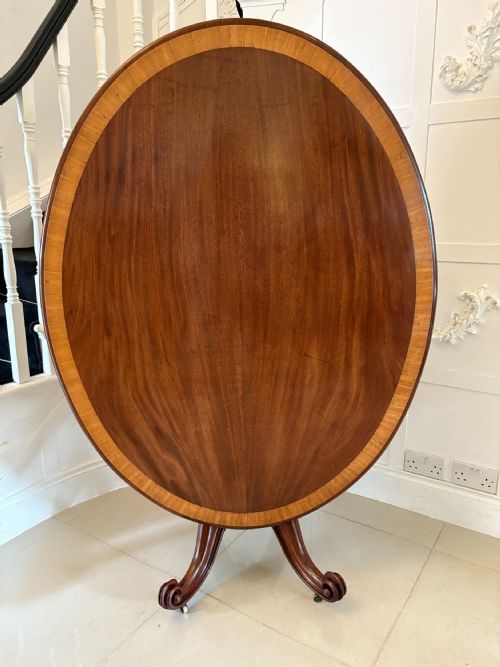
Originating primarily from the Victorian period, these tables sit atop carved pedestals and support structures, often functioning as central display surfaces when not tilted.
How They Were Made
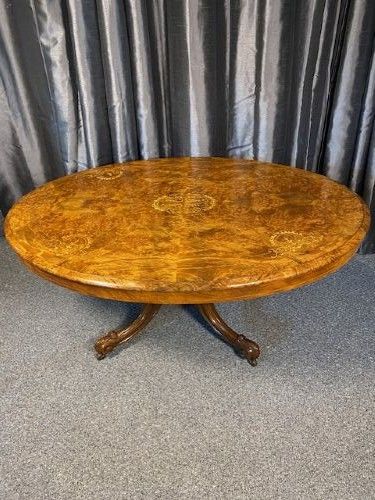
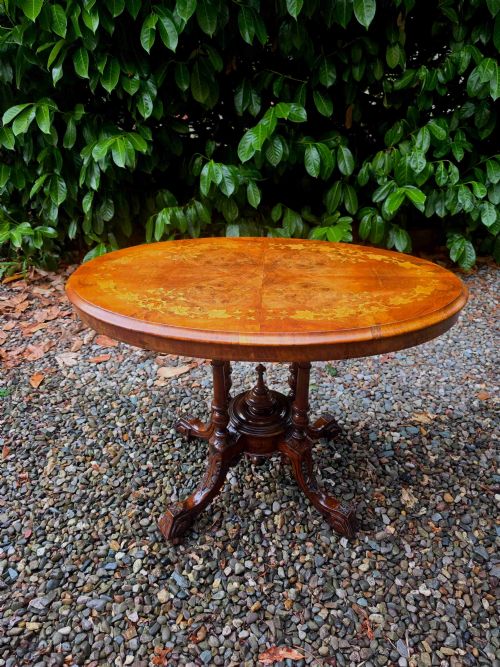
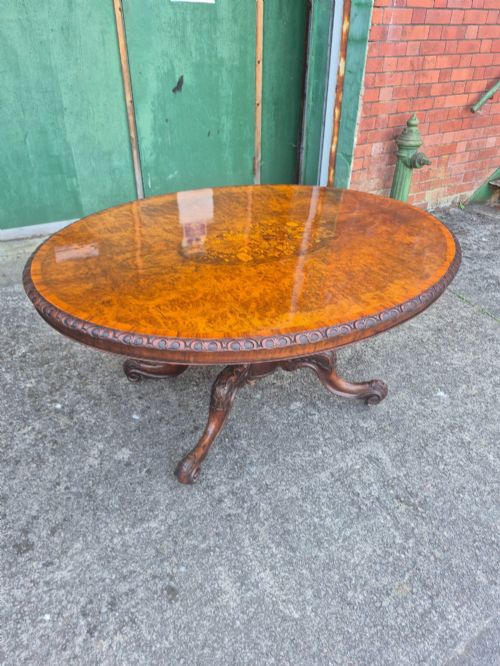
Cabinet makers utilised solid walnut and figured burr walnut veneers applied to stable secondary timbers, building up rich surface patterns across the top.
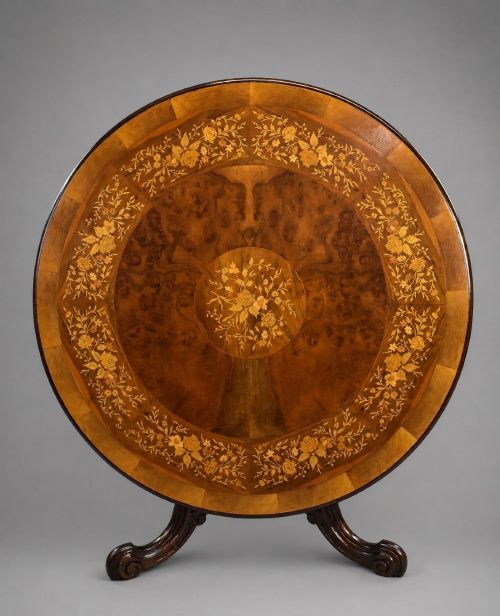
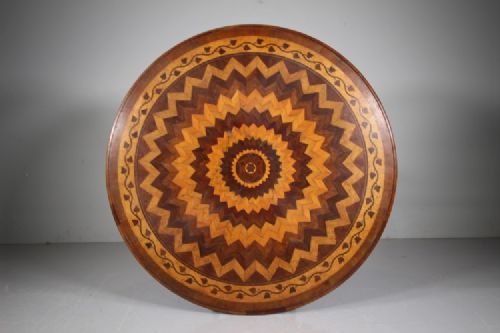
Detailed decoration was achieved through boxwood, fruitwood, and varied wood inlay or marquetry, often complemented by brass fittings and carved pedestal bases.
These clever tilting tops let Victorians reclaim their floor space after a late-night card game.
What Varies in Quality
The distinction between standard pieces and exhibition-quality work lies in the intricacy of the marquetry and the selection of the burr walnut veneer.
Superior examples display crisp carving on the central pedestal and smooth operation of the tilt-top mechanism, whereas lesser pieces show simpler turning and plainer timber.
Edward Holmes Baldock·Gillows·Jackson and Graham
The Victorian Inlaid Loo Table Glossary
- Loo table
- A large nineteenth-century round or oval table designed for the card game loo, featuring a tilting top for convenient storage. These pieces frequently double as centre or breakfast tables.
- Burr walnut
- A highly figured wood veneer taken from the wart-like growths on walnut trees, prized for its swirling patterns and rich texture. Cabinet makers used it extensively on high-status Victorian furniture.
- Marquetry
- The art of applying pieces of veneer to a structure to form decorative patterns and pictorial designs. Artisans combined different coloured woods such as boxwood and fruitwood.
- Tilt top
- A mechanism allowing the tabletop to pivot vertically on its pedestal base, enabling the table to stand flat against a wall when not in use. This clever engineering saved valuable floor space in period rooms.
- Killarney ware
- A distinct style of Irish decorative woodwork characterised by intricate inlaid motifs, often utilising local arbutus and yew woods. Pieces from this tradition appear occasionally among nineteenth-century tables.
Victorian Inlaid Loo Table: Frequently Asked Questions
What is a loo table used for?
Originally, these large tables served the popular nineteenth-century card game known as loo, accommodating families and guests in the drawing room for evening entertainment.
Between games, the generous surface functioned as a central display table for books, lamps, and decorative objects before being tilted upright against the wall.
How do you tilt the top?
A release catch or pin beneath the tabletop unlocks the mechanism, allowing the surface to pivot ninety degrees on its central pillar.
This clever design meant the heavy furniture could be tucked away neatly when floor space was required for other activities.
How do I date a Victorian table?
Dating relies on observing the stylistic markers, timber choices, and construction methods recorded across the nineteenth century, ranging from early Victorian proportions to later revival periods.
Cabinet-making techniques shifted over the decades, moving from heavier mahogany dining forms to elaborate burr walnut and marquetry centre tables.