
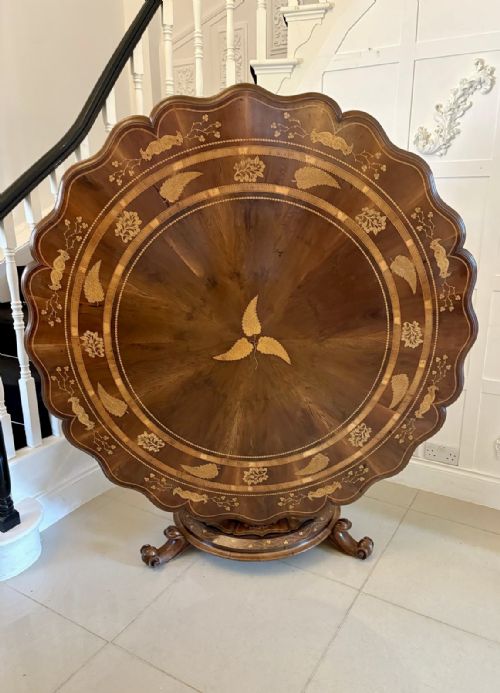


Exhibition Quality Furniture
Exhibition quality furniture represents the absolute peak of nineteenth-century craftsmanship, built to showcase a maker's finest skills at international expositions.
Exhibition Quality Furniture
Exhibition quality furniture comprises exceptional bespoke pieces produced during the Victorian era and the late nineteenth century for display and admiration rather than everyday utility. When you search for exhibition quality furniture, you encounter heavily ornamented desks, centre tables, beds, and credenzas derived from periods spanning 1850 to 1900.
The objects listed on this page originate from diverse design movements, including Aesthetic Period pieces, Victorian Irish Killarney Ware, Black Forest carvings, and Meiji Period Japanese works. Walnut, burr walnut, and satinwood dominate the forms, frequently enhanced by intricate marquetry and hand-carved details.
Makers utilised these ambitious formats to demonstrate technical mastery in international exhibitions, resulting in surviving pieces that retain an aura of grand scale and precise execution. Buyers seek these items to anchor a room with distinct historical provenance and supreme decorative ambition.
Judging the Standard of Execution
The division between standard Victorian production and exhibition pieces lies in the ambition of the design and the patience invested in the hand-carved and inlaid details. Superior examples exhibit absolute symmetry in marquetry and crispness in carved foliage or figures that lesser workshops blurred.
Integration of secondary materials dictates overall success, where ormolu mounts fit flush against timber contours and brass fittings operate with engineered precision. The interior construction matches the exterior finish, utilising secondary timbers of equal quality and careful dovetailing throughout.
One extraordinary hall stand incorporates a carved oak tree complete with a taxidermy bear peering down at visitors entering the hallway.
Collingson & Lock·George Faulkner Armitage·Jackson & Graham·Whytock & Reid·Morison of Edinburgh
The Exhibition Quality Furniture Glossary
- Marquetry
- The art of applying pieces of veneer to a structure to form decorative patterns and pictorial designs. Craftsmen utilised contrasting timbers like sycamore and yew to achieve tonal depth.
- Ormolu
- Gilded bronze mounts applied to furniture edges and corners for decorative effect. The metal was cast and chased by hand to create sharp relief before gilding.
- Half Tester Bedstead
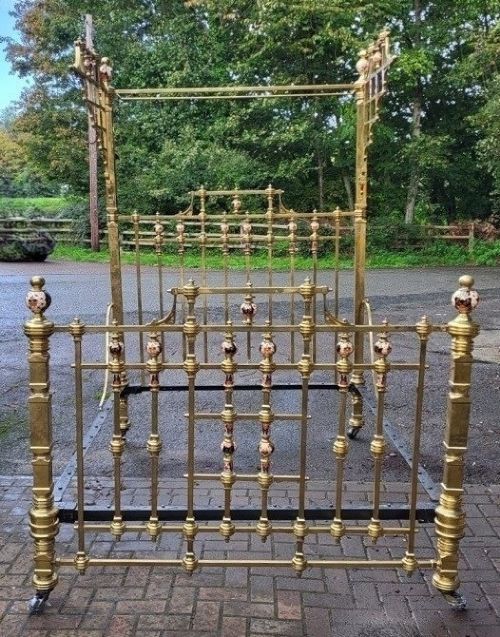
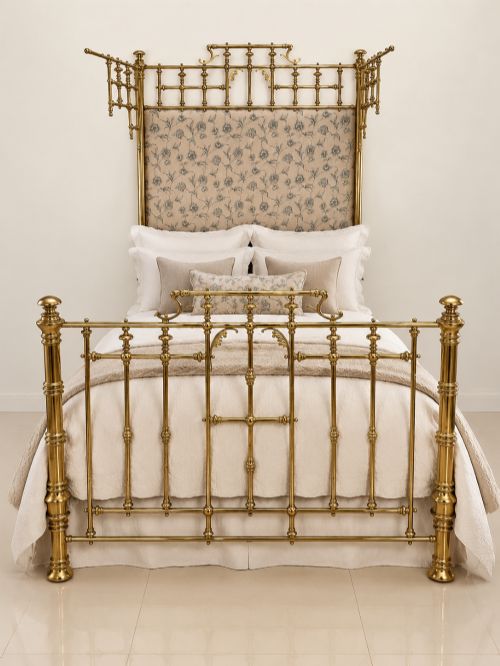
- A bed featuring a partial canopy extending over the head of the bed rather than covering the full length. These substantial frames allowed for elaborate carved crestings and drapery.
- Whatnot
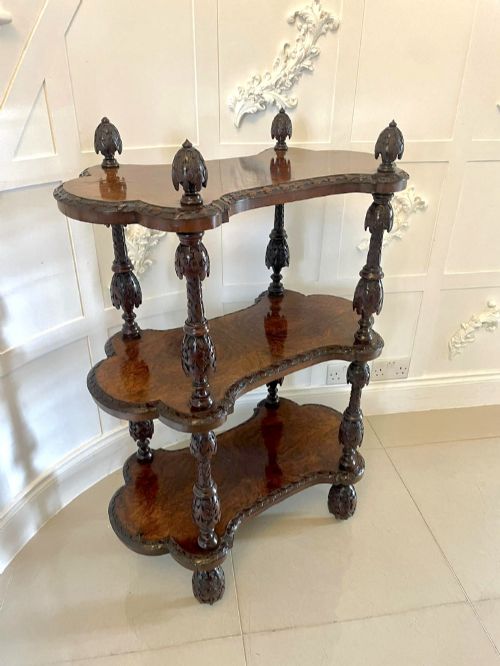
- A piece of open shelving designed for displaying ornaments, supported by slender upright pillars. They appeared frequently in nineteenth-century salons.
- Credenza
- A sideboard or display cabinet originating from the Italian Renaissance revival, used for storing plate and displaying objects of art. They often feature enclosed cupboards flanking central display sections.
Exhibition Quality Furniture: Frequently Asked Questions
How do I care for burr walnut surfaces?
Burr walnut requires stable indoor humidity and protection from direct sunlight to prevent veneer drying and fading. Regular dusting with a soft, dry cloth preserves the original french polished finish without stripping historic patination.
Avoid silicone-based sprays and place the furniture away from direct heat sources such as radiators and fireplaces to maintain the integrity of the timber and glue joints.
Where were these pieces originally displayed?
Original owners placed these grand items in principal reception rooms, entrance halls, and formal libraries of large nineteenth-century residences. Pieces such as centre tables and credenzas served as conversation starters for visiting guests.
Grand hotels, private townhouses, and exhibition halls also housed these works to project status, wealth, and refined cultural taste through interior decoration.
How do I distinguish regional styles?
Regional styles announce themselves through specific material choices and native carving traditions, such as Black Forest oak trees with bears, or Irish Killarney Ware featuring local arbutus and yew marquetry. Structural motifs borrow from distinct revivals like the Italian Renaissance or Aesthetic Movement.
Examining secondary timbers and workshop stamps often confirms the geographic origin, linking pieces directly to Scottish houses like Whytock and Reid or Edinburgh cabinet makers.